Price Sensitivity and Trust Define the Evolving Portuguese E-commerce Landscape as Marketplaces Dominate Consumer Behavior

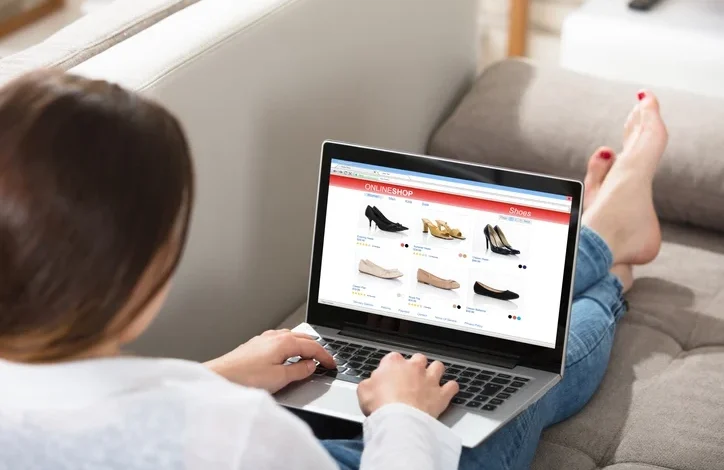
The digital retail sector in Portugal is currently undergoing a significant transformation, driven by an increasingly sophisticated and "rational" consumer base that prioritizes financial pragmatism above all else. According to the latest comprehensive report from ConsumerChoice, a leading brand and company valuation system in Portugal, price remains the undisputed primary factor influencing online shopping habits. The data reveals that a substantial 73 percent of Portuguese consumers identify competitive pricing as the chief catalyst for their purchasing decisions. Closely following this metric, 71 percent of shoppers cite promotions and discounts as their main drivers, underscoring a market environment where value for money is the ultimate metric of success for digital platforms.
This shift toward price sensitivity is not merely a passive preference but a proactive behavior integrated into the pre-purchase journey. The research indicates that 51 percent of Portuguese online shoppers regularly utilize price comparison websites before committing to a transaction. This trend highlights a shift away from brand loyalty in favor of fiscal efficiency, as consumers leverage digital tools to ensure they are securing the lowest possible price point in a crowded and competitive marketplace.
The Economic Context of the Rational Consumer
The findings from ConsumerChoice arrive at a time when the Portuguese economy, like much of the Eurozone, has been grappling with the aftermath of inflationary pressures and a heightened cost of living. This economic backdrop has fundamentally altered the psychology of the Portuguese shopper. The emergence of the "rational consumer" is a direct response to these external pressures. Nassrin Majid, the Managing Director of ConsumerChoice, emphasizes that while price is the entry point, it is no longer the sole arbiter of a sale.
"The data shows an increasingly rational consumer, who seeks the best price and values promotions, but who does not relinquish trust when making decisions," Majid stated. "There is a clear price sensitivity, but also a perception of risk that influences behavior." This duality—the desire for the lowest price balanced against the need for security—suggests that Portuguese e-commerce is entering a "maturity phase." In this stage, consumers are more experienced and less likely to fall for "too good to be true" offers that lack institutional credibility.
Chronology of Digital Acceleration in Portugal
To understand the current state of Portuguese e-commerce, it is essential to look at the trajectory of the market over the last several years. Historically, Portugal lagged behind Northern European counterparts in terms of digital retail penetration. However, the period between 2020 and 2024 marked a decisive turning point.
- 2020-2021: The Catalyst Phase. The global pandemic forced a rapid digital adoption across all age demographics in Portugal. Consumers who had previously been hesitant to share credit card details online were compelled to use digital channels for essential goods.
- 2022: The Consolidation of Habits. As physical stores reopened, the expected "return to normal" did not result in a total abandonment of online shopping. Instead, consumers integrated digital research into their physical shopping routines.
- 2023: The Inflationary Pivot. As global supply chains faced disruptions and energy costs rose, Portuguese consumers began using e-commerce specifically as a tool for austerity, seeking out digital-only discounts and international marketplaces to stretch their household budgets.
- 2024: The Era of Higher Standards. The current landscape, as defined by the ConsumerChoice report, shows that 63 percent of consumers have increased their online purchase volume over the last two years. Online shopping is no longer a novelty; it is a habitual necessity, with 32 percent of the population now shopping online at least once a month.
Marketplace Supremacy and the Trust Hierarchy
One of the most striking revelations of the report is the overwhelming dominance of online marketplaces. These platforms, which aggregate multiple third-party sellers under a single trusted brand umbrella, are the preferred channel for 81 percent of Portuguese consumers. The preference for marketplaces like Amazon, AliExpress, and local giants such as Worten or Doutor Finanças, reflects the consumer’s desire for convenience, centralized logistics, and perceived buyer protection.
Following marketplaces, official brand websites hold the second position, utilized by 54 percent of consumers. This indicates that when a consumer moves away from a general marketplace, they prefer the direct-to-consumer (DTC) reliability of the original manufacturer. Physical retailer websites—the online arms of traditional "brick-and-mortar" stores—occupy the third spot at 41 percent.
The preference for these specific channels is inextricably linked to the concept of trust. As Majid noted, "Today, it is not enough to be competitive; you also need to be trustworthy." For Portuguese shoppers, marketplaces offer a layer of insulation against fraud and delivery failures, which are the primary risks associated with digital commerce. The "higher standards" mentioned in the report refer to the consumer’s expectation of seamless returns, secure payment gateways (such as the locally popular MB Way), and transparent shipping timelines.
Supporting Data: The Metrics of Modern Consumption
The ConsumerChoice data provides a granular look at the specific behaviors defining the market:
- Price Comparison: 51% of shoppers do not buy without checking at least one other source. This has led to the rise of platforms like KuantoKusta, which have become integral to the Portuguese shopping ecosystem.
- Promotion Dependency: With 71% driven by discounts, "Black Friday" and "Cyber Monday" have become the most critical periods in the Portuguese retail calendar, often dictating the annual profitability of many firms.
- Platform Usability: Beyond price, ease of use and mobile optimization are cited as secondary but essential requirements. A platform that is difficult to navigate or lacks a mobile-responsive design is likely to be abandoned, regardless of price.
- Purchase Frequency: The fact that nearly one-third (32%) of consumers shop monthly suggests that e-commerce has moved from "discretionary" or "luxury" items (like electronics and fashion) into "replenishment" categories (like household goods and groceries).
Broader Impact and Implications for the Industry
The implications of this report are profound for both domestic retailers and international brands looking to penetrate the Portuguese market. The primary takeaway is that the "barrier to entry" has shifted. In the early days of e-commerce, simply having a functional website was often enough to capture market share. In 2024 and beyond, the requirements are far more rigorous.
1. The Erosion of Brand Loyalty
With 73 percent of consumers prioritizing price, brand loyalty is under threat. Retailers must find ways to add value beyond the product itself—such as through loyalty programs, superior customer service, or exclusive content—to prevent consumers from switching to a competitor over a few cents’ difference.
2. The Necessity of a Marketplace Strategy
For small and medium-sized enterprises (SMEs) in Portugal, the data suggests that an independent web store may not be sufficient. Given that 81 percent of consumers shop on marketplaces, businesses must adopt a "multichannel" approach, ensuring their products are visible on the platforms where the majority of traffic resides.
3. Trust as a Competitive Advantage
As the market matures, trust becomes a tangible asset. This includes investment in cybersecurity to protect consumer data and the adoption of clear, fair return policies. In a market where 51 percent of people are actively comparing prices, a reputation for reliability can be the "tie-breaker" that leads a consumer to choose one retailer over another even if prices are identical.
4. The Digital Divide and Logistics
The increase in purchase frequency (32% monthly) puts immense pressure on Portugal’s logistics infrastructure. Companies like CTT (the national postal service) and private couriers must continue to evolve to meet the demand for faster, more reliable delivery. The "ease of use" mentioned by consumers extends to the "last mile" of delivery; if the delivery experience is poor, the trust in the digital platform is broken.
Analysis: The Future of Portuguese E-commerce
Looking forward, the Portuguese e-commerce market is expected to continue its upward trajectory, but the growth will be "quality-driven" rather than "quantity-driven." The "rational consumer" described by ConsumerChoice is unlikely to revert to impulsive, non-researched buying habits. Instead, as AI-driven shopping assistants and more sophisticated price-tracking tools become mainstream, the pressure on retailers to offer dynamic, competitive pricing will only intensify.
Furthermore, the emphasis on trust suggests that we may see a consolidation of the market. Smaller players who cannot meet the "higher standards" of security and logistics may struggle to compete with the 81 percent dominance of major marketplaces. For the Portuguese consumer, this evolution is a net positive, resulting in a more transparent, efficient, and secure shopping environment. However, for retailers, the message is clear: to survive in the Portuguese digital space, one must master the delicate balance of offering the lowest price while maintaining the highest possible level of institutional integrity.