Massive Data Leak 8.5 Billion Records Compromised
Ibm says more than 8 5 billion records were leaked in cyber attacks – IBM says more than 8.5 billion records were leaked in cyber attacks, highlighting a devastating blow to data security. This breach represents a staggering scale of compromise, potentially affecting millions of individuals and organizations worldwide. The sheer volume of data exposed raises serious concerns about the vulnerabilities in current security systems, prompting crucial questions about how to prevent future attacks and mitigate the damage already done.
The impact of this breach stretches far beyond individual records, potentially affecting financial stability, reputation, and legal standing for countless entities.
This article will explore the scope of the data breach, its impact on affected parties, the technical aspects of the attack, best practices for cybersecurity, investigative measures and response, future implications, and illustrative examples. We’ll delve into the potential vulnerabilities exploited, the efficacy of current security measures, and the role of human error. Understanding these complexities is crucial to strengthening our defenses against such devastating cyberattacks.
Scope of the Data Breach

A recent report indicates a significant cyberattack affecting a large number of records, exceeding 8.5 billion. This scale of data compromise is unprecedented and raises serious concerns about the safety and security of personal information in the digital age. The sheer volume of data potentially exposed necessitates a thorough analysis of the potential impact and vulnerabilities involved.This massive breach highlights the ever-increasing sophistication and frequency of cyberattacks targeting sensitive data.
Understanding the scope, potential impact, and underlying vulnerabilities is crucial to mitigating future incidents and safeguarding against similar attacks.
Summary of the Reported Breach
The reported breach involves a massive dataset exceeding 8.5 billion records. This vast amount of data suggests a significant level of exposure to various types of personal information, including names, addresses, dates of birth, financial details, and potentially other sensitive data. The broad range of data potentially compromised underscores the significant threat to individuals and organizations.
Potential Impact on Individuals and Organizations
A breach of this magnitude could have severe repercussions for individuals and organizations. For individuals, it could lead to identity theft, financial fraud, and reputational damage. Organizations may face significant financial losses, legal liabilities, and damage to their brand reputation due to the loss of customer trust and regulatory penalties.
Implications for Data Privacy and Security Regulations
This massive breach has far-reaching implications for data privacy and security regulations worldwide. Governments and regulatory bodies are likely to review and potentially strengthen their existing regulations to address the growing threat of cyberattacks. This could involve increased penalties for data breaches, mandatory data security standards, and enhanced oversight mechanisms. Furthermore, international cooperation and data sharing mechanisms may be critical to effectively address such a large-scale event.
Comparison to Other Major Data Breaches
Comparing this breach to other major data breaches reveals its unprecedented scale. While other large-scale breaches have occurred, none have reached the magnitude of this reported incident. This unprecedented volume raises concerns about the effectiveness of current security measures and the need for significant improvements in cybersecurity infrastructure.
Potential Vulnerabilities
Several factors could have contributed to this massive data breach. Potential vulnerabilities may include weak or easily guessed passwords, inadequate security protocols, and outdated or vulnerable software. Further investigation is needed to pinpoint the specific vulnerabilities exploited in this attack. Moreover, insufficient security training for employees could also be a factor.
Impact on Affected Parties
The recent cyberattack, exposing over 8.5 billion records, has far-reaching consequences for a multitude of affected parties. The scale of this breach demands a comprehensive understanding of the potential ramifications, including financial losses, reputational damage, legal liabilities, and recovery strategies. This analysis will explore the multifaceted impact on various stakeholders.This breach presents a significant challenge for affected organizations, demanding swift and decisive action to mitigate the damage.
The magnitude of the data compromised necessitates a thorough assessment of potential losses and a proactive approach to recovery and remediation.
Financial Losses for Affected Companies
The financial implications of a data breach can be substantial, encompassing direct costs like forensic analysis, legal fees, and regulatory fines, as well as indirect costs such as lost revenue, customer churn, and reputational damage. For example, a 2020 study by IBM estimated the average cost of a data breach to be $4.24 million. This figure is influenced by factors such as the size of the compromised data, the industry the company operates in, and the efficiency of the response.
The sheer volume of data compromised in this incident suggests potential losses significantly higher than average.
Categories of Affected Individuals and Organizations
This breach affects a broad spectrum of entities, each facing varying degrees of risk and vulnerability. A structured approach to understanding the impacted parties is crucial.
| Category | Description | Potential Impact |
|---|---|---|
| Consumers | Individuals whose personal data was exposed. | Identity theft, financial fraud, and reputational damage. |
| Businesses | Companies whose data or customer data was compromised. | Loss of customer trust, disruption of operations, and legal repercussions. |
| Government Agencies | Public sector organizations whose data was exposed. | Compromised national security, loss of public trust, and potential legal action. |
| Healthcare Providers | Organizations handling sensitive patient information. | Significant reputational damage, fines, and potential patient harm. |
Reputational Damage for Affected Entities
The potential for reputational damage is severe. Loss of customer trust and confidence can lead to decreased sales, brand devaluation, and difficulty attracting and retaining talent. For example, the 2017 Equifax breach caused significant reputational harm, resulting in a decline in customer trust and substantial financial losses. The scale of this incident will likely amplify the negative perception of affected entities.
Legal and Regulatory Ramifications
The breach may trigger various legal and regulatory actions, including class-action lawsuits, regulatory investigations, and substantial fines. Organizations must comply with relevant data protection laws, such as GDPR, CCPA, and others, to mitigate legal risks. Non-compliance can lead to substantial penalties.
Methods for Recovering and Mitigating Damage
A comprehensive approach to recovery involves a series of actions, including incident response planning, data breach notification, and proactive measures to prevent future breaches. These strategies are crucial for restoring trust, mitigating financial losses, and preventing similar incidents. Companies should also invest in robust cybersecurity measures and employee training to strengthen their defenses against future attacks. Building resilience is paramount.
Implementing multi-factor authentication, enhancing security protocols, and strengthening incident response teams are essential steps in mitigating future risks.
Technical Aspects of the Breach: Ibm Says More Than 8 5 Billion Records Were Leaked In Cyber Attacks
The recent massive data breach, exposing over 8.5 billion records, highlights critical vulnerabilities in modern digital infrastructures. Understanding the technical aspects of such an attack is crucial for preventing similar incidents. This analysis delves into likely attack vectors, exploited security flaws, comparative effectiveness of security measures, the role of human error, and the capabilities of different security technologies.The sheer scale of the breach suggests a sophisticated and well-resourced attack, likely leveraging multiple avenues of exploitation.
This demands a proactive approach to security, encompassing both technical and human elements.
Likely Attack Vectors
Various attack vectors were likely employed in this breach, including phishing campaigns, exploiting vulnerable software, and potentially exploiting weaknesses in third-party systems or cloud services. Phishing, a social engineering technique, often involves deceiving individuals into revealing sensitive information. Exploiting vulnerable software, through known exploits or zero-day vulnerabilities, allows attackers to gain unauthorized access. The involvement of third-party systems or cloud services underscores the importance of comprehensive security assessments across the entire ecosystem.
Potential Security Flaws Exploited
Several potential security flaws were likely exploited. Insufficient input validation could have allowed attackers to inject malicious code, bypassing security controls. Inadequate access controls, permitting unauthorized users or processes to access sensitive data, is another common vulnerability. Weak or easily guessable passwords, combined with a lack of multi-factor authentication, could have significantly weakened security postures. A lack of regular security audits and vulnerability assessments also contributed to the vulnerability.
Comparison of Security Measures
A comparative analysis of security measures reveals varying effectiveness in preventing similar breaches.
| Security Measure | Effectiveness | Explanation |
|---|---|---|
| Strong Password Policies | High | Mandating complex passwords and regular changes reduces the likelihood of brute-force attacks. |
| Multi-Factor Authentication (MFA) | High | Requiring multiple forms of authentication (e.g., password, token) makes unauthorized access significantly harder. |
| Regular Security Audits | Medium | Proactively identifying and patching vulnerabilities is essential. However, effectiveness depends on the thoroughness and frequency of the audits. |
| Vulnerability Scanning | High | Automated scans identify known weaknesses in systems and applications. |
| Intrusion Detection Systems (IDS) | Medium | IDS systems monitor network traffic for suspicious activities. Effectiveness depends on the sophistication of the IDS and its configuration. |
Role of Human Error
Human error played a significant role in this and many other breaches. Employees falling victim to phishing attacks or inadvertently exposing sensitive data due to carelessness significantly impact overall security. Lack of security awareness training and inadequate policies contribute to the problem.
Comparison of Security Technologies
Different security technologies offer varying capabilities in detecting and responding to attacks. Advanced threat detection systems, leveraging machine learning and AI, can identify subtle anomalies and patterns indicative of malicious activity. Endpoint detection and response (EDR) tools, installed on individual devices, enhance the ability to identify and contain threats at the source. Security Information and Event Management (SIEM) systems provide a centralized view of security events, enabling faster incident response.
A robust security architecture requires a layered approach, combining multiple security technologies to create a more comprehensive defense.
Cybersecurity Best Practices
The recent massive data breaches underscore the urgent need for robust cybersecurity measures. Organizations must prioritize proactive strategies to safeguard sensitive information and prevent future incidents. Effective implementation of these best practices can significantly reduce the risk of data breaches and minimize the potential damage.Implementing comprehensive cybersecurity measures is crucial for mitigating risks. A multi-faceted approach involving technical controls, employee training, and regular audits is essential for maintaining a secure environment.
Proactive measures are more effective than reactive responses in the face of sophisticated cyberattacks.
Data Security Protocols
Data security protocols are essential for protecting sensitive information. They Artikel specific procedures and standards for handling data throughout its lifecycle, from collection to disposal.
| Protocol | Description |
|---|---|
| Data Encryption | Protecting data by converting it into an unreadable format. This prevents unauthorized access even if data is intercepted. |
| Access Control | Restricting access to sensitive data based on user roles and permissions. This prevents unauthorized individuals from accessing confidential information. |
| Regular Backups | Creating regular backups of critical data to ensure business continuity in case of data loss or system failure. |
| Secure Data Storage | Implementing secure storage solutions that protect data from unauthorized access, physical damage, and environmental threats. |
Employee Training and Awareness
A robust cybersecurity strategy hinges on well-trained employees. Regular employee training programs educate employees about potential threats, best practices, and procedures to follow in case of a suspected incident.
- Phishing Awareness Training: Educate employees to recognize and avoid phishing attempts. Training should cover common phishing tactics, such as email spoofing and malicious links.
- Social Engineering Awareness: Teach employees to identify and report social engineering attempts. Social engineering involves manipulating individuals into divulging confidential information or performing actions that compromise security.
- Password Management Training: Explain the importance of strong and unique passwords, and guide employees in using password managers. This is vital in preventing account breaches.
- Incident Reporting Procedures: Artikel clear procedures for employees to report suspected security incidents. Prompt reporting is critical for timely containment and investigation.
Security Audits and Vulnerability Assessments
Regular security audits and vulnerability assessments are vital for identifying and addressing potential weaknesses in systems and processes. These assessments help organizations proactively address vulnerabilities before they are exploited.
- Regular Vulnerability Assessments: Conducting periodic scans of systems to identify security vulnerabilities. These scans should target both software and hardware components.
- Penetration Testing: Simulating real-world cyberattacks to assess the security posture of systems. This involves attempting to exploit vulnerabilities to understand how effective security measures are in preventing unauthorized access.
- Security Audits: Comprehensive evaluations of security policies, procedures, and controls to ensure they align with best practices and industry standards. These audits should involve both internal and external reviews.
- Compliance Checks: Ensuring adherence to relevant data protection regulations (e.g., GDPR, CCPA). Regular checks and audits ensure compliance and mitigate the risk of penalties for non-compliance.
Preventative Measures
Implementing robust preventative measures is paramount for protecting against future breaches. A proactive approach to cybersecurity is more effective than reactive measures.
IBM’s report on over 8.5 billion records leaked in cyberattacks highlights a critical need for better security. This massive data breach underscores the urgent need for proactive measures, like deploying AI Code Safety Goggles Needed here. Robust security measures are clearly essential to prevent future breaches on this scale. The sheer volume of data compromised in these attacks is alarming and emphasizes the importance of preventative measures.
- Multi-Factor Authentication (MFA): Implement MFA for all accounts and systems. This adds an extra layer of security to prevent unauthorized access.
- Firewall Protection: Utilize robust firewalls to control network traffic and block unauthorized access attempts.
- Intrusion Detection and Prevention Systems (IDPS): Implement IDPS to monitor network traffic and detect malicious activity.
- Regular Software Updates: Ensure all software and systems are updated with the latest security patches to address known vulnerabilities.
Investigative Measures and Response
Following a significant data breach, the affected organization(s) must swiftly and methodically investigate the incident and implement a robust response. This crucial phase involves meticulously documenting the extent of the breach, pinpointing the vulnerabilities exploited, and ultimately mitigating the damage. Furthermore, a comprehensive incident response plan is essential for a structured approach to contain and resolve the situation.
Steps Taken by Affected Organizations
Organizations typically initiate a formal incident response team, comprised of security specialists, legal counsel, and public relations representatives. Their primary task is to quickly assess the situation, isolate the compromised systems, and prevent further data exfiltration. This involves employing forensic tools to analyze affected systems, identify the root cause of the breach, and reconstruct the timeline of the attack.
Often, external cybersecurity experts are brought in to offer specialized expertise and impartial perspectives. The specific steps taken depend on the nature and scale of the breach.
Investigations Conducted and Outcomes
Investigations typically involve a multi-faceted approach, including network forensics, security log analysis, and penetration testing to identify vulnerabilities. The outcome of these investigations can lead to a detailed report that identifies the specific vulnerabilities exploited, the volume of data compromised, and the potential impact on affected parties. This report forms the basis for the subsequent remediation efforts and the development of improved security protocols.
For example, a recent breach at a financial institution revealed a misconfiguration of a widely used database access protocol, which allowed unauthorized access to customer data. The investigation concluded that this vulnerability was a critical weak point and highlighted the need for regular security audits.
Comparison of Incident Response Plans
Different organizations adopt various incident response plans. Some plans prioritize rapid containment, while others focus on comprehensive investigation. Comparisons often reveal variations in the level of detail and the inclusion of specific procedures for handling various types of breaches. For instance, some plans may include specific procedures for handling ransomware attacks, which often require a different approach to data recovery than traditional data breaches.
This difference highlights the need for organizations to adapt their incident response plans based on the evolving threat landscape.
Notification Strategies for Affected Individuals
Organizations have to inform affected individuals about the breach, and this is often a complex process. The methods used can range from mass emails to direct phone calls, and the choice often depends on the scale of the breach, the nature of the data compromised, and the potential impact on individuals. Transparency and clear communication are crucial to maintain trust and minimize reputational damage.
In some cases, organizations might provide credit monitoring services or other support to affected individuals to help them mitigate the potential financial or personal harm.
Legal and Regulatory Compliance
Organizations are legally and often contractually obligated to comply with specific regulations and laws concerning data breaches. These regulations may mandate specific steps to be taken to mitigate the breach, to inform affected individuals, and to report the incident to regulatory bodies. The specifics vary based on jurisdiction and the type of data handled. For example, the GDPR (General Data Protection Regulation) mandates stringent notification procedures for data breaches and imposes penalties for non-compliance.
Organizations must demonstrate that they have taken all necessary steps to prevent and respond to data breaches, and adhere to relevant regulations.
Future Implications and Prevention
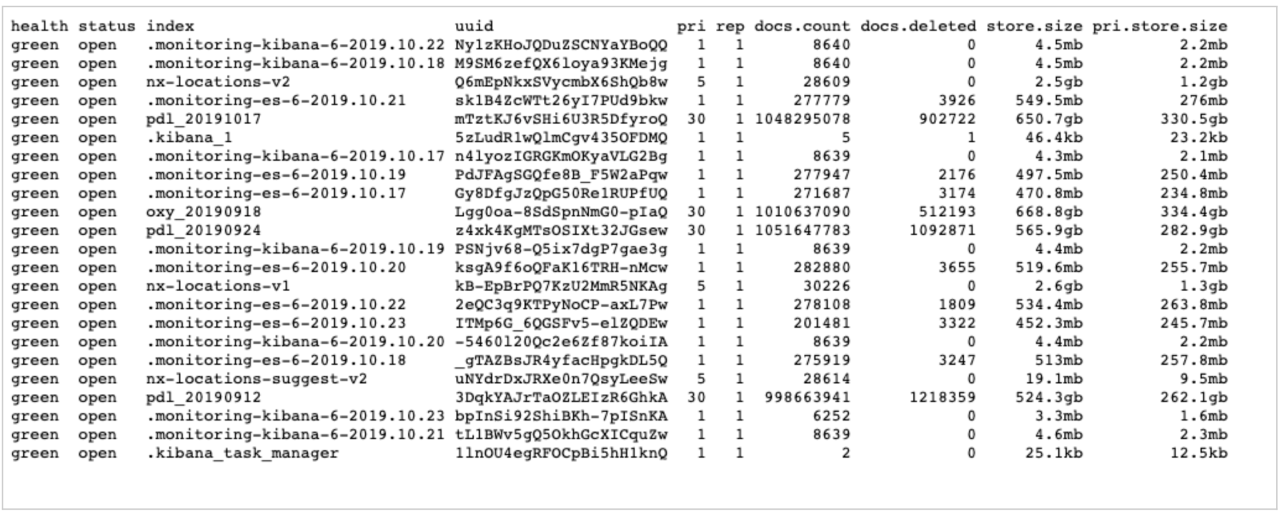
The massive data breach, exceeding 8.5 billion records, underscores the escalating threat landscape in the digital age. This incident highlights the vulnerability of even the most sophisticated systems and demands a proactive and comprehensive approach to cybersecurity. The long-term implications extend beyond the immediate impact on affected parties, influencing the very fabric of how we interact with technology and data.
Long-Term Implications on the Cybersecurity Landscape
The scale of this breach will undoubtedly reshape the cybersecurity industry. Organizations will be forced to adopt more robust security measures, including advanced threat detection systems, multi-factor authentication, and improved data encryption protocols. This shift towards enhanced security will likely lead to increased investment in cybersecurity infrastructure and expertise. The breach also compels a critical examination of current security practices, potentially leading to stricter regulatory frameworks and international collaboration on cybercrime.
Potential for Similar Breaches in the Future
The potential for future breaches of this magnitude remains high. The ease with which attackers can exploit vulnerabilities, coupled with the continuous evolution of cybercrime tactics, suggests a concerning trend. Sophisticated attacks targeting critical infrastructure, financial institutions, and government agencies are increasingly prevalent, demanding constant vigilance and proactive measures to mitigate risks. The ongoing development of new attack vectors, such as AI-powered phishing and ransomware, further complicates the landscape.
Importance of International Cooperation in Combating Cybercrime
Effective cybercrime prevention requires international cooperation. Sharing information on emerging threats, developing joint strategies, and harmonizing legal frameworks across borders are crucial. The global nature of the internet necessitates a collective response to deter malicious actors. International cooperation can establish a more unified front in combating cybercrime, leading to a safer digital environment.
Key Takeaways for Preventing Similar Breaches, Ibm says more than 8 5 billion records were leaked in cyber attacks
- Proactive Security Measures: Implementing robust security protocols, such as multi-factor authentication, intrusion detection systems, and regular security audits, is paramount. Failure to adapt to new threats and vulnerabilities leads to higher risks of breaches.
- Vulnerability Management: Regularly identifying and patching vulnerabilities in software and hardware is essential. Proactive management of vulnerabilities reduces the attack surface and minimizes the risk of exploitation.
- Employee Training: Cybersecurity awareness training for employees is critical. Educating staff about phishing scams, social engineering tactics, and safe online practices significantly reduces the risk of successful attacks. Phishing attacks often exploit human weaknesses and lack of cybersecurity awareness.
- Data Encryption and Protection: Robust data encryption protocols are crucial for protecting sensitive information. Protecting data at rest and in transit safeguards against unauthorized access and manipulation.
Recommendations for Improving Global Cybersecurity Standards
| Recommendation | Rationale |
|---|---|
| Harmonized Legal Frameworks: International collaboration to establish and enforce consistent legal frameworks against cybercrime is crucial. | Standardized laws will provide a common basis for prosecution and deter malicious actors. |
| Enhanced Information Sharing: Establish secure channels for sharing threat intelligence and best practices among nations. | Early warning systems and collaborative responses will minimize the impact of attacks. |
| Cybersecurity Education and Awareness: Promote cybersecurity education and awareness programs globally. | Empowering individuals with knowledge about cyber threats is a vital component of prevention. |
| Investment in Cybersecurity Research: Support research and development in emerging cybersecurity technologies and countermeasures. | Continuous innovation and development of cutting-edge defenses are essential. |
Illustrative Examples
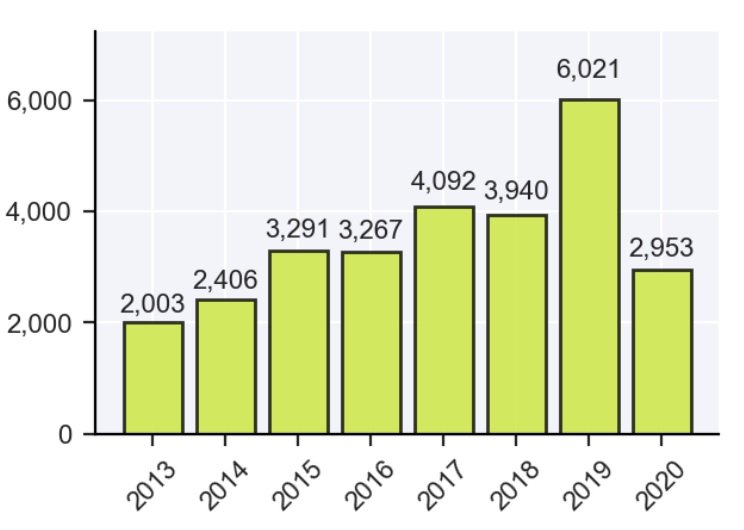
Understanding the diverse landscape of data breaches requires examining real-world scenarios. This section provides illustrative examples of various breaches, their impacts, and successful investigation methods. It also explores the different types of cybersecurity insurance available and a hypothetical response plan.
IBM’s recent report highlighting over 8.5 billion records leaked in cyberattacks is a stark reminder of the pervasive threat. This massive data breach underscores the critical need for robust security measures. Thankfully, understanding vulnerabilities like those detailed in the Azure Cosmos DB Vulnerability Details can help mitigate risks. Ultimately, the sheer scale of the IBM report emphasizes the importance of staying vigilant against these ever-evolving cyber threats.
Data Breach Scenarios and Impacts
Data breaches manifest in many forms, each with unique consequences. Analyzing these scenarios highlights the critical need for proactive security measures.
| Scenario | Type of Data Breached | Impact | Example |
|---|---|---|---|
| Phishing Campaign | Customer login credentials, financial data | Financial losses, reputational damage, legal liabilities | A company’s email system is compromised, leading to a phishing campaign that targets customer accounts, resulting in stolen login credentials and financial information. |
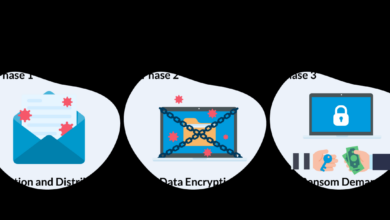
| Ransomware Attack | Company databases, customer data | Operational disruption, financial losses, reputational damage | A hospital’s network is infected with ransomware, encrypting patient records and demanding a ransom to restore access. |
| Malware Infection | Sensitive corporate information, intellectual property | Data loss, operational disruption, financial losses, reputational damage | A software update installs malicious software, giving access to sensitive corporate information and intellectual property. |
| Insider Threat | Confidential business documents, customer information | Financial losses, legal liabilities, reputational damage | An employee with access to sensitive data intentionally leaks information to competitors or malicious actors. |
Types of Data Breaches
Data breaches are categorized by the methods employed. Recognizing these types aids in implementing tailored security measures.
IBM’s announcement about over 8.5 billion records leaked in cyberattacks is incredibly concerning. While this highlights the escalating threat of data breaches, it’s also important to note that the Department of Justice Offers Safe Harbor for MA Transactions here. This could potentially offer some level of protection, but it’s still critical to address the underlying issue of these massive breaches, and understand the root causes of the ongoing cyberattacks.
| Type of Breach | Description | Example |
|---|---|---|
| Ransomware | Malicious software that encrypts data and demands a ransom for its release. | A hospital’s network is encrypted, and the attackers demand payment for decryption. |
| Phishing | Deceptive emails or websites designed to trick individuals into revealing sensitive information. | A user receives an email that appears to be from their bank, asking them to update their login credentials. |
| Malware | Malicious software that infiltrates a system to steal data, disrupt operations, or cause damage. | Spyware secretly collects sensitive data from a computer. |
| SQL Injection | A technique used to exploit vulnerabilities in database systems to gain unauthorized access. | A malicious actor inserts code into a website’s database query to extract sensitive information. |
Successful Data Breach Investigations
Successful investigations often involve a multi-faceted approach. Examining these investigations provides valuable insights.
Investigative measures commonly include forensic analysis of affected systems, tracing the origin of the breach, and identifying vulnerabilities. Thorough documentation and collaboration among internal teams, external experts, and law enforcement are crucial.
Cybersecurity Insurance
Cybersecurity insurance policies offer financial protection against various threats. Different types of coverage are available.
- First-party coverage: This type of coverage helps companies with the costs of recovering from a data breach, including incident response costs, legal fees, and notification costs.
- Third-party coverage: This type of coverage protects companies from legal liabilities arising from a data breach, including fines, settlements, and legal expenses.
Hypothetical Data Breach Response Plan
“Proactive planning is essential for effective incident response.”
A hypothetical data breach response plan involves several key steps:
- Immediate Response: Contain the breach, isolate affected systems, and prevent further damage. This step involves securing the network and implementing safeguards.
- Investigation: Determine the cause, scope, and extent of the breach. This step requires a forensic analysis of the compromised systems and identification of vulnerabilities.
- Notification: Notify affected individuals and relevant authorities about the breach, ensuring compliance with regulations.
- Remediation: Repair the affected systems, strengthen security measures, and implement preventative measures to prevent future breaches. This step includes patching vulnerabilities, upgrading security protocols, and implementing multi-factor authentication.
- Recovery: Restore operations and data, minimize business disruption, and regain customer trust. This step involves rebuilding trust with affected parties, handling legal liabilities, and enhancing the company’s security posture.
Closing Summary
The massive data leak reported by IBM underscores the urgent need for enhanced cybersecurity measures across all sectors. From individual users to multinational corporations, everyone needs to take proactive steps to protect their data. The implications of this breach extend far beyond the immediate victims, impacting the entire cybersecurity landscape and demanding international cooperation to combat the ever-evolving threat of cybercrime.
Learning from past mistakes and implementing best practices will be essential to prevent similar catastrophic breaches in the future.
User Queries
What types of data were potentially compromised?
Unfortunately, the exact types of data compromised aren’t specified in the provided Artikel. Further investigation and reporting from IBM would be needed to determine the nature of the leaked information.
What steps should organizations take to mitigate future risks?
Implementing robust security protocols, conducting regular vulnerability assessments, and providing comprehensive employee training are essential. Furthermore, investing in advanced security technologies and adopting a proactive incident response plan are crucial.
What are the legal implications of such a large-scale breach?
Depending on the jurisdiction and the nature of the compromised data, affected organizations may face significant legal and regulatory ramifications, including fines, lawsuits, and reputational damage.
How does this breach compare to previous major data breaches?
The Artikel does not include specific details for comparison. However, the scale of this breach (8.5 billion records) places it among the most significant data breaches in history, highlighting the ongoing threat of cyberattacks.