Is Banning Chinese Products Working?
Is banning Chinese products in the name of national security working for countries? This complex issue dives deep into the intricate web of global trade, national security concerns, and economic repercussions. We’ll explore the justifications for these bans, analyzing the potential economic, political, and social impacts for both the banning countries and China.
The core of the debate revolves around the perceived national security risks associated with Chinese products, ranging from technological dependencies to potential vulnerabilities. This examination will also delve into alternative strategies to address these concerns without resorting to complete trade restrictions.
National Security Concerns Regarding Products: Is Banning Chinese Products In The Name Of National Security Working For Countries
The global landscape of international trade is increasingly intertwined with complex national security considerations. Countries are scrutinizing the supply chains of critical goods, particularly those from nations perceived as posing a potential threat to their security. This scrutiny often leads to restrictions and bans on certain products, with the justification of protecting national interests.Countries frequently cite the potential for malicious actors or foreign governments to exploit vulnerabilities within imported products to gain access to sensitive infrastructure or technologies.
This concern spans various sectors, from telecommunications and computing to manufacturing and defense. The underlying assumption is that foreign entities may leverage these vulnerabilities to compromise national security.
Justifications for Banning Chinese Products
Countries often cite national security as the primary justification for banning Chinese products. The argument rests on the idea that China’s growing technological capabilities and economic influence pose a risk to national security. This concern is amplified by perceived instances of intellectual property theft, forced technology transfer, and the potential for espionage.
Types of Products Targeted by Bans
The types of products targeted by these bans are diverse, reflecting the breadth of technologies that are considered critical to national security. These products fall into several categories, each representing a potential vulnerability.
- Telecommunications Equipment: Countries are particularly concerned about the potential for backdoors or vulnerabilities in telecommunications infrastructure, which could allow for surveillance or disruption of critical communication networks. Examples include 5G infrastructure, network routers, and switching equipment. These concerns are driven by worries about potential espionage or the ability to disrupt communication systems during crises.
- Computing Hardware and Software: The concern extends to computer hardware and software, where vulnerabilities could allow for unauthorized access to sensitive data or the manipulation of critical systems. This includes servers, cloud computing services, and operating systems. The fear is that these vulnerabilities could compromise national security infrastructure, such as government databases or military networks.
- Manufacturing Equipment: Advanced manufacturing equipment, including machinery used in critical sectors like aerospace or defense, can also be a target. This is due to the possibility that foreign governments could gain access to designs, technologies, or intellectual property through this route.
- Medical Technology: Concerns arise about potential vulnerabilities in medical devices and technologies, especially those related to health records and diagnostics. A foreign actor gaining access to these technologies could potentially compromise patient data or tamper with critical medical systems.
Technological Advancements and Dependencies
Countries are increasingly reliant on technological advancements, especially those coming from China. This reliance is causing a reassessment of these dependencies, with concerns about the implications for national security. These dependencies raise concerns about the potential for foreign entities to exploit these relationships to their advantage. For example, the increasing reliance on cloud-based services from certain Chinese companies raises the specter of data breaches or disruptions to critical services.
The debate around banning Chinese products for national security reasons is complex. While concerns about potential vulnerabilities are valid, a recent report on Azure Cosmos DB Vulnerability Details highlights the broader cybersecurity landscape and the need for robust security measures across the board, not just targeting specific countries. Ultimately, the effectiveness of these bans in achieving national security goals remains questionable, and a more nuanced approach is likely needed.
Methods of Threatening National Security
The methods through which these products are believed to pose a threat to national security are multifaceted.
- Espionage: The fear is that Chinese companies might be compelled or incentivized to provide access to sensitive data or technologies through espionage.
- Malicious Code: The potential for the insertion of malicious code or software within products is a significant concern. This could allow for unauthorized access to networks or data, disrupting critical operations.
- Data Extraction: The concern extends to the potential for data extraction from sensitive products, potentially revealing valuable intellectual property or compromising national security interests.
- Supply Chain Manipulation: The potential for malicious actors to exploit supply chains to insert vulnerabilities or manipulate the quality of components is a considerable threat. This could compromise the integrity of critical systems.
Potential Vulnerabilities of Chinese Technologies
| Technology Category | Specific Product/Technology | Potential Vulnerability |
|---|---|---|
| Software | Certain Chinese operating systems | Backdoors or malicious code within the software allowing unauthorized access or manipulation of data. |
| Hardware | Network equipment from Chinese vendors | Embedded vulnerabilities in routers or switches, enabling unauthorized access or data interception. |
| Materials | Rare earth elements from China | Dependence on Chinese supply chains for critical materials could lead to disruptions in production. |
| Cloud Services | Chinese cloud platforms | Potential for unauthorized access to sensitive data or manipulation of data stored in these platforms. |
Economic Impacts of Bans

Restricting the import of Chinese goods, often cited as a national security measure, carries significant economic ramifications for both the imposing country and China. The potential for disruptions to global supply chains and the complexities of finding alternative sources of supply cannot be understated. This analysis delves into the multifaceted economic consequences of such bans, exploring potential impacts on the banning country, China, and the broader global trade landscape.Economic repercussions extend beyond immediate trade figures, affecting industries reliant on Chinese components or manufacturing processes.
The long-term effects, such as the potential for increased costs for consumers and reduced innovation, require careful consideration. This analysis aims to provide a balanced perspective, exploring both the potential benefits and drawbacks of such policies.
Potential Economic Consequences for the Banning Country
The banning country faces a complex array of potential economic challenges. Increased costs for consumers are a likely outcome as alternative sources may not be as readily available or as cost-effective. Industries heavily reliant on Chinese imports might experience significant disruptions in their supply chains, potentially leading to production slowdowns or even closures. The availability of alternative sources will play a crucial role in mitigating these negative impacts.
The debate around banning Chinese products for national security reasons is complex. While the intentions might seem justifiable, the real-world impact is still uncertain. Perhaps a better approach lies in developing robust security measures for technology, like Deploying AI Code Safety Goggles Needed to ensure our own code and systems are secure. Ultimately, the effectiveness of these bans remains a crucial question, and a thorough analysis is needed to evaluate their true benefits and potential drawbacks for global trade.
Potential Economic Consequences for China
China, as a major exporter, would inevitably face economic losses if significant markets restrict its products. Reduced demand for Chinese goods could lead to job losses in export-oriented industries and potentially impact economic growth. The potential for retaliatory measures from China should also be considered, which could further complicate the economic landscape.
Alternative Sources of Supply and Viability
Finding alternative sources for Chinese products is a significant undertaking. The feasibility of replacing Chinese goods hinges on factors such as the availability of similar products from other countries, the production capacity of alternative suppliers, and the cost-effectiveness of sourcing from these new markets. Identifying and qualifying new suppliers is a time-consuming and resource-intensive process.
Examples of Supply Chain Impacts
Numerous industries rely on Chinese components for various products, from electronics to automobiles. A ban could disrupt these supply chains, leading to shortages of crucial parts and potentially impacting production timelines and costs. The ripple effects could extend across multiple sectors, impacting the global economy. For example, a ban on Chinese-made microchips could severely impact electronics manufacturers globally.
Comparison of Different Approaches to Banning Chinese Products
Different approaches to restricting Chinese products may have varying economic consequences. A gradual phasing-out approach, for instance, could minimize immediate disruptions but might still lead to higher prices and economic hardship for industries dependent on Chinese inputs. An abrupt ban could create immediate and potentially significant disruptions, but might not have the same long-term effects.
Economic Costs and Benefits of Banning Chinese Products
| Factor | Banning Chinese Products | Maintaining Trade Relations |
|---|---|---|
| Consumer Costs | Potentially higher prices for consumers due to limited alternatives | Stable, predictable pricing |
| Supply Chain Disruptions | Significant disruptions in supply chains | Stable supply chains |
| Economic Growth | Potentially slower economic growth due to supply chain issues | Potential for sustained economic growth through trade |
| National Security Concerns | Potential mitigation of national security concerns | Maintenance of existing trade relationships |
| Global Trade Relations | Potential strain on global trade relationships | Maintenance of stable global trade relationships |
Political Implications
The escalating geopolitical tensions and economic competition between nations have led to a surge in protectionist measures, including the selective banning of Chinese products. These actions are not solely economic; they are deeply intertwined with political motivations, often rooted in strategic competition and a desire to project national strength. The implications extend far beyond trade, potentially fracturing international alliances and setting the stage for a new era of global conflict.The bans on Chinese products are not merely about economic self-interest; they are a reflection of a broader struggle for global power and influence.
Countries are increasingly looking to limit their reliance on China for critical technologies and goods, fearing strategic vulnerabilities. This necessitates a re-evaluation of global supply chains and a rebalancing of economic partnerships, with potentially significant long-term consequences.
Motivations Behind the Bans
The decisions to ban Chinese products are often justified by concerns over national security. These concerns, however, often intersect with geopolitical tensions and strategic competition. For example, fears about intellectual property theft and the potential for forced technology transfers are frequently cited. However, the bans also serve as a means to assert national sovereignty and project strength on the world stage.
Furthermore, some bans might be aimed at supporting domestic industries and reducing reliance on foreign suppliers.
Potential for Escalation of International Disputes
Bans on Chinese products have the potential to escalate international disputes and spark trade wars. Retaliatory measures from China are highly probable, leading to reciprocal restrictions on imports and exports. This escalation could ripple through global markets, impacting supply chains, raising prices, and harming businesses across the world. Past trade disputes between the US and China offer a relevant precedent for the potential consequences of such retaliatory actions.
Impact on Diplomatic Relations
These actions can significantly affect diplomatic relations between countries. The bans can be perceived as hostile acts, straining existing partnerships and potentially leading to the isolation of specific nations. This is particularly true when the bans target countries that are heavily reliant on Chinese trade. Furthermore, the actions might create mistrust and suspicion between nations, hindering cooperation on crucial global issues.
The debate around banning Chinese products for national security reasons is complex. While some argue it protects domestic industries, others question its effectiveness. A recent development, like the Department of Justice Offers Safe Harbor for MA Transactions ( Department of Justice Offers Safe Harbor for MA Transactions ), highlights the intricate legal and economic considerations involved. Ultimately, the long-term impact of these bans on global trade and national security remains to be seen.
Protectionism as a Justification
The bans on Chinese products are sometimes framed as measures to protect national industries and jobs. This narrative, however, often masks the underlying political and strategic motivations. The protectionist approach can harm consumers by limiting choice and driving up prices. It also risks isolating the countries that adopt such policies from the global economy.
Justification and Impact on International Relations
| Justification | Potential Impact on International Relations |
|---|---|
| National Security Concerns (e.g., technology theft, forced technology transfer) | Heightened geopolitical tensions, potential for trade wars, strained diplomatic relations, and a possible rise in protectionism. |
| Geopolitical Competition (e.g., asserting national strength, challenging China’s influence) | Escalation of international disputes, isolation of countries, and mistrust among nations. |
| Economic Self-Sufficiency (e.g., reducing reliance on foreign suppliers, boosting domestic industries) | Potential for trade wars, negative impacts on global trade and supply chains, and increased economic instability. |
Social and Societal Effects
National security concerns often lead to restrictions on trade, but these actions have far-reaching consequences that extend beyond the geopolitical arena. The societal implications of product bans, particularly those targeting goods from specific countries, are complex and multifaceted, impacting consumers, industries, and the overall economic landscape. Understanding these effects is crucial for evaluating the true cost of such measures.The ripple effect of bans on Chinese products can be profound.
From job losses in affected industries to shifts in consumer purchasing habits, the consequences are often felt at a grassroots level. This section delves into the social and economic impacts, providing a framework for understanding the human cost behind national security decisions.
Impact on Consumers
Consumer choice is often significantly limited by product bans. Consumers may find themselves unable to access certain products, potentially leading to higher prices for substitute goods or a reduced variety of options. This can be particularly challenging for those who rely on affordable products from the targeted countries. For example, a ban on affordable electronics from China might force consumers to seek more expensive alternatives from other countries, increasing the cost of daily necessities.
Impact on Industries
Industries reliant on Chinese imports face substantial disruption. Manufacturing, technology, and consumer goods sectors are often heavily interconnected, and a ban can disrupt supply chains, leading to production delays and potential job losses. The automotive industry, for instance, heavily depends on Chinese-made parts and components. A ban could cause significant delays in production and potentially lead to job losses in the automotive sector.
Potential for Job Losses and Economic Disruption
Product bans can trigger a cascade of job losses across various industries. Workers in manufacturing, logistics, and retail sectors can be affected as companies adjust to new supply chains and market conditions. This economic disruption can have broader implications, affecting communities and regional economies. For example, the closure of a major factory due to supply chain issues related to a product ban could result in widespread job losses and a decline in the local economy.
Impact on Innovation and Technological Advancement, Is banning chinese products in the name of national security working for countries
Technological advancement often relies on international collaboration and the free exchange of goods and technology. Bans can stifle innovation by limiting access to certain components, materials, and expertise. This can hinder the development of new products and services, potentially slowing down progress in specific sectors. For example, a ban on certain Chinese-manufactured semiconductors could hinder the development of new technologies and products that depend on these components.
Potential Impact on Specific Sectors
| Sector | Potential Impact |
|---|---|
| Technology | Disruptions in supply chains for components and manufacturing, potential delays in product development, reduced access to certain technologies. |
| Manufacturing | Increased costs due to sourcing alternatives, potential for job losses in import-dependent sectors, disruptions in production timelines. |
| Consumer Goods | Reduced variety of products, potential price increases for substitute goods, challenges in maintaining competitive pricing. |
Alternative Strategies for Addressing Concerns
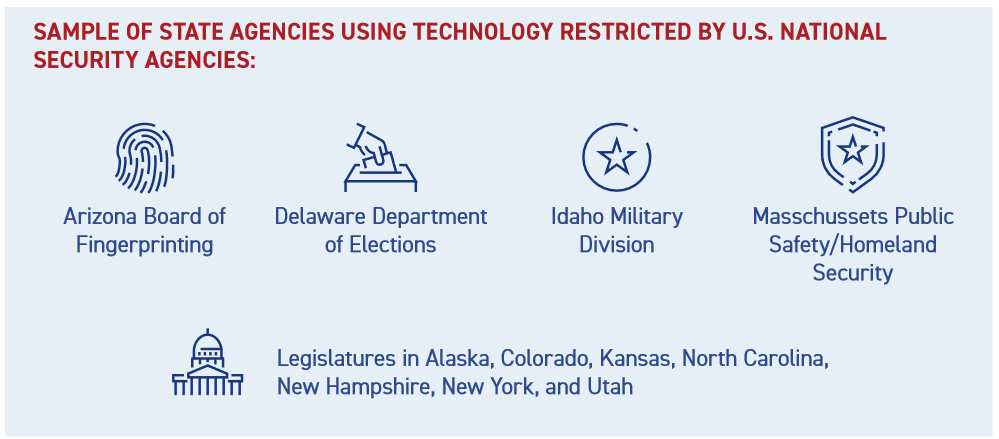
Navigating the complex interplay of national security and economic interdependence requires strategies beyond outright bans. A more nuanced approach is necessary to address concerns about Chinese products without jeopardizing global supply chains and economic stability. This involves a multifaceted strategy that encompasses diversification, enhanced security measures, and international cooperation.A blanket ban on Chinese products, while seemingly addressing immediate security concerns, often comes with significant drawbacks.
The disruption to global trade and the potential for economic instability outweigh the perceived short-term gains. Exploring alternative strategies that address security risks while minimizing economic disruption is crucial.
Diversifying Supply Chains
Diversification of supply chains is a crucial step in mitigating reliance on any single nation for critical products. This involves actively seeking alternative sources for raw materials, components, and finished goods. Countries should identify and develop relationships with suppliers in other regions, potentially fostering partnerships with nations that share similar values and security standards. This reduces vulnerability to potential disruptions and enhances resilience in the face of geopolitical uncertainties.
- Identify alternative suppliers: This necessitates thorough research and analysis to identify reliable and trustworthy suppliers in diverse geographical locations. Countries should prioritize quality, ethical sourcing, and environmental sustainability in their selection process.
- Invest in domestic production: Supporting domestic manufacturing of critical goods reduces dependence on external sources. Government incentives, research funding, and workforce training programs can foster domestic production capacity and ensure a resilient supply chain.
- Strengthen regional partnerships: Collaborative efforts with neighboring countries can facilitate the development of regional supply chains. This allows for more efficient and secure access to resources and expertise.
Promoting Domestic Production
Promoting domestic production is a crucial element in reducing reliance on foreign sources. Government incentives, subsidies, and tax breaks can encourage domestic industries to produce critical goods, thereby increasing self-sufficiency. Investments in research and development can drive innovation and technological advancement in these domestic sectors. Developing domestic capabilities in critical areas like semiconductors and advanced materials can enhance national security and reduce vulnerability.
- Government incentives: Tax breaks, subsidies, and grants can stimulate domestic production by reducing the cost of production and increasing profitability.
- Investment in R&D: Funding research and development in critical sectors can foster innovation and technological advancement, creating new domestic capabilities.
- Education and training programs: Workforce training programs focused on critical sectors will help to meet the demands of the growing domestic industry.
Enhancing Cybersecurity Measures
Robust cybersecurity measures are vital to mitigate risks associated with Chinese products. Implementing stringent security protocols for all products, regardless of origin, is crucial. Regular vulnerability assessments, penetration testing, and incident response planning are essential components of a comprehensive cybersecurity strategy. International cooperation in sharing threat intelligence and best practices is paramount in fostering a secure digital environment.
- Secure product development: Employing rigorous security standards throughout the product lifecycle, from design to deployment, helps to minimize vulnerabilities.
- Enhance supply chain security: Implementing comprehensive security measures across the entire supply chain ensures that potential threats are identified and addressed effectively.
- Strengthen collaboration with allies: Sharing threat intelligence and best practices with allied nations can enhance the collective ability to combat cyber threats.
International Cooperation and Partnerships
International cooperation is essential in addressing security concerns related to Chinese products. Sharing best practices, intelligence, and resources across nations can create a more resilient and secure global environment. Developing international standards and protocols for cybersecurity and supply chain security can help to establish a common framework for addressing risks.
- Joint security assessments: Collaborative efforts between nations to assess the security risks associated with specific products and technologies can identify potential vulnerabilities.
- Information sharing: Establishing channels for sharing intelligence and best practices on cybersecurity threats related to Chinese products is crucial.
- Multilateral agreements: International agreements can establish standards for supply chain security and cybersecurity, promoting a more secure global environment.
Alternative Strategies Table
| Strategy | Pros | Cons |
|---|---|---|
| Diversifying Supply Chains | Reduces reliance on a single supplier, enhances resilience, fosters economic diversification | Requires significant investment, may be time-consuming, potential challenges in finding suitable alternatives |
| Promoting Domestic Production | Increases national self-sufficiency, creates jobs, fosters innovation | Can be costly, may face initial challenges in scaling up production |
| Enhancing Cybersecurity Measures | Reduces vulnerabilities, protects sensitive data, enhances national security | Requires significant investment in technology and expertise, potential for bureaucratic hurdles |
| International Cooperation | Facilitates information sharing, fosters best practices, strengthens global security | May face challenges in consensus-building, potential for differing priorities among nations |
International Relations Implications
The decision by some nations to impose bans on Chinese products carries significant international implications, potentially disrupting global trade patterns and challenging the existing economic order. These actions have far-reaching consequences for international cooperation and the stability of the global economy, prompting diverse reactions and analyses of their effectiveness. This section delves into the multifaceted effects of such bans on the international stage.The implementation of trade restrictions, especially those targeting a major global economic player like China, can have ripple effects across various sectors.
Supply chains are complex webs of interconnected industries, and disruptions in one area can quickly spread to others. This interconnectedness underscores the fragility of the global economy and the potential for cascading effects from seemingly isolated actions.
International Ramifications for Global Trade
Global trade relies on interconnected supply chains. Bans on Chinese products can disrupt these chains, potentially leading to shortages of components, increased costs for consumers, and reduced production capacity for businesses reliant on those imports. For example, the recent semiconductor shortages highlighted the vulnerabilities inherent in relying on a single source for critical components. These disruptions can also impact developing nations heavily reliant on Chinese imports for raw materials and manufactured goods.
Impact on International Cooperation and the Rules-Based Order
Trade restrictions can undermine international cooperation. These actions can be seen as violations of existing trade agreements, potentially escalating tensions between nations and creating a precedent for unilateral actions. This could weaken the rules-based order that governs global trade, making it more difficult to resolve disputes and foster cooperation in the future. The World Trade Organization (WTO) plays a crucial role in mediating such disputes, and its effectiveness in addressing such issues will be tested.
Comparative Analysis of International Responses
International responses to these bans vary significantly. Some nations might support the bans, citing national security concerns, while others may criticize them for disrupting global trade and harming their own economies. Developing countries may be particularly vulnerable to the negative consequences of these restrictions, as they often rely on trade with China for economic growth.
Influence on the Balance of Power
The implementation of bans on Chinese products can alter the balance of power in the international system. The economic consequences of these actions can affect the relative strengths of various nations, potentially empowering some and weakening others. For instance, countries that diversify their supply chains or develop alternative sources of certain products may gain an advantage in the long run.
Effectiveness of Bans: Diverse Perspectives
| Perspective | Supporting Arguments | Opposing Arguments |
|---|---|---|
| National Security Advocates | Protecting national security necessitates self-sufficiency and reducing dependence on foreign suppliers. | Trade restrictions can harm national economies and lead to shortages of essential goods. |
| Economic Protectionists | Protecting domestic industries from foreign competition is crucial for economic stability. | Trade restrictions can disrupt global supply chains and increase costs for consumers. |
| Free Trade Supporters | Unilateral trade restrictions violate international agreements and harm global economic growth. | National security concerns should be addressed through diplomatic and other means, not trade sanctions. |
| Developing Nations | Reduced access to Chinese products can hinder economic development and growth. | Alternative sources of supply may not be readily available or affordable. |
Epilogue
In conclusion, the debate surrounding banning Chinese products is multifaceted, with significant economic, political, and social implications for all involved. While national security concerns are undeniably important, the potential consequences of these bans on global trade and stability must be carefully considered. Ultimately, the effectiveness of these measures, and the potential for alternative solutions, remains a critical discussion point.
Questions and Answers
What are the specific types of Chinese products targeted by these bans?
Bans often target technology, including semiconductors, telecommunications equipment, and artificial intelligence software, as well as critical infrastructure components. The justification often cites potential vulnerabilities to national security or strategic competition.
How do these bans affect supply chains?
Bans disrupt established supply chains, leading to shortages, price increases, and potential production slowdowns. Finding alternative suppliers can be difficult and costly, with knock-on effects on global trade relationships.
What are the potential economic consequences for the banning country?
Economic consequences can include higher prices for consumers, reduced availability of goods, and potential job losses in sectors reliant on Chinese imports. The search for alternative sources can also be costly and time-consuming.
Are there any alternative strategies to address national security concerns without resorting to bans?
Yes, countries could explore diversifying their supply chains, investing in domestic production, and enhancing cybersecurity measures to mitigate risks associated with Chinese products while maintaining trade relations.