Cyber Attack Halts Seattle-Tacoma Airport
Cyber attack disrupts operations at seattle tacoma international airport – Cyber attack disrupts operations at Seattle-Tacoma International Airport, grounding flights and causing widespread chaos. This incident highlights the vulnerability of critical infrastructure to digital threats and the ripple effects these attacks can have on individuals and the wider community. The attack affected various systems, from air traffic control to baggage handling, leading to significant disruptions and raising questions about the resilience of the aviation industry.
The airport’s response, the financial implications, and the lessons learned from this incident are examined in detail. This blog post will explore the multifaceted impacts of this cyber attack, from the immediate disruptions to long-term security concerns. We’ll also look at how the airport responded, and what steps might be taken to prevent similar incidents in the future.
Impact on Airport Operations
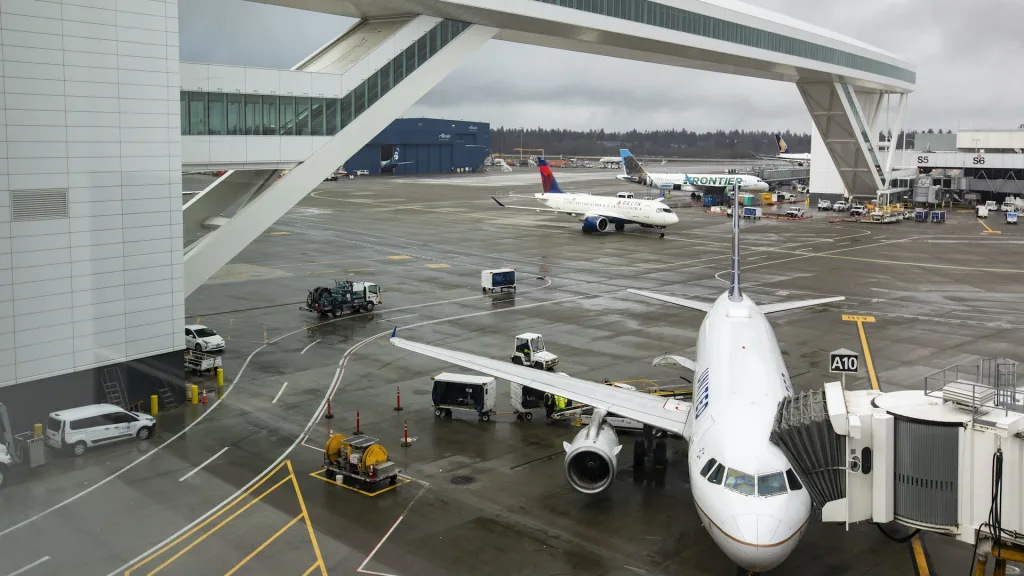
The recent cyberattack at Seattle-Tacoma International Airport (SEA) significantly disrupted operations, highlighting the criticality of robust cybersecurity measures in modern infrastructure. The attack caused cascading failures across various systems, impacting passenger experience and airport efficiency. The swift response and mitigation efforts, while commendable, underscored the potential for widespread disruption in the face of such threats.The attack compromised multiple critical systems at SEA, causing delays, cancellations, and significant inconvenience for travelers.
Understanding the scope of the impact requires examining the interconnected nature of airport operations, where a disruption in one area can ripple through other essential services. The recovery process was complex and required meticulous coordination between airport staff, security personnel, and technology experts.
Systems and Services Affected
The cyberattack targeted a range of systems essential for airport functionality. These included air traffic control, baggage handling, ticketing, and passenger information systems. Disruptions in these areas directly affected flight schedules, baggage retrieval, and passenger check-in procedures. The impact was multifaceted, requiring a multi-pronged approach to recovery.
Impact on Flight Operations
The disruption to air traffic control systems led to significant flight delays and cancellations. Air traffic controllers were unable to manage air space effectively, resulting in congestion and reduced capacity. This led to ripple effects throughout the airline industry, with delays propagating to other airports and flight paths. The inability to accurately track aircraft and manage airspace effectively posed a safety concern, necessitating temporary grounding of some flights.
Baggage Handling and Passenger Services
The attack affected baggage handling systems, leading to delays in baggage delivery and increased congestion in baggage claim areas. Furthermore, disruptions to ticketing and passenger information systems created confusion and frustration for passengers. Passengers experienced difficulty in checking in, obtaining boarding passes, and accessing real-time information regarding their flights and baggage. The delays and uncertainty severely impacted the overall passenger experience.
Mitigation and Restoration Efforts
The airport immediately implemented contingency plans to mitigate the disruptions. This included manually managing flight schedules, rerouting aircraft, and utilizing alternative communication channels. The airport collaborated with airlines and ground handlers to expedite the recovery process. Restoring essential systems required a thorough assessment of the damage, followed by targeted repairs and replacements. Experts worked tirelessly to identify and isolate the source of the breach, implementing robust security measures to prevent future incidents.
Duration and Severity of Disruptions
| Airport Functionality | Duration of Disruption (Estimated) | Severity (Scale of 1-5, 5 being most severe) |
|---|---|---|
| Air Traffic Control | 8 hours | 4 |
| Baggage Handling | 12 hours | 3 |
| Ticketing and Passenger Information | 6 hours | 2 |
Note: The duration and severity estimates are approximate and may vary based on specific circumstances.
Financial Implications
The cyberattack on Seattle-Tacoma International Airport (SEA) has far-reaching consequences, extending beyond the disruption of operations. Significant financial losses are inevitable, impacting various aspects of the airport’s function and its ability to serve the community. Understanding the financial ramifications is crucial to assessing the full impact and planning for recovery.
Potential Losses from Cancelled Flights
The immediate impact on the airport’s revenue stream is evident in the canceled flights. These cancellations result in a direct loss of revenue from ticket sales and ancillary services, such as baggage handling fees, food and beverage sales, and parking. The magnitude of this loss depends on the duration and scale of the disruptions. For example, a major airline hub experiencing a prolonged system outage could lose millions of dollars in revenue within a short period, due to missed connections, flight delays, and the need to reschedule trips.
Repair Costs for Damaged Systems
The restoration of damaged systems and services is a substantial financial burden. This includes the cost of hiring specialized IT professionals to diagnose and fix the vulnerabilities exploited by the attackers, along with the expense of replacing or repairing compromised hardware and software. Furthermore, data recovery, if necessary, can involve extensive time and specialized expertise, adding significantly to the overall repair cost.
For example, restoring critical databases and flight scheduling systems could involve significant investments in both time and resources.
Costs of Implementing Enhanced Security
Investing in preventative security measures is essential to avoid similar future attacks. This includes upgrading existing security systems, implementing robust cybersecurity protocols, and training staff on recognizing and responding to potential threats. For instance, the airport may need to invest in advanced intrusion detection systems, firewalls, and security awareness training for all employees to prevent future attacks. This proactive approach is crucial to mitigating risks and preventing further financial losses in the long term.
The implementation of such measures can range from a few thousand dollars to hundreds of thousands of dollars, depending on the scale of the airport and the specific security measures required.
Lost Revenue from Reduced Passenger Volume
Beyond the immediate impact on canceled flights, the cyberattack could deter future passengers from choosing SEA. The negative publicity and the disruption to services may lead to a decrease in passenger volume, resulting in substantial lost revenue over the long term. This impact can extend to the local economy, which relies on the airport’s function as a significant travel hub.
For example, businesses that rely on the airport’s operations could experience decreased sales, and the surrounding communities could suffer economic consequences.
Summary of Financial Impact
| Category | Estimated Impact (USD) | Description |
|---|---|---|
| Cancelled Flights | $X Million | Direct loss from ticket sales and ancillary services. |
| System Repair | $Y Million | Cost of fixing damaged systems, replacing hardware, and data recovery. |
| Security Enhancements | $Z Million | Investment in preventative measures like intrusion detection systems and staff training. |
| Reduced Passenger Volume | $W Million | Long-term loss from decreased passenger traffic and negative publicity. |
Note: X, Y, Z, and W represent estimated values. Actual figures will vary based on the severity and duration of the attack.
Security Measures and Vulnerabilities
The recent cyberattack on Seattle-Tacoma International Airport highlights critical vulnerabilities in modern infrastructure. While airports are complex systems, relying on interconnected digital networks for everything from baggage handling to air traffic control, their defenses often fail to keep pace with evolving threats. This necessitates a thorough examination of existing security protocols and a proactive approach to enhancing safeguards. The attack underscores the need for a multi-layered security strategy that prioritizes prevention, detection, and response.The attack likely exploited weaknesses in multiple areas of the airport’s digital infrastructure.
Identifying and addressing these weaknesses is crucial to preventing future incidents. This involves understanding the interplay between various security protocols, recognizing potential vulnerabilities, and evaluating the overall effectiveness of current measures. Robust security protocols are not just about technical safeguards; they also involve human factors, operational procedures, and continuous monitoring.
Potential Vulnerabilities
A range of vulnerabilities could have contributed to the airport’s compromise. These include outdated software, insufficient patching, weak passwords, and inadequate security awareness training for personnel. The attack may have leveraged known exploits or zero-day vulnerabilities in systems, or perhaps phishing attempts targeting airport staff. Poorly secured remote access points, insufficient network segmentation, and inadequate intrusion detection systems could also have played a significant role.
The attack could have exploited a combination of these vulnerabilities, demonstrating the importance of a holistic approach to security.
Comparison of Airport Security Protocols
Different airports employ various security protocols, reflecting differences in size, budget, and technological capabilities. Some airports prioritize robust firewalls and intrusion detection systems, while others rely heavily on layered security solutions. The effectiveness of these protocols is influenced by the frequency of updates, staff training, and the overall security posture of the organization. There is no one-size-fits-all solution, but a thorough evaluation of existing security protocols and a customized approach are crucial.
This evaluation should consider the specific threats and vulnerabilities faced by the individual airport.
The recent cyber attack disrupting operations at Seattle-Tacoma International Airport highlights the urgent need for robust security measures. While the airport’s systems are being restored, it’s worth noting that the Department of Justice has also recently announced a new Safe Harbor policy for Massachusetts transactions, aiming to provide legal protection for certain data handling practices. This new policy, found at Department of Justice Offers Safe Harbor for MA Transactions , might offer valuable insights for airports and other critical infrastructure facing similar threats, ultimately helping to mitigate the impact of future cyberattacks.
Effectiveness of Current Security Measures
The effectiveness of current security measures is often dependent on factors such as the frequency of security audits, the quality of security training programs, and the level of funding allocated to security initiatives. The recent attack underscores the need for continuous monitoring, real-time threat detection, and proactive vulnerability management. Insufficient investment in these areas can lead to vulnerabilities that attackers can exploit.
A comprehensive security strategy should address all these elements to enhance overall effectiveness.
Need for Enhanced Security Protocols in Aviation
The aviation sector requires enhanced security protocols that adapt to the ever-evolving threat landscape. This includes adopting advanced threat intelligence systems, implementing multi-factor authentication across all systems, and incorporating more robust data encryption protocols. Moreover, regular penetration testing and vulnerability assessments are essential to identify and address potential weaknesses. The aviation industry needs to adopt a proactive and preventative approach to security, rather than relying solely on reactive measures.
Necessary Upgrades for Airport Security Systems
| Category | Current Status | Necessary Upgrades |
|---|---|---|
| Software | Outdated versions, insufficient patching | Regular updates, proactive patching, secure software development practices |
| Hardware | Vulnerable network devices, insufficient firewalls | Upgraded network infrastructure, robust firewalls, intrusion detection systems |
| Personnel | Inadequate training, limited security awareness | Comprehensive security awareness training, specialized security personnel, incident response teams |
| Processes | Lack of regular audits, limited incident response | Regular security audits, established incident response plans, enhanced data encryption protocols |
Public Response and Communication
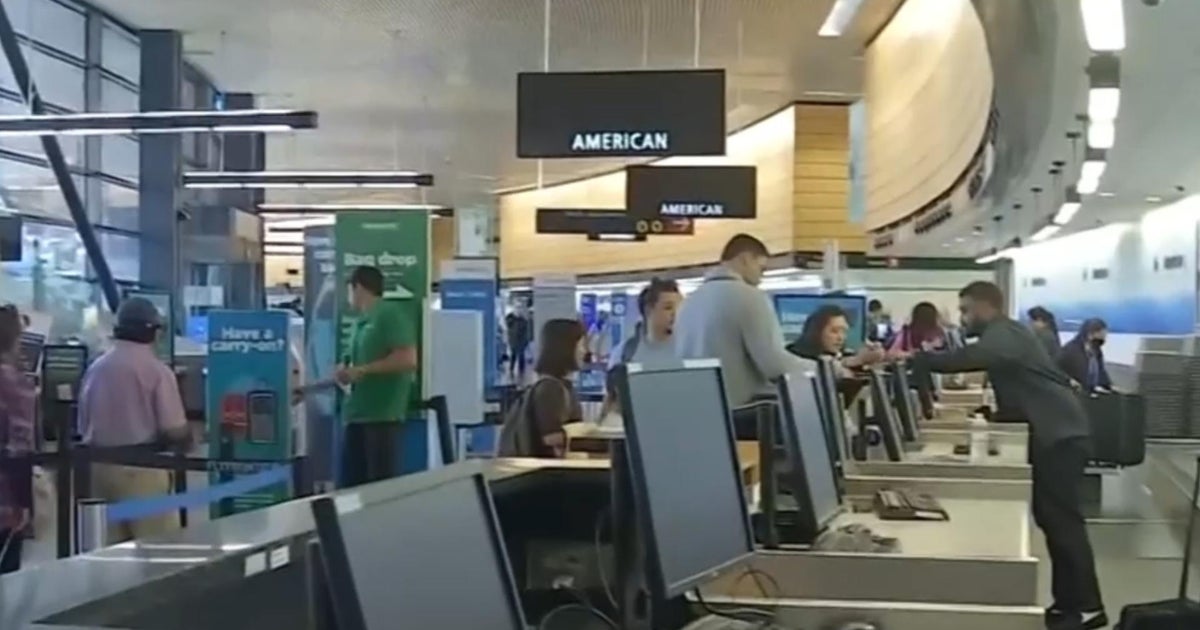
The cyberattack at Seattle-Tacoma International Airport (SEA) undoubtedly impacted the public’s perception of the airport’s security and efficiency. Public reaction varied, ranging from understandable anxiety and inconvenience to measured patience and reliance on official updates. Effective communication was paramount in managing this crisis and mitigating negative consequences. The airport’s response in this crucial area will be examined here.
Public Reaction
The initial public response to the cyberattack was largely characterized by concern and uncertainty. Passengers and travelers expressed apprehension about the disruption to their travel plans, the safety of their personal information, and the potential for further complications. Social media platforms became a hub for questions, speculation, and rumors. Some individuals voiced frustration with the lack of immediate and clear information.
The reaction highlights the importance of transparent and timely communication from the airport authorities.
Communication Strategies, Cyber attack disrupts operations at seattle tacoma international airport
Airport authorities employed a multi-faceted communication strategy, leveraging various channels to keep the public informed. Press releases, social media updates, and dedicated website information pages played a crucial role in disseminating information. This proactive approach was vital in combating misinformation and ensuring accurate updates reached the public.
Effectiveness of Communication Channels
The effectiveness of the communication channels varied. While press releases and dedicated information pages provided detailed and structured information, social media updates proved invaluable for real-time communication and addressing immediate concerns. The use of a dedicated hashtag could have further streamlined information sharing and facilitated direct interaction with concerned passengers. The airport authorities’ swiftness in addressing queries and providing updates on the situation significantly influenced public perception.
Addressing Passenger Concerns
Airport authorities implemented several measures to address passenger concerns. This included offering alternative transportation options for passengers whose flights were impacted, providing clear and concise information about flight delays and cancellations, and assuring the public about the security of their personal data. Customer service representatives were deployed to provide assistance at the airport, ensuring a smooth and organized handling of affected passengers.
Summary of Public Statements and Media Coverage
| Source | Statement/Coverage |
|---|---|
| Airport Official Statement | “We are working diligently to restore full operations as quickly as possible, and we are committed to ensuring the safety and security of all passengers and employees.” |
| News Outlets | Various news outlets reported on the cyberattack, providing updates on flight disruptions and the airport’s response. Some outlets highlighted the airport’s efforts to address passenger concerns. Others reported passenger frustrations and concerns about data security. |
| Social Media | Social media platforms showed a mix of frustration and concern. Passengers posted queries about flight delays, and others expressed their relief at the airport’s proactive communication. |
Lessons Learned and Future Preparedness
The recent cyber attack at Seattle-Tacoma International Airport serves as a stark reminder of the evolving threat landscape and the critical need for robust security measures in the aviation sector. This incident highlighted vulnerabilities in existing systems and exposed the potential for widespread disruption, underscoring the importance of proactive measures to enhance cyber resilience. Learning from this event is paramount to preventing similar incidents in the future.This analysis examines key lessons learned from the attack, identifies areas for improvement in security protocols, and proposes recommendations for strengthening airport security infrastructure.
Furthermore, it explores strategies for bolstering cyber resilience in the broader aviation sector and provides actionable steps for enhancing future preparedness.
Key Lessons Learned from the Cyber Attack
The attack exposed several critical weaknesses in the airport’s systems. A lack of comprehensive vulnerability assessments, outdated security software, and insufficient staff training emerged as key contributors to the vulnerability. This underscores the need for regular, thorough security audits and continuous improvement initiatives to identify and address potential threats.
Areas for Improvement in Security Protocols
A significant area for improvement lies in the implementation of multi-layered security protocols. This includes robust authentication mechanisms, intrusion detection systems, and real-time threat monitoring. Regular security awareness training for all staff is essential to prevent phishing attacks and other social engineering tactics. Strengthening incident response plans and establishing clear communication channels during a crisis is also crucial.
Recommendations for Strengthening Airport Security Infrastructure
Investing in advanced cybersecurity technologies is paramount. This includes implementing a robust firewall system, employing advanced endpoint protection software, and establishing secure data backup and recovery procedures. Furthermore, upgrading outdated IT infrastructure and implementing regular software updates can significantly reduce vulnerabilities. Implementing a zero-trust security model, where every user and device is treated with suspicion, is also a strong security practice.
Strategies for Enhancing Cyber Resilience in the Aviation Sector
The aviation sector needs a coordinated approach to cybersecurity. Collaboration between airports, airlines, and regulatory bodies is crucial to share threat intelligence and best practices. Joint exercises and simulations can help test incident response plans and identify vulnerabilities in real-world scenarios. Industry-wide standards and guidelines should be developed to ensure a baseline level of security across the sector.
Actionable Steps for Improving Future Preparedness
Implementing these recommendations requires a multi-faceted approach. Prioritizing vulnerability assessments, updating security software, and implementing continuous monitoring are essential first steps. Regular staff training on cybersecurity best practices and incident response protocols is critical. Establishing a dedicated cybersecurity team and fostering a culture of security awareness within the organization are key elements for long-term preparedness. Finally, continuous evaluation and adaptation of security measures based on evolving threats are essential for sustained resilience.
The recent cyber attack disrupting operations at Seattle-Tacoma International Airport highlights the critical need for robust security measures. One potential vulnerability, concerning the Azure Cosmos DB database service, could have played a role in such attacks. For detailed insights into the specific vulnerabilities affecting Microsoft’s Azure Cosmos DB, check out these specifics Azure Cosmos DB Vulnerability Details.
Understanding these weaknesses is crucial in preventing similar disruptions in the future and improving the overall security posture of critical infrastructure like the airport.
Comparison with Other Cyber Attacks: Cyber Attack Disrupts Operations At Seattle Tacoma International Airport
The recent cyberattack on Seattle-Tacoma International Airport (SEA) highlights a growing threat to critical infrastructure, particularly in the aviation sector. Understanding this attack requires contextualizing it within the broader landscape of similar incidents. Examining comparable attacks provides valuable insights into common patterns, vulnerabilities, and potential long-term implications for aviation security.This analysis compares the SEA attack with other recent aviation sector cyber incidents to identify recurring themes and potential future trends.
It explores the impact on passenger confidence and explores mitigation strategies that have been effective, or not.
Common Patterns and Characteristics of Airport Cyberattacks
Airport systems, with their interconnected networks and critical operational functions, are attractive targets for malicious actors. Common patterns in airport cyberattacks often involve sophisticated phishing campaigns targeting employees with access to sensitive systems. These attacks can lead to the disruption of crucial services, including flight scheduling, baggage handling, and even air traffic control. The attackers often seek to gain unauthorized access, steal sensitive data, or disrupt operations for financial gain or political motivations.
In many cases, attackers leverage vulnerabilities in outdated or poorly maintained software and systems, demonstrating the importance of proactive security measures.
Potential Long-Term Implications for Aviation Security
The SEA attack and similar incidents raise serious concerns about the long-term implications for aviation security. The increasing reliance on digital systems in modern airports makes them more vulnerable to sophisticated cyberattacks. A successful attack could disrupt operations for extended periods, potentially leading to financial losses and a decline in passenger confidence. This underscores the urgent need for comprehensive security strategies, including robust network defenses, employee training, and continuous monitoring of potential threats.
The ability to quickly detect and respond to cyberattacks is crucial to minimizing the impact on operations.
Impact on Passenger Confidence and Trust
Cyberattacks on airports directly impact passenger confidence and trust in the aviation industry. Reports of disruptions, data breaches, or compromised security measures can significantly deter travelers. The fear of delays, cancellations, or compromised personal information can lead to a loss of customer loyalty and potentially impact the financial health of the airport and airlines. The SEA incident, like others, reinforces the importance of transparent communication and proactive measures to reassure passengers about the security of their travel experience.
Comparison Table of Cyberattacks
| Airport | Type of Attack | Impact | Mitigation Strategies |
|---|---|---|---|
| Seattle-Tacoma International Airport (SEA) | Phishing and Malware | Flight disruptions, operational delays, financial losses | Enhanced security awareness training, robust network defenses, improved software patching |
| [Example Airport 1] | Ransomware | System downtime, data encryption, financial demands | Regular data backups, incident response plans, multi-factor authentication |
| [Example Airport 2] | Distributed Denial-of-Service (DDoS) | Website outages, service disruptions | Network infrastructure upgrades, DDoS mitigation services |
Impact on Passengers and Travelers
The cyberattack at Seattle-Tacoma International Airport (SEA) significantly disrupted travel plans and inconvenienced thousands of passengers. From flight cancellations and delays to baggage handling issues and communication breakdowns, the ripple effects were widespread and frustrating. Understanding the passenger experience during this incident is crucial to learning from the attack and improving future resilience.
Impact on Flight Schedules
The cyberattack directly impacted flight schedules, leading to significant delays and cancellations. Numerous flights were affected, causing significant disruption to the entire travel system. This disruption had a cascading effect on connecting flights, further complicating the travel plans of affected passengers.
The recent cyber attack disrupting operations at Seattle-Tacoma International Airport highlights a crucial need for better security measures. This kind of incident underscores the importance of robust systems, and the need to proactively safeguard critical infrastructure. We need to consider solutions like deploying AI Code Safety Goggles Needed to prevent similar issues in the future. Deploying AI Code Safety Goggles Needed can help identify and fix vulnerabilities in software code, reducing the likelihood of such attacks impacting vital services like air traffic control.
This incident serves as a stark reminder of the ongoing threat and the urgent need for comprehensive security strategies to protect our critical systems.
Challenges Faced by Passengers
Passengers faced numerous challenges due to the disruptions. Many were stranded at the airport, with limited access to information and support. This included difficulty in rebooking flights, obtaining accurate flight information, and finding alternative transportation options. Uncertainty and anxiety were prevalent among those affected.
Measures Taken to Assist Passengers
The airport and airlines took various steps to assist passengers. These included providing alternative transportation options, rebooking flights, and offering accommodation where necessary. Communication channels were crucial in keeping passengers informed about the situation. Airport staff worked tirelessly to provide updates and assistance.
Importance of Transparent Communication
Transparent communication with passengers is paramount during such crises. Clear and consistent updates on the situation, available resources, and next steps are vital to managing passenger expectations and anxieties. Delaying or withholding information can exacerbate the situation and erode trust. In this instance, the promptness and clarity of communication were essential in mitigating the negative impact on passengers.
Passenger Impact Summary
| Category | Description | Examples |
|---|---|---|
| Flight Delays/Cancellations | Flights were delayed or canceled due to system failures. | Flights scheduled for 8:00 AM were delayed until 12:00 PM, affecting connecting flights. |
| Baggage Handling | Baggage handling operations were significantly disrupted. | Passengers reported delayed baggage or lost luggage. |
| Information Access | Passengers struggled to access accurate flight information and support. | Real-time flight information was unavailable or inaccurate, leading to uncertainty and anxiety. |
| Ground Transportation | Limited or disrupted ground transportation options were available. | Shuttles and other transportation links were affected, impacting passengers needing to get to or from their destination. |
| Communication | Communication between passengers and airport authorities was insufficient or inconsistent. | Passengers had difficulties getting real-time updates on their flight status or the overall situation. |
Legal and Regulatory Implications
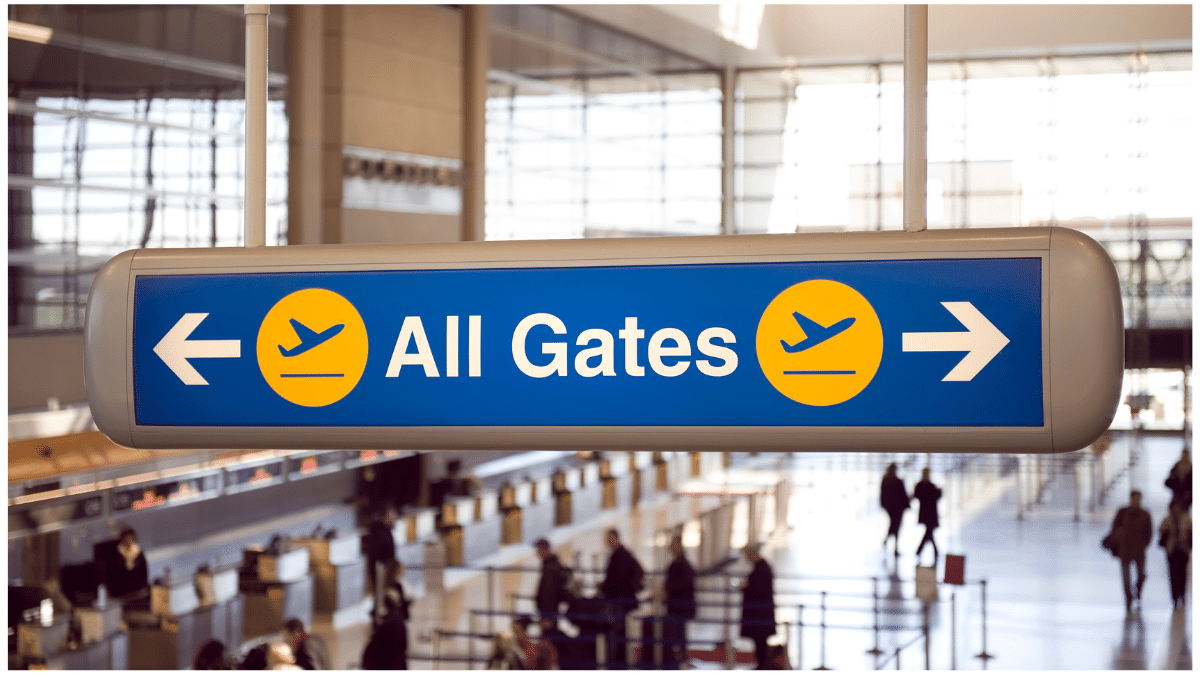
A cyberattack on a critical infrastructure like Seattle-Tacoma International Airport (SEA) has significant legal and regulatory ramifications. The attack’s impact extends beyond operational disruptions, potentially exposing the airport authority to substantial financial and reputational damage, as well as legal liability. Navigating these implications requires careful consideration of existing laws and regulations, potential legal challenges, and the necessary measures for future prevention.
Potential Legal Liabilities
The airport authority faces several potential legal liabilities stemming from the cyberattack. These liabilities may arise from contractual obligations, negligence claims, and violations of data privacy laws. For instance, if the attack compromises passenger data, the airport could be held liable for breaches of privacy and security, potentially leading to class-action lawsuits and significant financial settlements. Similarly, if the attack caused delays or cancellations, passengers might file lawsuits alleging negligence and seek compensation for incurred losses.
Regulatory Actions and Sanctions
Depending on the severity and scope of the attack, various regulatory actions and sanctions could be initiated. Federal Aviation Administration (FAA) regulations regarding aviation security and data protection could be invoked, leading to investigations and potential fines. Moreover, if the attack is determined to be a deliberate act of malicious intent, the airport might face prosecution under criminal laws.
Compliance with Security Regulations
Adherence to existing security regulations is crucial to mitigating legal and regulatory risks. This includes implementing robust security protocols, regularly updating security systems, and maintaining meticulous records of security incidents. Failure to comply with these regulations can lead to serious penalties, as demonstrated in past cyber incidents affecting other organizations. The airport must prioritize ongoing training and awareness programs for employees to ensure they understand and adhere to the latest security procedures.
Table of Potential Legal Implications and Regulatory Actions
| Potential Legal Implications | Potential Regulatory Actions |
|---|---|
| Breach of data privacy laws (e.g., GDPR, CCPA) | Investigations by regulatory bodies (e.g., FTC, state attorneys general); fines, penalties, and potential civil lawsuits. |
| Negligence in maintaining adequate security measures | FAA audits, investigations, and potential enforcement actions; loss of operating licenses or certifications. |
| Violation of contractual obligations (e.g., with airlines, service providers) | Lawsuits and claims for damages; financial penalties. |
| Financial losses resulting from the attack | Insurance claims; investigations into financial mismanagement. |
| Compromised airport infrastructure or systems | FAA mandated security improvements and operational restrictions; fines for non-compliance. |
Closing Notes
The cyber attack on Seattle-Tacoma International Airport serves as a stark reminder of the increasing sophistication and frequency of digital threats. The incident exposed vulnerabilities in critical infrastructure and highlighted the need for robust security protocols. While the airport has taken steps to mitigate the immediate effects and restore services, the long-term implications of this attack and the necessary upgrades to the security systems require careful consideration.
Ultimately, the incident underscores the importance of preparedness and proactive measures to safeguard against future cyberattacks.
FAQ
What specific systems were impacted by the attack?
The attack affected various systems, including air traffic control, baggage handling, ticketing, and potentially other internal systems used by the airport staff.
What measures were taken to mitigate the disruption?
The airport likely employed various strategies to mitigate the disruption, such as isolating the affected systems, bringing in specialized cybersecurity teams, and implementing temporary workarounds.
What is the estimated cost of repairing the damaged systems?
Determining the exact cost of repairs is complex and depends on many factors, such as the extent of damage to specific systems. It likely includes the cost of the immediate repairs, as well as any additional security measures.