Dealing with Stolen Data in Ransomware Attacks A Comprehensive Guide
Dealing with stolen data in ransomware attacks a comprehensive guide provides a crucial roadmap for organizations facing the devastating impact of these cyber threats. This guide delves into the intricacies of ransomware attacks, from their initial stages to long-term protection strategies. Understanding the various types of ransomware, the targeted data, and the legal implications is essential for effective response and recovery.
We’ll explore the crucial steps in containing an attack, recovering data, and implementing robust security measures to prevent future incidents. This guide empowers you with actionable insights to navigate the complexities of a ransomware crisis and safeguard your valuable data.
The escalating sophistication of ransomware attacks necessitates a proactive approach to data security. This comprehensive guide serves as a critical resource, equipping organizations with the knowledge and tools to not only recover from an attack but also build resilience against future threats. From understanding the motivations behind these attacks to implementing robust security measures, this guide provides a step-by-step approach to data recovery and prevention.
Introduction to Ransomware Attacks and Stolen Data: Dealing With Stolen Data In Ransomware Attacks A Comprehensive Guide
Ransomware attacks are a significant threat to organizations of all sizes, impacting not only their operational efficiency but also their reputation and financial stability. These attacks exploit vulnerabilities in computer systems to encrypt sensitive data, demanding a ransom for its release. The consequences can range from significant downtime and lost productivity to the exposure of confidential information, potentially leading to regulatory fines and reputational damage.
Understanding the nature of ransomware attacks, their various types, and the motives behind them is crucial for effective prevention and mitigation strategies.
Defining Ransomware Attacks
Ransomware attacks are malicious cyberattacks that exploit vulnerabilities in computer systems to encrypt data. This encryption effectively locks users out of their files and systems. The attackers then demand a ransom, typically in cryptocurrency, for the decryption key. The impact of such attacks can be devastating, disrupting business operations, causing significant financial losses, and potentially exposing sensitive data to unauthorized parties.
The attacks can target individuals as well as large organizations, demonstrating the widespread nature of this threat.
Types of Ransomware and Encryption Methods
Various ransomware types employ different encryption methods. Some common types include:
- Encrypting ransomware: This is the most prevalent type, encrypting files on the victim’s system. It often uses strong encryption algorithms to make decryption extremely difficult without the key. Examples include WannaCry and Ryuk.
- Locker ransomware: This type primarily targets the user interface, preventing access to the operating system. It often displays a message demanding payment for unlocking the system.
- Double extortion ransomware: This variant goes beyond encrypting data by also stealing it. The attackers threaten to publicly release the stolen data if the ransom isn’t paid. This added threat increases the pressure on victims to comply.
The encryption methods employed by these ransomware types vary. Some use advanced encryption techniques, making decryption extremely difficult. Others rely on simpler methods but are still effective in achieving their malicious goals.
Motivations Behind Ransomware Attacks
Financial gain is the primary motivation for most ransomware attacks. Attackers seek to profit from the ransom payments. However, other motivations may also exist, such as:
- Extortion: Some attackers use the threat of data release or system disruption to extort payments, even if they don’t have the technical capability to execute on their threats.
- Political motivations: In some cases, ransomware attacks may be politically motivated, aimed at disrupting operations or causing damage to specific entities.
- Hacktivism: Certain groups may launch ransomware attacks as a form of protest or to demonstrate their capabilities.
These motives underscore the complex nature of ransomware attacks and the need for comprehensive security measures to counter them.
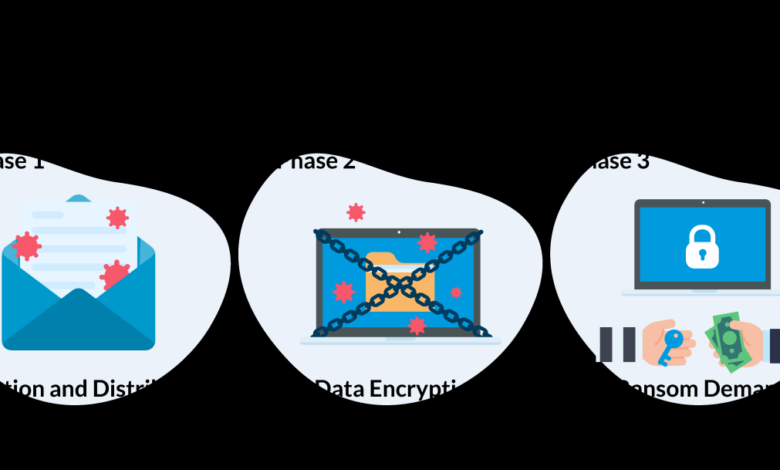
Stages of a Typical Ransomware Attack
The following table Artikels the common stages of a ransomware attack, highlighting the potential for data theft:
| Stage | Description | Potential for Data Theft |
|---|---|---|
| Pre-attack reconnaissance | Attackers identify potential targets, evaluate vulnerabilities, and develop a plan. | Information gathering about the target, including network architecture and data systems. |
| Exploitation | Attackers exploit identified vulnerabilities to gain unauthorized access to the system. | Possible exfiltration of data during the exploitation phase. |
| Encryption | Attackers encrypt the target’s data, rendering it inaccessible. | Data remains vulnerable to exfiltration or further manipulation. |
| Ransom Demand | Attackers issue a demand for payment in exchange for the decryption key. | Data may be threatened with public release or further attacks if ransom isn’t paid. |
| Post-attack activities | Attackers monitor the victim’s response and may engage in further actions, such as data exfiltration. | Potential for data theft if the ransom isn’t paid, and the attackers have obtained unauthorized access. |
Understanding Stolen Data in Ransomware
Ransomware attacks are more than just a digital extortion attempt; they represent a significant threat to sensitive data. The theft and potential exposure of this data have far-reaching consequences, impacting individuals, organizations, and even national security. Understanding the types of data targeted, the ramifications of breaches, and the legal and regulatory implications is crucial for developing effective defense strategies.The potential impact of ransomware extends beyond the immediate financial demands.
Compromised data can lead to reputational damage, legal battles, and substantial financial losses. This comprehensive look at stolen data in ransomware attacks will equip you with a deeper understanding of the risks and the measures that can be taken to mitigate them.
Categories of Data Targeted in Ransomware Attacks
Ransomware actors are not indiscriminate in their targeting. They often focus on specific types of data that hold significant value or can be exploited for financial gain. These categories include financial records, intellectual property, customer data, and operational information. Financial records, including transaction details and account information, are highly sought after. Similarly, intellectual property, such as trade secrets and proprietary software, is valuable for resale or competitive advantage.
Customer data, including personal information and contact details, can be used for identity theft or targeted phishing campaigns. Operational information, which includes details about a company’s internal processes and systems, can disrupt business operations.
Potential Consequences of Data Breaches
Data breaches resulting from ransomware attacks have severe consequences. These can include financial losses due to restoration costs, regulatory fines, and reputational damage. Legal battles and loss of customer trust can also result. The financial repercussions of a data breach are often significant, including expenses related to data recovery, legal counsel, and reputational repair. Furthermore, the damage to an organization’s reputation can be long-lasting and difficult to overcome.
Legal and Regulatory Implications of Data Breaches
Data breaches caused by ransomware attacks often trigger legal and regulatory scrutiny. Depending on the nature and scope of the breach, organizations may face significant penalties, including hefty fines, lawsuits, and criminal charges. Compliance with data protection regulations, such as GDPR and CCPA, is crucial. Failure to comply with these regulations can lead to significant penalties and legal repercussions.
These regulations often dictate specific notification requirements and data security measures that organizations must adhere to. Breaches that expose sensitive data, such as personal information, can lead to substantial fines and legal challenges.
Examples of Real-World Ransomware Attacks and Data Breaches, Dealing with stolen data in ransomware attacks a comprehensive guide
Numerous ransomware attacks have resulted in significant data breaches. One notable example involved a major healthcare provider that suffered a ransomware attack, resulting in the exposure of patient records. Another incident impacted a large multinational corporation, leading to the compromise of sensitive financial information. These examples highlight the potential for widespread damage caused by ransomware and the importance of proactive security measures.
Comparison of Data Breaches and Recovery Processes
| Data Breach Type | Data Involved | Recovery Process |
|---|---|---|
| Financial Records Breach | Transaction details, account information, financial statements | Forensic analysis of financial systems, restoration of accounts, regulatory reporting |
| Intellectual Property Breach | Trade secrets, proprietary software, research data | Legal consultation, patent protection measures, business continuity planning |
| Customer Data Breach | Personal information, contact details, financial records | Data breach notification, credit monitoring for affected individuals, enhancement of security protocols |
| Operational Information Breach | Internal processes, systems, supply chain details | System restoration, business process analysis, security system upgrade |
Responding to a Ransomware Attack
A ransomware attack is a serious threat to any organization, regardless of size. The immediate and effective response is crucial to minimizing damage, restoring data, and preventing future attacks. This phase involves a multi-faceted approach encompassing containment, system security, data loss assessment, and robust recovery strategies. Failing to act swiftly can lead to substantial data loss and significant financial repercussions.The immediate response to a ransomware attack should prioritize containing the spread of the malware and securing compromised systems.
A well-defined incident response plan is essential for navigating the complexities of a ransomware attack, ensuring a structured and coordinated effort to minimize damage. This plan should include pre-determined roles, responsibilities, and procedures for every team member involved. A comprehensive response requires careful consideration of the various steps to ensure a swift and effective recovery.
Containing the Spread of Ransomware
A critical initial step is isolating the infected systems to prevent further data breaches. This includes disconnecting the affected systems from the network, preventing the malware from spreading to other devices. Disconnecting the infected systems from the network immediately halts the ransomware’s ability to encrypt further data. A robust incident response plan must be in place to ensure that such actions are taken swiftly.
Network segmentation is a proactive measure to limit the impact of a breach. By segmenting networks, the attack can be contained within a specific area, preventing the spread to other parts of the organization.
Securing Compromised Systems and Preventing Further Data Loss
Immediately after containment, the focus shifts to securing the compromised systems. This includes removing the malware, restoring the system to a known good state, and implementing measures to prevent future attacks. The security team must meticulously analyze the infected systems to identify the root cause of the breach and implement measures to prevent similar incidents in the future.
This includes applying security patches, updating antivirus software, and reinforcing access controls. Regular security audits and penetration testing help identify vulnerabilities and prevent future attacks.
Assessing the Extent of Data Loss and Damage
Thorough assessment of the extent of data loss and damage is vital for a precise recovery strategy. This involves identifying the encrypted files, determining the impact on operational processes, and calculating the financial repercussions. The assessment must precisely document the types and quantities of data lost. This step includes a review of the affected systems, identifying the data types, and assessing the impact on operational processes.
The financial impact is evaluated, taking into account the cost of recovery, lost productivity, and potential legal liabilities.
Dealing with stolen data in ransomware attacks requires a multi-faceted approach, and understanding vulnerabilities is key. For instance, recent concerns surrounding Azure Cosmos DB have highlighted the need for proactive security measures. Learning about these vulnerabilities, like those detailed in Azure Cosmos DB Vulnerability Details , can help you bolster your defenses against potential attacks. Ultimately, a robust security strategy, incorporating both preventative and reactive measures, is essential when facing the threat of stolen data.
Data Recovery and Restoration
A well-structured data recovery procedure is paramount. This involves restoring data from backups, utilizing recovery tools, and implementing data integrity checks. Prioritizing the restoration of critical data is essential. A critical component of data recovery is utilizing reliable backups. Regular backups ensure that data can be recovered to a previous, known-good state.
Dealing with stolen data in ransomware attacks requires a comprehensive guide, covering everything from incident response to data recovery. A crucial aspect often overlooked is the need for robust code security. This includes deploying AI-powered tools like those discussed in Deploying AI Code Safety Goggles Needed to proactively identify and mitigate vulnerabilities. Ultimately, a comprehensive approach to stolen data recovery hinges on preventing future breaches and ensuring business continuity.
This procedure should include testing the backups regularly to ensure their efficacy.
Data Recovery Methods Comparison
| Method | Pros | Cons |
|---|---|---|
| Restoring from Backups | Faster recovery, less chance of data corruption | Requires recent and valid backups, potential for data loss if backups are incomplete or corrupted |
| Data Recovery Software | Can recover lost data from damaged drives, potentially recovers more data than manual methods | Can be complex and time-consuming, may not be able to recover all data, can sometimes require specialized expertise |
| Manual Data Extraction | Low cost, simple process if data is easily accessible | High risk of data corruption or damage if done incorrectly, time-consuming, only applicable if data is not encrypted |
Data Security Measures to Prevent Future Attacks
Ransomware attacks are a serious threat to organizations of all sizes. Preventing these attacks requires a multi-layered approach focusing on proactive security measures rather than solely reacting to incidents. This section Artikels critical data security measures that can significantly reduce the risk of future ransomware attacks.Proactive security measures are crucial to mitigate the risk of ransomware attacks. Implementing these strategies will not only protect your data but also enhance the overall security posture of your organization.
A layered approach to security is essential, as no single measure can guarantee complete protection.
Regular Data Backups and Secure Storage
Regular data backups are a cornerstone of ransomware prevention. A comprehensive backup strategy ensures that even if your systems are compromised, you can restore critical data quickly and minimize disruption. Backups should be stored securely, ideally in an offsite location to protect against physical threats or localized incidents like fires or floods. Data should be encrypted at rest and in transit.
Regular testing of the restoration process is also vital. Incorporating a robust backup and recovery plan will greatly enhance your resilience against ransomware attacks.
Multi-Factor Authentication (MFA)
Implementing multi-factor authentication (MFA) adds an extra layer of security to your systems. MFA requires users to provide multiple forms of identification, such as a password, a code from a security token, or a biometric scan. This makes it significantly harder for attackers to gain unauthorized access, even if they have obtained a user’s password. The use of MFA strengthens your defenses against unauthorized access and significantly reduces the risk of successful ransomware attacks.
Strong Passwords and Secure Network Configurations
Strong passwords and secure network configurations are fundamental to data security. Complicated, unique passwords should be required for all accounts. Regular password changes and the use of password managers are recommended. The network configuration should include robust firewalls, intrusion detection systems, and secure access controls. Regularly patching systems and applications is critical for maintaining a strong security posture.
Ensuring that all systems have up-to-date security patches will also help mitigate the risks.
Employee Training in Ransomware Prevention
Employee training is essential in preventing ransomware attacks. Employees are often the weakest link in a security chain, and they can unknowingly introduce vulnerabilities. Regular training programs should educate employees on identifying phishing attempts, recognizing suspicious emails, and avoiding risky online behaviors. Educating staff about the dangers of ransomware and the importance of data security will enhance the overall security posture of your organization.
Empowering employees to act as the first line of defense against cyber threats is critical to preventing ransomware attacks.
Summary of Security Measures
| Layer of Security | Measure | Importance |
|---|---|---|
| Data Protection | Regular Data Backups | Ensures rapid recovery from data loss. |
| Access Control | Multi-Factor Authentication | Adds an extra layer of security to prevent unauthorized access. |
| System Security | Strong Passwords & Secure Network Configurations | Reduces vulnerabilities and strengthens the network’s overall security posture. |
| Human Element | Employee Training | Educates employees on recognizing and avoiding potential threats. |
Incident Response and Legal Considerations

Navigating a ransomware attack requires a swift and strategic response. Beyond technical recovery, legal and reputational implications must be carefully considered. A robust incident response plan, coupled with adherence to legal frameworks, is critical to mitigating the damage and restoring trust. This section delves into the essential steps in incident response, legal obligations, and best practices for communication.Establishing a comprehensive incident response plan is paramount for a swift and effective recovery.
This plan should Artikel procedures for identifying, containing, and eradicating the threat. Furthermore, it should encompass legal considerations, communication strategies, and stakeholder management.
Establishing an Incident Response Plan
A well-defined incident response plan is crucial for managing a ransomware attack. This plan should detail the steps to take from initial detection to containment and recovery. The plan should be regularly reviewed and updated to reflect evolving threats and best practices.
- Initial Detection and Containment: This phase involves promptly identifying the attack, isolating affected systems, and preventing further data exfiltration or damage. This requires well-defined protocols for IT security staff to follow.
- Investigation and Analysis: A thorough investigation into the nature and extent of the attack is essential. This includes determining the type of ransomware, the compromised data, and the attack vector. The goal is to understand the attack and prevent similar events in the future.
- Data Recovery and Restoration: This phase focuses on recovering data and systems impacted by the ransomware. It’s critical to assess the viability of restoring data from backups and determine the scope of potential data loss. The recovery strategy should prioritize data integrity.
- Post-Incident Review and Improvement: After the attack, it’s crucial to conduct a thorough post-incident review. This review should identify weaknesses in security procedures, processes, or infrastructure that contributed to the attack. The findings should be used to enhance security measures.
Legal Obligations and Reporting Requirements
Data breaches resulting from ransomware attacks trigger legal and regulatory obligations. Understanding these obligations is vital for minimizing legal risks and ensuring compliance. These vary depending on the jurisdiction and industry.
Dealing with stolen data in ransomware attacks requires a comprehensive guide, encompassing everything from immediate response to long-term recovery. Understanding legal frameworks like the Department of Justice’s recent safe harbor policy for Massachusetts transactions Department of Justice Offers Safe Harbor for MA Transactions is crucial for navigating the complexities of data breaches. This includes legal considerations and the best practices for minimizing future risks, which are key to any thorough strategy for dealing with stolen data in ransomware attacks.
- Data Protection Laws: Many countries have data protection laws (e.g., GDPR in Europe, CCPA in California). These laws often mandate specific procedures for handling data breaches, including notification requirements and investigation protocols. Failure to comply can result in significant penalties.
- Notification Requirements: In many jurisdictions, organizations are legally obligated to notify affected individuals and relevant authorities about data breaches. The specific notification requirements vary depending on the jurisdiction and the nature of the breach.
- Record-Keeping and Documentation: Thorough documentation of the incident response process, including the investigation, containment efforts, and recovery measures, is essential. This documentation will be critical for demonstrating compliance and accountability in the event of legal scrutiny.
Legal Frameworks Governing Data Breaches
Different regions have distinct legal frameworks governing data breaches. Understanding these frameworks is crucial for organizations operating globally.
- GDPR (General Data Protection Regulation): Applicable in the European Union, GDPR mandates strict requirements for handling personal data breaches. Organizations must notify affected individuals and supervisory authorities within a specific timeframe.
- CCPA (California Consumer Privacy Act): California’s CCPA sets stringent requirements for handling consumer data breaches. This includes notification requirements and consumer rights related to the breach.
- Other Jurisdictions: Numerous other jurisdictions have similar data protection laws. Organizations operating internationally should be familiar with the specific legal requirements in each region where they operate.
Role of External Experts
Engaging external experts can significantly aid in handling a ransomware incident. Their specialized knowledge and experience can provide crucial insights.
- Forensic Experts: Forensic experts can investigate the attack, identify the attack vector, and analyze the compromised data. This analysis is critical for understanding the extent of the breach and mitigating future risks.
- Legal Counsel: Legal counsel can advise on legal obligations, reporting requirements, and potential liabilities. They can guide the organization through the legal process.
- PR/Communications Experts: Public relations experts can help manage communication with stakeholders, including affected individuals, the media, and regulatory bodies. Their support is vital for managing reputation and minimizing damage.
Best Practices for Communication with Stakeholders
Clear and transparent communication with stakeholders is essential during a data breach. Maintaining open communication channels fosters trust and minimizes reputational damage.
- Transparency and Honesty: Transparency and honesty are paramount. Stakeholders need to be informed promptly and accurately about the breach.
- Proactive Communication: Proactive communication demonstrates a commitment to accountability and responsibility. Maintain open lines of communication with affected individuals, regulatory bodies, and the public.
- Regular Updates: Provide regular updates to stakeholders on the progress of the investigation, recovery efforts, and mitigation strategies. This builds trust and reassures affected individuals.
Legal Obligations and Reporting Requirements Table
| Jurisdiction | Legal Obligations | Reporting Requirements |
|---|---|---|
| EU (GDPR) | Notification of supervisory authorities and affected individuals, investigation, and remediation | Specific timeframes for notification and detailed records |
| California (CCPA) | Notification of affected consumers, investigation, and data security measures | Specific timeframes for notification, data security audits, and consumer rights |
| [Other Jurisdiction] | [Specific Legal Obligations] | [Specific Reporting Requirements] |
Mitigation Strategies for Data Recovery
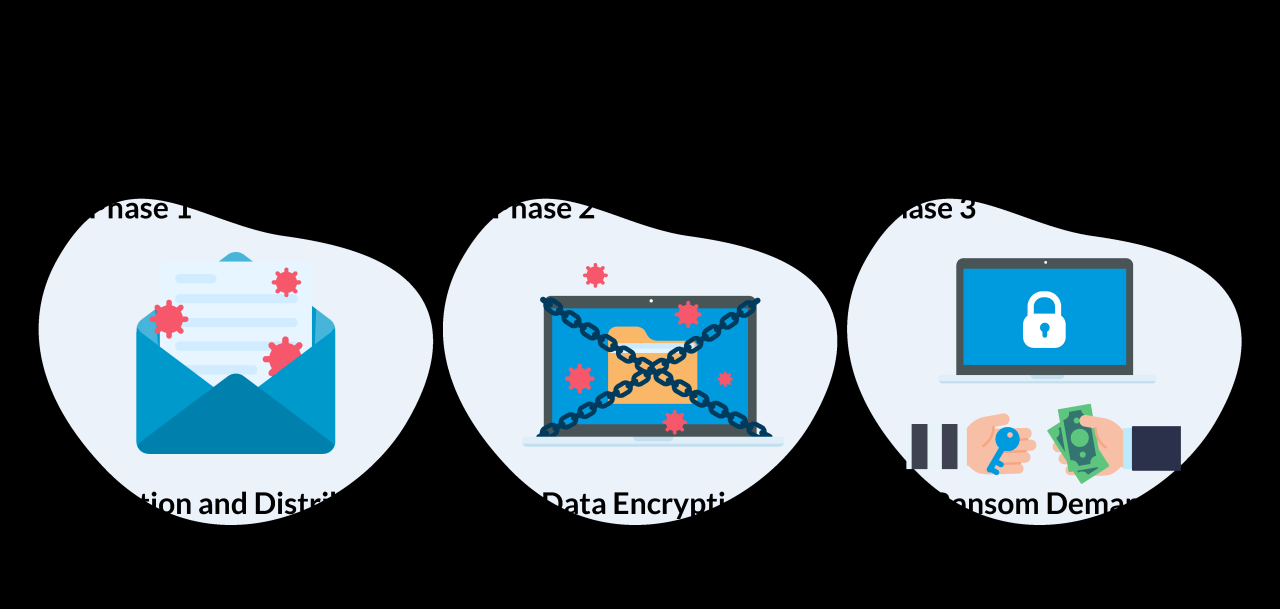
Ransomware attacks inflict significant damage, not only by encrypting data but also by disrupting operational processes. A robust data recovery strategy is crucial to minimize the impact and expedite the restoration of critical business functions. This involves a multi-faceted approach that encompasses forensic analysis, data recovery tools, and system rebuilding. Swift and well-executed recovery can drastically reduce the downtime and financial losses associated with these attacks.Data recovery after a ransomware attack demands a systematic and careful approach.
The aim is not just to retrieve the encrypted data but also to ensure the security of the recovered information and prevent future attacks. This involves employing forensic analysis techniques, utilizing specialized recovery software, and implementing preventative measures to bolster system security. A comprehensive plan that includes data backup, system hardening, and incident response procedures is vital for a swift and effective recovery.
Forensic Analysis Tools for Data Recovery
Forensic analysis tools are essential for uncovering the extent of the damage and identifying potential avenues for data recovery. These tools are designed to extract and analyze data without altering the original data source, thus preserving evidence for legal proceedings or further investigation. They help identify and recover data that may have been hidden or corrupted during the ransomware attack.
Such tools are crucial in understanding the infection vector and potential vulnerabilities that were exploited, enabling proactive measures to enhance security.
Data Recovery Software Examples and Capabilities
Various software solutions cater to data recovery needs. These solutions often offer different functionalities, from recovering deleted files to restoring entire systems. Specialized tools can help retrieve data from corrupted hard drives, external storage devices, or cloud backups.
- Stellar Data Recovery: This software suite boasts a range of features, including file recovery from various storage devices and systems. It offers a user-friendly interface and provides comprehensive support for different file types. The software’s ability to recover data from corrupted or inaccessible storage devices makes it a valuable asset during a ransomware attack. Stellar’s capabilities extend to recovering data from hard drives, USB drives, and other external storage devices, enabling users to retrieve valuable files and prevent data loss.
- Recuva: Recuva, known for its user-friendliness, excels in recovering deleted or lost files. It’s a strong contender for those seeking a simple yet effective recovery solution. Its compatibility with different file systems, including NTFS and FAT32, is a significant advantage. Recuva’s focus on ease of use makes it suitable for users with limited technical expertise, yet its capability to retrieve files from various sources, including hard drives, is noteworthy.
- EaseUS Data Recovery Wizard: This software is designed to recover lost or deleted data from various storage media. It offers advanced features, such as the ability to recover files from formatted hard drives and support for a broad range of file types. Its ability to scan large volumes of data efficiently makes it useful for recovering data from systems that have been affected by ransomware attacks.
The wizard’s capability to scan different storage devices, including external drives, makes it a robust tool for recovering data.
Strategies for Rebuilding Systems After a Ransomware Attack
Rebuilding systems after a ransomware attack necessitates a meticulous approach to avoid repeating vulnerabilities. It involves a complete assessment of the compromised system, identifying vulnerabilities, and implementing security enhancements. A phased approach is recommended to restore systems gradually, while minimizing the impact on operations. This includes installing updated security software, configuring strong passwords, and establishing robust backup procedures.
| Data Recovery Software | Strengths | Weaknesses |
|---|---|---|
| Stellar Data Recovery | Wide range of recovery options, user-friendly interface, support for various file types. | Can be expensive compared to other options. Might not recover all lost data in complex scenarios. |
| Recuva | User-friendly interface, efficient for recovering deleted files, affordable. | Limited advanced features, may not be suitable for complex data recovery tasks. |
| EaseUS Data Recovery Wizard | Advanced features like formatted hard drive recovery, extensive file support, efficient scanning. | Can be more complex to use than Recuva, may have a steeper learning curve for novice users. |
Long-Term Data Protection Strategies
Ransomware attacks are a persistent threat, requiring more than just reactive measures. Proactive and ongoing security strategies are crucial for preventing future breaches and safeguarding data in the long term. A comprehensive approach that combines robust security measures, employee training, and regular assessments is essential for building a resilient defense against these attacks.Effective long-term data protection necessitates a shift in mindset, from simply reacting to incidents to proactively anticipating and mitigating vulnerabilities.
This involves implementing a multifaceted approach that integrates technical safeguards with human elements, creating a layered defense against potential threats.
Importance of Ongoing Security Measures
Ongoing security measures are not just a best practice, but a necessity in today’s threat landscape. The digital world is constantly evolving, with new vulnerabilities and attack vectors emerging regularly. Failing to adapt and update security protocols leaves organizations susceptible to exploitation. Maintaining a proactive security posture is critical to prevent future attacks and ensure business continuity.
Proactive Security Audits and Vulnerability Assessments
Regular security audits and vulnerability assessments are vital for identifying and addressing potential weaknesses before attackers exploit them. These assessments help organizations understand their current security posture and pinpoint areas needing improvement. Regular assessments enable organizations to patch vulnerabilities promptly and strengthen their overall security.
Strategies for Regularly Updating Security Systems and Software
Keeping security systems and software up-to-date is paramount. Outdated systems are often more vulnerable to known exploits. This involves implementing automated patching procedures, regularly checking for security updates, and ensuring that all systems are running the latest, secure versions.
Security Awareness Training for Employees
Employee training plays a critical role in preventing successful ransomware attacks. Employees are often the weakest link in the security chain. Comprehensive training programs that educate employees on identifying phishing attempts, recognizing suspicious emails, and practicing safe browsing habits are essential. Regular training sessions should be scheduled and documented for ongoing reinforcement.
Schedule for Regular Security Audits and Vulnerability Assessments
Regular audits and assessments are critical for long-term security. A schedule helps ensure proactive security and consistent vulnerability management.
| Audit Type | Frequency | Description |
|---|---|---|
| Security Audits | Quarterly | Comprehensive review of security policies, procedures, and controls. Includes internal controls review, security information and event management (SIEM) review, and physical security review. |
| Vulnerability Assessments | Bi-annually | Automated scans to identify vulnerabilities in systems, applications, and network configurations. Should include external vulnerability assessments to check for external threats. |
| Penetration Testing | Annually | Simulated attacks to test the effectiveness of security controls. Identifies weaknesses that automated scans might miss. |
Conclusion
In conclusion, dealing with ransomware attacks demands a multi-faceted approach encompassing immediate response, thorough data recovery, and proactive security measures. This comprehensive guide has provided a framework for organizations to navigate the complexities of a ransomware incident, from understanding the nuances of the attack to implementing long-term data protection strategies. By understanding the steps Artikeld in this guide, organizations can significantly mitigate the risks associated with ransomware and protect their valuable data assets.
The ultimate goal is to build resilience and ensure business continuity in the face of these ever-evolving threats.
User Queries
What are the most common types of data targeted in ransomware attacks?
Financial records, customer data, intellectual property, and operational data are frequently targeted. The specific data targeted often depends on the attacker’s goals and the victim’s industry.
What are the legal obligations when dealing with a data breach from ransomware?
Legal obligations vary by jurisdiction. Organizations need to understand their specific legal requirements regarding notification, investigation, and remediation of the data breach.
How important is employee training in preventing ransomware attacks?
Employee training is crucial. A well-trained workforce can act as the first line of defense, identifying suspicious emails, recognizing phishing attempts, and adhering to security protocols.
What are some key steps in establishing an incident response plan?
Key steps include identifying potential threats, developing a communication plan, assigning roles and responsibilities, and conducting regular drills and simulations.