Jewelry to Unlock iPhone, Authenticate Payments
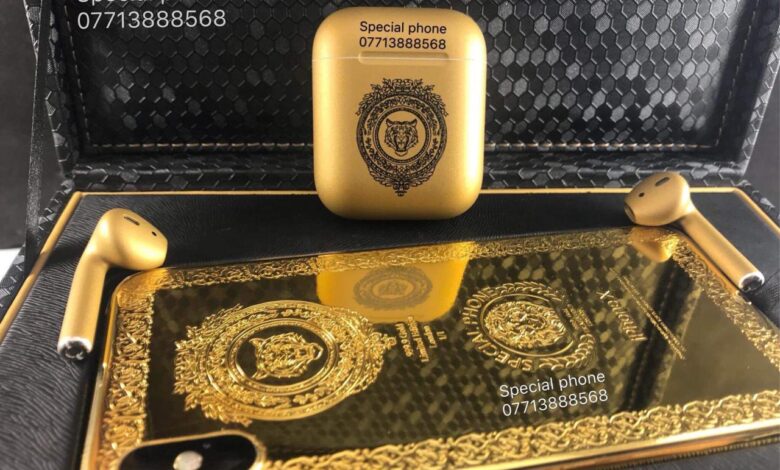
Jewelry to unlock an iPhone or authenticate a digital payment is an intriguing concept, promising a future where our everyday interactions with technology are enhanced with a touch of elegance and security. Imagine a world where a simple piece of jewelry could grant you access to your phone or authorize a transaction. This technology offers a fascinating blend of the physical and digital realms, with the potential to revolutionize how we interact with our devices and financial systems.
This system could leverage various authentication mechanisms, from embedded RFID tags to biometric sensors, potentially providing an extra layer of security against fraud. The design and implementation of such jewelry, however, would need to address issues of user experience, material properties, and manufacturing processes, ensuring both functionality and comfort.
Introduction to Secure Digital Access
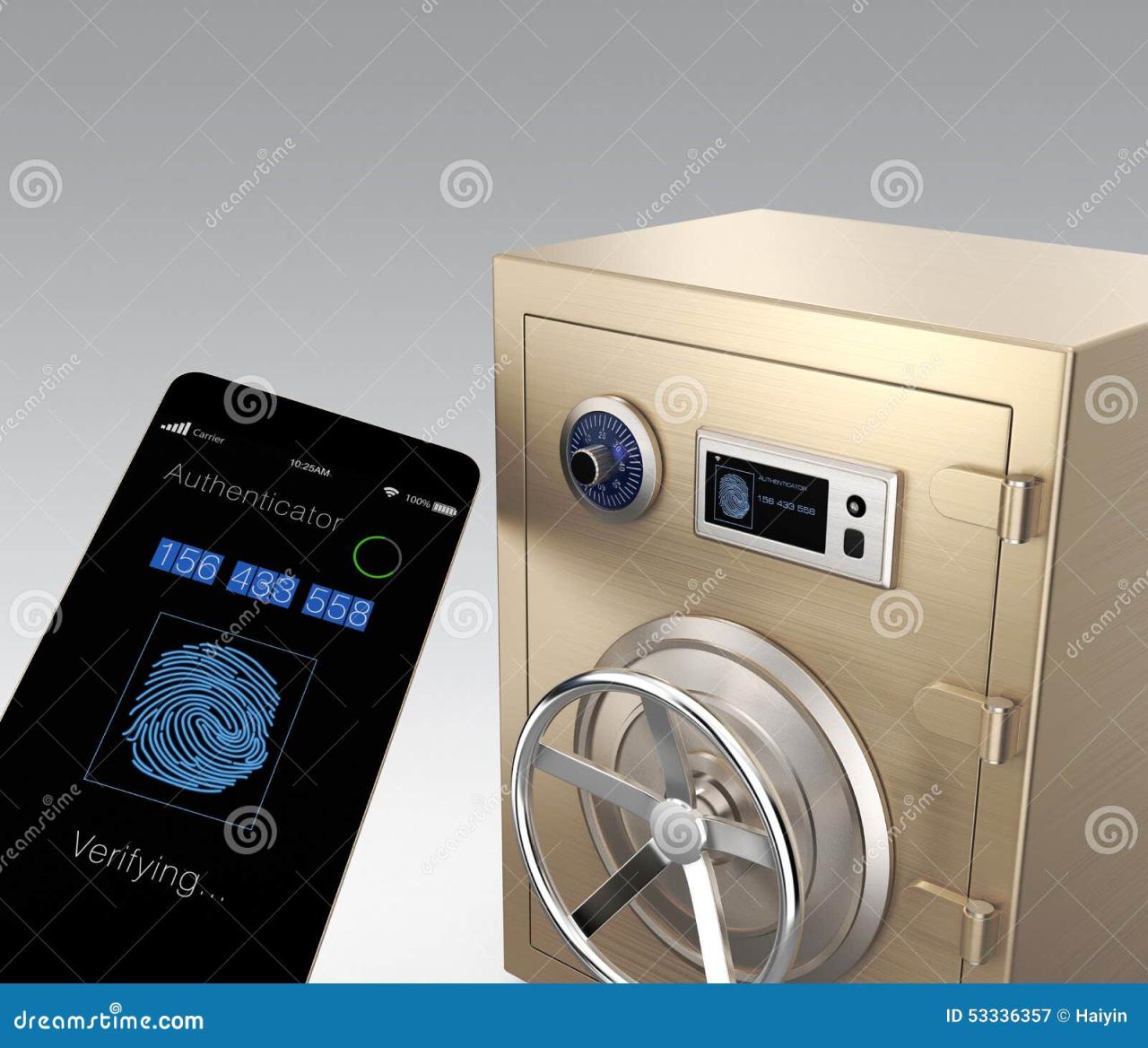
Jewelry-based authentication for digital devices and payments represents a novel approach to security. This system leverages the physical characteristics of jewelry pieces to create unique and verifiable identifiers, enhancing the security of online transactions and access control. This method differs significantly from traditional password-based systems, offering a more robust and secure alternative, particularly for high-value transactions or sensitive information access.The fundamental principle behind this security system is the unique and verifiable physical characteristics of jewelry.
These characteristics could include embedded microchips, unique designs, or even specific materials. Each piece of jewelry acts as a unique key, enabling secure access to digital accounts and services. This method adds a physical layer to digital security, making it more difficult to compromise compared to solely relying on software-based passwords or biometrics.
Types of Jewelry for Authentication
Various types of jewelry can be used for this purpose, each offering different advantages and disadvantages. These include:
- Rings: Rings are a readily available piece of jewelry that can be designed with embedded microchips or unique engravings for authentication. They offer a convenient and discreet way to authenticate transactions or access devices.
- Necklaces: Necklaces, like rings, can incorporate embedded microchips or unique designs, providing a secure authentication method. Their presence is often noticeable, but this can also be a deterrent against theft or unauthorized use.
- Bracelets: Bracelets are a discreet and practical option for authentication, especially when combined with advanced sensor technology. They can be incorporated into everyday wear, making authentication seamless.
- Earring: Earring designs can be used for unique identification. Small sensors or integrated microchips embedded in the design can provide a discrete way of authenticating transactions or access. This is a very discreet option for authentication, particularly if the jewelry is worn discreetly.
Advantages and Disadvantages of Jewelry-Based Authentication
This approach offers several advantages and disadvantages compared to other authentication methods.
Thinking about how jewelry could unlock an iPhone or verify digital payments? It’s fascinating how physical objects are increasingly intertwined with digital security. This begs the question about the security of the cloud services that underpin these systems. For instance, recent vulnerabilities in Azure Cosmos DB, as detailed here , highlight the importance of robust cloud security practices.
Ultimately, secure digital payment systems need a layered approach to ensure that both the physical and digital realms are protected, and jewelry-based authentication systems could be part of that solution.
| Jewelry Type | Advantages | Disadvantages | Security Considerations |
|---|---|---|---|
| Rings | Convenient, discreet, readily available | Potential for loss or theft, depending on the design | Protection against counterfeiting, secure microchip integration |
| Necklaces | Visibly present, deterring theft | Can be noticeable, potentially attracting unwanted attention | Anti-theft measures, secure microchip placement |
| Bracelets | Discreet, potentially comfortable for everyday wear | Potential for loss, difficulty in preventing counterfeiting if not well-secured | Design robustness, secure integration of sensor technology |
| Earrings | Highly discreet, unobtrusive | Limited surface area for embedded sensors, risk of damage | Robust sensor technology, protection from damage or theft |
Examples of Similar Security Systems
Existing security systems employ similar principles in various contexts. For example, key cards used for building access, or contactless payment systems, use unique identifiers for secure entry or transactions. The use of RFID (Radio-Frequency Identification) tags in various applications demonstrates the potential of using physical objects for authentication in digital contexts. These examples show a trend towards more robust security measures incorporating physical objects to enhance digital security.
Authentication Mechanisms: Jewelry To Unlock An Iphone Or Authenticate A Digital Payment
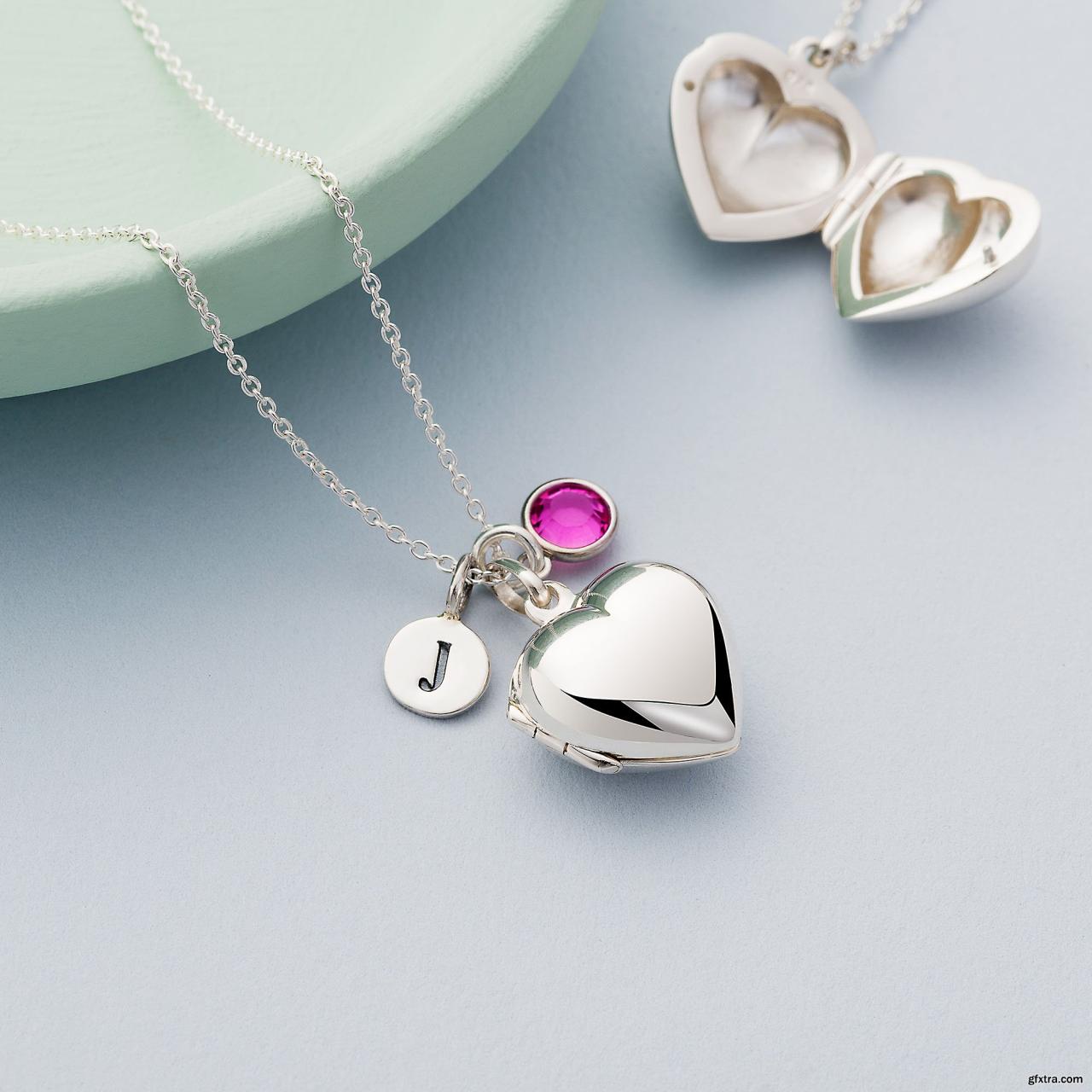
Jewelry-based digital access presents a novel approach to authentication, promising enhanced security and user experience. This method leverages the physical properties of jewelry to create a unique, verifiable link between a person and their digital identity. The intricate details of linking these two realms, however, demand a robust framework of authentication mechanisms and security protocols.The technical process involves embedding unique identifiers or tags within the jewelry.
These identifiers could be microchips, near-field communication (NFC) tags, or even sophisticated laser-etched patterns. When the jewelry is brought near a compatible device, the unique identifier is read and verified against a secure database, confirming the user’s identity. This authentication process is analogous to how a bank card’s magnetic stripe or a contactless payment device operates.
Technical Processes in Linking Jewelry to Digital Devices
The process of linking jewelry to digital devices involves several steps. First, the jewelry is manufactured with a unique identifier. This identifier could be a radio frequency identification (RFID) tag, a near-field communication (NFC) chip, or a unique code etched onto the metal. Second, the identifier is registered within a secure database linked to the user’s digital account. Third, a dedicated application or system is designed to read the identifier when the jewelry is presented to a device.
Finally, the system verifies the identifier against the database to authenticate the user. This process is akin to using a fingerprint scanner to unlock a smartphone.
Authentication Protocols
Various authentication protocols can be employed for jewelry-based digital access. These protocols include but are not limited to:
- RFID-based authentication: RFID tags transmit data wirelessly, allowing for quick and convenient authentication. Security is paramount, requiring encryption and robust access control mechanisms to prevent unauthorized access.
- NFC-based authentication: NFC technology enables secure data exchange when devices are brought close together. This is particularly useful for contactless payments and device unlocking. Strong encryption and authentication protocols are essential.
- Biometric-integrated authentication: Combining jewelry with biometric authentication, such as fingerprint or facial recognition, can significantly enhance security. This approach requires careful consideration of data protection and user privacy.
Security Measures to Prevent Unauthorized Access
Robust security measures are crucial for preventing unauthorized access to digital accounts. These measures include:
- Encryption: All data exchanged between the jewelry and the device must be encrypted to prevent interception. This encryption should be strong and regularly updated.
- Secure databases: The database storing user identifiers must be secured with strong passwords, multi-factor authentication, and regular security audits.
- Access control: Implementing access controls limits who can access and modify user data. This includes granular permissions for authorized personnel.
- Regular security updates: The software and hardware involved in the authentication process should be regularly updated to patch vulnerabilities.
Security Risks Associated with This Type of Authentication
Potential security risks include:
- Data breaches: Unauthorized access to the secure database storing user identifiers can compromise accounts.
- Tampering with jewelry: Jewelry with embedded identifiers could be tampered with, allowing unauthorized access. Countermeasures such as tamper-evident seals or robust coding are necessary.
- Interception of signals: RFID or NFC signals could be intercepted if security measures are inadequate. Encryption and secure communication channels are essential to prevent this.
- Phishing attacks: Attempts to trick users into revealing their authentication details remain a constant threat. Strong user education and awareness programs are critical.
Verifying User Identity
Verification involves a multi-step process:
- The user presents the authenticated jewelry near the device.
- The device reads the unique identifier from the jewelry.
- The identifier is checked against the secure database.
- If the identifier matches a registered user, the user is authenticated.
- Otherwise, access is denied.
Initiating the Authentication Process, Jewelry to unlock an iphone or authenticate a digital payment
The user can initiate the authentication process by:
- Bringing the jewelry close to the device.
- Following on-screen prompts.
- Providing any required secondary authentication, such as a PIN or password.
Embedding Unique Identifiers or Tags
Various methods can be used to embed unique identifiers or tags within the jewelry:
- Microchips: Tiny microchips can be embedded in the jewelry, acting as unique identifiers. These are usually tamper-proof and secure.
- NFC tags: NFC tags allow for contactless communication, enabling seamless authentication. These tags are smaller and more readily integrated into jewelry.
- Laser-etched patterns: Complex laser-etched patterns on the jewelry can serve as unique identifiers, providing a visual representation of the user’s digital identity.
Design and Implementation Considerations
Jewelry designed for secure digital access must meet stringent requirements for both aesthetics and functionality. The design must be robust enough to withstand everyday wear and tear while maintaining the integrity of the embedded components. Security is paramount, requiring meticulous consideration of potential vulnerabilities and corresponding countermeasures. A seamless user experience is crucial, ensuring the jewelry is comfortable and easy to use.The design process must integrate seamlessly with existing digital payment and authentication systems, allowing for reliable and secure interaction.
The material selection, manufacturing processes, and interaction mechanisms will all contribute to the ultimate success of the device. This section delves into the specifics of design requirements, material choices, manufacturing considerations, usage scenarios, ergonomics, interaction methods, design comparisons, and potential vulnerabilities.
Design Requirements for Reliability and Security
The jewelry must exhibit high reliability, ensuring consistent performance under various conditions. It must be resistant to damage from everyday wear, moisture, and temperature fluctuations. The encryption and communication protocols embedded within the device must be impervious to attacks. Security features, such as tamper-evident seals and physical protection mechanisms, should be incorporated. The device must also comply with relevant security standards and regulations.
Material Properties for the Jewelry
Selecting appropriate materials is essential for the jewelry’s performance and durability. Metals like titanium, stainless steel, or platinum are strong and resistant to corrosion. Ceramics, such as zirconia or sapphire, offer excellent hardness and scratch resistance. The choice of material will influence the device’s weight, aesthetic appeal, and overall cost. The material must be hypoallergenic to avoid skin reactions.
Manufacturing and Production Factors
Careful consideration must be given to the manufacturing process. The jewelry’s design must be scalable for mass production. Manufacturing tolerances must be tight to ensure consistent functionality and security across all units. Quality control procedures are vital to maintain reliability. The production process must minimize potential defects, maintain cost-effectiveness, and respect environmental standards.
Examples of this include using recycled materials or minimizing waste during the manufacturing process.
Usage Scenarios
The jewelry can be used for various scenarios, from unlocking smartphones to authenticating digital payments. It can be used for accessing secure applications or for verifying transactions in person. Its implementation can be integrated into various existing ecosystems. The user experience must be intuitive across these different scenarios.
Ergonomic Aspects for User Experience
Ergonomics play a vital role in user acceptance. The jewelry should be comfortable to wear for extended periods. The size, shape, and weight of the jewelry should be optimized for various user preferences. The positioning of interactive elements, such as buttons or sensors, should be carefully considered. A user-centered design approach should be prioritized to ensure the jewelry is comfortable and easy to use.
Interaction with the Digital System
The jewelry can interact with the digital system through various methods. These could include near-field communication (NFC) technology, radio-frequency identification (RFID), or embedded sensors. The selection of interaction methods will depend on factors such as the desired range, data transfer rate, and security requirements. Integration with existing mobile operating systems and payment gateways is crucial.
Comparison of Different Jewelry Designs
Different jewelry designs offer unique advantages and disadvantages. A ring design, for instance, may offer better accessibility compared to a pendant design. A bracelet design could provide a larger surface area for sensor placement. The trade-off between aesthetics and functionality needs to be carefully evaluated. A detailed comparison table can highlight the pros and cons of each design.| Design | Strengths | Weaknesses ||—|—|—|| Ring | Easy access, discreet | Limited surface area for sensors || Pendant | Elegant design | Potential obstruction during use || Bracelet | Large surface area for sensors | Can be bulky or uncomfortable |
Potential Vulnerabilities and Countermeasures
Several potential vulnerabilities exist, such as physical attacks on the device or compromises in the communication protocol. Countermeasures include incorporating tamper-evident seals, robust encryption, and secure communication channels. Physical security measures should be combined with digital security protocols to create a multi-layered defense system. Vulnerabilities, such as eavesdropping, could be mitigated with secure communication channels, and potential attacks on the communication protocol can be countered by using encryption and secure communication methods.
Vulnerabilities in the hardware itself need careful consideration and mitigation.
User Experience and Acceptance
Jewelry-based digital authentication presents a unique opportunity to integrate technology seamlessly into daily life. However, a successful implementation hinges critically on user experience and acceptance. This section explores the crucial factors in ensuring smooth interaction, user comfort, and ultimately, widespread adoption.
User Interface for Jewelry Interaction
The user interface for interacting with the jewelry must be intuitive and unobtrusive. Users should not have to learn complex procedures. A simple, visual cue—a subtle change in the jewelry’s light or vibration—can signal successful authentication. Minimizing steps is paramount; users should be able to initiate and complete the authentication process with a single action.
Ever thought about using jewelry to unlock your iPhone or verify digital payments? It’s a fascinating concept, but navigating the legal landscape around such tech is crucial. The Department of Justice recently introduced a safe harbor policy for Massachusetts transactions, Department of Justice Offers Safe Harbor for MA Transactions , which could significantly impact the future of using physical objects for digital security.
This development raises the intriguing possibility of a wider acceptance of jewelry-based authentication methods for secure mobile access and online transactions.
Methods for a Smooth Authentication Experience
Several strategies can enhance the authentication experience. Biometric authentication, such as fingerprint or facial recognition, can be integrated to ensure a high level of security. Clear visual and haptic feedback—such as a pulse or vibration in the jewelry—is crucial to confirm the authentication status. Furthermore, the system should provide users with timely error messages and guidance in case of any issues.
Challenges in Achieving User Acceptance
Resistance to new technologies is common. Concerns about security, privacy, and the perceived value of wearing technology are important factors to address. Potential issues include user discomfort with constantly wearing the jewelry, or concerns about the potential for the jewelry to be lost or stolen. Addressing these concerns through education and robust security measures is essential for gaining user trust and acceptance.
Benefits of Jewelry in Daily Transactions
Using jewelry for digital transactions can streamline daily life. Imagine quickly paying for coffee without fumbling for your phone. The convenience of touchless authentication could significantly improve efficiency and reduce the friction in completing daily tasks. This approach promises to enhance the user experience and potentially reshape how we interact with technology in our daily lives.
Usability and Comfort Aspects of Wearing the Jewelry
The design of the jewelry should prioritize comfort and aesthetics. The jewelry should be lightweight and well-designed to be worn comfortably for extended periods. Considerable research into materials and designs can optimize the user experience. This is critical for widespread adoption; a comfortable design will encourage consistent use.
Potential for User Training and Education
Educating users about the technology is essential for successful adoption. Training programs can provide detailed information on how to use the jewelry, address concerns, and highlight the benefits of the technology. Educational materials should be accessible and user-friendly, explaining the technology’s functionality and safety measures.
User Interface Options for Jewelry
| Interface Type | Description | Pros | Cons |
|---|---|---|---|
| Light-emitting diodes (LEDs) | Small LEDs embedded in the jewelry that change color to indicate status. | Visually distinct, can be discreet. | Limited color options, potential for glare. |
| Haptic feedback | Micro-vibrations in the jewelry that signal different states. | Provides tactile feedback, discreet. | Potential for discomfort with prolonged use. |
| Combination of LEDs and haptic feedback | A combination of light and vibration for a more informative and engaging experience. | Enhanced feedback, avoids potential single-method issues. | Increased cost, potential complexity in implementation. |
| Embedded touch sensors | Sensors integrated into the jewelry that detect user interaction. | Intuitive interaction, potentially low power consumption. | Potentially more susceptible to damage, increased complexity in design. |
Security Protocols and Standards
Protecting digital transactions requires robust security protocols and standards. This section details the critical components of secure digital payment systems, focusing on the integration of our proposed system with existing frameworks. The goal is to establish a secure, reliable, and user-friendly method for authenticating payments and unlocking devices.
Existing Security Standards and Protocols
Numerous security standards and protocols govern digital payments, each with its strengths and weaknesses. Examples include PCI DSS (Payment Card Industry Data Security Standard), EMV (Europay, MasterCard, Visa) for chip card transactions, and various encryption algorithms like AES (Advanced Encryption Standard). These protocols aim to protect sensitive data during transmission and storage.
Comparison of Security Protocols
Different protocols offer varying levels of security and complexity. For instance, PCI DSS focuses on protecting payment card data, while EMV addresses the vulnerabilities of magnetic stripe cards. AES, a symmetric encryption algorithm, is widely used for secure data encryption, whereas asymmetric algorithms like RSA are used for key exchange. Choosing the right protocol depends on the specific needs and risks of the system.
System Integration with Existing Payment Systems
Our system will seamlessly integrate with existing payment networks. The integration will leverage existing APIs and protocols, ensuring compatibility and minimizing disruptions to the user experience. This approach will allow users to leverage their familiar payment methods while benefiting from the enhanced security of our system. Specific integration strategies will be tailored to individual payment processors and networks.
Security Measures to Prevent Fraud and Abuse
Preventing fraud requires a multi-layered approach. Strong authentication mechanisms, including biometric verification and two-factor authentication, will be crucial. Regular security audits and penetration testing will identify and mitigate potential vulnerabilities. Robust transaction monitoring will detect suspicious activity, enabling quick intervention and prevention of fraudulent transactions.
Potential for Hacking or Data Breaches
Despite robust security measures, the potential for hacking and data breaches exists. A comprehensive risk assessment will identify potential attack vectors and weaknesses. Regular updates to security protocols and software will minimize the impact of vulnerabilities. This proactive approach is essential for maintaining a secure environment.
Examples of Successful Implementations
Successful implementations of similar security measures can be observed in mobile banking apps. These apps frequently employ multi-factor authentication, strong encryption, and transaction monitoring to safeguard user data. Studying these implementations provides valuable insights and best practices for our system.
Cryptographic Techniques
Robust cryptography is essential for securing sensitive data. Our system will utilize a combination of symmetric and asymmetric encryption techniques. AES will encrypt data in transit, while RSA will manage key exchange and digital signatures. These cryptographic techniques will ensure data confidentiality, integrity, and authenticity. Digital signatures will verify the authenticity of transactions and prevent tampering.
Potential Applications and Future Directions
Jewelry-based digital authentication opens a world of possibilities beyond the familiar. This innovative approach has the potential to transform how we interact with technology and manage sensitive information, paving the way for greater security and convenience in our daily lives. Beyond simple phone unlocking and payment verification, its application spans diverse sectors, promising a secure and seamless future.
Potential Applications Beyond Phone and Payment
This technology can transcend the confines of personal devices and financial transactions. Imagine using a ring to access secure building areas or a bracelet to verify identity at events, eliminating the need for physical credentials. This level of authentication could revolutionize access control in various settings, from corporate offices to sensitive government facilities.
Imagine jewelry unlocking iPhones or verifying digital payments – a fascinating concept! But, behind the sleek design and innovative security of such systems lies the crucial need for robust code. This is where Deploying AI Code Safety Goggles Needed becomes paramount. Without meticulous code safety measures, the very security of these innovative payment systems, like the one using jewelry, could be compromised.
Ultimately, the security of jewelry-based payment authentication hinges on the reliability of the code, just like any other advanced digital security system.
Future Advancements in the Field
Further advancements will likely focus on miniaturization of the jewelry components, allowing for even more subtle and unobtrusive authentication methods. Integrating biometric sensors into the jewelry will enhance security by combining physical characteristics with digital verification. The development of more sophisticated algorithms will further refine the security protocols, preventing potential vulnerabilities and ensuring seamless functionality.
Societal Implications of Jewelry Authentication
The societal implications of this technology are multifaceted. A wider adoption of jewelry authentication could lead to a reduction in fraud and identity theft. Increased convenience could potentially boost efficiency in various sectors, from retail to healthcare. However, it is crucial to consider the potential for digital exclusion if access to this technology is not equitably distributed.
Ethical Considerations
Ethical considerations surrounding this technology are paramount. Data privacy and security must be paramount in the design and implementation of these systems. Transparency in the technology’s operation and the means of securing the data must be ensured to build trust. Access to this technology should be equitable and affordable to prevent social stratification based on access to digital resources.
Impact on Different Industries
The impact on various industries is profound. Retailers could leverage this technology for secure payment processing and customer verification, streamlining transactions and enhancing trust. The healthcare industry could utilize it for secure patient identification and access control, ensuring confidentiality and minimizing errors. Government agencies could utilize this technology to enhance security protocols and reduce the risk of fraudulent activities.
Revolutionizing the Financial System
The potential for revolutionizing the financial system is significant. Imagine a world where individuals can securely and privately transfer funds using jewelry as a medium, eliminating the need for physical cash or traditional banking systems. Peer-to-peer transactions could become more efficient and secure, potentially disrupting the current financial infrastructure. Cryptocurrency transactions could be facilitated using jewelry-based authentication, offering a secure and transparent alternative.
Example of Future Financial Systems
- Decentralized Finance (DeFi): Jewelry could serve as a secure token for accessing and controlling DeFi assets, fostering a more secure and decentralized financial ecosystem.
- International Transactions: Secure and verified jewelry authentication could streamline cross-border transactions, reducing the need for intermediaries and facilitating global commerce.
- Microtransactions: Jewelry-based authentication could be used for small-value transactions, revolutionizing the current micropayment systems and creating new opportunities for commerce.
“This innovative approach could reshape how we interact with technology and manage sensitive information, fostering greater security and convenience in our daily lives.”
Last Word
In conclusion, jewelry-based authentication for digital devices and payments holds significant promise. While challenges remain in design, user experience, and security, the potential benefits are considerable. This innovative approach could streamline our digital interactions, enhance security, and introduce a novel way to manage sensitive information. The future of digital security may well be intricately woven into the jewelry we wear.
Quick FAQs
What types of jewelry are suitable for this purpose?
Various types of jewelry, from rings and bracelets to necklaces and earrings, could be used, each with its own advantages and disadvantages. The choice of material and design will depend on factors such as durability, comfort, and security.
How does the jewelry communicate with the digital system?
This could be achieved through various technologies, including embedded RFID tags, NFC chips, or even biometric sensors integrated into the jewelry. The specific method would depend on the chosen authentication protocol and the desired level of security.
What are the security risks of this technology?
Potential security risks include unauthorized access to the jewelry, cloning of the authentication device, or hacking of the communication protocol. Strong security protocols and encryption techniques are crucial to mitigate these risks.
How comfortable is the jewelry to wear?
Ergonomic design is paramount. The jewelry should be comfortable enough to wear daily without causing discomfort or hindering other activities. This factor is crucial for user adoption and acceptance.