K12 Schools Vulnerable to Ransomware Attacks
K12 schools are vulnerable to ransomware cyber attacks, leaving students, teachers, and administrators in a precarious position. These attacks exploit the unique vulnerabilities of educational institutions, often targeting outdated systems and a lack of robust cybersecurity protocols. The financial and educational consequences can be devastating, disrupting the learning environment and impacting the well-being of everyone involved. This in-depth look examines the threats, impacts, and potential defenses against these increasingly common attacks.
Ransomware attacks are a growing concern across all sectors, but K-12 schools face unique challenges due to their specific infrastructure and resource constraints. The vulnerability of these institutions stems from factors such as a reliance on legacy technology, limited cybersecurity budgets, and a lack of comprehensive training for staff. Understanding these vulnerabilities is critical for developing effective strategies to protect these valuable assets.
Introduction to K-12 School Ransomware Vulnerabilities
Ransomware attacks are a growing threat to organizations worldwide, including K-12 schools. These malicious cyberattacks encrypt sensitive data, demanding payment for its release. The impact can be devastating, disrupting operations, compromising student and staff data, and causing significant financial and reputational harm. K-12 schools are particularly vulnerable due to unique characteristics and resource limitations.K-12 schools often lack the robust cybersecurity infrastructure and expertise present in larger organizations.
Their reliance on outdated systems, limited budgets, and a large number of interconnected devices create a perfect storm for attackers. This vulnerability makes them attractive targets for ransomware attacks, often resulting in significant operational disruptions and financial losses. The unique characteristics of these institutions differentiate ransomware targeting them from attacks on other organizations.
Specific Vulnerabilities of K-12 Schools
K-12 schools often have outdated technology, including legacy software and hardware. This outdated infrastructure makes them vulnerable to known exploits. Limited cybersecurity budgets and staff, combined with a lack of dedicated cybersecurity expertise, often mean that schools are ill-equipped to proactively defend against attacks. Further, the interconnected nature of school networks, with devices from various vendors and ages, can create entry points for malicious actors.
The volume of sensitive data held by schools, including student records, financial information, and intellectual property, makes them attractive targets for financial gain.
K-12 schools are unfortunately prime targets for ransomware attacks, leaving their valuable data and operations vulnerable. While the Department of Justice Offers Safe Harbor for MA Transactions ( Department of Justice Offers Safe Harbor for MA Transactions ) might offer some protection for specific situations, it doesn’t fully address the broader issue of securing these critical educational institutions from malicious cyberattacks.
This highlights the ongoing need for robust security measures to protect K-12 systems from ransomware threats.
Attractiveness to Attackers
The unique characteristics of K-12 schools make them attractive targets for ransomware attackers. Their often limited cybersecurity resources and reliance on legacy systems make them vulnerable to known exploits. The large volume of sensitive data stored on their systems, including student records, financial data, and intellectual property, provides attackers with valuable targets for financial gain.
Differentiation from Other Organizations
Ransomware targeting K-12 schools often differs from attacks on other organizations in several ways. The potential for disruption to education and the negative impact on students and families are crucial considerations. The need for quick restoration of services and access to critical data, along with legal and ethical implications surrounding student data, add significant complexities.
Susceptibility by School Type
| School Type | Likely Susceptibility to Ransomware | Explanation |
|---|---|---|
| Public Schools | High | Public schools often face limited budgets and may struggle to invest in robust cybersecurity measures. Large student populations and diverse computing needs also contribute to vulnerability. |
| Private Schools | Medium to High | Private schools, while sometimes having better resources than public schools, can still be vulnerable if they lack adequate cybersecurity measures. The cost of cybersecurity can be a factor for some private schools. |
| Charter Schools | Medium | Charter schools often have varying levels of resources, which can impact their susceptibility. Similar to public schools, their diverse computing needs and potential budget constraints can create vulnerabilities. |
Impact of Ransomware Attacks on K-12 Institutions
Ransomware attacks are increasingly targeting K-12 schools, causing significant disruptions and lasting negative impacts. Beyond the immediate financial strain, these attacks inflict emotional and educational harm on students, staff, and the entire school community. Understanding the multifaceted consequences is crucial for developing effective preventative measures and robust response strategies.The ripple effects of a ransomware attack extend far beyond the initial digital breach.
Schools, already facing budgetary constraints and resource limitations, are often ill-equipped to withstand the financial and operational fallout. The resulting disruptions to education, student well-being, and staff morale demand careful consideration and proactive planning.
Financial Implications of Ransomware Attacks
Financial losses associated with ransomware attacks on K-12 institutions are substantial and often underestimated. These costs extend beyond the ransom payment itself, encompassing recovery efforts, lost revenue, and legal expenses. The disruption of essential operations can also have long-term financial repercussions.
- Ransom payments themselves can be significant, often exceeding the capacity of smaller schools. For example, a recent incident involved a school district paying a substantial ransom to regain access to critical data and systems.
- Recovery costs are substantial and can include data restoration, system upgrades, and employee training on new security protocols. These costs can quickly mount, potentially diverting funds from other crucial educational programs.
- Lost revenue is a significant consequence of downtime. Schools may lose revenue from canceled programs, reduced services, and diminished access to educational resources. This can be particularly damaging to schools with limited funding.
- Legal fees can also be substantial if legal action is required in response to the attack or if data breaches are involved. The cost of legal representation, especially in cases involving large-scale breaches, can quickly become a major burden for schools.
Disruption to Education
Ransomware attacks have a devastating impact on the educational process. The disruption to learning and administrative processes can have far-reaching and long-lasting consequences for students and staff.
- Lost instructional time is a direct consequence of system downtime. Students miss valuable instruction, impacting their learning and potentially affecting their academic progress. This lost time is particularly detrimental for students who are already struggling academically.
- Disrupted learning environments negatively affect student learning. Without access to educational materials, learning tools, and online resources, students may experience significant setbacks in their academic progress. The loss of continuity in learning can be a substantial impediment to a student’s growth.
- Administrative processes are disrupted, impacting school operations and the ability to function effectively. This includes difficulties in managing student records, scheduling classes, and communicating with parents and guardians. The disruption to daily routines can cause considerable stress and anxiety for both staff and students.
Impact on Student Mental Health and Well-being
The emotional toll of a ransomware attack on students cannot be underestimated. The disruption to their daily routines, learning, and sense of security can have a profound and lasting effect on their mental health.
- Anxiety and stress are common responses to the uncertainty and disruption caused by ransomware attacks. Students may experience heightened anxiety and fear due to the unknown impact of the attack and the potential for future disruptions.
- The loss of access to educational resources and learning materials can exacerbate existing learning challenges and create new emotional hurdles for students. This can lead to frustration, feelings of isolation, and a decline in academic motivation.
- The sense of security and stability that schools provide can be shattered by such attacks. Students may feel vulnerable and exposed, potentially leading to increased feelings of anxiety and depression.
Psychological Effects on Staff
Staff members dealing with ransomware incidents face significant psychological challenges. The pressure and uncertainty associated with these events can take a toll on their mental health.
- Staff members experience significant stress and anxiety. The pressure to restore systems, manage disruptions, and communicate effectively with stakeholders can lead to feelings of stress and anxiety, particularly for those who are directly involved in the recovery process.
- The disruption to their routines and the potential for long-term consequences can cause considerable emotional distress. This can affect their well-being, both personally and professionally, as they navigate the challenges of a crisis.
- The uncertainty and fear surrounding the attack can contribute to feelings of helplessness and hopelessness among staff members. This can lead to decreased morale and productivity, hindering the school’s ability to return to normal operations.
Potential Costs of a Ransomware Attack
The table below provides a snapshot of potential costs associated with a ransomware attack on a K-12 institution.
| Cost Category | Potential Cost |
|---|---|
| Ransom Payment | $10,000 – $100,000+ (depending on the size of the school district) |
| Data Recovery Costs | $5,000 – $50,000+ (depending on the complexity of the system and the amount of data lost) |
| System Restoration Costs | $10,000 – $100,000+ (depending on the size and complexity of the school’s IT infrastructure) |
| Lost Revenue | $1,000 – $10,000+ (depending on the duration of the outage and the revenue-generating activities affected) |
| Legal Fees | $5,000 – $50,000+ (depending on the complexity of the legal situation) |
| Staff Training | $1,000 – $5,000+ (depending on the number of staff needing training) |
Methods and Motivations of Attackers
Ransomware attacks targeting K-12 schools are a growing concern, and understanding the methods and motivations behind these attacks is crucial for developing effective defenses. These attacks often exploit vulnerabilities in school systems, leading to significant disruptions in learning and operational processes. Criminals are increasingly sophisticated in their tactics, demanding not only financial compensation but also impacting the educational environment.The motivations driving these attacks range from straightforward financial gain to more complex and potentially harmful political agendas.
Regardless of the motivation, the consequences for students, teachers, and administrators can be severe, ranging from data loss to the disruption of critical educational services.
Common Attack Methods
K-12 schools, often understaffed in terms of IT security, are attractive targets for cybercriminals due to their vulnerabilities. These institutions frequently lack the robust security measures found in larger organizations. Criminals leverage various methods to exploit these weaknesses, from phishing emails to exploiting software vulnerabilities. Phishing emails, disguised as legitimate communications, often trick individuals into revealing sensitive information or downloading malicious software.
K-12 schools are unfortunately prime targets for ransomware attacks. These attacks can cripple operations and disrupt learning. To combat this vulnerability, we need to focus on proactive measures like deploying AI Code Safety Goggles Needed here. These tools can help identify and fix vulnerabilities in code, which would ultimately protect not only school systems but also other organizations from these damaging attacks.
Exploiting software vulnerabilities, known weaknesses in software programs, allows attackers to gain unauthorized access to systems.
Motivations Behind Attacks
The motivations behind ransomware attacks targeting K-12 schools are multifaceted. Financial gain remains a primary driver, with criminals seeking to extort money from institutions by encrypting data and demanding payment for its release. In some cases, attacks are motivated by political or ideological agendas, aiming to disrupt educational services or cause reputational damage. Other motivations may involve a desire to gain notoriety or test the effectiveness of new attack methods.
Attacker Tools and Techniques
Cybercriminals employ a variety of tools and techniques to infiltrate K-12 networks. These range from readily available malware kits to sophisticated custom-built exploits. Malicious software, designed to infiltrate and damage systems, is a common tool. Attackers also exploit vulnerabilities in software applications, such as outdated operating systems or unpatched security software. Social engineering, manipulating individuals into performing actions that compromise security, is another key technique.
These techniques are often used in conjunction with each other to increase the likelihood of a successful attack.
Stages of a Ransomware Attack
| Stage | Description |
|---|---|
| Reconnaissance | Attackers gather information about the target’s network, identifying vulnerabilities and potential entry points. This stage often involves reconnaissance of public information and publicly available data. |
| Vulnerability Exploitation | Attackers exploit identified vulnerabilities in the school’s network or systems to gain unauthorized access. This could involve exploiting known software flaws or using social engineering tactics. |
| Malware Deployment | Malicious software, such as ransomware, is deployed to encrypt data or otherwise disrupt operations. This stage aims to cripple the system and make data inaccessible. |
| Data Encryption | The attacker encrypts sensitive data, rendering it inaccessible to the victim. This is a key step in the ransomware attack, making the data unusable without a decryption key. |
| Ransom Demand | The attacker demands payment for the decryption key, threatening to permanently delete or leak the encrypted data if the ransom isn’t paid. The ransom demand is often accompanied by threats to expose sensitive data. |
| Data Recovery (or Failure) | If the ransom is paid, the victim may or may not receive the decryption key and regain access to their data. If the ransom isn’t paid or the decryption key isn’t received, data may be lost permanently. |
Defense Strategies and Mitigation Techniques
K-12 schools, often perceived as less tech-savvy than other industries, are increasingly targeted by ransomware attacks. Understanding and implementing robust defense strategies is crucial for mitigating these threats and safeguarding sensitive student and staff data. This requires a multifaceted approach encompassing proactive security measures, incident response planning, and ongoing training.Current security measures employed by K-12 schools vary significantly, often depending on the school’s size, budget, and access to technical expertise.
While some schools are implementing multi-layered security protocols, others are still reliant on basic antivirus software and firewalls. The effectiveness of these strategies is often lower compared to enterprises, which have dedicated security teams and advanced resources.
Current Security Measures in K-12 Schools
K-12 schools commonly utilize basic security measures like firewalls, antivirus software, and email filtering. These measures, while necessary, are often insufficient to address the sophistication of modern ransomware attacks. Limited resources and a lack of dedicated security personnel often hinder the implementation of more advanced technologies. Additionally, the constant turnover of IT staff can impact consistency and effectiveness in security protocols.
Effectiveness Compared to Other Industries
The effectiveness of K-12 school security measures typically falls short of those in other industries. Corporations and government agencies, for example, often have dedicated security teams and budgets for advanced security solutions. This difference in resources translates into a disparity in the sophistication and resilience of their security infrastructure. For example, the use of intrusion detection systems and advanced threat intelligence is much more prevalent in larger organizations.
Incident Response Planning
Developing a comprehensive incident response plan is critical for minimizing the impact of a ransomware attack. This plan should Artikel clear procedures for identifying, containing, eradicating, and recovering from a cyberattack. It should include protocols for communication with law enforcement, affected stakeholders, and cybersecurity experts. The plan should also include regular testing and review to ensure its effectiveness and relevance to the evolving threat landscape.
Comparison of Security Solutions
Various security solutions play a crucial role in mitigating ransomware threats. Firewalls act as the first line of defense, blocking unauthorized access to the network. Antivirus software detects and removes malicious software. Multi-factor authentication adds an extra layer of security by requiring multiple verification methods before granting access. These solutions, when implemented correctly and updated regularly, can significantly reduce the risk of successful ransomware attacks.
Developing a Robust Cybersecurity Plan
A robust cybersecurity plan for K-12 schools requires a systematic approach. The following table Artikels key steps in developing such a plan.
| Step | Description |
|---|---|
| 1. Risk Assessment | Identify potential vulnerabilities and threats. |
| 2. Policy Development | Create clear policies and procedures for security. |
| 3. Staff Training | Provide regular training on cybersecurity best practices. |
| 4. Technology Implementation | Implement appropriate security technologies, such as firewalls and antivirus software. |
| 5. Incident Response Planning | Develop a comprehensive incident response plan. |
| 6. Monitoring and Evaluation | Continuously monitor and evaluate the effectiveness of the plan. |
Role of Technology and Infrastructure in Vulnerability

K-12 schools are increasingly reliant on technology, but this reliance can create vulnerabilities if not managed properly. Outdated systems, inadequate security measures, and a lack of staff training all contribute to a higher risk of ransomware attacks. Addressing these issues is critical for safeguarding sensitive student and staff data.Outdated technology and infrastructure create significant security gaps. Systems that are no longer supported by vendors lack critical security updates, making them susceptible to known exploits.
Hardware and software may also be incompatible with modern security protocols, compounding the problem. This outdated infrastructure makes schools a prime target for ransomware attacks.
Outdated Technology and Infrastructure
Many K-12 schools struggle to keep pace with rapid technological advancements. This often results in the use of older hardware and software, which may not have the latest security patches and updates. These outdated systems are more vulnerable to known exploits and are often incompatible with current security protocols, making them easy targets for malicious actors. The lack of resources to upgrade and maintain these systems further exacerbates the problem.
Challenges in Maintaining Up-to-Date Security Systems
Budget constraints and a lack of technical expertise are significant challenges in maintaining up-to-date security systems. Funding limitations often prevent schools from investing in the necessary security software, hardware, and training for their staff. Additionally, many schools lack dedicated IT staff with the expertise to effectively manage and maintain complex security systems. This creates a gap in expertise and resources, leaving the school vulnerable.
Role of Third-Party Vendors
Third-party vendors play a significant role in increasing vulnerabilities. If a vendor’s software or hardware has security flaws, it can compromise the entire school network. Lack of transparency and oversight in vendor selection and management can also create significant security risks. Schools need to thoroughly vet vendors and ensure they have robust security measures in place.
Examples of Lack of Cybersecurity Training for Staff
A lack of cybersecurity training for staff can lead to numerous vulnerabilities. For instance, employees may unknowingly open phishing emails or click on malicious links, which can lead to malware infections. Insufficient training on password management practices, data handling procedures, and recognizing suspicious activity can all contribute to security breaches.
- Insufficient Password Practices: Staff members might use weak or easily guessed passwords, or reuse passwords across multiple accounts, making it easier for attackers to gain access.
- Inadequate Data Handling Procedures: Employees might not be trained to properly handle sensitive student data, potentially leading to data breaches or unauthorized access.
- Failure to Recognize Phishing Attempts: Staff might not recognize phishing emails or other social engineering tactics, which can result in malware infections or data theft.
- Poor Reporting of Suspicious Activity: Lack of awareness regarding the reporting procedures for suspicious activity can delay incident response and increase the impact of a security breach.
Security Postures of K-12 Technological Infrastructure
The security posture of a K-12 school’s technological infrastructure varies significantly based on factors such as budget, technical expertise, and the school’s proactive approach to security. This table provides a comparison of different security postures across various technological areas.
| Technological Infrastructure | High Security Posture | Medium Security Posture | Low Security Posture |
|---|---|---|---|
| Cloud Services | Employing multi-factor authentication, regular security audits, and data encryption | Basic cloud security features enabled, but with limited oversight and monitoring | Limited or no security measures in place for cloud-based applications and data |
| Network Configurations | Robust firewalls, intrusion detection systems, and regular vulnerability assessments | Basic firewall protection, but with limited or no proactive security measures | Outdated or inadequate firewall configuration, potentially leaving the network vulnerable |
| Software Versions | Regular updates and patching of all software applications, adherence to security guidelines | Software updates are performed occasionally, but security patches are not prioritized | Outdated software versions with known vulnerabilities, lacking security updates |
Regulatory and Legal Frameworks
K-12 schools, entrusted with the care and education of students, are increasingly vulnerable to sophisticated cyberattacks, including ransomware. Protecting sensitive student data and ensuring continuity of operations necessitate a robust legal and regulatory framework. This framework must account for the unique challenges faced by educational institutions, particularly their limited cybersecurity resources and the sensitive nature of the data they handle.The legal and regulatory landscape surrounding K-12 school cybersecurity is evolving rapidly.
Government agencies and legal professionals are working to establish clear guidelines and responsibilities for protecting student data and preventing cyberattacks. Understanding these frameworks is crucial for schools to effectively mitigate risks and comply with the law.
Relevant Legal and Regulatory Frameworks
Various federal and state laws and regulations influence K-12 school cybersecurity practices. These frameworks address data privacy, security breaches, and the responsibilities of educational institutions in safeguarding sensitive information. Understanding these regulations is vital for developing comprehensive cybersecurity strategies.
Roles of Government Agencies
Government agencies play a critical role in shaping K-12 school cybersecurity practices. These agencies often provide resources, guidance, and support for schools to strengthen their defenses against cyberattacks. They also collaborate with educational institutions to raise awareness and implement best practices.
Legal Implications of a Ransomware Attack
A ransomware attack on a K-12 school can have significant legal implications. These implications can extend to potential violations of data privacy laws, liability for damages incurred by the attack, and reputational harm. Understanding the potential legal consequences is essential for proactively managing risks. Schools must be prepared to demonstrate that they have implemented reasonable security measures to prevent such attacks.
Legal Liabilities Associated with Neglecting Security Measures, K12 schools are vulnerable to ransomware cyber attacks
Neglecting necessary security measures can expose K-12 schools to legal liabilities. This includes potential lawsuits from students, parents, or other affected parties alleging negligence or inadequate protection of sensitive information. The lack of a robust cybersecurity strategy can lead to financial penalties and reputational damage. Schools must demonstrate that they have taken appropriate steps to protect student data and prevent cyberattacks.
Laws and Regulations Related to Data Privacy and Security
Numerous laws and regulations govern data privacy and security, impacting K-12 schools. These laws vary by jurisdiction, but some common themes include data breach notification requirements, data security standards, and limitations on data collection and use. Examples of such regulations include the Family Educational Rights and Privacy Act (FERPA) and the Children’s Online Privacy Protection Act (COPPA). Specific state laws might further enhance or specify these regulations.
- Family Educational Rights and Privacy Act (FERPA): This federal law protects the privacy of student education records. It Artikels the conditions under which schools can disclose student information, emphasizing the importance of safeguarding these records from unauthorized access.
- Children’s Online Privacy Protection Act (COPPA): COPPA regulates the collection, use, and disclosure of personal information from children under 13 online. Schools must adhere to COPPA guidelines when handling data related to online learning or student activities.
- State-specific data privacy laws: Many states have enacted laws that further define data privacy and security obligations for educational institutions. These laws might provide additional protections or specific requirements beyond federal regulations.
Educational Initiatives and Awareness Programs
Equipping students and staff with cybersecurity knowledge is crucial in mitigating the risks associated with ransomware attacks. Proactive education fosters a culture of vigilance and empowers individuals to recognize and report potential threats, significantly reducing the likelihood of successful attacks. This approach not only protects the school’s digital infrastructure but also instills essential digital citizenship skills in the next generation.
Strategies for Educating Students and Staff
Effective cybersecurity education programs need to be tailored to the age and understanding of the target audience. For younger students, interactive games and engaging stories can effectively convey basic concepts of online safety. Older students and staff can benefit from more in-depth discussions on the technical aspects of cyber threats and best practices. A key component is demonstrating how real-world scenarios can translate into practical applications in their daily lives.
Creating a Culture of Cybersecurity Awareness
Cultivating a culture of cybersecurity awareness within a school environment goes beyond simply delivering training sessions. It requires embedding cybersecurity principles into the school’s daily operations. This can include integrating cybersecurity lessons into existing curricula, hosting workshops, and encouraging staff and students to participate in simulated phishing attacks. Regular communication and reinforcement of key concepts are essential.
Examples of Effective Cybersecurity Awareness Programs
Many schools have successfully implemented cybersecurity awareness programs. One example is a school that integrated cybersecurity lessons into their existing computer science curriculum. Another school created a dedicated cybersecurity club where students could learn more advanced techniques and share their knowledge. The success of these programs hinges on their ability to keep pace with evolving threats and to adapt their strategies accordingly.
K-12 schools are unfortunately prime targets for ransomware attacks, leaving valuable data vulnerable. This vulnerability extends beyond the school’s immediate systems, impacting the broader cloud infrastructure. For example, a recent vulnerability in Microsoft Azure Cosmos DB, detailed in Azure Cosmos DB Vulnerability Details , highlights how critical cloud services can be exploited, potentially exposing sensitive school data.
This underscores the importance of robust security measures for all educational institutions facing similar risks.
Importance of Regular Security Training
Regular security training is vital for both staff and students. Training should not be a one-time event but rather a recurring process that keeps pace with emerging threats. These sessions should cover various aspects, including identifying phishing attempts, recognizing malicious software, and understanding the importance of strong passwords. This continuous learning ensures that individuals are equipped with the most up-to-date knowledge and skills.
Cybersecurity Awareness Training Materials
| Training Material Type | Description | Example |
|---|---|---|
| Videos | Short, engaging videos that explain cybersecurity concepts in a simple and understandable manner. | A video demonstrating how to spot a phishing email. |
| Presentations | PowerPoint presentations or similar materials that Artikel key cybersecurity principles and best practices. | A presentation outlining the risks of clicking on unknown links. |
| Workshops | Hands-on sessions that allow participants to practice identifying and responding to cyber threats in a simulated environment. | A workshop where students can test their ability to identify phishing emails. |
| Interactive Games | Engaging games designed to educate students about online safety and cybersecurity. | A game where students navigate a virtual world and learn to avoid cyber threats. |
| Simulations | Simulated phishing attacks or malware scenarios that allow participants to experience a cyberattack in a safe environment. | A simulated phishing email campaign to test staff and student awareness. |
These diverse materials offer a multifaceted approach to cybersecurity education, catering to various learning styles and needs. Consistent reinforcement of these concepts through different mediums is key to establishing a lasting culture of cybersecurity awareness.
Last Recap: K12 Schools Are Vulnerable To Ransomware Cyber Attacks
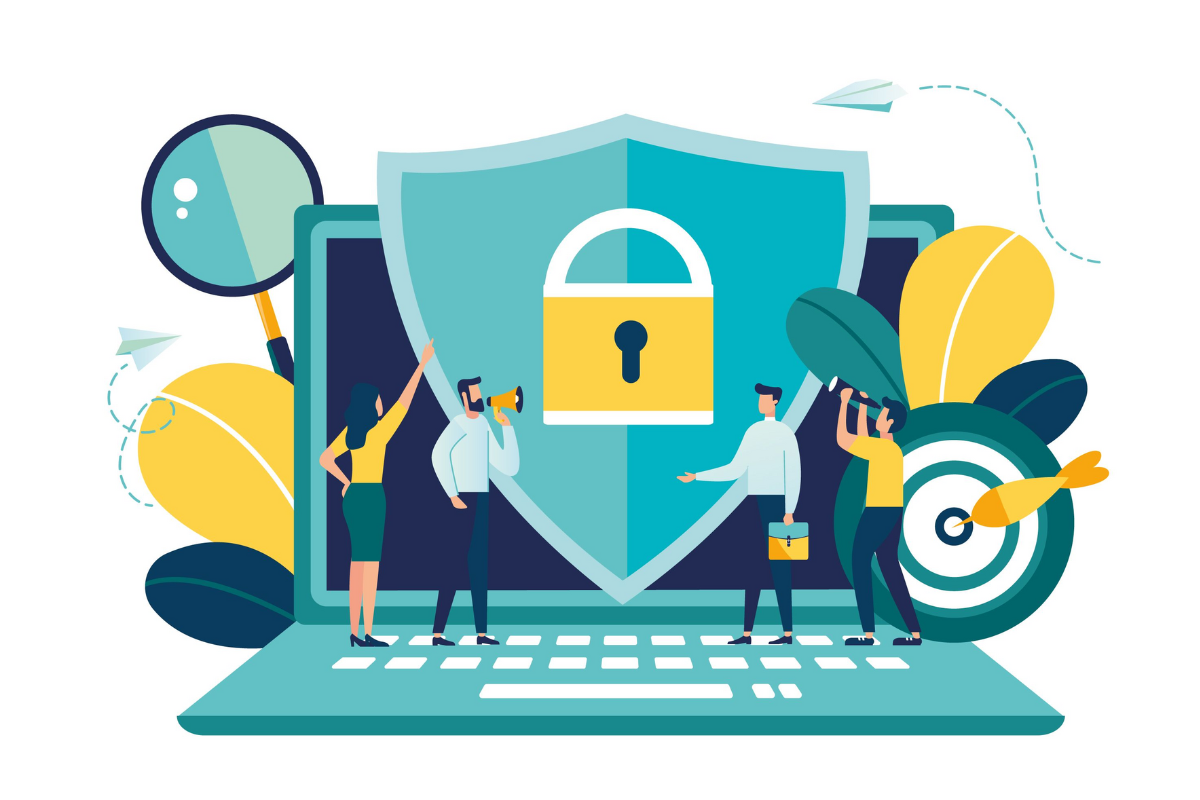
In conclusion, the vulnerability of K-12 schools to ransomware attacks is a significant issue demanding immediate attention. The consequences can range from financial strain to educational disruption and psychological harm. By understanding the methods and motivations of attackers, implementing robust defense strategies, and fostering a culture of cybersecurity awareness, we can better protect these institutions and ensure a secure learning environment for all students.
Addressing the unique challenges faced by K-12 schools requires a collaborative effort involving schools, technology providers, government agencies, and the community.
FAQ Resource
What are the most common methods attackers use to target K-12 schools?
Attackers often exploit vulnerabilities in outdated software, weak passwords, phishing emails, and malicious websites. They also target third-party vendors with access to the school network.
What are the financial implications of ransomware attacks on K-12 schools?
The costs can include ransom payments, recovery efforts, lost revenue from disrupted operations, legal fees, and the potential for reputational damage.
How can K-12 schools improve their cybersecurity posture?
Schools can implement multi-factor authentication, robust firewalls, and regular security training for staff and students. Regular software updates and patching are also crucial.
What role do third-party vendors play in increasing vulnerabilities?
Third-party vendors with access to school networks can introduce vulnerabilities if their security protocols are inadequate. Proper vetting and monitoring of these vendors are essential.