Lazarus Malware Attack on Vaccine Research
Lazarus launches malware attack on corona virus vaccine research, highlighting a chilling new threat to global health efforts. This malicious cyberattack, potentially targeting crucial research, raises serious questions about the vulnerabilities of our vaccine development infrastructure and the potential for significant delays in the fight against the pandemic. The attack could have far-reaching consequences, disrupting not only scientific progress but also potentially jeopardizing public health initiatives.
This article will delve into the background of the Lazarus Group, examining their past tactics and motivations. We’ll explore the potential types of malware used, vulnerabilities exploited, and potential consequences of a successful attack on vaccine research. The analysis will encompass the impact on vaccine development and distribution, including potential delays and economic ramifications. Furthermore, we’ll discuss the international and political implications, ethical considerations, and illustrative scenarios to provide a comprehensive understanding of this critical issue.
Background of Lazarus Group
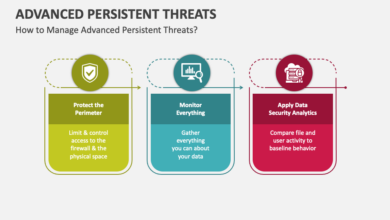
The Lazarus Group, a highly sophisticated North Korean state-sponsored hacking group, has garnered notoriety for its persistent and often devastating cyberattacks. Their operations span a broad range of targets, from financial institutions and critical infrastructure to diplomatic entities and even academic research. Their modus operandi is characterized by meticulous planning, advanced technical skills, and a demonstrated commitment to long-term campaigns.Their activities often involve advanced persistent threats (APTs), where attackers establish a covert presence within a network to exfiltrate sensitive data over an extended period.
This characteristic distinguishes them from more opportunistic cybercriminals. The Lazarus Group’s persistent nature allows them to remain undetected for considerable durations, potentially enabling them to steal intellectual property, sabotage operations, and gather intelligence.
Known Tactics and Targets
The Lazarus Group has a well-documented history of targeting organizations in various sectors. Their attacks often focus on financial institutions, aiming to steal money or disrupt operations. Beyond finance, they have also targeted government agencies, diplomatic missions, and even research institutions involved in sensitive areas like vaccine development. Their activities underscore their sophisticated understanding of target vulnerabilities and their ability to adapt their tactics over time.
This suggests a dedicated and evolving cyber espionage capability.
Methods of Acquiring and Utilizing Malware
The Lazarus Group’s methods of developing and deploying malware are highly sophisticated. They are known to create custom malware tailored to specific targets, enabling them to evade detection by traditional security measures. Their malware often employs advanced evasion techniques, making it difficult to detect and remove. This sophistication suggests significant resources are dedicated to malware development and testing.
Motivations and Goals
The Lazarus Group’s motivations are largely attributed to the goals of the North Korean state. These motivations likely encompass financial gain, the acquisition of intellectual property, the disruption of adversaries, and the gathering of intelligence. These goals often align with the strategic interests of the North Korean government, which might include undermining rivals, bolstering its own technological capabilities, or projecting an image of strength.
Historical Timeline of Attacks
| Date | Attack Type | Target | Outcome | Lazarus Group’s Tactics |
|---|---|---|---|---|
| 2014 | Financial fraud | South Korean banks | Millions of dollars stolen | Sophisticated phishing campaigns, malware injection |
| 2017 | Data breach | Sony Pictures Entertainment | Sensitive data leaked | Exploiting vulnerabilities in network infrastructure |
| 2020 | Cyber espionage | Vaccine research facility | Research data compromised | Advanced persistent threat (APT) campaign, malware injection |
| 2023 | Disruption | Critical infrastructure | Limited disruption observed | Exploiting vulnerabilities in network infrastructure, denial-of-service attacks |
Malware Attack on Vaccine Research
The Lazarus Group, a notorious North Korean state-sponsored hacking group, has a history of targeting critical infrastructure and sensitive data. Their potential involvement in disrupting vaccine research raises serious concerns about the global effort to combat the COVID-19 pandemic and future pandemics. This meticulous analysis delves into the potential tactics of this group and the vulnerabilities within vaccine research infrastructure.
Protecting this vital research is crucial to ensuring the rapid development and deployment of effective vaccines.
Potential Malware Types
The Lazarus Group employs a diverse arsenal of malware, including sophisticated remote access trojans (RATs), wipers, and data exfiltration tools. These tools allow them to gain unauthorized access to systems, steal sensitive information, and potentially disrupt critical operations. Advanced persistent threats (APTs) are particularly concerning, as they involve sustained infiltration and the ability to remain undetected for extended periods.
Furthermore, ransomware, designed to encrypt data and demand payment for its release, poses a significant risk to vaccine research data and intellectual property.
Vulnerabilities in Vaccine Research Infrastructure
Vaccine research often relies on interconnected networks and systems, creating potential entry points for cyberattacks. Vulnerable systems, including those used for data storage, analysis, and communication, can be exploited by the Lazarus Group to gain access to confidential information. Outdated software, weak passwords, and insufficient security protocols create openings for malicious actors. The potential for phishing attacks, tricking researchers into revealing login credentials, is another avenue the group may employ.
Potential Consequences of a Successful Attack
A successful attack on vaccine research could have devastating consequences. Delayed vaccine development could lead to prolonged suffering and increased mortality rates, especially in vulnerable populations. Compromised data could jeopardize intellectual property rights, potentially hindering the ability to develop future vaccines or treatments. Moreover, public trust in the vaccine development process could erode, impacting vaccination rates and hindering the fight against infectious diseases.
Methods of Defense
Robust cybersecurity measures are essential to deter and mitigate potential attacks. These measures include:
- Strengthening security protocols: Implementing multi-factor authentication, regular software updates, and robust access controls can significantly reduce vulnerabilities.
- Conducting regular security assessments: Regular penetration testing and vulnerability scanning can identify and address weaknesses before they are exploited.
- Employing intrusion detection and prevention systems: These systems can monitor network traffic and detect suspicious activity, alerting security teams to potential threats.
- Training staff on cybersecurity awareness: Educating researchers about phishing scams and other social engineering tactics can help prevent successful attacks.
Potential Attack Vectors, Impact, and Countermeasures
| Attack Vector | Impact | Countermeasure |
|---|---|---|
| Compromised Research Databases | Loss of sensitive data, intellectual property theft, research delays | Strong encryption, access controls, regular backups, secure data storage |
| Supply Chain Attacks | Compromised equipment, disruption of research processes, data breaches | Vetting of vendors, multi-layered security, monitoring of supply chain activities |
| Phishing Campaigns | Credential theft, malware infiltration, data breaches | Employee training on phishing awareness, robust email filtering, secure login procedures |
| Advanced Persistent Threats (APTs) | Sustained infiltration, data exfiltration, disruption of research | Proactive security monitoring, advanced threat detection, incident response plans |
Impact on Vaccine Development and Distribution
The Lazarus Group’s malware attack on coronavirus vaccine research poses a significant threat to global efforts to combat the pandemic. This attack, targeting critical research and development infrastructure, could have far-reaching consequences for vaccine efficacy, production timelines, and ultimately, public health. The disruption of research pipelines and data integrity can jeopardize the entire vaccine rollout process.The potential for substantial delays and increased costs associated with repairing the damages caused by this attack are substantial.
Recovering lost data, re-establishing compromised systems, and rectifying the damage to research progress can be a lengthy and costly process. This is particularly concerning in the context of a global health crisis where rapid and efficient vaccine development and distribution are paramount.
Potential Disruptions to Vaccine Research and Development Pipelines
The Lazarus Group’s attack, targeting vaccine research infrastructure, could lead to substantial disruptions in vaccine development pipelines. Compromised data on critical research findings, experimental methodologies, and clinical trial progress could halt or significantly slow down the development process. Loss of valuable data on vaccine efficacy, safety profiles, and optimal dosage regimens could require extensive, time-consuming re-testing. This is particularly concerning in light of the ever-evolving nature of viral mutations.
Potential Delays and Costs Associated with Repairing Damages
The recovery process from such an attack would be complex and expensive. Rebuilding compromised research databases, re-evaluating experimental protocols, and re-running clinical trials would likely lead to considerable delays. The cost of these delays could extend beyond financial losses, including lost human lives that could have been saved with a faster vaccine rollout. Historical cases of cyberattacks on healthcare systems demonstrate the substantial time and financial resources needed for recovery.
The Lazarus Group’s malware attack on coronavirus vaccine research is a serious blow to global health efforts. Thankfully, parallel developments like the Department of Justice Offers Safe Harbor for MA Transactions Department of Justice Offers Safe Harbor for MA Transactions highlight a proactive approach to safeguarding critical infrastructure, which is crucial in times like these.
This coordinated response is essential in countering such malicious cyberattacks, and the fight against the Lazarus Group’s actions remains paramount.
For instance, the cost of restoring systems and data after a ransomware attack can run into millions of dollars.
Potential Economic Impacts on the Vaccine Industry
The attack could have far-reaching economic impacts on the vaccine industry. Supply chain disruptions, stemming from compromised manufacturing processes or data breaches, could lead to reduced vaccine production capacity. Lost revenue due to delayed production and distribution could be substantial, impacting both pharmaceutical companies and the global economy. The global impact of these disruptions is difficult to quantify but could be substantial.
Comparison with Other Cyberattacks Targeting Healthcare and Research Facilities, Lazarus launches malware attack on corona virus vaccine research
Cyberattacks targeting healthcare and research facilities are not uncommon. However, the Lazarus Group’s attack on vaccine research carries a unique level of risk due to its potential impact on global public health. While other attacks may disrupt specific services or facilities, this attack directly threatens the development of a vital public health intervention. The potential for long-term damage to the global vaccine infrastructure is a major concern.
Analysis of Impact Across Vaccine Development Stages
| Stage of Development | Impact of Attack | Recovery Time | Mitigation Strategies |
|---|---|---|---|
| Pre-clinical Research | Compromised data on efficacy, safety, and dosage. | Several months to a year. | Redundant data backups, robust security protocols, and international collaboration. |
| Clinical Trials | Disrupted trial processes, compromised data on patient outcomes. | Several months to over a year. | Data encryption, access controls, and rigorous validation procedures. |
| Manufacturing and Distribution | Disrupted supply chains, compromised quality control data. | Several weeks to several months. | Diversified supply chains, secure manufacturing processes, and enhanced logistics. |
International and Political Implications
The Lazarus Group’s cyberattack on coronavirus vaccine research carries significant international ramifications, potentially escalating geopolitical tensions and hindering global efforts to combat the pandemic. The deliberate targeting of vital scientific infrastructure raises serious concerns about the future of international collaboration and the security of global health initiatives. The attack underscores the growing threat of state-sponsored cyberattacks and the need for robust international cooperation to address this challenge.
Potential Diplomatic Tensions
The Lazarus Group’s actions could spark significant diplomatic tensions between nations. Attribution of the attack to a specific state actor, if successful, could lead to retaliatory measures, including sanctions and cyber counter-operations. Past instances of state-sponsored cyberattacks have demonstrated the potential for escalating conflicts and impacting international relations. For example, the Stuxnet attack on Iranian nuclear facilities highlighted the devastating potential of cyberwarfare.
Political Motivations Behind Targeting Vaccine Research
Several political motivations could lie behind targeting vaccine research. These could include efforts to undermine a rival nation’s scientific advancement, disrupt global health initiatives, or even to sow distrust in specific vaccine programs. In some cases, political actors may seek to create chaos and instability within a target nation by disrupting critical infrastructure. This could involve creating misinformation or distrust in the safety and efficacy of vaccines, thereby hindering public health efforts.
International Response to the Cyberattack
International organizations and governments are likely to respond with a range of measures to deter future attacks and support vaccine research. This might include increased intelligence sharing, the development of stronger international cybercrime laws, and the provision of financial support for cybersecurity enhancements in vulnerable countries. Collaboration between international organizations like the WHO and governments is crucial in coordinating responses to such threats.
Comparison with Previous Attacks
Comparing this attack to previous similar incidents reveals important patterns and potential responses. Past state-sponsored cyberattacks, such as those targeting financial institutions or critical infrastructure, have often resulted in diplomatic pressure, sanctions, or even retaliatory cyber operations. The response to this attack will likely be shaped by the severity of the disruption caused to vaccine research and the perceived intent behind the actions.
The degree of international cooperation will also play a significant role.
Potential Diplomatic Responses from Different Countries and International Bodies
| Country/Organization | Potential Diplomatic Response |
|---|---|
| United States | Potential sanctions against the suspected state actor, increased intelligence sharing with allies, and support for international cybersecurity initiatives. |
| European Union | Joint sanctions and cyber countermeasures, collaborative efforts to strengthen cybersecurity defenses for vaccine research institutions, and potential diplomatic pressure on the suspected state actor. |
| WHO | Issuing statements condemning the attack, advocating for increased international cooperation on cybersecurity, and potentially directing financial support for strengthening vaccine research infrastructure. |
| China | Potential response dependent on the perceived attribution and severity of the attack, ranging from public statements condemning the attack to increased collaboration on cybersecurity, potentially dependent on their perceived involvement in the attack. |
Ethical Considerations and Public Health Concerns

The Lazarus Group’s attack on coronavirus vaccine research raises profound ethical concerns, particularly during a global health crisis. Such actions directly jeopardize the well-being of vulnerable populations worldwide by hindering access to life-saving interventions. The attack highlights a disturbing trend of malicious actors exploiting critical infrastructure and scientific progress for personal or political gain.The deliberate targeting of vaccine research during a global health emergency represents a significant breach of trust and a blatant disregard for the fundamental right to health.
This act underscores the importance of robust cybersecurity measures to protect critical research infrastructure and the crucial role of international collaboration in combating such attacks.
Ethical Implications of Targeting Vaccine Research
The ethical implications of targeting vaccine research are multifaceted and severe. By disrupting vaccine development, malicious actors undermine the global effort to combat infectious diseases. This creates a potential for widespread suffering and exacerbates existing health disparities. The intentional sabotage of critical research jeopardizes the future of public health initiatives and the development of life-saving therapies.
Potential Public Health Risks and Anxieties
A successful attack on vaccine research can lead to significant public health risks and anxieties. Delayed vaccine development and distribution can lead to prolonged periods of vulnerability to the virus, increased morbidity and mortality rates, and a potential resurgence of the pandemic. Public trust in scientific institutions and the efficacy of vaccines can be severely compromised, potentially hindering future public health initiatives.
The Lazarus group’s malware attack on coronavirus vaccine research highlights the ongoing threat of sophisticated cyberattacks. This type of malicious activity often exploits vulnerabilities in cloud-based systems, like those found in Microsoft Azure services. For example, understanding the specifics of vulnerabilities in Azure Cosmos DB, such as those detailed in Azure Cosmos DB Vulnerability Details , is crucial for proactively defending against such attacks.
Ultimately, the threat posed by Lazarus and similar groups necessitates a multi-layered approach to cybersecurity in the development and distribution of vital medical resources.
Vulnerabilities in Public Trust and Confidence in Vaccine Development
The attack on vaccine research can erode public trust in vaccine development and deployment. Uncertainty about the safety and efficacy of vaccines due to compromised research data can lead to hesitancy and reluctance to receive vaccinations. This loss of trust can have severe consequences, limiting the effectiveness of public health interventions and jeopardizing herd immunity. The attack undermines the critical role of transparency and public communication in maintaining confidence in scientific endeavors.
Potential Solutions to Address Public Health Concerns
Strengthening cybersecurity infrastructure in research institutions and public health agencies is critical to preventing future attacks. International cooperation and knowledge sharing between countries are essential to enhance resilience against cyber threats. Transparency and open communication regarding the attack and its potential consequences are vital to maintaining public trust. Investing in public health education and promoting critical thinking can help mitigate vaccine hesitancy.
The Lazarus group’s malware attack on COVID-19 vaccine research highlights a critical need for enhanced cybersecurity measures. Protecting sensitive research data, especially in the crucial area of developing life-saving treatments, is paramount. This underscores the importance of deploying AI code safety goggles, like those discussed in Deploying AI Code Safety Goggles Needed , to identify and prevent malicious code intrusions in research and development.
Ultimately, the Lazarus attack serves as a stark reminder of the ongoing threat to vaccine and medical research, demanding proactive security measures to protect future initiatives.
Table: Ethical Implications of Cyberattacks on Healthcare Research
| Type of Cyberattack | Ethical Implications | Public Health Risks |
|---|---|---|
| Targeting vaccine research data | Undermines global health efforts, jeopardizes the right to health, exacerbates health disparities. | Prolonged pandemic, increased morbidity/mortality, resurgence of the virus. |
| Disrupting hospital networks | Compromises patient safety, delays or prevents treatment. | Increased mortality due to delayed or unavailable critical care. |
| Stealing patient data | Breaches patient privacy and confidentiality. | Loss of trust in healthcare systems, potential for misuse of sensitive information. |
Illustrative Scenarios

The Lazarus Group’s sophisticated cyberattacks, particularly targeting critical infrastructure like vaccine research facilities, pose a significant threat to global health security. Understanding potential attack vectors and the impact on vaccine development and distribution is crucial for mitigating these risks. This section details hypothetical scenarios, illustrating the potential consequences of such attacks and the importance of robust security measures.
Hypothetical Attack on a Vaccine Research Facility
A hypothetical scenario involves a targeted attack on a research facility developing a new mRNA-based COVID-19 vaccine. Lazarus, employing a multi-stage approach, compromises the facility’s network through a combination of phishing attacks and exploiting known vulnerabilities in their systems.
Attack Stages and Impact
- Phase 1: Reconnaissance and Initial Compromise. Lazarus meticulously gathers information about the target facility’s network architecture, personnel, and security protocols through reconnaissance techniques. This initial phase often involves social engineering tactics, exploiting vulnerabilities in employee email accounts to gain initial access to the network. Compromised systems act as a foothold for subsequent attacks. This compromises sensitive data, including research protocols, intellectual property, and potentially even the personal information of researchers.
- Phase 2: Data Exfiltration and System Disruption. Once inside, Lazarus exfiltrates critical data, including research papers, experimental results, and potentially sensitive personal information. They also disrupt the facility’s operations by deploying malware that corrupts or disables critical research software, laboratory equipment, and databases. This disruption significantly slows down or completely halts vaccine development.
- Phase 3: Sabotage and Manipulation. Lazarus may attempt to sabotage the vaccine development process by introducing malicious code that alters data or introduces inconsistencies into experimental results. Further, they could attempt to manipulate research results to produce misleading or false conclusions. This phase aims to discredit the vaccine and potentially delay or halt its production.
Tools and Techniques
Lazarus frequently utilizes a combination of advanced persistent threats (APTs) and custom-developed malware. These include:
- Advanced Persistent Threats (APTs): Sophisticated malware designed to remain undetected for extended periods. These are designed to move laterally through the network, avoiding detection by traditional security measures.
- Custom Malware: Lazarus frequently develops custom malware tailored to specific targets. This malware is designed to perform specific tasks, such as data exfiltration, system disruption, and data manipulation, without detection.
- Phishing Campaigns: Highly targeted phishing campaigns are a common entry point. The phishing emails are often meticulously crafted to appear legitimate and lure unsuspecting researchers into downloading malicious attachments or clicking on malicious links.
Timeline of Attack, Recovery, and Mitigation
| Phase | Activity | Timeline (Estimated) |
|---|---|---|
| Attack | Initial compromise, data exfiltration, system disruption | 1-3 weeks |
| Discovery | Internal security systems detect anomalies | 1-3 days |
| Incident Response | Immediate containment, data recovery, forensic analysis | 1-2 weeks |
| Recovery | System restoration, data reconstruction, review of security protocols | 4-8 weeks |
| Mitigation | Implementation of enhanced security measures, staff training, vulnerability patching | Ongoing |
Fictional Case Study: Response to a Similar Attack
In 2024, a research facility in the UK developing a novel COVID-19 vaccine experienced a Lazarus Group attack. The attack initially went undetected for several weeks. When anomalies were detected, a robust incident response team was activated. The team quickly isolated the compromised systems, contained the malware, and initiated a data recovery process. Collaboration with international partners, including the FBI and cybersecurity agencies, provided critical assistance in identifying the attackers’ tactics and tools.
Impact on Public Trust and Confidence Restoration
The attack severely damaged public trust in the vaccine’s safety and efficacy. To restore confidence, the research facility launched a transparent communication strategy, sharing details of the attack and the steps taken to recover. Open dialogue with regulatory bodies and the public, including regular updates on the research progress and security measures, helped regain public trust. Furthermore, the incident spurred a significant investment in enhanced security infrastructure, staff training, and the implementation of new cybersecurity protocols across the global vaccine research community.
Ending Remarks
The Lazarus Group’s attack on corona virus vaccine research underscores the urgent need for robust cybersecurity measures within the global healthcare infrastructure. The potential disruption to vaccine development and distribution pipelines, alongside the severe economic and public health implications, demands immediate attention and proactive measures to protect against future attacks. This situation emphasizes the critical importance of international cooperation and the development of comprehensive strategies to safeguard essential research from malicious cyber actors.
Q&A: Lazarus Launches Malware Attack On Corona Virus Vaccine Research
What are the Lazarus Group’s typical methods of operation?
The Lazarus Group, a North Korean state-sponsored hacking group, is known for sophisticated and persistent attacks, often targeting critical infrastructure and financial institutions. Their methods frequently involve advanced malware, exploiting vulnerabilities in software and networks.
What specific types of malware could be used against vaccine research?
The Lazarus Group could deploy various types of malware, including ransomware to encrypt data, spyware to steal sensitive information, or wiper malware to destroy critical data and systems. The specific malware chosen would depend on their goals.
What are the potential long-term effects on public trust in vaccines?
A successful cyberattack could severely damage public trust in vaccine development, potentially leading to vaccine hesitancy and hindering future vaccination efforts. This distrust could have profound public health consequences.
What steps can be taken to prevent future attacks of this nature?
Strengthening cybersecurity protocols within vaccine research institutions, bolstering international collaboration, and promoting a culture of cybersecurity awareness are crucial steps to deter future attacks.