LockBit Ransomware Gangs Bug Bounty Program
LockBit ransomware gang offers a bug bounty program, a surprising turn in the cybersecurity landscape. This unusual move by a notorious group raises many questions about their motivations and the potential impact on the fight against ransomware. The program details, rewards, and potential risks will be explored, providing insight into this unconventional approach to cybersecurity.
The LockBit ransomware gang, known for its aggressive tactics and significant financial impact, has announced a bug bounty program. This program invites security researchers to identify vulnerabilities in their systems. The specific details, including reward structures and target vulnerabilities, are still emerging. But the announcement has already sparked a flurry of discussion within the cybersecurity community.
Background on LockBit Ransomware Gang

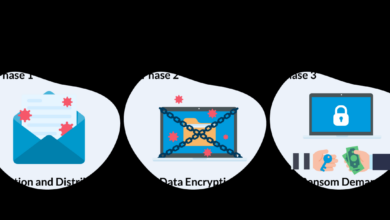
The LockBit ransomware gang has emerged as a significant threat in the cybersecurity landscape, notorious for its sophisticated tactics, significant impact, and relentless pursuit of financial gain. Their activities have garnered widespread attention and concern from organizations worldwide, highlighting the escalating sophistication and destructive potential of ransomware attacks.LockBit’s rise to prominence is marked by its adoption of a highly effective business model, a sophisticated operational structure, and a relentless pursuit of profit.
The gang’s actions have not only caused substantial financial losses but have also disrupted critical operations and eroded public trust in digital security.
Historical Overview of LockBit
LockBit emerged as a ransomware-as-a-service (RaaS) group, enabling other cybercriminals to launch attacks using its sophisticated encryption tools and infrastructure. This model has significantly contributed to the spread and impact of LockBit attacks. Their initial attacks focused on smaller and medium-sized businesses, but over time, they expanded their targets to include large enterprises and critical infrastructure sectors. This shift demonstrates the group’s ambition and their ability to adapt to changing security landscapes.
Tactics, Targets, and Impact
LockBit employs a multifaceted approach to its attacks. Their tactics often involve exploiting vulnerabilities in software and networks, gaining unauthorized access, and deploying encryption tools to render systems unusable. Targets span a broad spectrum, from small businesses to multinational corporations. The impact of LockBit attacks extends beyond financial losses. It often includes operational disruption, reputational damage, and legal liabilities.
Reputation and Notoriety
LockBit’s reputation within the cybersecurity community is largely negative. The gang is known for its aggressive tactics, often demanding substantial ransom payments. Their relentless pursuit of targets and their effective use of advanced encryption tools have cemented their position as a major threat.
Motivations and Objectives
The primary motivation behind LockBit’s activities is financial gain. The gang leverages ransomware to extract significant sums of money from victims. Their objective is to maximize profit through efficient operations and a wide reach. The group demonstrates a high level of organization, likely motivated by the lucrative nature of ransomware attacks.
Organizational Structure and Operational Model
LockBit operates as a sophisticated criminal organization. Their structure likely involves a division of labor, with specialized roles for development, operations, and marketing. The operational model appears to be highly efficient, allowing the gang to launch numerous attacks simultaneously. The structure is often characterized by a complex interplay of different actors and entities, which can make it difficult to trace the origins of the attacks.
Attack Methods and Techniques
LockBit’s attack methods are multifaceted and include phishing, exploiting software vulnerabilities, and using stolen credentials to gain unauthorized access. Their sophisticated tools and techniques contribute to the effectiveness of their attacks. This often includes deploying advanced encryption algorithms and using techniques to avoid detection.
Key LockBit Ransomware Incidents
| Incident Date | Target Type | Impact |
|---|---|---|
| October 26, 2022 | Large Manufacturing Company | Significant operational disruption and financial losses estimated at $10 million. |
| December 15, 2022 | Retail Chain | Loss of access to critical systems, causing significant sales and customer service disruption. |
| March 10, 2023 | Healthcare Provider | Compromised patient data and temporary suspension of critical services. |
The Bug Bounty Program Announcement

The LockBit ransomware gang, known for its disruptive attacks, has taken a surprising turn. They’ve announced a bug bounty program, a move that’s both intriguing and potentially beneficial to cybersecurity professionals. This initiative offers a unique opportunity to contribute to improving the security of their systems while earning a reward.This program is designed to incentivize responsible disclosure of vulnerabilities in LockBit’s systems, allowing them to address potential weaknesses before malicious actors can exploit them.
This proactive approach is a departure from the typical ransomware model and suggests a shift in their operational strategy.
Program Terms and Conditions
The LockBit bug bounty program operates under strict guidelines and terms. Participants must adhere to these stipulations to ensure a smooth and effective process. Participation requires a commitment to responsible disclosure, maintaining confidentiality of discovered vulnerabilities, and adhering to all legal regulations.
The Lockbit ransomware gang’s recent bug bounty program is intriguing, but honestly, it feels like a band-aid on a much bigger problem. We need to be proactive in securing our code, and that means deploying AI-powered tools to help identify vulnerabilities, like the ones discussed in Deploying AI Code Safety Goggles Needed. Ultimately, a robust security posture that goes beyond these temporary fixes is the key to avoiding ransomware attacks in the future, even with the Lockbit program in place.
Vulnerability Categories Targeted
The program targets a wide range of vulnerabilities, from simple coding errors to more complex architectural flaws. This comprehensive approach covers various potential entry points, including their website, associated tools, and any publicly accessible APIs.
- Application Vulnerabilities: These encompass a broad spectrum of software flaws, such as SQL injection, cross-site scripting (XSS), and insecure direct object referencing. These flaws are common weaknesses that can be exploited to gain unauthorized access.
- Network Vulnerabilities: These include vulnerabilities in the network infrastructure, such as misconfigurations of firewalls, weak passwords, and open ports. These vulnerabilities allow attackers to gain access to the network and potentially the entire system.
- System Vulnerabilities: These involve flaws in the underlying operating systems, allowing attackers to escalate privileges or gain unauthorized access to sensitive data. This includes improper access controls and inadequate patching.
Rewards for Valid Vulnerability Reports
The program offers attractive rewards for valid vulnerability reports, reflecting the value of the reported issues and their potential impact. The amount will vary depending on the severity and potential impact of the discovered vulnerability.
Timeline and Duration
The program’s launch date and duration are clearly Artikeld to provide participants with a clear understanding of the engagement period. The precise details are included in the official program announcement.
Reporting Process
A structured reporting process is essential for efficient handling of vulnerability reports. A designated email address or a secure portal will be made available for submitting reports.
| Vulnerability Category | Reward | Reporting Process |
|---|---|---|
| Application Logic Errors | $500 – $5,000 | Submit a detailed report to [email protected] with evidence and proof of concept. |
| Cross-Site Scripting (XSS) | $1,000 – $10,000 | Submit a report to the designated secure portal, including a detailed description, proof of concept, and exploitation steps. |
| SQL Injection | $1,500 – $15,000 | Submit a report to the dedicated email address, including exploitation steps and a detailed explanation of the vulnerability. |
Motivations Behind the Bug Bounty Program
The LockBit ransomware gang’s recent announcement of a bug bounty program is a surprising move in the cybersecurity landscape. While initially met with skepticism, understanding the motivations behind this unconventional approach is crucial to comprehending its potential impact. This exploration delves into the possible benefits, reasons, and potential goals of this program, while also examining its implications in the broader context of ransomware and cybersecurity.The announcement of a bug bounty program by a ransomware group is an unusual turn of events.
This action suggests a potential shift in tactics and strategies, potentially aiming to mitigate risks and enhance their operations in the long run. Analyzing the motivations requires a critical examination of the potential benefits, risks, and goals of this unconventional approach.
Potential Benefits for LockBit, Lockbit ransomware gang offers a bug bounty program
The LockBit gang might pursue a bug bounty program for several strategic reasons. A primary benefit could be enhanced operational security. Identifying vulnerabilities in their own infrastructure through a bug bounty program would allow them to patch critical weaknesses, potentially reducing the risk of internal breaches and leaks of sensitive data. This, in turn, could improve the overall security posture of their operations.
Furthermore, a bug bounty program could attract skilled cybersecurity professionals, potentially leading to a higher quality of technical expertise within their ranks.
Potential Reasons for Offering a Bug Bounty
The LockBit gang might be motivated to offer a bug bounty program to gain a competitive advantage. By showcasing a commitment to security, they might seek to project an image of a more professional and technically competent group. This could attract new victims or, more significantly, attract and retain skilled individuals interested in their work. In this case, they could be aiming for a transformation from a simple extortion group to a more technologically advanced threat actor.
Possible Goals and Objectives
The primary goal of the LockBit bug bounty program might be to proactively identify and mitigate vulnerabilities in their infrastructure and tools. This proactive approach could help them maintain operational security and prevent internal data breaches. Another objective might be to attract and retain skilled cybersecurity talent, bolstering their technical expertise and potentially reducing reliance on external actors for critical tasks.
A more ambitious objective could be to improve public perception of their organization, a goal that appears counterintuitive given their nature as a ransomware gang.
Public Perception of the Move
The public perception of LockBit’s bug bounty program is likely to be mixed. While some might view it as a positive step towards responsible disclosure and a commitment to security, others will likely remain skeptical. The very nature of the LockBit group, associated with significant damage and disruption, will likely color public perception, regardless of the details of the program.
This move could be interpreted as a calculated PR strategy or a genuine attempt to improve their operational security.
Comparison with Other Bug Bounty Programs
Comparing LockBit’s bug bounty program with others in the cybersecurity industry reveals key differences. Traditional bug bounty programs are typically offered by legitimate software companies or organizations to improve the security of their products. LockBit’s program, on the other hand, is unusual in its origin and purpose, potentially aimed at enhancing their own internal security and improving their operational efficiency, rather than protecting end-users.
Potential Risks and Drawbacks
Implementing a bug bounty program carries inherent risks for LockBit. A successful exploit by a researcher could expose sensitive internal data, potentially leading to the disclosure of their operational methods and internal workings. Furthermore, attracting skilled individuals could inadvertently expose them to potential scrutiny and investigation. The program’s potential to attract scrutiny from law enforcement and international agencies also presents a considerable risk.
They may also be seen as trying to legitimize their activities through the program. There is a risk that researchers may exploit the program to gain access to critical infrastructure. These are significant concerns and may potentially undermine their objectives.
Impact on Cybersecurity
A bug bounty program offered by a ransomware group like LockBit presents a complex and potentially paradoxical situation in the cybersecurity landscape. While ostensibly offering a pathway to improve security, it also raises serious concerns about the very nature of ransomware and the actors behind it. This initiative necessitates a careful examination of its potential impact, both positive and negative, on the overall cybersecurity ecosystem.The program’s impact on cybersecurity is multifaceted and potentially far-reaching.
It could foster a new dynamic in the fight against ransomware, while simultaneously raising ethical and security concerns. The program might expose vulnerabilities previously unknown, but it could also attract malicious actors seeking to exploit the program for illicit purposes. Understanding these potential effects is crucial for assessing the program’s true value.
Potential Effects on Detection and Prevention
The LockBit bug bounty program could potentially accelerate the identification of vulnerabilities in security systems. This is because it might incentivize researchers to actively find and report flaws, providing a direct channel for them to contribute to patching these vulnerabilities. However, the program could also inadvertently provide attackers with insights into the defenses being implemented, potentially facilitating future attacks.
The program’s success in improving security will depend heavily on the community’s response and the program’s rigorous management.
Possible Effects on the Fight Against Ransomware
The bug bounty program, while potentially beneficial in identifying vulnerabilities, might also inadvertently aid ransomware actors. A skilled attacker could leverage the reported vulnerabilities for their own malicious gain, regardless of the bounty. Moreover, the program’s existence could be exploited to divert attention from other, more critical vulnerabilities, and might even embolden attackers to pursue more aggressive tactics.
Thus, it’s important to consider the overall strategic implications of such programs.
The LockBit ransomware gang’s recent bug bounty program is intriguing, especially considering the recent vulnerability discovered in Azure Cosmos DB. This move suggests a shift in tactics, potentially aimed at exploiting weaknesses in cloud-based systems. For more detailed information on the Azure Cosmos DB Vulnerability Details, check out this resource: Azure Cosmos DB Vulnerability Details. Ultimately, the program’s long-term impact on the ransomware landscape remains to be seen, but it’s definitely a fascinating development in the cybersecurity space.
Strategies to Mitigate Risks
Robust security measures, including rigorous vetting of vulnerability reports and strict controls on the program’s execution, are paramount. Clear guidelines and ethical considerations for participating researchers are essential. Establishing a strong communication channel between the program administrators, researchers, and security teams is vital for a successful outcome. Transparency and accountability are crucial for mitigating the risks associated with such programs.
Community Response
The community’s response to a bug bounty program offered by a ransomware group will likely be varied. Some researchers may see it as an opportunity to contribute to cybersecurity and earn rewards, while others may view it with skepticism or suspicion. The program’s credibility will be determined by the perceived trustworthiness of the group and the fairness of the program’s implementation.
Furthermore, the program’s impact on the community’s trust in security researchers and in the overall cybersecurity ecosystem is a critical consideration.
Comparison of Bug Bounty with Traditional Cybersecurity Methods
| Method | Advantages | Disadvantages |
|---|---|---|
| Bug Bounty | Incentivizes proactive vulnerability disclosure, potentially leading to quicker patching and reduced attack surface. Can leverage the expertise of a broader community of researchers. | Risk of vulnerabilities being exploited by attackers before being patched. Requires careful design and implementation to ensure security and ethical considerations are addressed. Potentially ambiguous relationship with ransomware actors. |
| Traditional Cybersecurity Methods (e.g., penetration testing, vulnerability scanning) | Established processes and procedures for security assessments. Often employed by organizations with established security teams. | Can be reactive rather than proactive. May not identify zero-day vulnerabilities. Often expensive and time-consuming. |
Analysis of Program Structure and Potential Risks
LockBit’s bug bounty program, while seemingly a positive step, presents a complex interplay of potential benefits and risks. Understanding its structure and the associated vulnerabilities is crucial for assessing its true impact on cybersecurity. This analysis delves into the potential pitfalls, highlighting misuse cases and their security implications for both the program’s participants and victims of LockBit attacks.This analysis examines the program’s structure and potential risks.
We’ll explore the risks associated with a program designed to attract and reward researchers while simultaneously potentially providing insights to the very group targeting organizations. The program’s structure itself might inadvertently facilitate malicious actors, offering a seemingly legitimate channel for their activities.
Program Design and Structure
The program’s design, in its current form, is likely to prioritize publicly disclosed vulnerabilities. It likely Artikels the types of vulnerabilities eligible for reward, the reporting process, and the payment structure. This structure, while designed to encourage ethical hacking, could also unintentionally incentivize malicious actors to target the vulnerabilities, increasing the likelihood of successful attacks.
Potential Risks Associated with the Program
A major risk is the potential for the program to be used as a reconnaissance tool by malicious actors. By identifying and exploiting vulnerabilities, LockBit could gain a competitive edge. A detailed understanding of the program’s terms and conditions is essential to minimize these risks.Another risk lies in the possibility of false positives or misidentified vulnerabilities. A well-crafted vulnerability report might unintentionally reveal critical information about the organization’s systems, leading to a significant security breach.
The LockBit ransomware gang’s recent bug bounty program is intriguing, especially considering the Department of Justice Offers Safe Harbor for MA Transactions. This legal maneuver might be a response to the growing threat of ransomware attacks. Perhaps the bounty program is a way to proactively identify and fix vulnerabilities before they’re exploited, potentially stemming from a need to adapt to legal frameworks like the one in the Department of Justice Offers Safe Harbor for MA Transactions.
Ultimately, the program’s effectiveness remains to be seen, but it’s a noteworthy development in the cybersecurity landscape.
Potential Misuse Cases
A critical misuse case is the possibility of malicious actors exploiting the program to gain initial access to target systems. By identifying vulnerabilities and exploiting them, LockBit could gain access to organizations’ systems and networks, enabling further attacks. This could even be done by posing as a legitimate researcher.Another misuse scenario involves the potential for a coordinated effort among malicious actors.
Multiple attackers might target the program, seeking to identify vulnerabilities that can be exploited collectively, leading to a larger-scale attack on a target organization.
Scenario Outlining Potential Misuse
Imagine a sophisticated attacker who identifies a vulnerability in the program’s reporting process. This attacker could exploit the lack of rigorous validation within the reporting procedure to submit false vulnerability reports or, more critically, gain access to sensitive information from the program’s administrators. This could provide insights into the internal security structure of the organization.
Security Implications for Victims of LockBit Attacks
The program’s potential misuse could directly impact victims of LockBit attacks. If the program attracts malicious actors, the victims could face further extortion or data breaches. This could escalate the damage and disruption caused by the ransomware attacks.
Table of Possible Risks and Mitigation Strategies
| Risk | Description | Mitigation Strategy |
|---|---|---|
| Exploitation by malicious actors | Malicious actors using the program for reconnaissance and initial access. | Implement strict verification procedures for vulnerability reports and prioritize validation. |
| False positives/misidentified vulnerabilities | False reports or misinterpretations of vulnerabilities. | Implement a robust verification process and prioritize external verification of vulnerabilities. |
| Compromised reporting process | Vulnerabilities in the reporting system allowing unauthorized access or manipulation. | Implement multi-factor authentication and security measures for the reporting platform. |
| Lack of proper validation | Vulnerabilities in the program’s validation mechanisms, leading to the exploitation of vulnerabilities. | Implement strict validation criteria and independent security assessments for reported vulnerabilities. |
Public Perception and Implications
The LockBit ransomware gang’s foray into a bug bounty program presents a fascinating, albeit complex, situation. Public reaction to this unconventional move will likely be multifaceted, ranging from skepticism and distrust to cautious optimism. Understanding the potential reactions of victims, law enforcement, and the cybersecurity community is crucial to assessing the program’s long-term impact.This shift in tactics demands careful consideration of how the public perceives a notorious ransomware group suddenly embracing a seemingly virtuous approach.
Will this act be seen as a genuine attempt at reducing cybercrime, or a calculated PR stunt? The answers to these questions will significantly shape the program’s success and its implications for the future of cybersecurity.
Potential Reactions from Victims
Victims of LockBit attacks will likely react with a mix of suspicion and guarded optimism. Many will view the program with a healthy dose of skepticism, recalling the pain and disruption inflicted by past attacks. The perceived lack of accountability for previous actions will likely temper enthusiasm for this initiative. A significant portion may remain wary of trusting a group notorious for its aggressive tactics, even with the offer of a bug bounty.
Conversely, some victims might see this as a potential opportunity for restitution or a chance to learn from the vulnerabilities exploited. Ultimately, the perception of the LockBit gang’s sincerity and the demonstrable benefits of the program will dictate the victim’s reaction.
Reactions from Law Enforcement and Regulatory Bodies
Law enforcement agencies and regulatory bodies worldwide will closely monitor the program’s implementation. Initial reactions will likely involve cautious observation and scrutiny. The potential for the program to be exploited for illicit activities or to hinder ongoing investigations will be a major concern. Concerns regarding the program’s transparency and the ability to verify its claims will also play a significant role in shaping their approach.
Furthermore, the program’s impact on future prosecutions and investigations will be a key area of focus.
Long-Term Impact on the LockBit Ransomware Gang’s Reputation
The program’s success in the long run will significantly impact the LockBit gang’s reputation. A demonstrably successful program, showcasing a commitment to vulnerability disclosure and responsible security practices, could potentially rehabilitate their image, albeit gradually. However, any perceived lack of commitment, manipulation, or ulterior motives could further tarnish their reputation. The long-term impact hinges on their adherence to the program’s guidelines and their ability to demonstrate genuine remorse and commitment to responsible behavior.
Community Perception of this Unconventional Approach
The cybersecurity community will likely exhibit a mixed response. Some members will view this approach with skepticism, raising concerns about the legitimacy of the program and the potential for abuse. Others will view it as a novel approach to potentially mitigating cyberattacks. There will be discussions about whether this strategy represents a genuine shift in the ransomware group’s modus operandi or a calculated effort to evade scrutiny.
The long-term effects of this strategy on the perception of ransomware groups and the future of cybersecurity will depend on how the program evolves and how effectively it addresses concerns.
Last Point: Lockbit Ransomware Gang Offers A Bug Bounty Program
The LockBit ransomware gang’s surprising foray into bug bounty programs raises crucial questions about the future of cybersecurity. While the program may attract skilled researchers, it also presents potential risks and misuse cases. The long-term implications for the fight against ransomware remain uncertain. The cybersecurity community must carefully analyze this new initiative, considering its potential benefits and drawbacks to determine its ultimate effect on the landscape.
User Queries
What are the potential benefits of this program for LockBit?
The program could potentially improve their software’s security, reduce the risk of future attacks on their own systems, and enhance their reputation, potentially attracting more victims or clients.
What are the potential risks for victims of LockBit attacks?
If vulnerabilities are exploited by researchers participating in the program, victims of past LockBit attacks could be further exposed to risk. The effectiveness of the program in preventing future attacks is still uncertain.
How might law enforcement respond to this program?
Law enforcement agencies will likely scrutinize the program, assessing its legality and potential implications for ongoing investigations and prosecutions.
What are the specific reward structures for vulnerabilities?
The details of the rewards are not publicly available. It is uncertain if the rewards are competitive with other bug bounty programs.