AWS Weekly Roundup: Generative AI Focus, Latest Innovations, and Community Engagement

AWS Weekly Roundup: Generative AI Focus, Latest Innovations, and Community Engagement
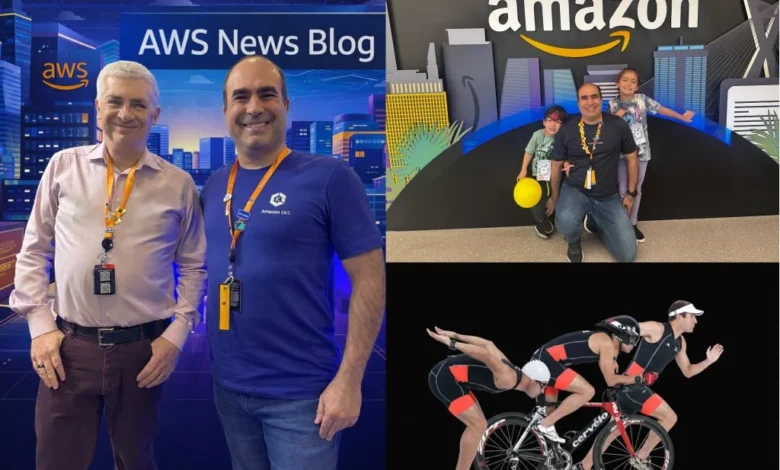
This week’s AWS Weekly Roundup is presented by Daniel Abib, a Senior Specialist Solutions Architect at AWS with a deep focus on generative AI and Amazon Bedrock. With an extensive background spanning over 28 years in solution architecture, software development, and cloud architecture, Abib is dedicated to empowering startups and enterprises to leverage the transformative capabilities of generative AI through Amazon Bedrock. Having been with AWS for over six and a half years, he possesses significant experience working with customers across Latin America and maintains a strong passion for serverless technologies. Abib is based in São Paulo and actively shares his expertise on generative AI, Amazon Bedrock, AWS serverless services, and his experiences with endurance sports on LinkedIn and X (@DCABib). This edition highlights key launches, relevant news, and upcoming events within the Amazon Web Services ecosystem.
Key AWS Launches and Updates This Week
The past week has seen a robust series of announcements and updates from Amazon Web Services, underscoring the company’s continuous commitment to innovation and expanding its cloud platform’s capabilities. These releases span various domains, from enhancing data analytics and machine learning services to improving developer productivity and operational efficiency.
Enhancements to Data Analytics and Machine Learning Services
Amazon Web Services continues to push the boundaries in data analytics and machine learning, with recent updates designed to provide customers with more powerful tools for extracting insights and building sophisticated AI applications. The focus on generative AI, particularly through Amazon Bedrock, is evident, aiming to democratize access to advanced AI models for a wider range of businesses.
-
Amazon Bedrock Updates: While specific launch details for Bedrock itself are not elaborated in the provided content, Abib’s focus on this service suggests ongoing developments and feature enhancements. Amazon Bedrock, a fully managed service, offers access to a range of foundation models (FMs) from leading AI companies like AI21 Labs, Anthropic, Cohere, Meta, Stability AI, and Amazon itself. This allows developers to build and scale generative AI applications without managing underlying infrastructure. The recent emphasis on generative AI in the AWS landscape indicates potential new model integrations, performance improvements, or new features within Bedrock designed to simplify the development and deployment of AI-powered solutions. For instance, advancements could include enhanced capabilities for prompt engineering, fine-tuning models with custom data, or improved tools for managing AI model lifecycles. The growing adoption of generative AI across industries, from content creation and customer service to code generation and scientific research, highlights the strategic importance of services like Bedrock in enabling this transformation.
-
Data Lake and Analytics Enhancements: While not explicitly detailed in the provided snippet, AWS typically rolls out updates to its suite of data services, including Amazon S3, Amazon Redshift, AWS Glue, and Amazon EMR. These updates often focus on improving performance, scalability, and cost-effectiveness for data warehousing, data lakes, and big data processing. For example, recent enhancements in data cataloging, query optimization, or support for new data formats can significantly impact how organizations manage and analyze vast datasets. The ability to seamlessly integrate data from various sources and apply advanced analytics, including machine learning, is crucial for businesses seeking a competitive edge.
Developer Productivity and Operational Efficiency
AWS is consistently working to streamline the development lifecycle and improve the operational management of cloud resources. This includes updates to services that facilitate application deployment, monitoring, and security.
-
Serverless Technologies: Abib’s passion for serverless technologies suggests that recent updates in this area are likely of significant interest. AWS Lambda, Amazon API Gateway, and AWS Step Functions are core components of the serverless ecosystem. Updates in this domain often involve increased concurrency limits, new runtimes, improved tooling for local development and debugging, or enhanced integrations with other AWS services. The ongoing trend towards serverless architectures, driven by their ability to reduce operational overhead and scale automatically, makes these updates highly relevant for developers. For instance, new features that simplify event-driven architectures or improve cold start performance can have a tangible impact on application responsiveness and cost.
-
DevOps and CI/CD Tools: Continuous integration and continuous delivery (CI/CD) pipelines are essential for modern software development. AWS offers a suite of services like AWS CodeCommit, AWS CodeBuild, AWS CodeDeploy, and AWS CodePipeline. Updates in this area might include enhanced integration capabilities, improved security features, or expanded support for different development workflows, enabling faster and more reliable software releases.
Broader AWS News and Resources
Beyond specific product launches, AWS consistently publishes thought leadership, best practices, and customer success stories that provide valuable insights into the evolving cloud landscape.
-
Customer Case Studies and Industry Trends: AWS regularly shares how organizations across various sectors are leveraging its services to achieve business outcomes. These case studies often highlight innovative uses of cloud technologies, particularly in areas like AI/ML, data analytics, and digital transformation. Understanding these real-world applications can inspire new approaches and provide practical guidance for implementation. For example, recent discussions around the adoption of AI in healthcare for drug discovery or in finance for fraud detection illustrate the broad impact of these technologies.
-
Best Practices and Architectural Guidance: The AWS ecosystem is rich with resources dedicated to helping users design, build, and operate secure, high-performing, reliable, and cost-effective workloads. This includes whitepapers, workshops, and blog posts that delve into specific architectural patterns, security best practices, and performance optimization techniques. For instance, guidance on building multi-region architectures for disaster recovery or implementing robust data governance strategies can be invaluable for organizations scaling their cloud operations.
Upcoming AWS Events and Community Engagement
AWS actively fosters a vibrant community of developers and IT professionals through a variety of events, webinars, and online platforms. These opportunities are crucial for learning, networking, and staying abreast of the latest advancements.

-
AWS Events and Webinars: The AWS Events and Webinars calendar is a comprehensive resource for finding both in-person and virtual events. These can range from deep-dive technical sessions and hands-on workshops to executive keynotes and industry-specific conferences. For example, upcoming webinars might focus on specific service updates, new service launches, or emerging technology trends. These events often feature AWS experts and industry leaders, offering direct access to knowledge and expertise.
-
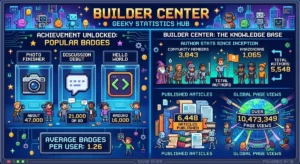
AWS Builder Center: The AWS Builder Center serves as a central hub for developers and builders to connect, share solutions, and access a wealth of content. This platform is designed to support the development journey by providing tutorials, code samples, architectural patterns, and community forums. Engaging with the Builder Center can help individuals accelerate their learning, troubleshoot challenges, and discover innovative ways to utilize AWS services. The emphasis on community interaction highlights AWS’s commitment to fostering a collaborative environment where knowledge is shared freely.
-
Developer-Focused Events: AWS also supports and participates in numerous developer-focused events worldwide. These events cater to specific technical audiences and often provide opportunities for hands-on learning, networking with peers, and discovering new tools and technologies. The inclusion of such events in the roundup underscores AWS’s dedication to empowering the developer community.
Analysis and Broader Impact
The continuous stream of announcements from AWS, particularly the increasing emphasis on generative AI, reflects a broader industry trend towards leveraging artificial intelligence to drive innovation and transform business operations.
The Generative AI Imperative: Daniel Abib’s specialization in generative AI and Amazon Bedrock is indicative of a significant strategic direction for AWS. The company is positioning itself as a key enabler of the generative AI revolution, providing the foundational infrastructure and tools necessary for businesses to explore and implement AI-powered solutions. The potential applications of generative AI are vast, ranging from automating content creation and personalizing customer experiences to accelerating scientific discovery and enhancing software development. As more organizations seek to tap into these capabilities, services like Amazon Bedrock become critical for democratizing access to advanced AI models. The ability to fine-tune these models with proprietary data and integrate them into existing workflows without extensive ML expertise is a key differentiator.
Ecosystem Growth and Interoperability: The consistent updates across AWS services, from data analytics to serverless computing, demonstrate a commitment to providing a comprehensive and integrated cloud platform. This approach allows customers to build complex, end-to-end solutions by combining various services. The ongoing enhancements in areas like data lakes and CI/CD pipelines are crucial for supporting the scalability and agility required by modern enterprises. Furthermore, AWS’s focus on community engagement through events and platforms like the Builder Center fosters a collaborative ecosystem, accelerating innovation and knowledge sharing.
Looking Ahead: The consistent pace of innovation from AWS suggests that the company will continue to play a pivotal role in shaping the future of cloud computing. The increasing maturity of generative AI services, coupled with ongoing improvements in core cloud infrastructure, promises to unlock new possibilities for businesses across all sectors. The focus on empowering developers and builders through accessible tools and robust community support further solidifies AWS’s position as a leader in the cloud market. As businesses navigate the complexities of digital transformation, the comprehensive suite of services and continuous innovation offered by AWS will remain a critical factor in their success.
This recap provides a snapshot of the dynamic landscape within Amazon Web Services, highlighting the ongoing commitment to innovation, customer empowerment, and community building. The insights shared by Daniel Abib underscore the transformative potential of generative AI and the robust ecosystem that AWS provides to realize these possibilities.