Jakarta Commuter Line Prepares Urgent Import of 23 Trainsets from Japan to Address Overcrowding and Aging Fleet Crisis

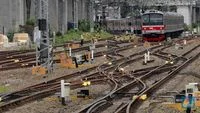
The planned importation of secondhand Electric Rail Trains (KRL) from Japan has officially entered a critical coordination phase, marking a significant step forward in Indonesia’s ongoing efforts to resolve systemic commuter capacity constraints in the Greater Jakarta (Jabodetabek) region. PT Kereta Commuter Indonesia, widely known as KAI Commuter, is currently engaged in intensive technical and operational communications with railway operators in Japan. This cooperative dialogue aims to meticulously inspect and verify the availability, structural integrity, and technical specifications of the prospective rolling stock before formal procurement contracts are finalized and executed.
This latest development follows the preliminary approval granted to PT Kereta Api Indonesia (Persero)—the parent company of KAI Commuter—allowing the state-owned enterprise to source and import 23 trainsets of secondhand Japanese KRL equipment. These units are strategically intended to serve as an indispensable interim solution designed to alleviate mounting passenger density across the heavily utilized Jabodetabek commuter network. However, despite the foundational approval, the precise series and configurations of the trains to be imported remain under active evaluation, including circulating industry reports regarding the potential procurement of the well-known JR East 209 series.
Speaking on the current operational status of the initiative, Karina Amanda, Vice President of Corporate Secretary at KAI Commuter, emphasized the necessity of rigorous verification protocols. At present, the organization remains deeply immersed in coordination and direct communication with Japanese railway counterparts to guarantee the absolute operational readiness and safety compliance of these non-new rail assets. The acquisition of supplementary rolling stock has evolved from a routine capacity upgrade into an urgent operational imperative, driven largely by shifting demographic patterns, urbanization trends, and an accelerating influx of daily commuters relying heavily on affordable rail transit.
Surging Passenger Demand and Infrastructure Realities
The urgency underpinning the decision to import secondhand rolling stock is vividly illustrated by empirical passenger volume metrics recorded during the first half of the year. Throughout the opening six months of 2026, passenger traffic across the KRL Jabodetabek network experienced a robust year-on-year growth rate of 11.3% compared to the corresponding period in the previous year. On an average business day, the commuter system accommodates approximately 1.1 million passenger trips. Under peak operating conditions, special events, or holiday surges, daily ridership frequently spikes to an extraordinary 1.3 million passengers, placing unprecedented mechanical and spatial strain on existing infrastructure.
To accommodate this immense volume while remaining cognizant of existing structural limitations across various stations, KAI has formulated a precise distribution plan for the 23 proposed trainsets. The procurement strategy encompasses a hybrid configuration consisting of seven trainsets structured with a 12-car formation (SF12) and 16 trainsets utilizing an 8-car formation (SF8). This bifurcated approach is not arbitrary; rather, it is strictly tailored to the architectural constraints of platform lengths across numerous legacy stations along the commuter lines, which cannot uniformly accommodate extended 12-car compositions without extensive and time-consuming civil engineering modifications.
Parallel to ongoing overseas negotiations, domestic administrative procedures are proceeding in tandem. Karina Amanda noted that in close alignment with PT KAI, the commuter subsidiary is actively conducting advanced coordination and regulatory hearings with relevant government ministries. These administrative engagements are vital for securing the requisite legal permits and import licenses governing Capital Goods That Are Not New, formally categorized as Barang Modal Tidak Baru (BMTB), ensuring complete adherence to national trade and industrial regulations.
A Strategic Stopgap for an Aging Fleet
The introduction of secondhand Japanese trainsets is fundamentally conceptualized as a bridging mechanism. It is designed to bridge the hazardous operational gap between immediate commuter demands and the lengthy lead times required for the domestic manufacturing and delivery of brand-new rolling stock. Constructing modern electric multiple units from scratch requires extensive engineering timelines, capital allocation, and supply chain coordination that far exceed the immediate window required to prevent service degradation in Jakarta.
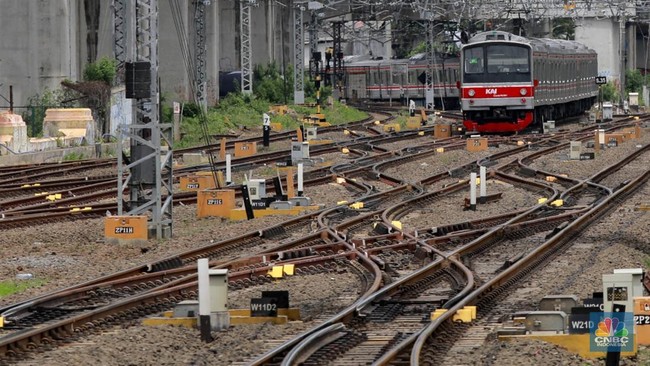
Compounding this capacity deficit is the advanced chronological age of a significant portion of the active fleet. Several KRL units currently servicing the Jabodetabek lines have surpassed 40 years of continuous operational service. Operating rolling stock of this vintage requires intensive maintenance regimes, frequent component replacements, and heightened safety monitoring to prevent mechanical failures that could disrupt commuter schedules. Consequently, the simultaneous pursuit of fleet expansion and aggressive mechanical retirement has rendered the importation of proven, reliable secondhand units an unavoidable strategic necessity for network sustainability.
Governmental Alignment and Legislative Oversight
The debate surrounding the procurement of secondhand Japanese trains has long intersected with national industrial policy, legislative oversight, and executive decision-making. Recognizing the gravity of the public transportation crisis, both the central government and the House of Representatives (DPR) have pragmatically positioned the importation initiative as an essential, time-bound transitional phase. This strategy is intentionally paired with parallel efforts to foster the long-term growth and technical self-sufficiency of the domestic railway manufacturing sector.
To ensure transparency and regulatory compliance, the timeline of the procurement has been subjected to rigorous legislative review. During a formal Rapat Dengar Pendapat (Hearing) conducted by Commission VI of the DPR RI, legislative leaders outlined the tripartite objectives governing the current administration’s rail policy. Andre Rosiade, Deputy Chairman of Commission VI of the DPR RI, articulated the core legislative perspective during proceedings, emphasizing the nation’s strategic trajectory. The overarching objective remains centered on fulfilling the escalating capacity requirements of commuter railways—particularly within the dense urban corridors of Jabodetabek—while simultaneously strengthening domestic industrial capacities and responsibly executing the integration of sustainable, non-new trainsets.
Within this framework, parliamentary stakeholders have stipulated that the imported secondhand trainsets are intended for a strictly limited operational lifespan, projected at approximately 10 years. This limitation ensures that the imported units will eventually be phased out as domestic manufacturing facilities mature and scale up production capabilities, ultimately supplying homegrown rail solutions for Indonesia’s future transit expansions.
Chronology of the Jabodetabek KRL Import Initiative
The path toward securing the 23 trainsets from Japan has been characterized by iterative regulatory hurdles, diplomatic engagements, and strategic pivots. The historical trajectory of this policy highlights the evolving dialogue between national industrial protectionism and the pragmatic realities of urban public service delivery:
- Initial Capacity Warnings: Transit authorities and independent transportation analysts repeatedly signal that post-pandemic ridership recovery, combined with natural population growth in commuter satellite cities such as Bogor, Depok, Tangerang, and Bekasi, is rapidly outpacing the carrying capacity of active KRL fleets.
- Retirement Pressures: Engineering audits reveal that multiple legacy trainsets have reached the definitive end of their safe operational lifecycles, necessitating immediate retirement to maintain passenger safety standards.
- Policy Debates and Green Lights: Following extensive multi-agency evaluations involving the Ministry of Transportation, the Ministry of State-Owned Enterprises, and the Ministry of Industry, regulatory frameworks are adjusted to permit the conditional import of BMTB assets, culminating in the formal authorization for KAI to source 23 trainsets from Japan.
- Technical Consultations (Current Phase): KAI Commuter initiates high-level diplomatic and corporate coordination with Japanese operators to evaluate available rolling stock configurations, leading up to ongoing technical audits and the processing of formal ministerial import permits.
Socio-Economic Implications and Future Outlook
The smooth execution of the KRL import plan carries profound socio-economic implications for the Greater Jakarta metropolitan area. As the lifeblood of urban mobility, the Jabodetabek Commuter Line system underpins the economic productivity of millions of citizens who commute daily from peripheral residential zones into the core commercial districts of the capital. Persistent overcrowding, unexpected mechanical breakdowns, or reduced train frequencies inflict immediate economic losses through lost productivity, punctuality penalties, and heightened stress on urban road networks.
By securing 23 additional trainsets—comprising the carefully calculated mix of SF12 and SF8 configurations—KAI Commuter aims to systematically compress headway intervals, reduce passenger density inside carriages during peak hours, and restore optimal service reliability. Furthermore, the integration of these units will allow maintenance teams to systematically rotate older, high-mileage trains out of active circulation for comprehensive overhauls without triggering a net deficit in daily operational capacity.
As administrative dialogues with relevant ministries progress and technical teams finalize arrangements with Japanese rail operators, the successful deployment of these secondhand trainsets will serve as a critical benchmark for public infrastructure management in Indonesia. It underscores a pragmatic governance model that balances the immediate, non-negotiable imperative of public safety and mobility with the visionary, long-term development of a self-reliant national railway manufacturing industry.