Amazon Pharmacy and eNavvi Partner to Integrate Real-Time Prescription Pricing and Fulfillment into Clinical Workflows

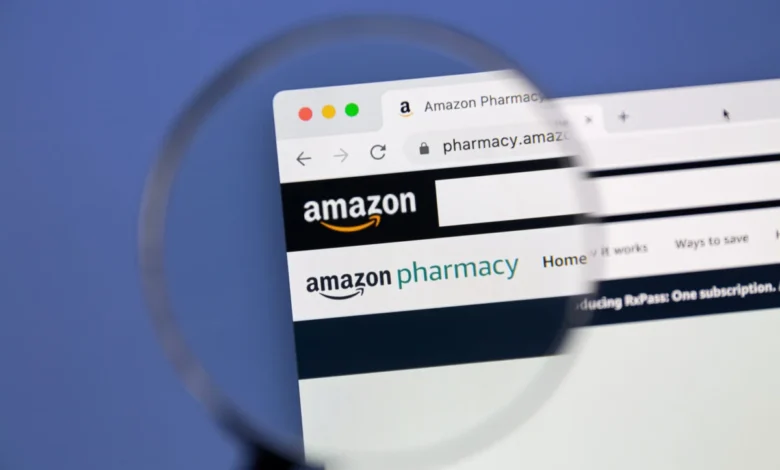
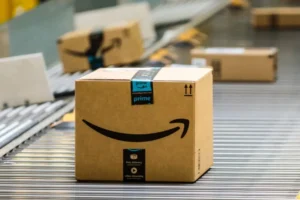
The healthcare landscape is witnessing a significant shift toward digital integration as Amazon Pharmacy and eNavvi, a leading digital prescription platform, announced a strategic collaboration designed to streamline the medication procurement process. By embedding Amazon’s real-time pricing, insurance adjudication, and logistical capabilities directly into the physician’s prescribing interface, the two companies aim to eliminate the traditional barriers between a medical consultation and the delivery of treatment. This initiative seeks to transform the patient visit into a single, cohesive point-of-sale (POS) moment, leveraging Amazon’s extensive same-day delivery network which currently serves nearly 3,000 cities across the United States.
The partnership represents a convergence of high-tech logistics and clinical necessity. For years, the "prescription gap"—the space between a doctor writing a script and a patient actually picking up the medication—has been a source of medical non-adherence and administrative frustration. By integrating Amazon Pharmacy’s data into eNavvi’s platform, clinicians can now view accurate out-of-pocket costs and stock availability before the patient even leaves the exam room. This transparency is expected to reduce the incidence of "sticker shock" at the pharmacy counter, a leading cause of abandoned prescriptions.
Strategic Context and the Evolution of Amazon Pharmacy
Amazon’s entry into the pharmaceutical space has been a multi-year journey defined by aggressive acquisitions and infrastructure building. The company’s trajectory in healthcare began in earnest in 2018 with the $753 million acquisition of PillPack, a move that provided Amazon with the pharmacy licenses and packaging technology necessary to compete in the prescription space. In 2020, the company officially launched Amazon Pharmacy, offering a digital-first experience for Prime members.
Since then, Amazon has steadily expanded its footprint. The 2023 acquisition of One Medical for $3.9 billion signaled Amazon’s intent to own the primary care relationship. The collaboration with eNavvi is the latest tactical move to connect these disparate parts of the healthcare ecosystem. By placing its pharmacy services inside the eNavvi workflow, Amazon is moving "upstream" in the healthcare journey, positioning itself at the exact moment a clinical decision is made rather than waiting for the patient to navigate to their website or app.
According to data from Digital Commerce 360, Amazon remains the dominant force in North American online retail, holding the No. 1 spot in the Top 1000 Database. However, the company’s specialized rankings reveal a more nuanced picture of its current technological focus. While it ranks No. 3 in the Global Online Marketplaces Database based on third-party gross merchandise value (GMV), it sits at No. 158 in the AI Commerce Rankings. This suggests that while Amazon’s logistical and marketplace dominance is unparalleled, its integration of advanced artificial intelligence into the consumer purchasing journey is still an area of active development and scaling.
Bridging the Gap: How the eNavvi Integration Works
The technical core of this collaboration lies in the synchronization of data between eNavvi’s electronic prescribing interface and Amazon’s fulfillment backend. Traditionally, when a doctor prescribes a medication, they have limited visibility into whether that drug is in stock at a local pharmacy or what the patient’s final co-pay will be. This often leads to "call-backs," where a pharmacist must contact the doctor to change a prescription because of cost or availability issues.
The eNavvi-Amazon Pharmacy integration addresses this through several key features:
- Real-Time Price Transparency: Clinicians can see the exact cost of a medication based on the patient’s insurance or Amazon’s Prime savings discounts.
- Stock Verification: The system confirms availability within Amazon’s fulfillment centers, ensuring that the medication can be dispensed immediately.
- Direct Routing: Once a patient agrees to the price and delivery terms, the prescription is routed directly to Amazon Pharmacy for fulfillment.
- Logistical Integration: The system utilizes Amazon’s same-day delivery network, allowing patients in major metropolitan areas to receive their medications within hours of their appointment.
Simon Chang, Chief Executive Officer at eNavvi, emphasized that this level of visibility is a game-changer for the medical profession. "This collaboration fundamentally changes what physicians can see and do at the moment of prescribing," Chang stated. He noted that by providing direct routing and transparent pricing, the partnership removes the "hidden barriers" that frequently prevent patients from starting their required therapies.
Economic Implications for Patients and Prime Members
A significant component of this partnership is the financial incentive for patients, particularly those enrolled in Amazon Prime. Prime members using the eNavvi-integrated system will have access to the Amazon Prime Prescription Savings Benefit, which offers discounts of up to 80% off generic medications and 40% off brand-name drugs when paying without insurance.
Furthermore, the integration supports RxPass, Amazon Pharmacy’s $5 monthly subscription program. RxPass allows Prime members to receive all of their eligible generic medications for a single flat fee, regardless of how many prescriptions they have. For patients managing chronic conditions such as hypertension, diabetes, or high cholesterol, this predictable pricing model can significantly lower the annual cost of care.
Tanvi Patel, Vice President and General Manager at Amazon Pharmacy, highlighted the link between convenience and clinical outcomes. "We know that when patients can conveniently access their medications, they take them and live healthier lives," Patel said. The goal, according to Patel, is to create a "frictionless" experience that mirrors the ease of traditional ecommerce.
The Convergence of Healthcare and Social Commerce Trends
The strategy employed by Amazon and eNavvi mirrors broader trends in the digital economy, specifically the rise of "frictionless" or "embedded" commerce. Vivien Garnès, co-CEO and co-founder of the influencer marketing platform Upfluence, noted that the healthcare industry is essentially adopting the "shoppable content" model popularized by social media giants like TikTok and Instagram.
"We’ve actually been seeing this shift play out in influencer marketing," Garnès explained. He pointed out that in the past, discovery and purchase were separate events. A consumer would see a product on social media and then have to navigate to a different site to buy it. Today, TikTok Shop and Instagram allow for immediate checkout within the app. Garnès argues that eNavvi embedding Amazon Pharmacy into the prescribing screen follows this same logic: "Whenever and wherever a decision gets made, that’s where checkout needs to live."
This "collapse of the funnel" is becoming the gold standard for digital winners across all industries. By erasing the friction between the clinical decision (discovery) and the fulfillment (purchase), Amazon is positioning itself to capture a larger share of the $500 billion U.S. prescription drug market.
Addressing Inefficiencies and "Pharmacy Deserts"
The collaboration also seeks to solve structural issues within the American healthcare system, specifically the problem of "pharmacy deserts." As traditional retail pharmacies like CVS and Walgreens close hundreds of physical locations due to changing consumer habits and economic pressures, many communities—particularly in rural or low-income urban areas—are left without easy access to medication.
Alys Reynders, Chief Marketing Officer at Quickbase, noted that the healthcare sector has historically struggled with digital transformation and the secure flow of data. "The collaboration between eNavvi and Amazon Pharmacy… has the potential to transform patient access to important treatments," Reynders stated. She observed that the use of a nationwide delivery network can mitigate the physical bottlenecks that characterize pharmacy deserts.
Furthermore, the integration of real-time data helps eliminate "hidden fees" and administrative inefficiencies. In the traditional model, a patient might wait days for a prior authorization or a price check. In the Amazon-eNavvi model, these data points are resolved instantly, allowing the clinician to act as a navigator for the patient’s financial and physical health.
Broader Industry Impact and Future Outlook
The partnership between Amazon Pharmacy and eNavvi is likely to trigger a competitive response from traditional pharmacy benefit managers (PBMs) and retail pharmacy chains. As Amazon leverages its logistics prowess to dominate the "home delivery" segment of the market, incumbents may be forced to accelerate their own digital integrations with Electronic Health Record (EHR) providers.
However, Amazon’s advantage lies in its existing relationship with over 200 million Prime members globally. By folding healthcare into the Prime ecosystem, Amazon is not just selling medication; it is selling a comprehensive "health-as-a-service" model.
As digital transformation continues to reshape the industry, the success of this collaboration will be measured by its impact on medication adherence rates. Public health experts have long noted that roughly 20% to 30% of prescriptions are never filled, and approximately 50% of medications for chronic disease are not taken as prescribed. By placing the pharmacy inside the doctor’s office through the eNavvi interface, Amazon is betting that the path of least resistance is the path to better health outcomes.
The move also signals a broader shift in how medical data is utilized. By creating what Reynders calls a "secure corridor for prescription data," the partnership provides a blueprint for how interoperability can be used to drive consumer-centric innovation. As the world moves toward a fully interconnected, online-first ecosystem, the integration of clinical workflows with global supply chains represents the next frontier of the digital age.