NVIDIA Accelerates the Future of Generative AI Through the Nemotron Coalition and a Strategic Embrace of Open Frontier Models at GTC

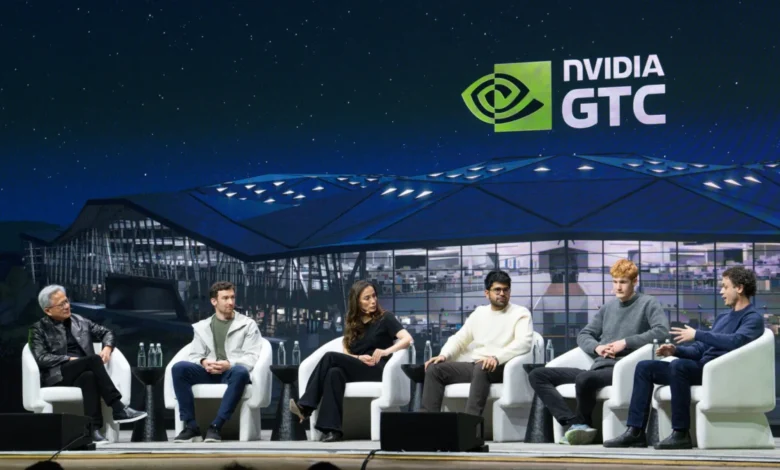
The landscape of artificial intelligence has shifted from a period of experimental discovery to a phase of foundational integration, where AI is no longer a peripheral tool but the core infrastructure of modern business. At the recent NVIDIA GTC conference, a pivotal event that has become the de facto summit for the global AI ecosystem, NVIDIA founder and CEO Jensen Huang articulated a vision that moves beyond the binary debate of open versus closed innovation. Addressing a specialized session on open frontier models, Huang emphasized that the future of the industry does not rely on a single, monolithic model but rather a diverse and interconnected "orchestra" of systems. This strategic pivot highlights a fundamental reality: for AI to reach its full potential across every country, company, and application, it requires an ecosystem that balances proprietary excellence with the collaborative power of open-source development.
NVIDIA’s commitment to this hybrid future is underscored by its burgeoning role within the open-source community. The company has officially surpassed Google to become the largest organization on Hugging Face, the world’s leading platform for open-source AI models and datasets. With nearly 4,000 team members contributing to the platform, NVIDIA is transitioning from a hardware provider to a primary architect of the software and models that define the frontier of the field. This evolution culminated at GTC with the announcement of the NVIDIA Nemotron Coalition, a global collaborative effort designed to advance open, frontier-level foundation models through the shared pooling of expertise, data, and computational resources.
The Nemotron Coalition and the Mistral Partnership
The cornerstone of the NVIDIA Nemotron Coalition is a landmark partnership between NVIDIA and Mistral AI. The two organizations have committed to co-developing a new base model that will serve as a foundational asset for the global open-source community. This collaboration is not merely a technical alliance but a strategic pooling of resources; coalition members will contribute diverse datasets, rigorous evaluation frameworks, and deep domain expertise to support the model’s post-training and continuous development.
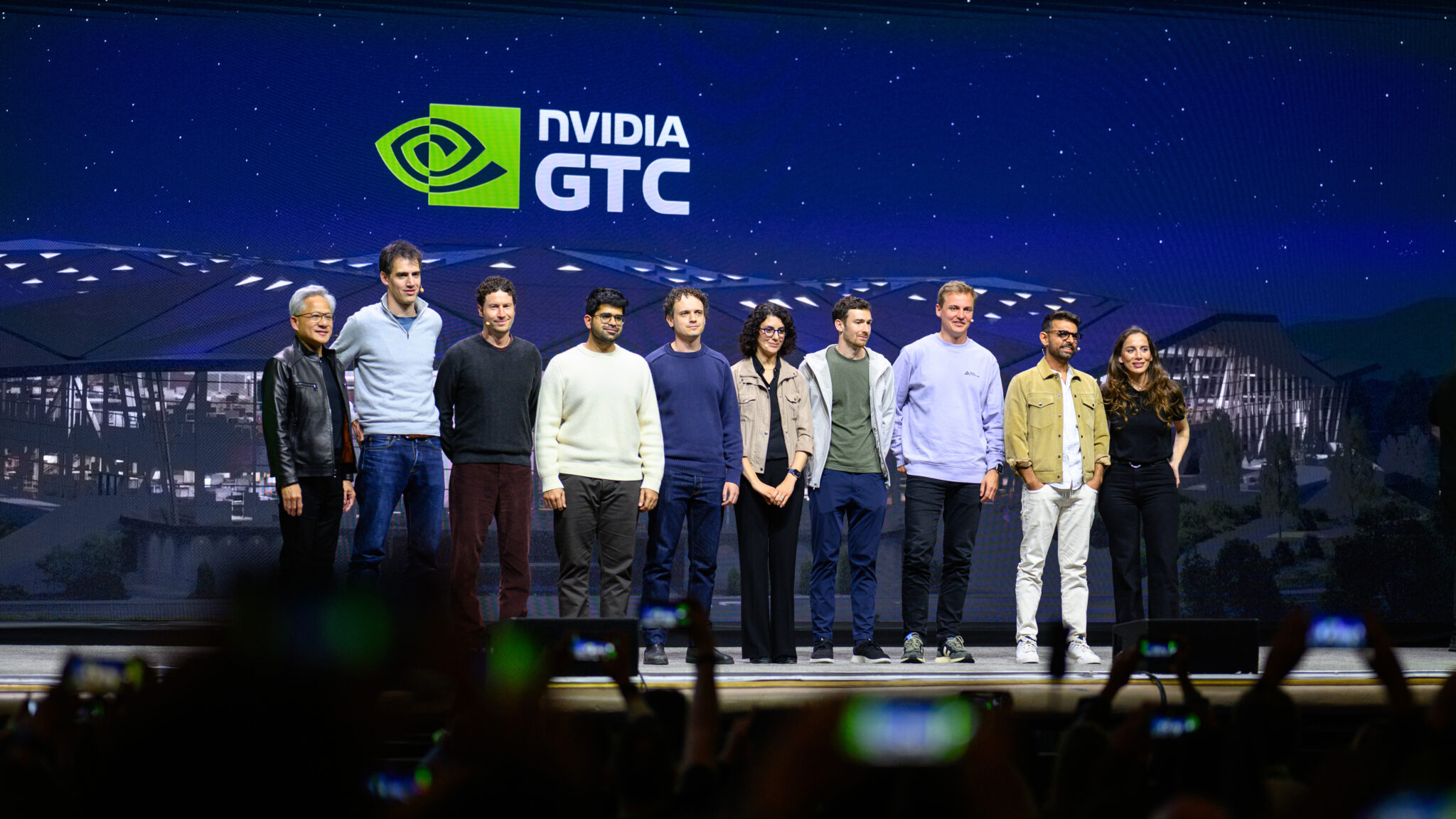
This initiative is designed to underpin the next generation of NVIDIA Nemotron models. The significance of this move is reflected in existing adoption rates: Nemotron models have already been downloaded more than 45 million times from Hugging Face, indicating a massive appetite for high-performance, open-access AI tools. By fostering a coalition of leading global AI labs, NVIDIA aims to democratize access to "frontier-level" intelligence—capabilities that were previously the exclusive domain of a few heavily capitalized private labs. The coalition represents a shift toward a "sovereign AI" model, where nations and industries can build upon open foundations to maintain control over their data and intellectual property.
Chronology of the GTC Open Models Summit
The GTC conference featured a series of high-level panel discussions that brought together the most influential figures in the open-source and frontier AI sectors. The sessions were structured to address the practicalities of deploying AI in the real world, moving from theoretical capability to operational reality.
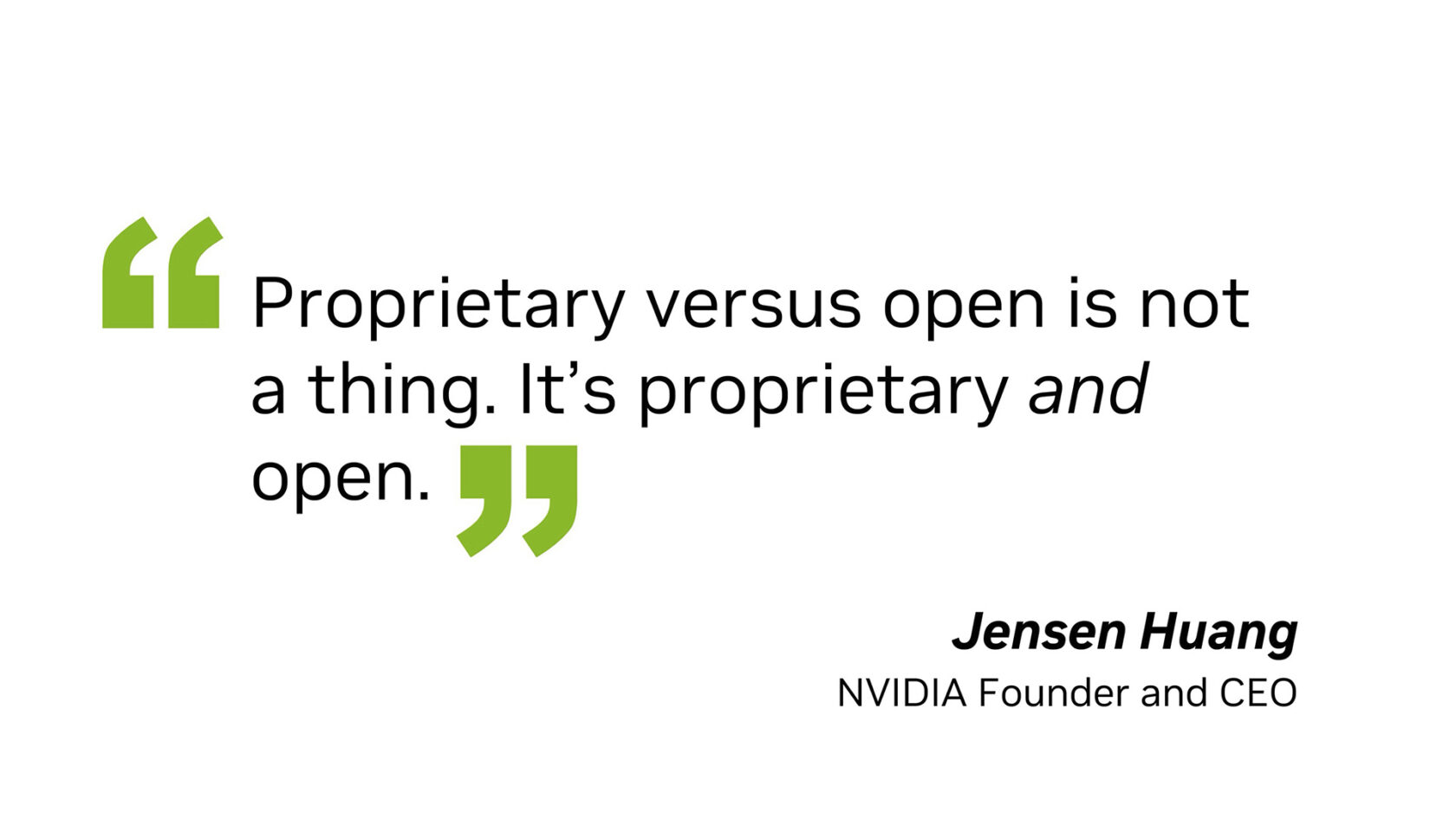
The first panel focused on the "builders" of the ecosystem, featuring Harrison Chase (Cofounder and CEO of LangChain), Mira Murati (Founder and CEO of Thinking Machines Lab and former CTO of OpenAI), Aravind Srinivas (CEO and Cofounder of Perplexity), Michael Truell (CEO and Cofounder of Cursor), and Misha Laskin (Cofounder and CEO of Reflection AI). This group explored how AI is evolving from simple chat interfaces into sophisticated agents capable of multi-step reasoning and long-term task execution.
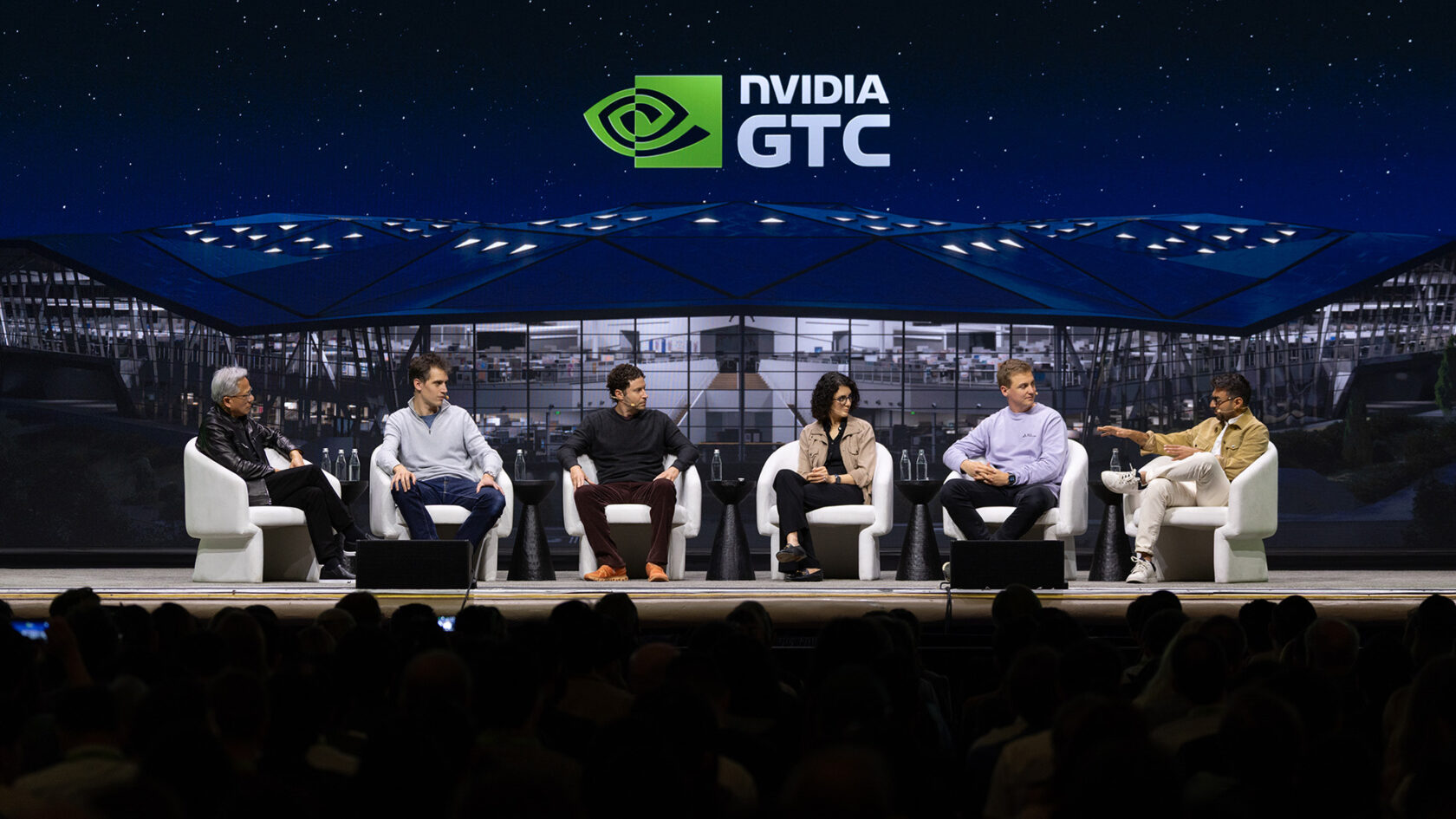
The second panel expanded the scope to include "specialists" and "collaborators," featuring Arthur Mensch (Cofounder and CEO of Mistral AI), Daniel Nadler (CEO of OpenEvidence), Robin Rombach (Cofounder and CEO of Black Forest Labs), Hanna Hajishirzi (Senior Director of NLP at Ai2), and Anjney Midha (Founder of AMP PBC). Their conversation centered on the democratization of AI and the necessity of specialized models for high-stakes industries such as medicine, law, and engineering.
Five Pillars of the Evolving AI Ecosystem
From these intensive discussions, five key insights emerged that define the current trajectory of the industry. These points serve as a roadmap for how organizations will likely consume and deploy AI technology over the next three to five years.
1. The Rise of the AI Coworker
The industry is moving past "assistive AI" toward "agentic AI." Michael Truell of Cursor noted that the next generation of agents will be viewed as coworkers rather than tools. These agents are being designed to handle complex, multi-day workloads that require autonomous decision-making and the ability to navigate various software environments. This shift implies a significant change in workforce dynamics, where human employees will increasingly act as "managers" of AI agents.
2. Orchestration Over Monoliths
Aravind Srinivas of Perplexity introduced the concept of the "multi-model, multi-cloud orchestra." He argued that the user should not have to decide which model is best for a specific task. Instead, an orchestration system—a "conductor"—should automatically delegate tasks to the most efficient model, whether it is a small, fast model for simple queries or a massive, proprietary model for deep reasoning. This approach prioritizes the outcome over the specific technology used.
3. Openness as a Catalyst for Science
Mira Murati and Misha Laskin emphasized that AI is not just a commercial product but a "fundamental knowledge infrastructure." Because the science of intelligence is still in its infancy, the panel argued that progress cannot be confined to closed labs. Open models allow academia and independent researchers to study the inner workings of AI, leading to breakthroughs in safety, efficiency, and interpretability that benefit the entire industry.
4. Trust and the Democratization of Access
Trust emerged as a central theme, with Anjney Midha of AMP PBC stating that it is inherently easier to trust an open system where the code and data provenance can be verified. Arthur Mensch of Mistral AI added that an open ecosystem aligns incentives to create assets that are "great for humanity." By providing open-weight models, the coalition ensures that developers worldwide—not just those in Silicon Valley—can build software that is culturally and linguistically relevant to their specific regions.
5. The Necessity of Specialization
Daniel Nadler of OpenEvidence compared the future of AI to the organization of a modern hospital. Just as a hospital requires both general practitioners and world-class specialists (such as neurosurgeons or cardiologists), the AI ecosystem needs general-purpose models complemented by highly specialized ones. Organizations are increasingly using open foundation models and "fine-tuning" them with their own proprietary data to create specialized agents that provide a competitive advantage in their specific niche.
Data and Industry Implications
The data supporting this shift is compelling. According to industry reports, the demand for "Small Language Models" (SLMs) and specialized domain models is growing at a faster rate than the demand for massive General Purpose Models (GPMs). This is largely due to the cost of inference and the need for data privacy. By using open-source foundations like those provided by the Nemotron Coalition, companies can reduce their "compute debt" while maintaining the ability to run models locally or on private clouds.
Furthermore, the 45 million downloads of Nemotron models suggest that NVIDIA’s hardware dominance is being successfully leveraged to create a software gravity well. When developers use NVIDIA-optimized open models, they are more likely to utilize NVIDIA’s full stack, including CUDA, TensorRT, and NIM (NVIDIA Inference Microservices). This creates a virtuous cycle that reinforces NVIDIA’s position at the center of the AI universe.
Broader Impact and Future Outlook
The formation of the Nemotron Coalition and the insights shared at GTC signal a "maturation" of the AI market. The focus is shifting from "what can AI do?" to "how can AI be deployed reliably, ethically, and at scale?" The emphasis on "systems of models" suggests that the next wave of economic value will be generated not by those who own the largest model, but by those who can best orchestrate a diverse fleet of specialized agents.
As AI becomes a "defining technology of our time," the move toward openness ensures that the barriers to entry remain low enough to foster global competition. The collaboration between NVIDIA and Mistral AI, in particular, serves as a template for how the industry might solve the "compute gap" between large tech giants and the rest of the world. By sharing the burden of training frontier-level models, the coalition allows for a more equitable distribution of the benefits of artificial intelligence.
In conclusion, NVIDIA’s GTC session on open frontier models has redefined the narrative of the AI industry. By championing a future that is both "proprietary and open," NVIDIA is positioning itself as the indispensable infrastructure for a world where every application is AI-powered. The Nemotron Coalition stands as a testament to the idea that while individual companies may compete, the advancement of the "science of intelligence" is a collective endeavor that requires a shared, open foundation. Organizations that embrace this orchestrated, specialized, and open-centric approach are likely to lead the next era of digital transformation.