Microsoft’s July Patch Tuesday Addresses Over 570 Vulnerabilities, Fueled by AI-Driven Discoveries

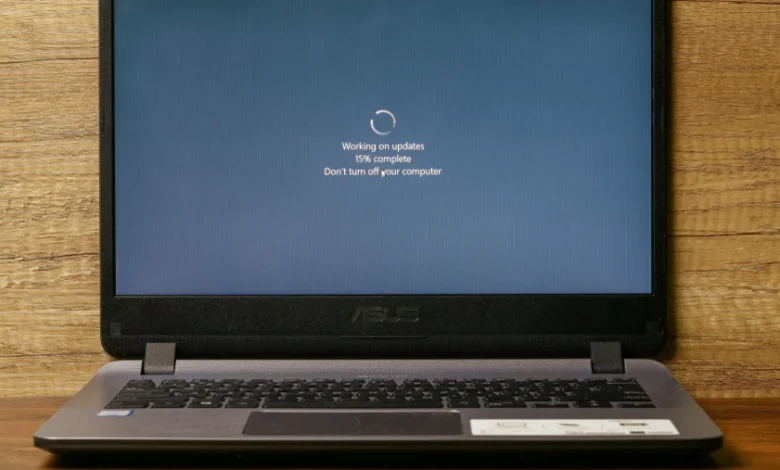
Microsoft Corp. today released software updates to plug at least 570 security holes in its Windows operating systems and other software, almost triple the number of vulnerabilities the software giant fixed in its record-smashing Patch Tuesday release last month. Microsoft attributed the burgeoning patch counts to vulnerability discoveries aided by artificial intelligence. This colossal update underscores a significant shift in the cybersecurity landscape, driven by both the increasing sophistication of threat actors and the accelerating capabilities of defensive technologies, particularly artificial intelligence.
The sheer volume of vulnerabilities patched this month represents a stark increase from previous trends, even surpassing last month’s record-breaking release. In July, nearly 60 of the addressed bugs were classified with a "critical" severity rating. This designation means that malicious actors or malware could exploit these flaws to gain remote control over a Windows device with minimal or no user interaction. The implications of such vulnerabilities are profound, potentially leading to widespread data breaches, system compromise, and significant operational disruptions for individuals and organizations alike.
Adding to the urgency, Microsoft also addressed three zero-day flaws in this release. Zero-day vulnerabilities are particularly dangerous because they are unknown to the software vendor, meaning no patches or defenses are available when they are first exploited. Of these three zero-day flaws, two are confirmed to be actively exploited in the wild, posing an immediate threat to users. The active exploitation of zero-days highlights the relentless pressure on cybersecurity teams to stay ahead of rapidly evolving threats.
Zero-Day Exploits and Elevation of Privilege Concerns
Two of the newly disclosed zero-day vulnerabilities specifically grant attackers the ability to escalate their privileges on a Windows system. This means an attacker, initially gaining limited access, could leverage these flaws to gain administrative control, effectively taking over the entire system. These elevation of privilege vulnerabilities are a recurring theme in the July patch cycle, with approximately 250 other such flaws also being remediated.
Among the critical elevation of privilege vulnerabilities addressed is CVE-2026-56155, which affects Active Directory Federation Services (AD FS). AD FS is a crucial component for enabling single sign-on and identity federation across different organizations and applications. A compromise in this area could have far-reaching consequences for enterprise security and access management.
Another significant elevation of privilege flaw is CVE-2026-56164, a vulnerability in Microsoft SharePoint. SharePoint is widely used for collaboration and document management within organizations. Exploiting this vulnerability could allow unauthorized access to sensitive information and control over SharePoint environments.
Furthermore, CVE-2026-50661 presents a security feature bypass in Windows BitLocker. BitLocker is a full-disk encryption feature designed to protect data at rest. This vulnerability, if exploited by an attacker with physical access to the device, could allow them to circumvent encryption and gain access to sensitive data. While Microsoft has stated it is unaware of any active exploitation for this particular bug, its public disclosure means that exploit development is likely underway. The existence of such flaws, even without immediate exploitation, underscores the constant need for vigilance and prompt patching.
The AI Catalyst in Vulnerability Discovery
The dramatic increase in the number of vulnerabilities patched is directly attributed by Microsoft to the growing role of artificial intelligence in discovering security flaws. In a blog post on July 9, Pavan Davuluri, Executive Vice President of Windows, articulated this shift, stating that Windows users can expect to see "a higher volume of security updates included in each security release."
Davuluri explained that "The pace of vulnerability discovery is changing with advances in AI making it possible to find more issues, faster, across more code, with new mechanisms that can accelerate both discovery and analysis." This statement marks a pivotal moment, acknowledging that AI is not just a tool for defense but also a powerful engine for uncovering weaknesses, accelerating the cybersecurity arms race. The ability of AI to sift through vast amounts of code and identify subtle patterns that might elude human analysts is transforming the security research landscape. This accelerated discovery means that both defenders and attackers are operating at a faster pace.
Emerging Threats and the Exploitability Index Debate
The rapid advancements in AI are not solely benefiting defenders. As AI enhances vulnerability discovery, it also empowers adversaries to develop exploits more quickly and efficiently. Microsoft has historically used its "exploitability index" to provide a best-guess assessment of how likely it is that attackers will be able to develop reliable exploits for a given vulnerability. However, the evolving threat landscape, driven by AI, is challenging the efficacy of this traditional approach.
Jack Bicer, director of vulnerability research at Action1, highlighted CVE-2026-48561, a remote code execution flaw in Microsoft Copilot with a high CVSS threat score of 9.6. This vulnerability allows an attacker to execute code over the network by tricking Microsoft Edge for Android into sending crafted prompts to Copilot when a user visits a malicious website. This example illustrates how AI-powered tools can be used to identify and weaponize vulnerabilities in new and integrated AI features.
Satnam Narang, senior staff research engineer at Tenable, argues that Microsoft’s exploitability index needs to adapt more rapidly to the machine-speed of AI-driven discovery. Narang points to the SharePoint zero-day (CVE-2026-56164) as a case in point. Microsoft initially rated this flaw as "less likely" to be exploited, yet it was subsequently added to CISA’s Known Exploited Vulnerabilities list on July 1, indicating active and widespread exploitation.
Narang further elaborated, citing findings from Anthropic’s Red Team. Their research demonstrated that their Mythos Preview AI model could produce proof-of-concept exploits for 13 out of 14 vulnerabilities that were rated as "Exploitation Less Likely" or "Exploitation Unlikely." This starkly illustrates the fragility of an exploitability assessment centered around human capabilities when confronted with AI-powered exploit development. "What this means is that our way of looking at Patch Tuesday has changed, because the exploitability index is centered around humans, not AI tools, and as these tools continue to improve, defense needs to improve alongside it," Narang stated. This necessitates a recalibration of how security teams prioritize and respond to vulnerabilities.
A Broader Trend: Accelerating Patch Cadence Across the Industry
Microsoft’s massive July patch release is not an isolated event but part of a larger industry trend toward increased patch frequency. Chris Goettl at Ivanti observed that as Microsoft ramps up its patching efforts, other major software vendors are following suit. Adobe, for instance, announced a shift to twice-monthly security bulletins, published on the second and fourth Tuesday of each month, also citing AI as a catalyst for their accelerated patch cycles. Companies like Cisco, Mozilla, and Oracle are also shipping updates more frequently. This collective acceleration reflects a growing understanding that static, infrequent patching is no longer sufficient in the face of dynamic and rapidly evolving cyber threats.
The sheer volume of fixes released by Microsoft in July, exceeding 570, raises practical considerations for end-users and IT administrators. While immediate patching is crucial to mitigate risks, the sheer magnitude of this update could introduce system instability. It is often advisable for users to wait a few days after a major patch release to monitor for any unforeseen issues before applying the updates. The increased likelihood of introducing stability problems with such a large patch count is a significant factor in deployment strategies.
Implications and Recommendations
The July Patch Tuesday release from Microsoft serves as a critical reminder of the ever-evolving cybersecurity landscape. The increasing reliance on AI for both vulnerability discovery and exploit development necessitates a more agile and adaptive approach to security.
For organizations, this means:
- Prioritizing Patch Management: Implementing robust patch management processes is paramount. This includes timely identification, testing, and deployment of security updates. Given the volume and criticality of this month’s patches, a tiered approach to deployment might be necessary, prioritizing the most critical vulnerabilities.
- Rethinking Exploitability Assessments: Security teams should critically evaluate how they assess vulnerability risk. The traditional exploitability index may need to be supplemented with AI-aware risk scoring mechanisms.
- Investing in AI-Powered Defenses: As AI accelerates threat discovery, it also offers powerful defensive capabilities. Organizations should explore AI-driven security solutions for threat detection, incident response, and proactive vulnerability management.
- User Education and Awareness: While technical solutions are vital, user awareness remains a critical line of defense, especially against social engineering tactics that often accompany zero-day exploits.
For individual users, the advice remains consistent:
- Enable Automatic Updates: Ensure that Windows and other Microsoft software are configured to download and install updates automatically.
- Back Up Data Regularly: Before applying any significant operating system updates, it is always a good practice to back up important data to prevent potential loss.
- Exercise Caution Online: Be vigilant about suspicious links and attachments, as these can be vectors for exploiting vulnerabilities.
The trend of increasing patch volumes, fueled by AI, is likely to continue. This presents both challenges and opportunities for the cybersecurity community. By embracing new technologies and adapting strategies, the industry can strive to maintain a more robust defense against the ever-present threat of cyberattacks. The proactive approach taken by Microsoft, while resulting in a daunting patch list, ultimately contributes to a more secure digital ecosystem. The ongoing dialogue about the effectiveness of exploitability indices and the need for defense to keep pace with AI-driven offense will be crucial in shaping future cybersecurity strategies.