Vivo Expands Premium Ecosystem with Global Launch of Watch 6 Buds Clip and Pad 6 Pro in Shanghai

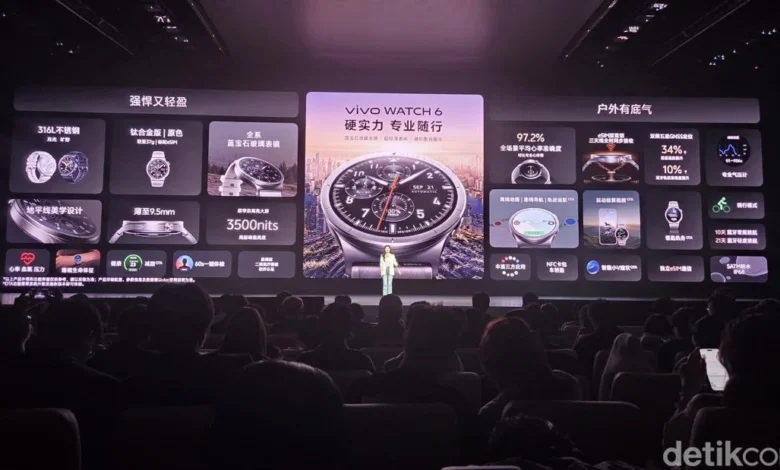
The technology landscape witnessed a significant shift on the evening of September 21, 2026, as Vivo unveiled a comprehensive expansion of its hardware ecosystem at the West Bund Convention Centre in Shanghai, China. Following the highly anticipated debut of the flagship X500 Series—comprising the standard X500, the X500 Pro, and the X500 Pro Max—the company shifted its focus toward interconnected lifestyle technology. This strategic move marks a concerted effort by the Chinese smartphone giant to challenge the dominance of established tech incumbents by offering a seamless, integrated user experience across wearable, audio, and tablet segments.
The event, attended by industry analysts and global technology journalists, served as a platform for Vivo to showcase its latest advancements in hardware engineering, software synergy, and user-centric design. By introducing the Vivo Watch 6, Vivo Buds Clip, and the powerhouse Vivo Pad 6 Pro, the company is signaling its ambition to move beyond the smartphone market and into the broader category of "Smart Living," where devices communicate intuitively to simplify the user’s daily routine.
The Strategic Importance of the Vivo Ecosystem
In recent years, the consumer electronics industry has trended toward the development of "walled-garden" ecosystems, where the interoperability between devices is the primary driver of customer loyalty. Vivo’s latest launch is a clear response to this trend. By focusing on BlueOS 4 and OriginOS 7, the company is optimizing its proprietary software to ensure that data flows effortlessly between the smartphone, the smartwatch, and the tablet.
Industry experts observe that this expansion is vital for Vivo’s growth in the premium sector. While the X500 Series serves as the cornerstone of the brand’s image, the secondary devices—the wearables and tablets—are essential for retaining users within the ecosystem. The ability to monitor health metrics on a watch, take professional-grade notes on a tablet, and enjoy high-fidelity audio via clip-on buds creates a comprehensive service package that is difficult for a user to abandon once fully adopted.
Vivo Watch 6: Merging Aesthetics with Performance
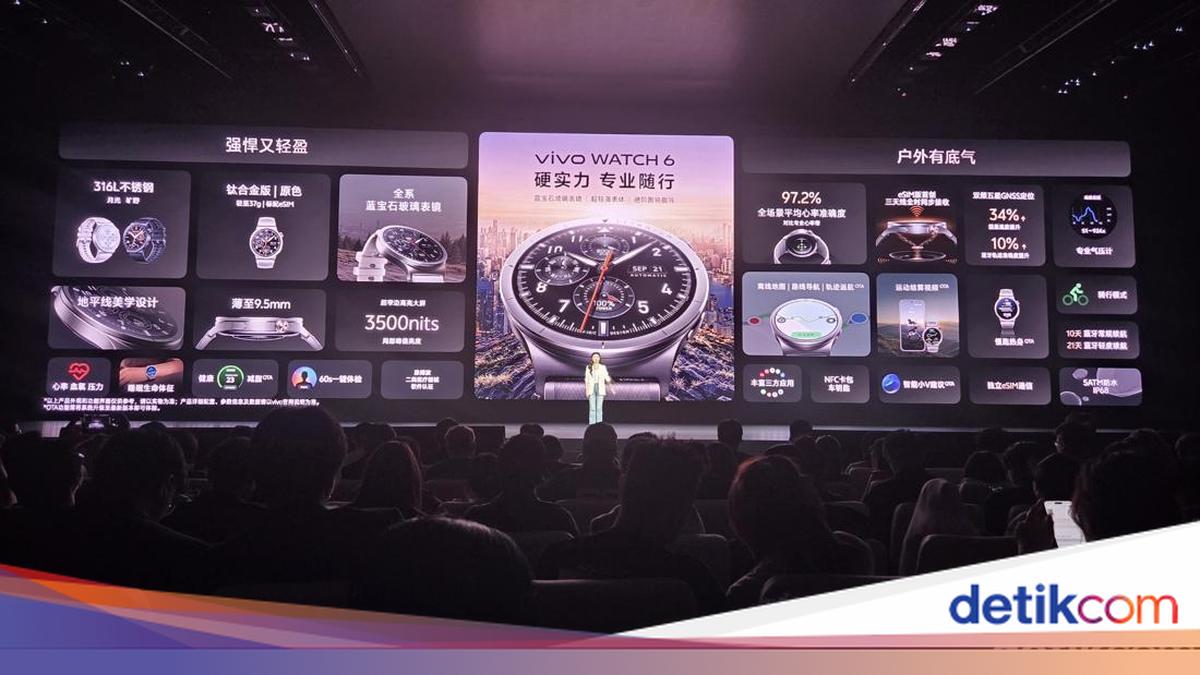
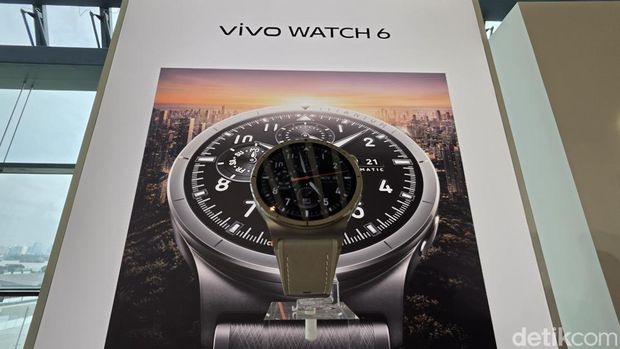
The Vivo Watch 6 stands as the centerpiece of the company’s wearable technology strategy. Engineered for both durability and style, the device features a premium titanium alloy casing paired with a sapphire crystal display. This selection of materials places it squarely in the luxury segment of the smartwatch market.
At just 9.5mm thick and weighing a mere 37 grams, the Watch 6 prioritizes comfort for long-term wear, particularly during physical activity. The integration of BlueOS 4, a platform developed internally by Vivo, is the most significant upgrade. This operating system is designed to handle complex background processes with minimal battery drain, allowing the device to support advanced features like real-time "Workout Recap Videos." This feature utilizes the watch’s onboard sensors to synthesize a user’s performance metrics into a shareable, visual summary, appealing to the modern, data-driven fitness enthusiast.
Technically, the Watch 6 is a powerhouse. With a display capable of reaching 3,500 nits of peak brightness, it remains readable under the most intense direct sunlight. The inclusion of dual-band GPS, NFC for contactless payments, and a 5 ATM water-resistance rating ensures that it meets the rigorous demands of professional athletes and casual users alike. The pricing strategy, starting at 999 Yuan for the standard version and 1,399 Yuan for the eSIM-enabled model, positions it competitively against the premium offerings from Apple and Samsung.
Vivo Buds Clip: A New Paradigm in Audio Design
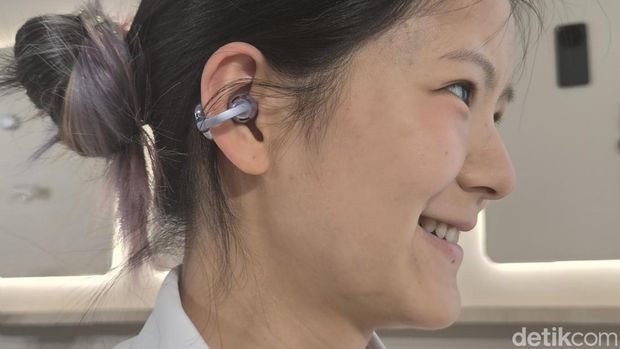
The introduction of the Vivo Buds Clip represents a departure from the traditional TWS (True Wireless Stereo) in-ear design. By utilizing a "clip" mechanism that attaches to the outer ear, Vivo is addressing a common complaint among consumers: ear fatigue and the inability to perceive ambient noise while listening to audio.
The "Open-Ear" design philosophy is gaining traction in the market, particularly among commuters and outdoor runners who prioritize situational awareness. Weighing only 5.2 grams, the Buds Clip are designed for stability, ensuring they remain secure during rigorous movement. Beyond the physical design, the audio quality has been optimized for "High-Definition Vocal Clarity," a feature that prioritizes the frequency ranges associated with human speech.
Perhaps more impressive is the "Three-Device Connectivity" feature. This allows the Buds Clip to maintain simultaneous active links to three different devices—for instance, a tablet, a smartphone, and a laptop—automatically switching the audio output to the device currently in use. This level of connectivity is a significant quality-of-life improvement for professionals who juggle multiple screens throughout the workday.
Vivo Pad 6 Pro: Redefining Mobile Productivity
While the Watch 6 and Buds Clip are new additions, the Vivo Pad 6 Pro has been a long-awaited refresh to the company’s tablet lineup. It represents the pinnacle of Vivo’s hardware capabilities, boasting a massive 13.2-inch 4K display. With a resolution of 3,840 x 2,512 pixels and a 144Hz refresh rate, the device is clearly aimed at digital artists, video editors, and power users who require a high-fidelity workspace on the go.
The engine powering this tablet is the Snapdragon 8 Elite Gen 5 chipset, manufactured using a cutting-edge 3nm process. This chip allows for a level of multitasking that was previously limited to desktop-grade computers. The "Atomic Workbench" feature on OriginOS 7 enables users to run up to five applications in resizable windows simultaneously. This functionality, combined with the tablet’s ability to edit 4K video natively, positions the Pad 6 Pro as a legitimate alternative to traditional laptops for content creators.
Supporting this high-performance hardware is a massive 13,000 mAh battery, designed to provide all-day longevity even under heavy workloads. By integrating these features, Vivo is attempting to bridge the gap between tablets as "media consumption devices" and "productivity workhorses." With a starting price of 4,499 Yuan, the device is positioned as a flagship-tier product intended to compete with the iPad Pro and the Samsung Galaxy Tab S-series.
Chronology of the Launch and Market Implications
The lead-up to this event was marked by a series of controlled leaks and teasers that kept the tech community in anticipation. The timeline of the launch in Shanghai followed a strategic sequence:
- Late August 2026: Initial rumors regarding the X500 series and the "companion devices" began circulating on social media platforms, heightening interest.
- September 15, 2026: Vivo officially confirmed the date of the "Blue Innovation" event in Shanghai.
- September 21, 2026 (Evening): The event commenced with the unveiling of the X500 flagship smartphone series, followed immediately by the introduction of the Watch 6, Buds Clip, and Pad 6 Pro.
- September 22, 2026: Pre-orders opened for the Chinese market, with initial sales figures indicating high interest in the eSIM-enabled version of the Watch 6.
The broader implications of this launch are significant. Vivo is clearly positioning itself to capture a larger share of the "prosumer" market. By offering a unified experience, they are making it easier for users to invest in the Vivo ecosystem rather than mix-and-matching brands.
From an analytical standpoint, the challenge for Vivo now shifts to international expansion. While these specifications and prices are set for the Chinese market, the global release will require localization of the software experience, particularly regarding regional cloud services and app support. As of the time of writing, Vivo Indonesia has not yet released specific details regarding pricing or availability for the local market, though it is expected that the company will announce a regional rollout strategy in the coming weeks.
Conclusion
The Shanghai event was more than just a product launch; it was a demonstration of Vivo’s technical maturity. By successfully integrating complex hardware like the Snapdragon 8 Elite chipset into a tablet and refining wearable OS efficiency with BlueOS 4, Vivo has proven that it is capable of innovating across multiple categories simultaneously. As the tech industry continues to evolve toward a more connected future, Vivo’s commitment to building a seamless, high-performance ecosystem places it in a strong position to challenge the status quo. Whether these products will gain the same level of traction in international markets remains to be seen, but the foundation laid in Shanghai is undoubtedly formidable.
Related posts: