Ini Sebab Ilmiah Kenapa Ikan Sapu-sapu Invasif, Pantas Dimusnahkan

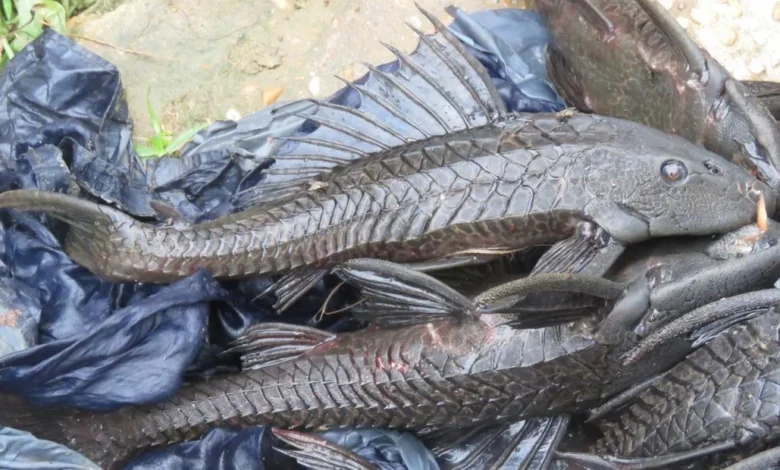
Jakarta, Indonesia – The DKI Jakarta Provincial Government has escalated its efforts to combat the proliferation of suckermouth catfish, locally known as "ikan sapu-sapu" (Hypostomus plecostomus and related species within the Loricariidae family), deemed a significant invasive species threatening the delicate balance of the region’s aquatic ecosystems. This intensified campaign, marked by large-scale capture and controlled disposal operations, underscores a critical ecological challenge that has long been a concern for environmental scientists and local communities alike, prompting calls for greater public awareness and stricter regulatory measures to prevent further ecological damage across Indonesia’s vast network of waterways.
The push for the systematic eradication of these armored catfish comes amidst mounting scientific evidence detailing their destructive impact on native fish populations and overall aquatic biodiversity. Despite their common presence in many Indonesian waterways, often overlooked or even consumed by some, the scientific community has consistently highlighted the severe ecological disequilibrium caused by these non-native species. A significant body of research, readily accessible in digital scientific repositories, underscores the urgent need for comprehensive management strategies. One such publication, the Albacore Journal, Volume 4, No. 1, published in February 2020, provides a stark illustration of the problem’s gravity, offering critical insights into the pervasive threat posed by Hypostomus plecostomus.
Scientific Insights into an Ecological Crisis
The Albacore Journal article, accessed by detikINET on Monday, April 20, 2026, presents findings from a research team comprising Hasrianti, Surianti, and Muhammad Rais Rahmat Razak. Their study focused on the suckermouth catfish population within Lake Sidenreng, located in Teteaji Village, Wette’e Sub-district, Sidenreng Rappang Regency. The scientists’ meticulous investigation revealed a direct correlation between the explosive growth of the suckermouth catfish population and a drastic decline in native fish catches, including economically important species such as snakehead fish (Channa striata), tilapia (Oreochromis niloticus), silver barb (Barbonymus gonionotus), common carp (Cyprinus carpio), and Mozambique tilapia (Oreochromis mossambicus). This alarming trend in Lake Sidenreng serves as a microcosm of the wider ecological devastation observed in many other Indonesian freshwater bodies.
The research unequivocally concluded that "the presence of suckermouth catfish, categorized as an invasive species, can lead to the damage and even disappearance of local fish communities within the waters." This statement resonates deeply within the scientific community, reinforcing the long-held understanding that invasive species represent one of the foremost threats to global biodiversity, second only to habitat destruction. The mechanisms through which Hypostomus plecostomus exerts such profound ecological pressure are multifaceted, stemming from a unique combination of biological traits that grant them a distinct advantage over native species.
The Biological Arsenal of an Invasive Species
Maruf Adnan, in his seminal article "The Environmental Impact of Hypostomus plecostomus: Assessing the Potential Harm to Water Species," elaborates on the biological attributes that render suckermouth catfish highly invasive. Key among these is their remarkable adaptability. These fish are incredibly resilient, capable of thriving in a wide range of environmental conditions, including degraded habitats with low oxygen levels and high pollution, conditions often detrimental to native species. This hardiness allows them to colonize new environments rapidly and establish robust populations where native species struggle to survive.
Furthermore, their prolific reproductive capabilities outpace those of many local fish species. Suckermouth catfish are known to lay thousands of eggs in secure, often self-dug, burrows, providing a safe haven for their offspring. This high reproductive rate, coupled with parental care (often by the male guarding the nest), ensures a steady recruitment of new individuals into the population, further accelerating their dominance. In contrast, many native species, adapted to specific environmental cues and predator pressures, cannot compete with such a rapid rate of population expansion.
Another critical aspect of their invasiveness lies in their feeding behavior. While often introduced as "aquarium cleaners" due to their propensity to consume algae, this seemingly benign habit has significant ecological repercussions. Algae form the base of many aquatic food webs, providing essential nutrition for a myriad of invertebrates and smaller fish. Moreover, dense algal mats and aquatic vegetation serve as crucial breeding grounds, foraging areas, and refuge for numerous aquatic organisms, including the fry and juveniles of native fish species. By aggressively grazing on algae, suckermouth catfish disrupt these vital habitats, effectively stripping the environment of critical resources and shelter, thereby directly impacting the survival and reproductive success of native fauna. The alteration of primary productivity through excessive algal consumption can lead to shifts in water chemistry, light penetration, and overall ecosystem function, often favoring less desirable, opportunistic species.
Beyond direct competition and habitat alteration, suckermouth catfish, as non-native species, can also introduce and transmit diseases and parasites to which local species have no natural immunity. This can lead to widespread outbreaks and significant mortality among native fish populations, further exacerbating their decline. Compounding these issues is the alarming finding from other research indicating that in their introduced habitats, suckermouth catfish often lack natural predators or enemies. Their tough, bony plates (which give them their "armored" moniker) provide effective protection against many native piscivores, allowing them to grow to considerable sizes without significant predation pressure, thus reaching reproductive maturity and contributing to population growth largely unchecked.
The Genesis of an Invasion: From Aquarium to Ecosystem Threat
The widespread presence of Hypostomus plecostomus in Indonesian waters, including Jakarta’s intricate network of rivers, canals, and lakes, is largely attributed to the ornamental fish trade. These fish were initially imported and popularized as aquarium pets due to their unique appearance and reputation for keeping aquariums clean. However, a lack of awareness regarding responsible pet ownership, combined with the fish’s rapid growth and often unsightly size in domestic tanks, led many owners to release them into natural waterways. This act, often perceived as humane by the pet owners, unwittingly initiated an ecological catastrophe. The fish, highly adaptable, found ideal conditions in Indonesia’s tropical climate and abundant freshwater resources, quickly establishing breeding populations and spreading throughout various river basins. This pattern of introduction via the aquarium trade and subsequent release into the wild is a common pathway for many invasive aquatic species globally, highlighting a recurring theme in conservation challenges.
A Coordinated Campaign: Jakarta’s Response
The DKI Jakarta Provincial Government’s recent actions represent a significant escalation in the battle against this invasive species. On Friday, April 17, 2026, a coordinated, simultaneous capture operation was executed across various locations within Jakarta. This large-scale effort yielded approximately 6.98 tons of suckermouth catfish, a staggering quantity that translates to an estimated 68,880 individual fish. Following their capture, these fish underwent a specific disposal protocol: they were systematically split open and then buried at designated sites near water gates.
Hasudungan A. Sidabalok, the Head of the DKI Jakarta Food Security, Maritime, and Agriculture (KPKP) Agency, provided crucial clarification regarding this disposal method. He explained that the decision to split and bury the fish was primarily aimed at preventing any potential misappropriation or unauthorized resale of the captured fish. "This measure is essential to ensure that the results of our eradication efforts are not undermined by illicit activities, such as the unauthorized sale of captured sapu-sapu fish to vendors," Sidabalok stated. This proactive approach by the KPKP Agency underscores the government’s commitment not only to removing the invasive species but also to ensuring the integrity and effectiveness of the entire operation, preventing the fish from re-entering the food chain or being re-released.
The disposal method also addresses potential public health concerns. While suckermouth catfish are consumed in some regions, their consumption from potentially polluted urban waterways in Jakarta raises questions about heavy metal contamination and other pollutants they may accumulate, given their bottom-feeding habits and resilience in compromised environments. Burying them prevents them from being sold for consumption, thus safeguarding public health.
Broader Implications and the Call for Responsible Stewardship
The Jakarta initiative serves as a poignant reminder of the broader implications of invasive species on national and global scales. The economic impact on local fisheries, as evidenced in Lake Sidenreng, translates directly into livelihood losses for countless fishermen who depend on native fish populations. The cost of such eradication efforts, involving personnel, equipment, and logistical coordination, can be substantial, representing a significant financial burden on local governments.
Beyond immediate actions, the long-term success in managing invasive species hinges on a multi-pronged strategy that combines active removal with robust preventive measures and comprehensive public education. Maruf Adnan’s article strongly emphasizes the critical importance of responsible pet ownership. The adage "Don’t release your pets into the wild" is not merely a suggestion but a vital ecological imperative. Public awareness campaigns are crucial to educate pet owners about the ecological harm caused by releasing exotic species, providing them with responsible alternatives for pet disposal or rehoming.
Furthermore, strengthening regulations governing the import, sale, and possession of exotic aquatic species is paramount. Implementing stricter biosecurity measures at entry points and establishing clear guidelines for pet stores and breeders can significantly reduce the risk of future invasions. Regular monitoring of waterways for early detection of new invasive species is also essential for timely intervention, as eradication efforts are most effective when populations are small and localized.
Looking Ahead: Towards Sustainable Aquatic Ecosystems
The ongoing battle against the suckermouth catfish in Jakarta is a microcosm of a larger global conservation challenge. It highlights the intricate interconnectedness of ecosystems and the profound impact human actions can have on biodiversity. The DKI Jakarta Provincial Government’s decisive action, backed by scientific research and guided by strategic planning, sets an important precedent for invasive species management in urban environments.
However, the fight is far from over. The resilience and adaptability of Hypostomus plecostomus mean that sustained effort, continuous monitoring, and adaptive management strategies will be required. This includes exploring various eradication techniques, from targeted trapping and netting to potential biological controls (though the latter requires extreme caution to avoid unintended consequences). Ultimately, the goal is not merely to remove the invasive species but to restore and maintain the ecological integrity of Jakarta’s aquatic environments, ensuring the health and sustainability of its native fish communities for future generations. The lessons learned from this campaign will undoubtedly inform future conservation policies, underscoring the necessity for a holistic approach that integrates scientific understanding, governmental action, and responsible community engagement to safeguard Indonesia’s invaluable natural heritage.