AWS Developer Experience Team Engages with AWS Korea User Group Leaders, Highlights Lambda Coding Agent Advancements, and Addresses Billing Incident

AWS Developer Experience Team Engages with AWS Korea User Group Leaders, Highlights Lambda Coding Agent Advancements, and Addresses Billing Incident
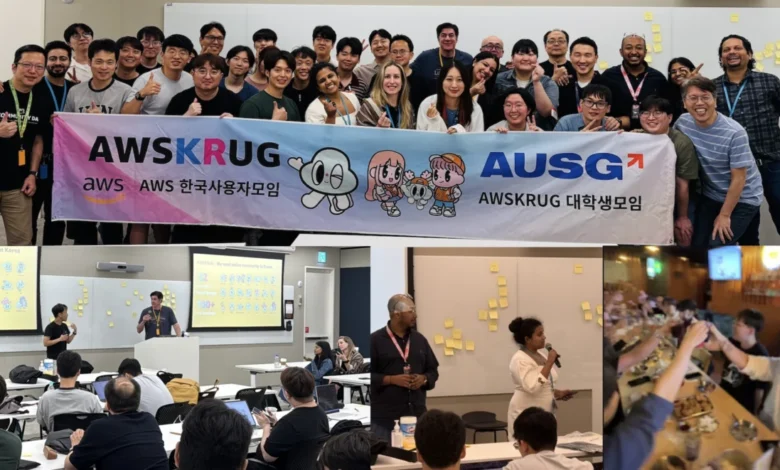
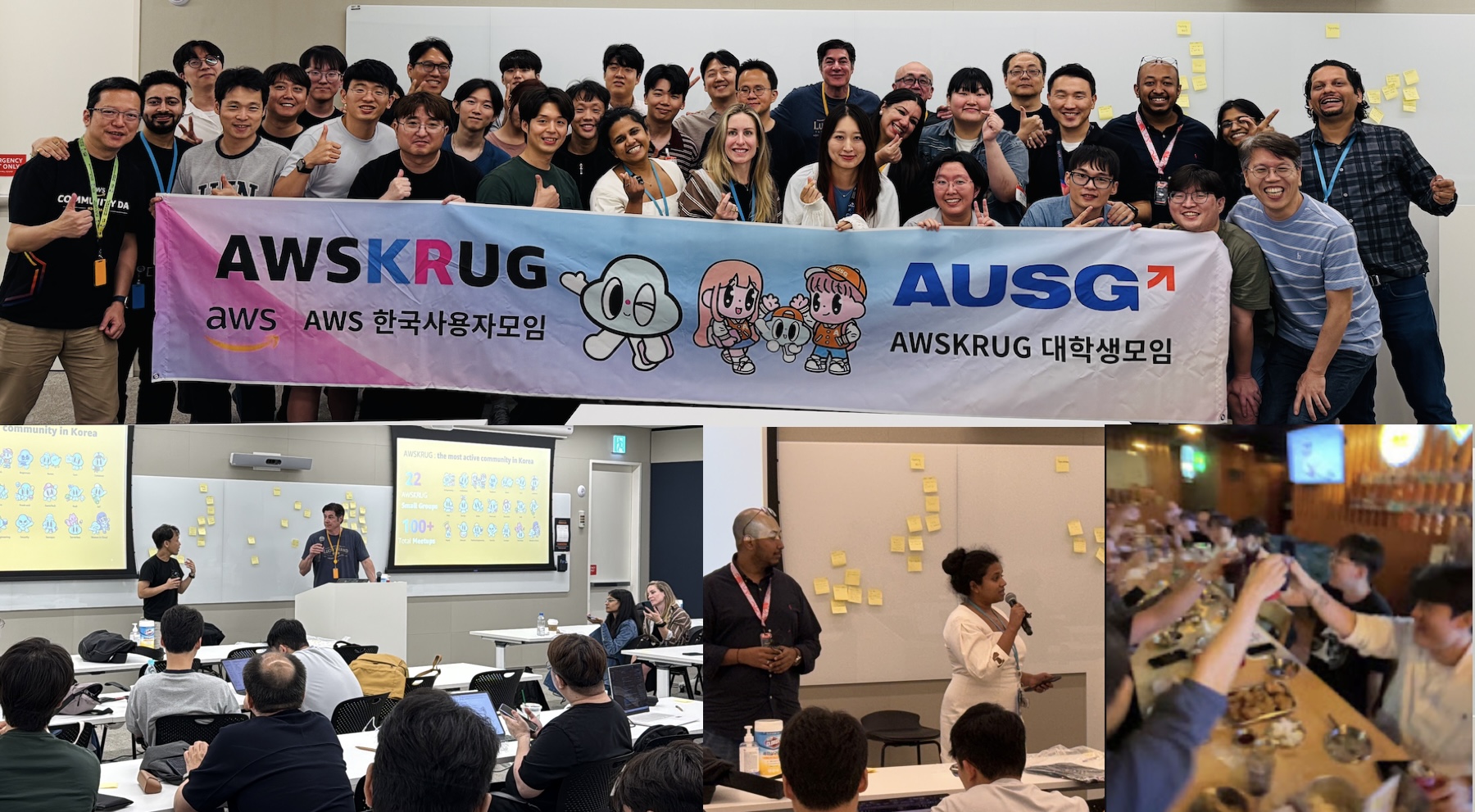
Last week, the AWS Developer Experience team embarked on a significant visit to Seoul, South Korea, to foster deeper connections with the leadership of the AWS Korea User Group (AWSKRUG). This engagement underscores AWS’s commitment to nurturing its global developer communities and gathering direct feedback to enhance its services. AWSKRUG stands as a testament to the vibrant cloud computing ecosystem in Korea, boasting the largest community of cloud developers in the nation. With a network of 20 distinct meetup groups, strategically organized by specialized topics and geographical areas, AWSKRUG orchestrates over 100 events annually, predominantly centered in the capital city of Seoul. The AWS Developer Experience team’s consistent outreach across the Asia-Pacific region, including this pivotal meeting in Seoul, exemplifies a proactive approach to understanding the evolving needs of its developer base and providing targeted support to these crucial community hubs.
During the Seoul visit, leaders from AWSKRUG candidly shared their experiences from the first half of the year, offering insights into their successes, areas identified for improvement, and specific requests directed at the AWS Developer Experience team. This collaborative dialogue is integral to AWS’s strategy of co-creating and refining its offerings. The exchange was further enriched by a convivial "Chimaek" (Korean for chicken and beer) gathering, a cultural tradition that facilitated informal discussions and strengthened professional relationships.
Advancements in AI-Powered Development: One-Click Lambda Setup for Coding Agents
A particularly noteworthy development highlighted during the period was the introduction of a one-click Lambda setup prompt designed for coding agents. This innovative feature significantly streamlines the process of integrating AWS Serverless capabilities into AI-assisted development workflows. The prompt automatically configures coding agents with essential AWS Serverless skills and the Serverless Model Context Protocol (MCP) server. By embedding serverless best practices from the outset, this functionality aims to empower developers to build and deploy serverless applications more efficiently and securely.
The Lambda agent setup prompt is a direct reference to the comprehensive Lambda agent setup guide, which provides installation commands for a wide array of popular AI coding tools. These include, but are not limited to, Claude Code, Kiro, Cursor, GitHub Copilot, Codex, Devin Desktop, and OpenCode. This broad compatibility ensures that developers using diverse development environments can readily leverage this new feature.
To initiate this streamlined setup, users can simply access the AWS Lambda console. A prominent "Copy agent prompt" button is available, allowing for immediate integration. Alternatively, developers can directly copy the URL fetch https://docs.aws.amazon.com/lambda/latest/dg/samples/aws-lambda-agent-setup.md and paste it into their preferred AI agent interface. This direct approach offers flexibility and caters to various user preferences.
Furthermore, AWS offers the Agent Toolkit for AWS, a powerful suite of tools designed to equip coding agents with up-to-date AWS knowledge and secure access to AWS resources. This toolkit is crucial for maintaining the security and compliance of cloud development workflows. To integrate the AWS MCP Server using this toolkit, developers can utilize the command fetch https://raw.githubusercontent.com/aws/agent-toolkit-for-aws/refs/heads/main/setup-instructions/setup.md. This further emphasizes AWS’s commitment to providing robust and secure development environments for its users.
The implications of this one-click Lambda setup are significant. By abstracting away complex configuration steps, AWS is lowering the barrier to entry for serverless development, particularly for developers new to the AWS ecosystem or those seeking to accelerate their project timelines. The integration of serverless best practices directly into the AI agent setup process promotes a more secure and efficient development lifecycle, reducing the likelihood of common misconfigurations that can lead to security vulnerabilities or performance issues. This move aligns with the broader industry trend of leveraging AI to enhance developer productivity and democratize access to sophisticated cloud technologies.
Recent AWS Launches and Updates
Beyond the highlighted Lambda coding agent prompt, AWS announced a series of other notable launches and updates in the preceding week. While specific details of other launches were not elaborated upon in the original context, a comprehensive overview of AWS announcements can be found on the dedicated "What’s New with AWS" page. This page serves as a central repository for all AWS product and service updates, providing developers and IT professionals with timely information to stay abreast of the latest innovations.
For those seeking a broader understanding of AWS developments, the AWS Blogs page offers a wealth of articles, case studies, and technical deep dives. These resources provide valuable context and practical guidance on how to leverage new AWS services and features effectively.
AWS also actively promotes engagement through a variety of events. Developers are encouraged to explore upcoming AWS-led in-person and virtual events, including specialized startup events and developer-focused gatherings such as AWS Summits. The AWS Builder Center serves as a central hub for builders to connect, share solutions, and access a rich repository of content designed to support their development journey.
Addressing the Billing Data Incident
In a separate but critical announcement, AWS addressed an issue that affected a segment of its customer base over the past weekend. Some customers experienced inaccuracies in the estimated billing data displayed within AWS Cost Explorer. This disruption may have led to erroneous budget alerts and cost anomaly detection notifications, as well as inflated estimated cost and usage figures.
The issue has since been resolved, and all AWS services are confirmed to be operating normally. AWS extended its apologies to the affected customers for any concern or inconvenience caused by this incident. The company is currently undertaking a thorough retrospective analysis to identify the root causes of the problem and implement measures to prevent similar occurrences in the future. Furthermore, AWS is committed to enhancing its response mechanisms for billing-related incidents to ensure swift and effective resolution should they arise again. Customers seeking further details can refer to the AWS Health Dashboard for an official account of the incident.
The transparency and proactive communication surrounding this billing incident reflect AWS’s ongoing commitment to customer trust and operational integrity. While the impact was limited to estimated data display, the potential for erroneous alerts underscores the importance of robust monitoring and accurate data reporting for financial management within cloud environments. The retrospective process is crucial for identifying systemic weaknesses and reinforcing the reliability of AWS’s billing and cost management tools.

Fostering Global Developer Communities
The engagement with AWSKRUG in Seoul is emblematic of AWS’s broader strategy to cultivate and empower its global developer communities. These communities serve as vital feedback loops, enabling AWS to align its product development with the real-world needs and challenges faced by developers. By actively listening to user group leaders, AWS gains invaluable insights into emerging trends, pain points, and desired enhancements. This collaborative approach ensures that AWS services remain relevant, competitive, and supportive of innovation across diverse industries and technological landscapes.
The structured format of AWSKRUG, with its topic-specific meetups, allows for deep dives into particular areas of cloud computing. This specialization enables members to share expertise, collaborate on projects, and collectively advance their understanding and application of AWS technologies. The recurring nature of these meetups, exceeding 100 events annually, signifies a consistent and dedicated effort to foster knowledge exchange and community growth.
The inclusion of cultural elements, such as the Chimaek gathering, highlights the human aspect of these professional relationships. Building trust and rapport outside of formal meetings can lead to more open and productive collaborations, ultimately benefiting both the AWS Developer Experience team and the AWSKRUG community. Such interactions foster a sense of partnership, where AWS is viewed not just as a service provider but as a supportive ally in the developers’ journey.
The AWS Developer Experience team’s regular visits to regions like Asia-Pacific underscore a commitment to inclusivity and global reach. By investing time and resources in understanding the nuances of different regional developer ecosystems, AWS can tailor its support and offerings to better serve a diverse international audience. This localized approach, combined with a robust global platform, is a key differentiator in the competitive cloud market.
The Evolving Landscape of Cloud Development and AI Integration
The introduction of the one-click Lambda setup for coding agents represents a significant step in the ongoing integration of artificial intelligence into the software development lifecycle. As AI models become more sophisticated, their ability to understand and generate code, and to interact with cloud platforms, is rapidly advancing. AWS’s proactive approach in providing tools and prompts that seamlessly integrate these AI capabilities into its serverless offerings demonstrates a forward-thinking strategy.
The Serverless Model Context Protocol (MCP) server, mentioned in the context of the Lambda prompt, is an example of AWS building the foundational components necessary for advanced AI-cloud interactions. By defining protocols and standards, AWS facilitates the development of more intelligent and context-aware AI agents that can operate effectively within the AWS environment. This focus on protocol development is crucial for ensuring interoperability and for enabling complex AI-driven workflows.
The range of supported AI coding agents (Claude Code, Kiro, Cursor, GitHub Copilot, Codex, Devin Desktop, and OpenCode) indicates a deliberate effort to embrace the diverse tools developers currently use. This broad compatibility ensures that the benefits of the new Lambda setup prompt are accessible to a wide array of users, regardless of their preferred development environment.
The Agent Toolkit for AWS further solidifies this commitment by providing a framework for securely connecting AI agents to AWS resources. This is paramount in an era where AI’s capabilities are expanding, and ensuring secure access to sensitive cloud infrastructure is a top priority for organizations. The toolkit empowers developers to build AI agents that are not only intelligent but also responsible and compliant.
The broader implication of these advancements is a potential acceleration in the adoption of serverless computing. By simplifying the initial setup and embedding best practices, AWS is making serverless development more approachable for a larger segment of the developer population. This could lead to increased innovation and the development of novel serverless applications across various industries. The synergy between AI and serverless computing promises to redefine how applications are built, deployed, and managed in the cloud.
The AWS Developer Experience team’s engagement with AWSKRUG, coupled with the release of advanced AI development tools and the transparent handling of service incidents, paints a picture of a cloud provider actively engaged with its community and committed to continuous improvement. These efforts are vital for maintaining leadership in the rapidly evolving cloud computing landscape.
This week’s developments highlight AWS’s multifaceted approach: fostering strong community ties, innovating at the forefront of AI integration in cloud development, and upholding operational reliability through diligent incident management and transparent communication. The commitment to supporting developer communities worldwide, exemplified by the visit to AWSKRUG, remains a cornerstone of AWS’s strategy for long-term growth and customer success. The ongoing evolution of tools like the Lambda coding agent prompt signals a future where AI and cloud computing are inextricably linked, empowering developers to achieve unprecedented levels of productivity and innovation.
— Channy