Grinex Suspends Operations Following Alleged $13.74 Million Hack, Citing Foreign Intelligence Involvement

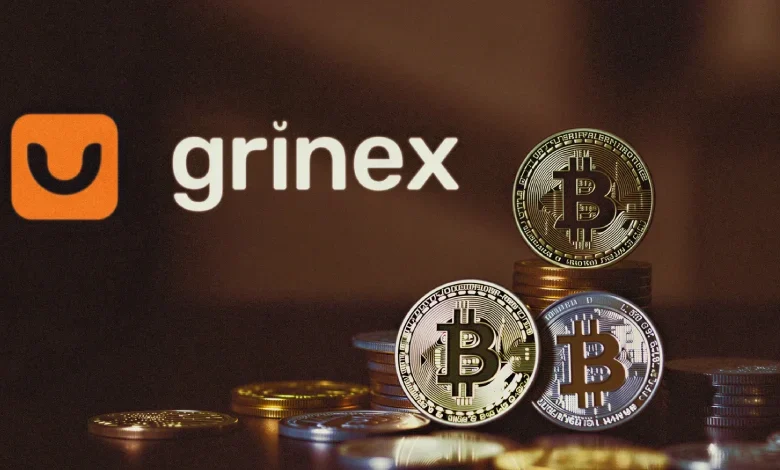
Grinex, a cryptocurrency exchange incorporated in Kyrgyzstan and previously sanctioned by both the United Kingdom and the United States, has announced the suspension of its operations. The company attributes this drastic measure to a significant cyberattack, purportedly orchestrated by foreign intelligence agencies, which resulted in the theft of approximately $13.74 million (over 1 billion rubles) in user funds.
The exchange, in a statement posted on its website, described the attack as a large-scale, sophisticated operation bearing the hallmarks of state-sponsored involvement. Grinex asserted that "digital forensic evidence and the nature of the attack point to an unprecedented level of resources and technological sophistication – capabilities typically available exclusively to the agencies of hostile states." The company further alleged that preliminary findings suggest the attack was specifically coordinated to inflict direct damage upon Russia’s financial sovereignty.
A spokesperson for Grinex elaborated that the exchange’s infrastructure had been subjected to continuous attacks since its inception. However, the recent incident was characterized as a significant escalation, aimed at destabilizing Russia’s domestic financial sector. This alleged cyberattack marks a critical juncture for the exchange, which has been under intense scrutiny from international regulatory bodies.
Background: A History of Sanctions and Sanctions Evasion
Grinex is widely believed to be a rebrand of Garantex, another cryptocurrency exchange that has faced severe international repercussions. The U.S. Treasury Department first sanctioned Garantex in April 2022, citing its role in laundering funds connected to ransomware operations and illicit activities on darknet markets, including Conti and Hydra. These sanctions were renewed in August 2025, with the Treasury highlighting Garantex’s processing of over $100 million in illicit transactions and its facilitation of money laundering.
Blockchain intelligence firms, including Elliptic and TRM Labs, have provided evidence suggesting that Garantex shifted its customer base to Grinex following the initial sanctions. This maneuver was reportedly facilitated by the continued operation of a ruble-backed stablecoin known as A7A5, allowing the exchange to maintain a degree of functionality despite international restrictions.

Further underscoring the intricate web of sanctions evasion, a report published in February 2026 by Elliptic identified Rapira, a Georgia-incorporated exchange with an office in Moscow, engaging in direct cryptoasset transactions with Grinex totaling over $72 million. This activity illustrated the ongoing efforts by Russian-linked exchanges to circumvent international sanctions.
The Alleged Cyberattack: A Timeline of Events
The cryptocurrency theft, which Grinex claims led to its operational suspension, reportedly occurred on April 15, 2026, at approximately 12:00 UTC. According to Elliptic, the stolen funds, primarily in USDT (Tether stablecoin), were subsequently transferred to addresses on the TRON and Ethereum blockchains. The firm noted that the attacker swiftly converted the USDT to other assets, such as TRX (Tron) or ETH (Ethereum), in an apparent effort to circumvent Tether’s ability to freeze the illicitly obtained stablecoins.
Simultaneously, TokenSpot, a Kyrgyzstan-based exchange widely suspected of operating as a front for Grinex, also reported disruptions. TRM Labs identified approximately 70 addresses linked to the incident, confirming that TokenSpot was impacted. On the same day as the Grinex breach, TokenSpot announced on its Telegram channel that its platform would be temporarily unavailable due to technical maintenance. By April 16, the exchange reported that full operations had resumed. The estimated loss from TokenSpot was significantly smaller, reportedly less than $5,000. Crucially, the funds stolen from TokenSpot were routed through two of its addresses to the same consolidation address that received funds from the Grinex-linked wallets, suggesting a coordinated attack.
Technical Analysis and Potential Implications
Chainalysis, a blockchain analysis firm, provided further insight into the technical aspects of the alleged attack. The firm noted the rapid conversion of stablecoin funds into non-freezable tokens. This "frantic swapping" from stablecoins to more decentralized cryptocurrencies is a recognized tactic employed by malicious actors to launder illicit proceeds before regulatory or exchange-based freezing measures can be implemented.
The nature of the attack and Grinex’s heavily sanctioned status have led some analysts to consider the possibility of a "false flag" operation. Chainalysis, in its breakdown, stated, "Given the exchange’s heavily sanctioned status, its restricted ecosystem, and the on-chain use of Garantex’s preferred obfuscation techniques, it is worth considering if this incident could be a false flag attack." The firm emphasized that regardless of whether the event was a genuine exploit by cybercriminals or an orchestrated operation by insiders with ties to Russia, the disruption of Grinex represents a significant blow to the infrastructure supporting Russian sanctions evasion.
The specific modus operandi, as detailed by blockchain analytics firms, highlights the evolving tactics of cybercriminals and state-sponsored actors in the digital asset space. The ability to quickly move and convert assets across different blockchains underscores the challenges faced by law enforcement and regulatory bodies in tracing and recovering stolen funds.

Broader Impact on Sanctions Enforcement and Financial Stability
The suspension of Grinex’s operations, whether due to a genuine hack or a carefully constructed narrative, has tangible implications for the ongoing efforts to enforce international sanctions against Russia. Exchanges like Grinex have served as critical nodes in a parallel financial ecosystem, enabling sanctioned entities and individuals to circumvent restrictions. The disruption of such platforms directly hinders their ability to engage in illicit financial activities, including money laundering and the funding of prohibited operations.
The alleged involvement of foreign intelligence agencies, as claimed by Grinex, raises profound questions about the geopolitical dimensions of cyber warfare and financial destabilization. If corroborated, such an attack would represent a significant escalation in asymmetric warfare, leveraging digital vulnerabilities to achieve strategic objectives. The assertion that the attack was designed to damage Russia’s financial sovereignty is particularly noteworthy, suggesting a complex interplay of motives, potentially including internal power struggles or attempts to control narrative.
The reliance on stablecoins and their subsequent rapid conversion to other cryptocurrencies also underscores the ongoing debate surrounding the regulation and oversight of digital assets. The ease with which large sums can be moved and obfuscated poses a persistent challenge to financial integrity and security. Regulators worldwide are grappling with developing comprehensive frameworks that can effectively monitor and control illicit activities within the rapidly expanding digital asset market.
The incident serves as a stark reminder of the interconnectedness of cybersecurity, financial regulation, and international relations. The fallout from the alleged Grinex hack will likely fuel further investigations into cryptocurrency exchanges facilitating sanctions evasion and could lead to intensified scrutiny and potentially new regulatory measures aimed at bolstering the resilience of the global financial system against such threats. The prolonged operational suspension of Grinex, coupled with the allegations of state-sponsored involvement, positions this event as a significant development in the ongoing battle against financial crime and geopolitical manipulation within the digital asset landscape. The lack of direct statements from U.K. or U.S. regulatory bodies regarding the specific claims of foreign intelligence involvement means that the exchange’s narrative remains its primary assertion, pending further independent verification. However, the clear evidence of Grinex’s historical ties to sanctioned entities and its role in sanctions evasion remains a critical element of the broader context.
Related posts: