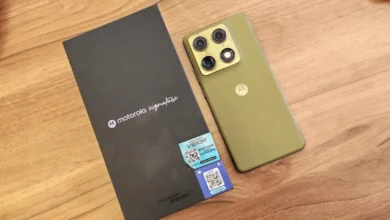
Motorola Edge 70 Fusion Officially Launched in Jakarta, detikINET Provides Exclusive Unboxing and In-Depth Look


Jakarta, Indonesia – Motorola has officially unveiled its latest mid-range contender, the Motorola Edge 70 Fusion, in the bustling Indonesian market today, setting its price point at a competitive IDR 5.9 million. The launch marks a significant move for Motorola in strengthening its presence within the fiercely contested smartphone segment, offering a blend of premium features and accessibility. Leading tech publication detikINET secured an exclusive early look at the device, providing an unboxing experience that reveals the phone’s design, accessories, and initial impressions, highlighting its immediate readiness to engage consumers with its robust specifications and sleek aesthetics.
The Motorola Edge 70 Fusion arrives with a suite of features designed to captivate users seeking a high-performance device without venturing into the ultra-premium tier. Its core appeal lies in a meticulously crafted user experience, from its immersive display to its capable camera system and efficient power delivery. The device is strategically positioned to attract a demographic that values both sophisticated design and cutting-edge technology in their daily digital interactions. The immediate availability and transparent pricing strategy underscore Motorola’s commitment to making advanced smartphone technology accessible to a broader audience in Indonesia.
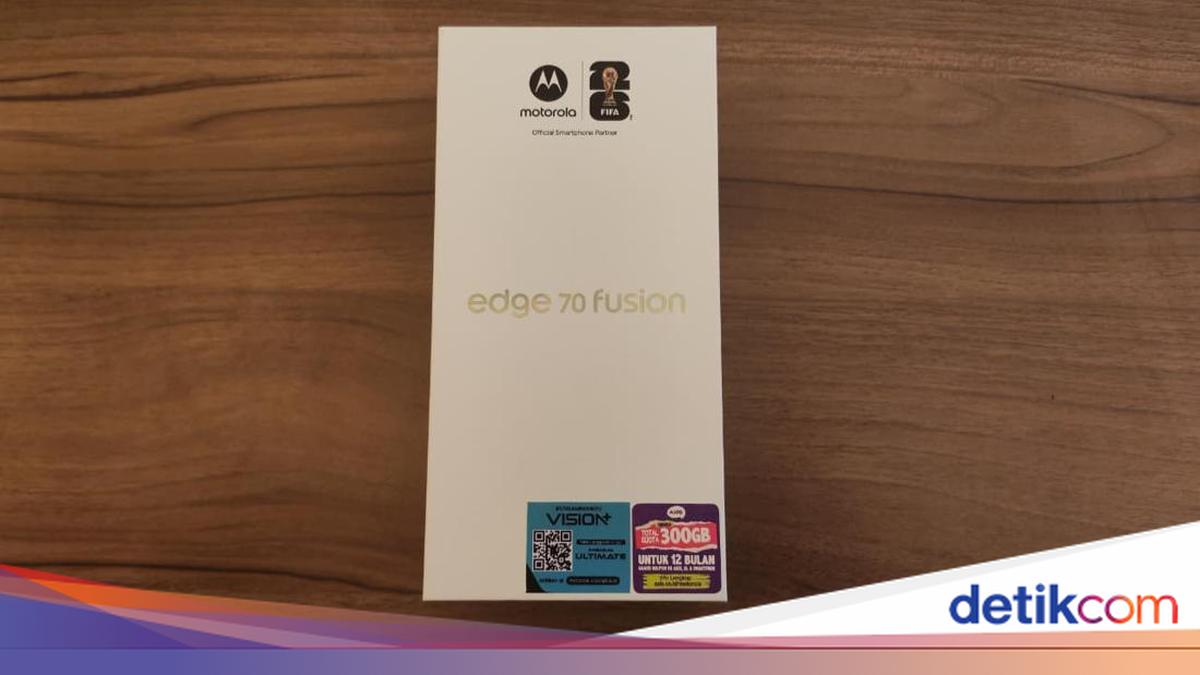
Unboxing the Motorola Edge 70 Fusion: First Impressions
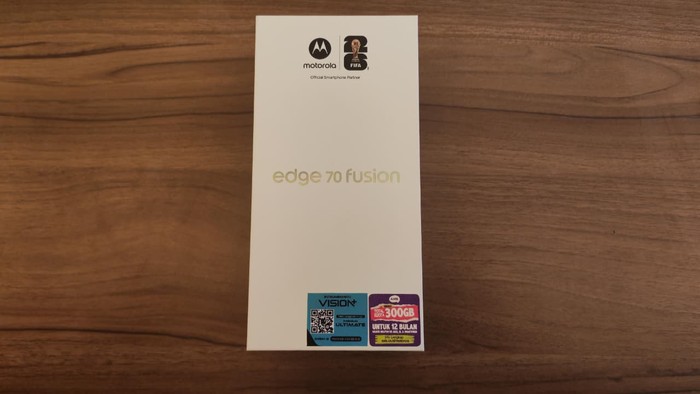
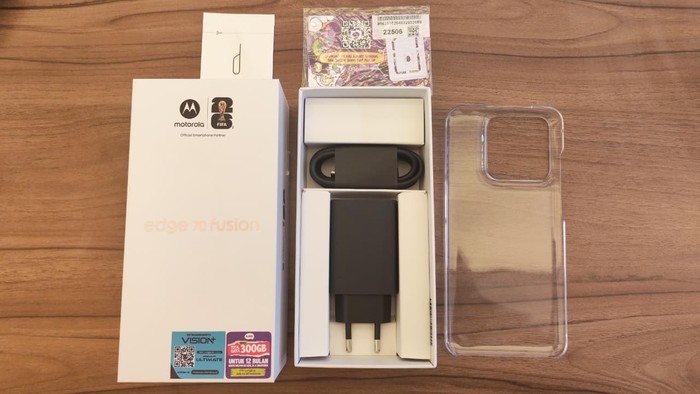
detikINET’s unboxing experience began with the presentation of the Motorola Edge 70 Fusion’s packaging. The box, while understated, hinted at the premium device within. Upon opening, the first item to greet the eye was the smartphone itself, followed by a comprehensive set of accessories that underscore Motorola’s commitment to user convenience. Notably, the package includes a 68W TurboPower charger, a significant inclusion that ensures users can immediately take advantage of the device’s rapid charging capabilities without needing an additional purchase. Alongside the charger, a USB-C cable, a SIM ejector tool, and essential documentation complete the unboxing contents, providing a ready-to-use experience right out of the box.
The initial handling of the Motorola Edge 70 Fusion immediately conveyed a sense of premium craftsmanship. Weighing in at a mere 193 grams, the device feels remarkably light yet solidly built. The curved display, a hallmark of the Edge series, contributes significantly to its ergonomic appeal, allowing for a comfortable grip and a seamless visual flow from edge to edge. The aesthetic is further enhanced by colors validated by Pantone, suggesting a focus on sophisticated and accurate color representation, which adds a touch of personalized elegance to the device. This attention to detail in both physical design and accompanying accessories sets a positive tone for the user’s journey with the Edge 70 Fusion.
An Immersive Visual Experience: The Extreme AMOLED Display
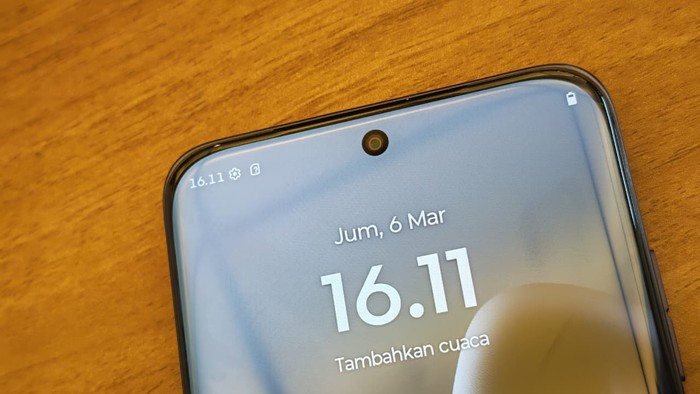
Central to the Motorola Edge 70 Fusion’s allure is its stunning 6.78-inch extreme AMOLED display. This expansive screen dominates the front of the device with an impressive 91.50% aspect ratio, pushing the boundaries of screen-to-body aesthetics and providing an incredibly immersive viewing canvas. The choice of AMOLED technology ensures vibrant colors, deep blacks, and excellent contrast, making content consumption, from streaming videos to browsing photos, an absolute delight.
Beyond its size and panel type, the display is packed with advanced features. It supports HDR10+, which enhances dynamic range, delivering more detailed shadows and brighter highlights for a truly cinematic experience. For gamers and users who appreciate fluidity, the refresh rate goes up to a blazing 144Hz. This high refresh rate ensures ultra-smooth scrolling, responsive touch interactions, and a distinct advantage in fast-paced mobile gaming, minimizing motion blur and enhancing visual clarity. Furthermore, the display boasts an astounding peak brightness of 5,200 nits. While this figure represents peak brightness in specific, small areas for HDR content, it signifies exceptional outdoor visibility, allowing the screen to remain legible even under direct sunlight, a crucial feature for users on the go.
Motorola has also prioritized user eye health, evidenced by the inclusion of SGS Blue Light Reduction and SGS Motion Blur Reduction certifications. These certifications attest to the display’s ability to minimize harmful blue light emissions, reducing eye strain during prolonged usage, and to mitigate motion blur, which contributes to a more comfortable viewing experience, especially with fast-moving content. This comprehensive approach to display technology positions the Edge 70 Fusion as a device that not only delivers breathtaking visuals but also cares for the well-being of its users.
Powering Performance: Snapdragon 7s Gen 4 and Android Ecosystem
Underneath its elegant exterior, the Motorola Edge 70 Fusion is powered by the capable Snapdragon 7s Gen 4 processor, paired with a robust 8GB of RAM. This combination forms the backbone of the phone’s performance, ensuring a smooth and responsive user experience across a wide range of tasks. The Snapdragon 7s Gen 4 is designed to deliver a balanced performance, efficiently handling everyday applications, multitasking, and even demanding mobile games without significant lag or stutter. Its architecture focuses on optimizing power consumption alongside computational prowess, contributing to better battery life while maintaining high performance levels.
The 8GB of RAM provides ample headroom for running multiple applications simultaneously, allowing users to switch between social media, productivity tools, and entertainment apps seamlessly. This generous memory configuration also supports a fluid gaming experience, ensuring that even graphically intensive titles run smoothly.
On the software front, the device operates on the latest Android OS, offering users access to the newest features, security enhancements, and an intuitive user interface. Motorola is renowned for its near-stock Android experience, which typically means less bloatware and a cleaner interface, allowing users to enjoy the pure Android experience as Google intended. This also often translates to faster software updates and a more optimized system performance. While the original source mentioned "Android 16," it is important to clarify that current devices typically launch with Android 14 or 15. Motorola usually provides a commitment to several years of OS updates and security patches, ensuring the device remains current and secure for an extended period. This commitment to software longevity adds significant value to the Edge 70 Fusion, protecting users’ investments and enhancing their long-term satisfaction.
Capturing Moments: Advanced Camera System
Photography enthusiasts will find the Motorola Edge 70 Fusion well-equipped to capture a wide array of moments with impressive clarity and detail. The device features a versatile triple camera setup on the rear, spearheaded by a 50 MP main camera utilizing a Sony LYTIA 710 sensor. The Sony LYTIA sensors are known for their advanced imaging capabilities, particularly in low-light conditions, delivering brighter, clearer, and more color-accurate photos even when ambient light is scarce. This main sensor is capable of capturing intricate details and vibrant colors, making it suitable for a variety of photographic scenarios, from landscapes to portraits.
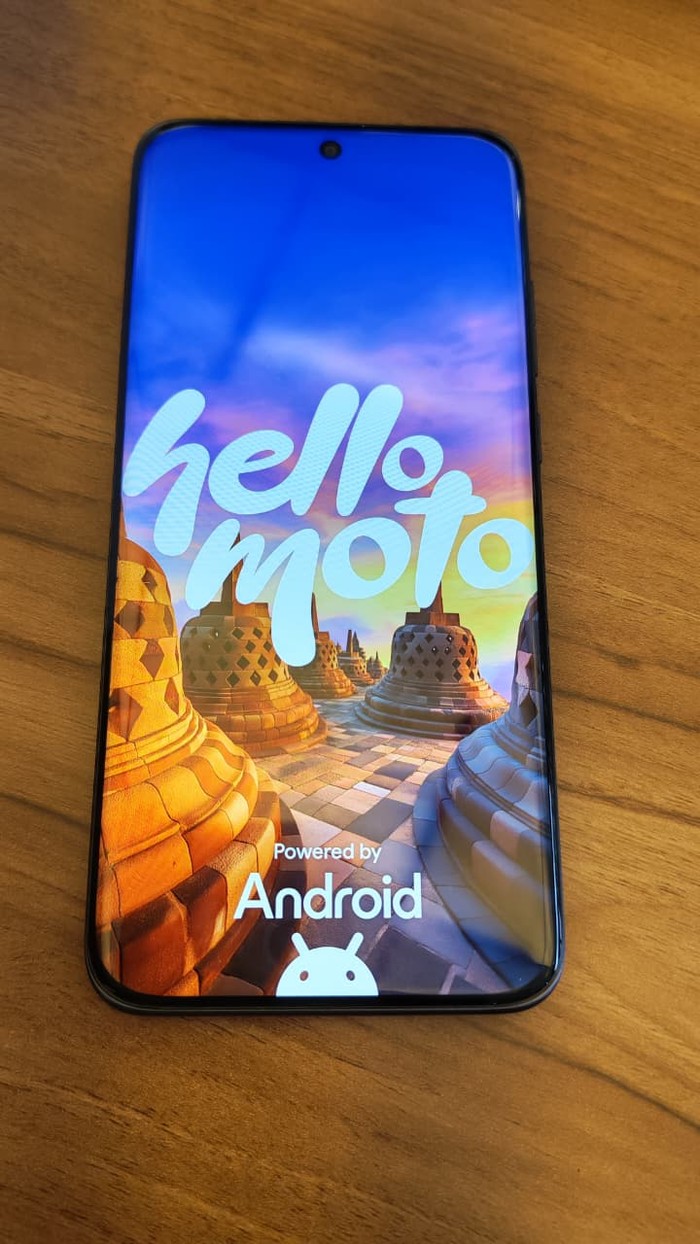
Accompanying the main sensor is a 13 MP ultrawide camera, which allows users to expand their photographic horizons by capturing broader scenes, ideal for group photos, architectural shots, or expansive landscapes where a wider field of view is desired. This ultrawide lens adds significant flexibility to the camera system, enabling more creative compositions. The rear camera setup is further enhanced by a 3-in-1 light sensor, which plays a crucial role in optimizing image quality by intelligently adjusting white balance, exposure, and color temperature based on the surrounding lighting conditions, leading to more natural and consistent photos.
For video recording, the Motorola Edge 70 Fusion supports up to 4K UHD resolution at 30 frames per second (30fps). This capability allows users to capture high-definition videos with excellent detail, suitable for preserving precious memories or creating content for social media platforms. On the front, a high-resolution 32 MP camera is dedicated to selfies and video calls. This front-facing camera is designed to deliver sharp, well-exposed self-portraits and clear video communication, catering to the needs of modern smartphone users who frequently engage in these activities. Motorola typically includes its proprietary camera software enhancements, such as various shooting modes, AI scene detection, and beautification features, to further enrich the photographic experience.
Thoughtful Design and Audio Excellence
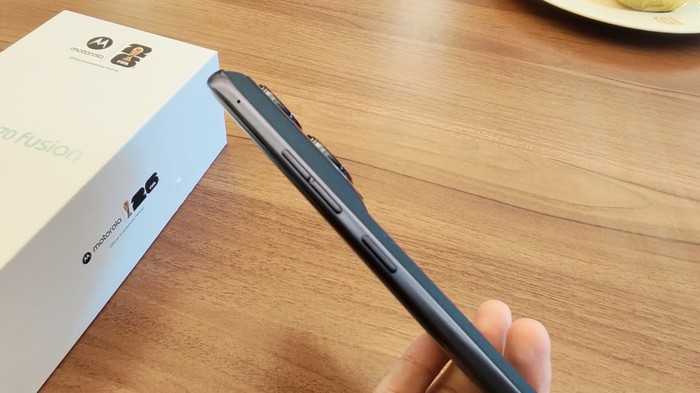
The design philosophy of the Motorola Edge 70 Fusion extends beyond mere aesthetics; it embraces functionality and user comfort. The phone’s physical layout is clean and intuitive. The left side of the device remains unadorned, maintaining a sleek profile, while the right side conveniently houses the power button and volume rockers, placed for easy access during single-handed operation. The curved display seamlessly blends into the frame, creating a premium look and feel that belies its mid-range price point.
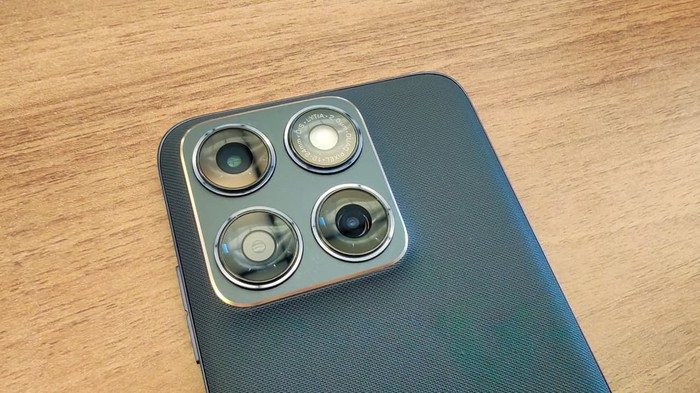
Connectivity and audio are also well-addressed. The device features a versatile USB-C port, which serves as both the charging port and the headphone jack, streamlining the physical interface. This modern standard ensures fast data transfer speeds and reversible connectivity. For audio playback, the Motorola Edge 70 Fusion is equipped with Dual Stereo speakers, enhanced by Dolby Atmos technology. This combination promises an immersive audio experience, delivering rich, clear, and spatial sound, whether users are listening to music, watching movies, or playing games. Dolby Atmos further refines the audio output, providing a more dynamic and engaging soundstage that can truly elevate the multimedia experience. The inclusion of Pantone validated colors, as mentioned earlier, is not just a branding exercise but a commitment to delivering visually pleasing and accurately represented hues, making the phone a stylish accessory as much as a powerful tool.
Market Context and Strategic Positioning in Indonesia
The launch of the Motorola Edge 70 Fusion in Indonesia at IDR 5.9 million places it squarely in a highly competitive segment of the smartphone market. This price bracket is often characterized by a fierce battle among various brands vying for consumers who are looking for a balance between premium features and affordability. Competitors in this range typically offer strong camera capabilities, large displays, and decent performance, making Motorola’s strategic choices for the Edge 70 Fusion crucial.
Motorola’s Edge series is generally positioned to offer a near-premium experience, often focusing on design, display technology, and a clean Android interface. With the Edge 70 Fusion, Motorola appears to be doubling down on these strengths, aiming to differentiate itself through its extreme AMOLED display with high refresh rates and peak brightness, coupled with the reliable performance of the Snapdragon 7s Gen 4. The inclusion of a 68W TurboPower charger in the box is also a significant value proposition, as many competitors in this segment, or even higher, have started omitting chargers.
This launch is part of Motorola’s broader strategy to expand its market share in Indonesia, a key Southeast Asian market with a large and growing smartphone user base. By offering a device that combines strong specifications with a competitive price and a focus on user experience, Motorola hopes to capture a significant portion of the mid-to-high-range segment. The partnership with local media like detikINET for an exclusive unboxing also highlights a localized marketing approach, aiming to generate early buzz and credibility within the tech community. The company’s consistent efforts to deliver compelling products underscore its commitment to re-establishing itself as a major player in the Indonesian smartphone landscape.
Broader Impact and Implications
The introduction of the Motorola Edge 70 Fusion is poised to have several implications for both the Indonesian smartphone market and Motorola’s brand perception. For consumers, the device offers another compelling option in the sub-IDR 6 million category, potentially driving innovation and competitive pricing among rival brands. Its strong display and camera specifications, combined with a fast charging solution out of the box, provide a well-rounded package that addresses many common consumer demands.
From an industry perspective, Motorola’s continued investment in the Edge series signifies a commitment to delivering premium-tier features at more accessible price points. This strategy could pressure other manufacturers to enhance their offerings in the mid-range segment, leading to a more dynamic and beneficial market for consumers. The focus on certifications like SGS Blue Light Reduction also sets a standard for user-centric design, which might influence future trends in display technology across the industry.
For Motorola, the success of the Edge 70 Fusion will be critical in solidifying its market position and building brand loyalty in Indonesia. A positive reception could pave the way for future launches of its diverse product portfolio. The company’s dedication to providing a clean Android experience and timely software updates often resonates well with tech-savvy users, potentially converting them into long-term Motorola advocates. Ultimately, the Motorola Edge 70 Fusion is more than just a new smartphone; it represents a strategic move by Motorola to assert its presence and cater to the evolving demands of the Indonesian digital consumer.
The Motorola Edge 70 Fusion is now available for purchase, offering Indonesian consumers a powerful, stylish, and feature-rich smartphone experience at a compelling price point, poised to make a significant impact in the competitive market.
Related posts: