GeForce NOW Expands Cloud Gaming Library with Aniimo, Path-Tracing for 007 First Light, and Outer Wilds


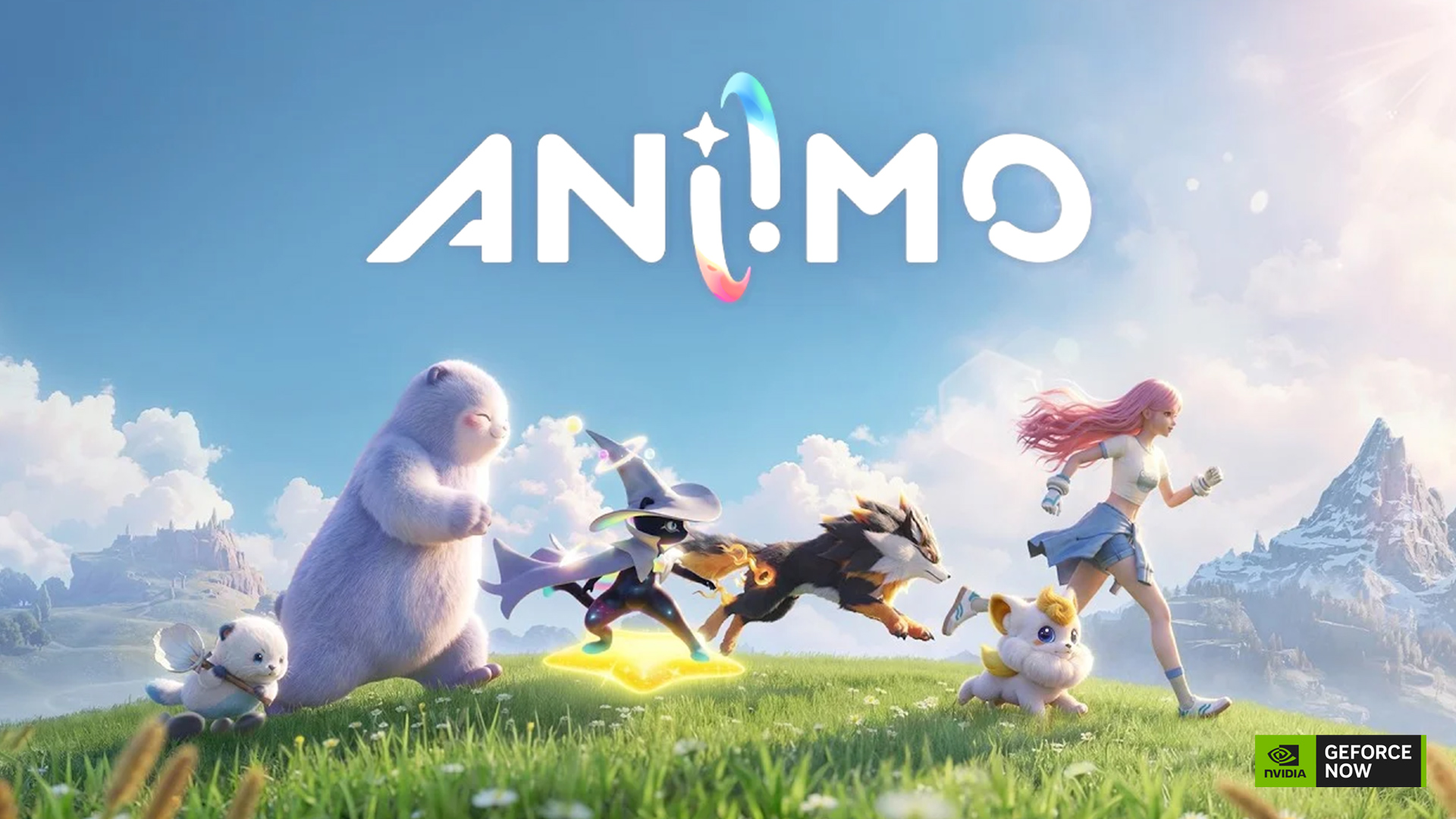
NVIDIA’s premier cloud gaming platform, GeForce NOW, has rolled out its latest weekly update, introducing a diverse lineup of new titles, cutting-edge visual enhancements, and expanded platform accessibility. Highlighting this week’s release schedule is the day-and-date cloud launch of Pawprint Studio’s creature-catching role-playing game, Aniimo, alongside a major graphical upgrade for IO Interactive’s hit espionage thriller, 007 First Light.
As cloud gaming continues to mature as a viable alternative to local hardware installations, NVIDIA’s ongoing expansions target both casual players and high-end enthusiasts. By leveraging advanced server infrastructure powered by GeForce RTX architecture, the service aims to eliminate hardware bottlenecks, storage constraints, and lengthy installation times for users worldwide.
Main Facts of the Weekly Release
The headline addition to the GeForce NOW library is Aniimo, a free-to-play, open-world adventure developed by Pawprint Studio. Released simultaneously on the cloud and traditional digital storefronts, the title invites players to explore the sprawling continent of Idyll. The game utilizes a unique companion mechanic where players capture creatures using AniPods and subsequently "Twine" with them to assume their forms, utilizing specialized abilities for puzzle-solving and combat.
In addition to Aniimo, the update brings Annapurna Interactive’s critically acclaimed cosmic mystery Outer Wilds and Gaijin Network’s multiplayer tactical extraction shooter Active Matter to the cloud platform. These additions contribute to a growing catalog that currently spans thousands of titles, accessible across a broad spectrum of hardware ranging from low-power laptops and mobile devices to dedicated handhelds like the Steam Deck and modern web browsers such as Firefox.
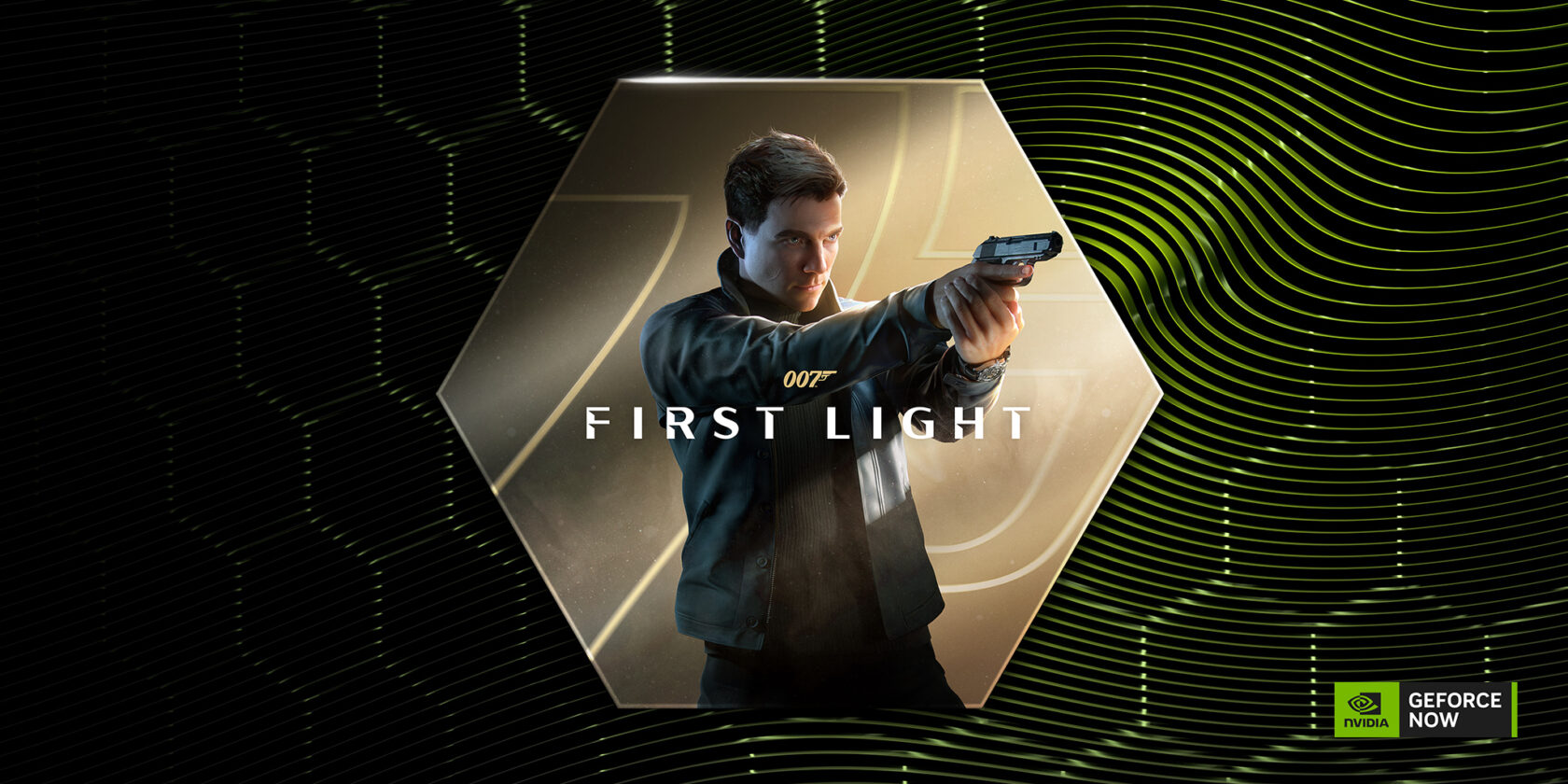
Concurrently, IO Interactive’s 007 First Light receives a comprehensive technical overhaul. The multimillion-selling title, which reimagines the early years of James Bond within MI6’s training division, has been updated to support path-tracing technology. Backed by NVIDIA DLSS 4.5 Ray Reconstruction and Dynamic Frame Generation, Ultimate tier subscribers can experience real-time ray-traced reflections, shadows, and global illumination streamed at up to 5K resolution with high dynamic range (HDR) fidelity.
Chronology and Implementation Timeline
The rollout of these features follows a structured deployment schedule typical of NVIDIA’s weekly updates, widely known within the gaming community as "GFN Thursdays."
- September 3 – September 18: The Epic Games Store launches a limited-time promotional sale for the 007 First Light Deluxe Edition, discounting the title for early adopters.
- September 15 – September 29: A corresponding Steam digital storefront sale for the 007 First Light Deluxe Edition runs concurrently, expanding promotional access across PC platforms.
- September 17: Aniimo officially launches globally, arriving on GeForce NOW on day one. Simultaneously, 007 First Light receives its path-tracing patch and DLSS 4.5 integration, while Outer Wilds and Active Matter are officially onboarded into the GeForce NOW server network.
Supporting Data and Technical Specifications
Cloud gaming infrastructure relies heavily on latency reduction, server density, and high-performance rendering capabilities to replicate or surpass local hardware performance. NVIDIA’s deployment of GeForce RTX 5080-class server nodes for Ultimate tier members underpins the technical delivery of this week’s updates.
According to technical benchmarks provided by NVIDIA, Ultimate subscribers streaming 007 First Light with path-tracing enabled benefit from advanced neural rendering techniques. Path-tracing—often referred to as complete ray tracing—simulates the physical behavior of light throughout an entire scene, creating exceptionally realistic lighting models that previously required high-end desktop GPUs with dedicated tensor cores.
Furthermore, Aniimo addresses a common friction point in modern gaming: file size. Weighing in at approximately 45 gigabytes on traditional storage drives, the game can be streamed instantly via GeForce NOW, bypassing local download times and preserving solid-state drive (SSD) capacity on user devices. The platform’s newly optimized browser support for Mozilla Firefox, alongside native integration for Steam Deck and mobile operating systems, further broadens user accessibility without requiring dedicated client installations in every instance.
Official Responses and Industry Context
While individual developer statements regarding cloud integration vary, industry analysts note a general trend toward platform-agnostic distribution. Studios increasingly view cloud gaming as a crucial vector for player acquisition, particularly for free-to-play titles like Aniimo, where lowering the barrier to entry directly correlates with higher initial user engagement.
NVIDIA representatives have repeatedly emphasized the strategic importance of day-one cloud availability. By ensuring that new releases are playable on launch day without hardware dependency, the company positions GeForce NOW as a primary ecosystem for consumers who may not own high-end gaming rigs but still wish to experience graphically demanding software at maximum settings.
To facilitate consumer adoption, NVIDIA continues to promote alternative entry points, such as its flexible Day Pass system. This purchasing model allows users to test the platform’s high-performance tiers for a short duration, with the option to apply the pass cost toward a recurring monthly subscription.
Broader Impact and Market Implications
The integration of advanced rendering features like path-tracing into cloud environments signals a significant shift in how high-end graphical fidelity is distributed. Historically, cutting-edge lighting techniques were restricted to gamers willing to invest substantial capital in top-tier desktop hardware. By centralizing computational heavy lifting within data centers equipped with RTX 5080-class architecture, cloud platforms democratize access to next-generation visuals.
At the same time, the inclusion of diverse titles—ranging from relaxed, exploration-driven narratives like Outer Wilds to high-stakes tactical shooters like Active Matter and narrative-heavy espionage adventures like 007 First Light—demonstrates the expanding versatility of cloud libraries. As broadband infrastructure improves globally and hardware costs fluctuate, the ability to stream complex, resource-intensive software instantly across diverse operating systems is expected to play an increasingly central role in the video game industry’s distribution model.
As these titles settle into the GeForce NOW ecosystem, user engagement metrics and telemetry data from these initial deployment windows will likely inform future scheduling and infrastructure scaling for upcoming seasonal releases.
Related posts: