Android Bench July Update Standardizes Evaluation with Harbor Framework and Introduces New Top-Performing Models

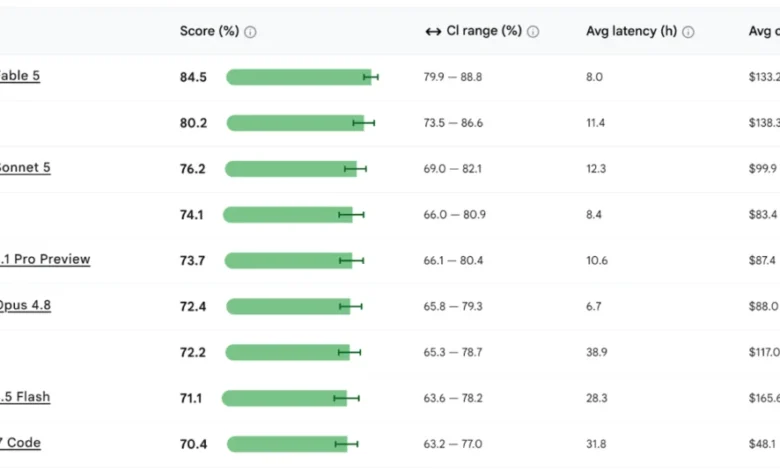
The Android development ecosystem has reached a significant milestone in the integration of artificial intelligence with the release of the July update for Android Bench. This initiative, a dedicated Large Language Model (LLM) leaderboard specifically designed for real-world Android development tasks, has undergone a fundamental methodological shift. By adopting the Harbor framework, the benchmark now provides a more rigorous and standardized environment for evaluating how AI models handle the complexities of mobile application engineering. The latest results highlight a shifting competitive landscape, with Anthropic’s Claude Fable 5 emerging as the new leader, signaling a rapid evolution in the capabilities of AI-driven coding assistants.
The Evolution of Android Bench: From Inception to the Harbor Framework
Android Bench was first introduced in March 2024 as a response to the growing need for specialized evaluation metrics in the AI space. While general-purpose benchmarks like MMLU or HumanEval provide a broad overview of a model’s reasoning and coding abilities, they often fail to capture the specific nuances of the Android platform, such as its unique lifecycle management, UI frameworks like Jetpack Compose, and the intricate requirements of platform API updates.
At its launch, Android Bench utilized the mini-swe-agent v1, a general-purpose benchmarking agent adapted for Android-specific scenarios. This initial version established a baseline, allowing developers to see which models could effectively navigate the codebase of a mobile application. As the industry moved toward more transparent and efficient AI usage, Google updated the benchmark to include open-weight models and added dimensions for cost and efficiency, recognizing that for many developers, the fastest model is not always the most practical for a high-volume workflow.
The July release represents the most significant technical overhaul of the benchmark to date. By standardizing on the Harbor framework, Android Bench has moved toward a system that defines clearer standards and integrations. Harbor is designed to facilitate the execution of benchmarks across various environments, making it easier for researchers and developers to run their own evaluations, share results, and verify the performance of different model configurations. This transition to Harbor necessitated a re-running of the entire benchmark across all previously listed models to establish a new, more accurate baseline. While this has resulted in minor shifts in historical scoring, it ensures that the leaderboard remains a "state-of-the-art" reflection of current AI capabilities.
Detailed Chronology of the Android Bench Initiative
The development of Android Bench follows a strategic timeline aimed at increasing the transparency of AI performance in the mobile sector:

- March 2024 – Initial Launch: Google introduces Android Bench to provide a dedicated leaderboard for LLMs performing Android development tasks. The focus is on bridging the gap between general coding and specialized mobile engineering.
- Spring 2024 – Expansion of Metrics: Following community feedback, the benchmark is expanded to include open-weight models, allowing developers to compare proprietary giants with accessible alternatives. Metrics for cost-per-task and token efficiency are introduced.
- July 2024 – The Harbor Transition: The benchmark adopts the Harbor framework. Eight new high-performance models are added to the leaderboard, and the project is opened for community-driven task contributions via GitHub and Harbor Hub.
Analysis of the July Leaderboard Results
The July update has introduced eight new models to the fray: Claude Fable 5, Claude Sonnet 5, Claude Opus 4.8, GLM 5.2, Kimi K2.7 Code, MiniMax M3, Qwen 3.7 Plus, and Qwen 3.7 Max. The results indicate a surge in performance from both established Western AI labs and rising international players.
Top Performers in the Proprietary Category
Anthropic’s latest flagship, Claude Fable 5, has secured the top position with a commanding score of 84.5. This model demonstrates a sophisticated understanding of the Android framework, particularly in solving complex architectural problems. It is followed closely by GPT 5.5, which remains a powerhouse in the industry with a score of 80.2. Claude Sonnet 5 rounds out the top three with a score of 76.2, proving that "mid-tier" models from top labs are now outperforming previous-generation flagship models.
The Rise of Open-Weight Models
One of the most notable trends in the July update is the performance of open-weight models, which are becoming increasingly competitive. GLM 5.2 currently leads this category with a score of 72.2, a figure that rivals many proprietary models from just a few months ago. Kimi K2.7 Code follows with a score of 70.4. The success of these models is significant for the developer community, as it suggests that high-quality AI assistance can be hosted locally or on private infrastructure without a total reliance on closed-source APIs.
Benchmarking Real-World Development Challenges
The strength of Android Bench lies in its focus on "agentic" development—scenarios where an AI model acts as an agent to solve multi-step problems within a codebase. The benchmark evaluates models based on their ability to navigate several specific Android-centric challenges:
- Jetpack Compose Migrations: As Android moves away from traditional XML-based layouts toward the declarative Jetpack Compose framework, models must demonstrate the ability to refactor legacy code into modern, reactive UI components.
- Wearable Networking: Developing for Wear OS presents unique constraints regarding battery life and connectivity. The benchmark tests whether models can implement efficient networking protocols suitable for wearable devices.
- Platform API Updates: Android frequently introduces new APIs while deprecating older ones. A successful model must be able to identify deprecated code and suggest modern alternatives that maintain backward compatibility through support libraries.
- System Integration: Beyond simple logic, models are tasked with understanding how a change in one part of an Android app—such as a Manifest declaration or a Gradle build script—affects the entire project.
The shift to the Harbor framework allows for a more rigorous assessment of these tasks by providing a standardized "test harness." This ensures that when a model receives a high score, it is because it truly understood the task and the environment, rather than benefiting from a lucky output in a less controlled setting.
Community Contributions and Open Standards
In a move toward greater industry collaboration, Google has opened Android Bench to community contributions. Developers can now participate in the benchmarking process in two primary ways. First, they can submit new tasks to the Android Bench GitHub repository. This allows the benchmark to evolve alongside the real-world problems that developers face daily, ensuring the dataset does not become stagnant or purely academic.

Second, the community can use Harbor Hub to explore the existing dataset or submit their own evaluations of different models and configurations. By decentralizing the evaluation process, Android Bench aims to create a "living" leaderboard that reflects the diverse realities of the global developer community. This transparency is intended to mitigate the "black box" nature of AI performance, giving developers the data they need to choose the right tool for their specific needs.
Strategic Implications for the AI and Mobile Industry
The update to Android Bench carries several broader implications for the technology sector. First, it highlights the transition from "chatbots" to "agents." In the context of Android Bench, the models are not merely generating snippets of code; they are operating as agents capable of understanding a directory structure, reading multiple files, and proposing cohesive edits. This "agentic" capability is the next frontier of software development, promising to significantly reduce the time spent on boilerplate and maintenance tasks.
Second, the leaderboard reveals a narrowing gap between different AI providers. The presence of models like Qwen, GLM, and Kimi alongside Claude and GPT suggests a highly competitive and multipolar AI market. For Android developers, this competition is beneficial, as it drives down costs and increases the variety of available tools.
Third, the focus on specific platform benchmarks like Android Bench suggests that the era of the "generalist" model may be evolving into an era of "specialized performance." While a model might be excellent at creative writing or general logic, its utility in a professional engineering environment depends on its grasp of specific domain knowledge. Google’s commitment to maintaining this benchmark ensures that AI providers have a clear target to aim for if they want to be relevant to the millions of developers building for the world’s most popular mobile operating system.
Future Outlook
As the Android platform continues to integrate with new technologies—such as Gemini-powered on-device AI and advanced foldable form factors—the requirements for development assistants will only grow more complex. The July release of Android Bench, with its move to the Harbor framework and the inclusion of high-performing new models, sets a new standard for how these tools should be measured.
By providing a transparent, community-driven, and rigorous evaluation platform, Android Bench serves as a vital resource for developers looking to optimize their workflows. The industry now looks forward to how model creators will respond to these new rankings and how the integration of community-submitted tasks will further refine the measurement of AI excellence in Android development. For now, the message is clear: the bar for AI assistance in mobile engineering has been raised, and the tools available to developers are more capable than ever before.
Related posts: