Lululemon Strengthens North American Presence with Integrated E-commerce Launch and Physical Retail Expansion in Mexico

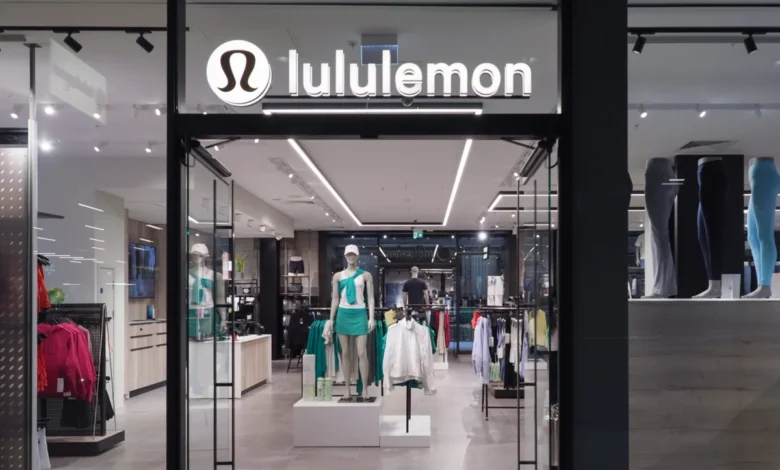
The Vancouver-based athletic apparel giant Lululemon Athletica Inc. has officially inaugurated its dedicated e-commerce platform in Mexico, marking a significant milestone in its aggressive international expansion strategy. Launched on April 20, the new digital storefront, lululemon.mx, is designed to provide a seamless shopping experience for Mexican consumers, integrating the brand’s high-performance apparel with a localized digital interface. This move is not merely a digital upgrade but a core component of a broader "omnichannel" strategy aimed at unifying the physical and digital shopping journeys in one of Latin America’s most promising retail markets. According to the company, the launch of the website is intended to scale its integrated retail and digital presence while providing the infrastructure necessary to support a rapidly growing physical footprint.
The expansion into the Mexican digital landscape comes at a time when Lululemon is recalibrating its growth engines. While the brand has long enjoyed dominance in the United States and Canada, recent financial data suggests a cooling of the domestic U.S. market, prompting a strategic pivot toward international territories and digital innovation. By establishing a direct-to-consumer (DTC) digital channel in Mexico, Lululemon aims to capture a larger share of the burgeoning wellness and "athleisure" market in the region, which has seen a post-pandemic surge in demand for premium technical apparel.
Strategic Context and Regional Performance
The timing of the Mexican e-commerce launch is closely linked to Lululemon’s fiscal performance and its long-term "Power of Three × 2" growth plan. In March, the company released its fiscal 2025 fourth-quarter results, which painted a picture of a brand in transition. Lululemon reported a 9% year-over-year increase in digital sales for the quarter, reaching a total of $1.9 billion. This digital revenue accounted for more than half of the company’s total quarterly revenue, highlighting the critical importance of e-commerce to the brand’s bottom line.
Total net revenue for the quarter rose to $3.6 billion, a modest 1% increase that reflects a softening in the U.S. market. Specifically, U.S. revenue saw a decline of 1%, a rare dip for the brand in its largest market. In contrast, the Canadian market remained resilient with a 3% increase, and international markets continued to show robust momentum. This divergence underscores why the Mexican expansion is a priority; as the U.S. market reaches a point of high penetration and maturity, secondary North American markets like Mexico offer fresh "runway" for growth.
Lululemon’s standing in the digital retail hierarchy remains formidable. The company is currently ranked 24th in the Top 2000 Database, which tracks and ranks the largest online retailers in North America by annual e-commerce sales. Maintaining and improving this ranking requires constant investment in digital capabilities and the opening of new geographic digital storefronts that can drive incremental volume.
Chronology of Mexico’s Market Development
Lululemon’s journey in Mexico has evolved from a limited wholesale and partner-based presence to a fully integrated corporate operation. The brand initially tested the waters in Mexico through select high-end boutiques and physical locations in affluent neighborhoods of Mexico City, such as Polanco and Santa Fe. Recognizing the strong brand affinity among Mexican consumers, the company began a more disciplined approach to regional expansion.
The April 20 launch of lululemon.mx serves as the digital anchor for a multi-year physical expansion. The company has confirmed plans to open approximately 15 new stores across North America during its fiscal year 2026. Notably, more than half of these new locations—eight in total—will be situated in Mexico. This aggressive brick-and-mortar push is designed to complement the new e-commerce site, allowing for omnichannel services such as "Buy Online, Pick Up in Store" (BOPIS) and seamless cross-channel returns, which are increasingly expected by modern consumers.
By the conclusion of the 2026 fiscal year, Lululemon expects to operate more than 30 physical stores in Mexico. This represents a significant density for a premium brand and suggests a high level of confidence in the Mexican consumer’s purchasing power and lifestyle alignment with the Lululemon brand identity.
Leadership Perspectives and Operational Goals
The expansion is being overseen by Carla Anderson, Senior Vice President and General Manager for North America at Lululemon. In a formal statement regarding the launch, Anderson emphasized that the company is continuing to strategically invest in the evolution of the "guest experience."
"Across our North America business, we are continuing to strategically invest in the growth and evolution of our omnichannel guest experience through a combination of new and elevated stores and enhanced digital capabilities," Anderson stated. She further noted that the launch of the Mexican website, alongside the planned store expansion, represents "an exciting next chapter in our North America growth journey."
Anderson’s remarks highlight a shift in how Lululemon views the North American market. Rather than treating Mexico as a peripheral international market, the company is integrating it into its core North American operational logic. This involves building "connected, engaging, and consistent experiences" that ensure a customer in Mexico City receives the same level of service and brand storytelling as a customer in New York or Vancouver.
The Mexican E-commerce Landscape
The decision to launch a dedicated Mexican site is backed by favorable macroeconomic trends in the region. Mexico’s e-commerce market has been one of the fastest-growing in the world over the last five years. According to data from the Mexican Association of Online Sales (AMVO), the country has consistently seen double-digit growth in retail e-commerce, driven by increased smartphone penetration, improved logistics infrastructure, and a growing middle class that prioritizes health and fitness.
However, the Mexican market presents unique challenges that Lululemon’s new platform must navigate. Logistics and "last-mile" delivery can be complex in Mexico’s sprawling urban centers. Furthermore, payment preferences in Mexico differ from the U.S., with a significant portion of the population preferring alternative payment methods or installment plans (known as "meses sin intereses"). To succeed, lululemon.mx will likely need to offer localized payment options and robust delivery tracking to build trust with local consumers.
Fact-Based Analysis of Implications
The implications of this expansion are twofold: financial diversification and brand positioning.
Financially, the move into Mexico allows Lululemon to hedge against the slowing growth in the United States. By investing in a market where the brand is still in its "growth phase," Lululemon can maintain its overall corporate growth targets even if domestic U.S. consumer spending remains cautious due to inflationary pressures or market saturation. The 9% growth in digital sales reported in Q4 2025 suggests that the brand’s digital infrastructure is efficient; replicating this model in Mexico allows for high-margin revenue growth without the immediate overhead of 100% physical coverage.
From a brand positioning perspective, Lululemon is attempting to solidify its status as the premier aspirational athletic brand in Latin America. While competitors like Nike and Adidas have a long-standing presence in Mexico, they operate across a wider range of price points. Lululemon’s focus on the "premium" segment allows it to target a specific, high-value demographic. The physical stores in Mexico will serve as community hubs—hosting yoga classes and run clubs—while the e-commerce site ensures that the brand is accessible to consumers in cities where physical stores have not yet opened, such as Monterrey, Guadalajara, and Querétaro.
Future Outlook and Industry Trends
As Lululemon moves toward its goal of 30+ stores in Mexico by the end of fiscal 2026, the industry will be watching closely to see if this "digital-first, physical-fast" model becomes the blueprint for other international markets. The company’s "Power of Three × 2" strategy aims to quadruple its international revenue by 2026 relative to 2021 levels. Mexico is a critical "swing" market in this calculation. If Lululemon can successfully navigate the cultural and operational nuances of the Mexican market, it provides a strong argument for similar aggressive expansions into other Latin American economies, such as Brazil or Chile.
Furthermore, the emphasis on an "integrated retail and digital presence" reflects a broader trend in global retail where the distinction between "online" and "offline" is disappearing. For Lululemon, the website is not just a sales portal; it is a data collection tool that helps the company understand where to open its next eight stores based on where digital demand is highest.
In conclusion, the launch of lululemon.mx and the accompanying store expansion signify a bold commitment to the Mexican market. By leveraging its proven digital prowess and its disciplined approach to physical retail, Lululemon is positioning itself to lead the premium athletic sector in North America for years to come. The success of this initiative will likely be a major talking point in future earnings calls as the company continues to seek growth beyond its traditional borders.