Indonesia’s Crypto Derivatives Market Anticipated for Substantial Growth Amidst Rising Investor Engagement and Global Trends, Bittime Reports.

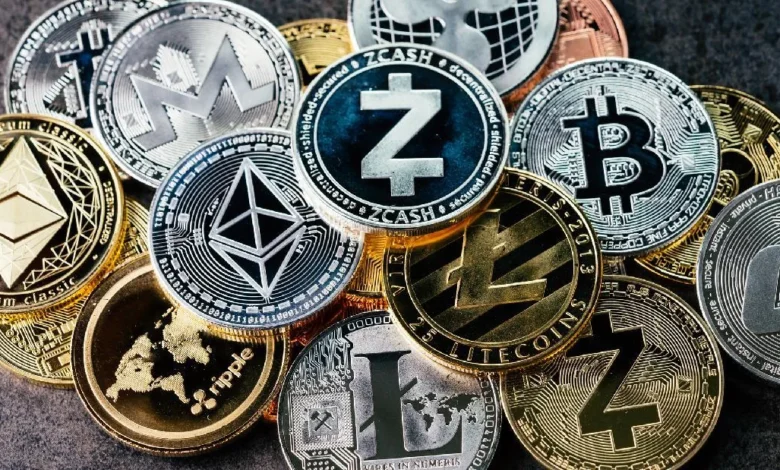
Jakarta, Indonesia – The burgeoning digital financial asset landscape in Indonesia is poised for significant expansion, particularly within the crypto derivatives market, according to Bittime, a leading Digital Financial Asset Trader (PAKD). This optimistic outlook is underpinned by robust global growth trajectories in derivatives trading and a rapidly maturing domestic investor base, signaling a transformative phase for the nation’s digital asset ecosystem.
Globally, the scale of crypto derivatives trading has reached unprecedented levels. Data from Britannica projects the daily trading volume of perpetual futures alone to exceed US$187 billion, equivalent to approximately Rp 3,357 trillion (at an exchange rate of Rp 17,954), by 2025. This staggering figure underscores a remarkable shift in market dynamics, with futures trading volume observed to be as much as tenfold higher than spot trading during certain periods. Such a disparity highlights the immense and largely untapped potential that derivatives markets hold within the broader digital asset ecosystem.
Despite the global surge, Indonesia’s crypto derivatives market is currently in its nascent stages. Official data from the Financial Services Authority (OJK) indicates that the total value of crypto asset transactions in Indonesia reached Rp 23.01 trillion in May 2026. While this represents a significant sum, the vast majority of these transactions were concentrated in spot trading. Nevertheless, the substantial number of crypto investors in Indonesia, now exceeding 22 million individuals, presents a fertile ground for the derivatives market to flourish as investor understanding and engagement with these sophisticated financial instruments continue to evolve.
Understanding the Derivatives Landscape in Digital Assets
Crypto derivatives are financial contracts that derive their value from the price of an underlying cryptocurrency asset, such as Bitcoin or Ethereum. Unlike spot trading, where traders buy or sell the actual cryptocurrency for immediate delivery, derivatives allow investors to speculate on future price movements without owning the underlying asset. The most common types include futures contracts, which obligate parties to buy or sell an asset at a predetermined price on a specific future date, and perpetual futures, which are similar but lack an expiry date, closely tracking the spot price through funding mechanisms.
These instruments offer several advantages to traders and investors, including the ability to hedge against price volatility, amplify potential returns through leverage, and execute complex trading strategies like arbitrage. However, they also come with significantly higher risks, particularly due to the use of leverage, which can magnify both gains and losses. For a developing market like Indonesia, the introduction and expansion of such products necessitate a delicate balance between fostering innovation and ensuring robust investor protection and market stability.
Global Momentum and Local Potential
The global cryptocurrency market has matured significantly over the past decade, evolving from a niche interest into a recognized asset class. This maturation has seen the proliferation of sophisticated trading products, with derivatives leading the charge in terms of trading volume and liquidity. Major international exchanges like Binance, Bybit, and CME Group have seen their derivatives offerings attract a vast array of participants, from retail traders to institutional investors. The appeal lies in the flexibility derivatives offer for risk management and speculative positioning, regardless of market direction.
Indonesia’s journey into the digital asset space mirrors this global trend in many ways, albeit with its own unique characteristics. The nation boasts one of the largest and most digitally active populations in Southeast Asia, with a high propensity for adopting new technologies. The 22 million crypto investors represent a significant segment of the financially active population, many of whom are young, tech-savvy individuals eager to explore diverse investment opportunities. This demographic dividend, coupled with increasing digital literacy, provides a strong foundation for the growth of more complex financial products like derivatives.
"We believe that the Indonesian futures market is still in its early stages and possesses substantial room for growth," stated Ryan Lymn, Operational Director of Bittime, in a written statement released on Friday, July 24, 2026. "As market participants’ understanding increases, futures are poised to become an increasingly integral part of the national digital asset trading ecosystem."
Bittime’s Insights and User Dynamics
Bittime, as an active participant in the Indonesian crypto market, provides valuable insights into the evolving landscape of derivatives trading. The platform’s futures offerings have attracted a diverse user base, ranging from individuals with relatively small capital investments to high-volume traders executing transactions worth millions of US dollars. During its beta phase, Bittime observed users with initial capital under US$500 generating trading volumes reaching tens of thousands of US dollars, showcasing the potential for significant activity even among smaller investors.
The most actively traded assets on Bittime Futures reflect prevailing market interest, with Bitcoin (BTC/USDT) and Ethereum (ETH/USDT) leading the pack. Interestingly, meme coins and newer altcoins such as PUMP/USDT, HYPE/USDT, and PEPE/USDT also feature prominently in the top-traded list, indicating a broad and adventurous interest among Indonesian traders in various segments of the crypto market. This diversity in trading preferences suggests a growing sophistication and appetite for risk across different investor profiles.
However, Ryan Lymn also issued a crucial caveat, emphasizing that individual trading results do not guarantee similar potential profits for other users. He reiterated the inherent high risks associated with futures trading, particularly when utilizing leverage, which can amplify both potential gains and losses exponentially. This cautionary note is vital for investor education and protection in a rapidly expanding market.
Regulatory Evolution and Oversight
The regulatory framework for crypto assets in Indonesia has been steadily evolving. Historically, the commodity futures trading regulator, Bappebti (Badan Pengawas Perdagangan Berjangka Komoditi), has been the primary authority overseeing crypto exchanges and transactions. This approach positioned crypto assets as commodities rather than securities, shaping the regulatory environment. However, discussions and proposals have been ongoing regarding the potential shift of oversight, or at least a significant role, to the Financial Services Authority (OJK) to integrate crypto assets more formally into the broader financial regulatory structure. The OJK’s involvement in collecting transaction data, as evidenced by the May 2026 figures, signifies a growing inter-agency cooperation and a comprehensive approach to monitoring the digital financial sector.
The overarching goal of regulation is to foster a safe, transparent, and stable market environment while simultaneously promoting innovation. For the derivatives market, this means developing clear guidelines on product offerings, risk disclosure, capital requirements for exchanges, and robust mechanisms for market surveillance and consumer protection. A well-defined regulatory roadmap is crucial for attracting more institutional participation and enhancing overall market integrity.
Strategic Flexibility and Risk Management
One of the defining characteristics of futures trading, as highlighted by Ryan Lymn, is its strategic flexibility in navigating various market conditions. Unlike spot trading, which primarily profits from assets appreciating in value, futures allow traders to take both long positions (betting on price increases) and short positions (betting on price decreases). This enables traders to implement strategies based on their analysis and market outlook, whether prices are trending upwards or downwards.
"Futures provide traders with the flexibility to apply strategies based on their analysis and market conditions, whether prices are moving up or down," Lymn explained. "However, these opportunities must always be balanced with a thorough understanding of the product and sound risk management." This emphasis on education and risk management is paramount, particularly for retail investors who might be drawn to the high-reward potential without fully grasping the associated risks.
Effective risk management in derivatives trading involves setting stop-loss orders, managing leverage judiciously, diversifying portfolios, and continuously monitoring market conditions. Educational initiatives by platforms like Bittime, in collaboration with regulatory bodies, are essential to equip investors with the knowledge and tools needed to participate responsibly in this complex market segment.
Future Outlook and Broader Implications
The growth of Indonesia’s crypto derivatives market carries significant implications for the nation’s financial landscape and digital economy. On one hand, it could unlock new avenues for capital formation, attract foreign investment, and foster innovation within the fintech sector. A robust derivatives market can enhance liquidity for underlying crypto assets, making the overall market more efficient and attractive to larger investors. It also presents an opportunity for Indonesia to solidify its position as a regional hub for digital asset innovation and trading.
On the other hand, the expansion of derivatives trading also introduces increased risks that necessitate vigilant oversight. The potential for heightened volatility, market manipulation, and systemic risks requires continuous monitoring and adaptation of regulatory frameworks. Ensuring investor protection, particularly for retail participants, will remain a critical challenge. This includes mandating clear risk disclosures, implementing suitability assessments, and combating illicit activities.
The path forward for Indonesia’s crypto derivatives market will likely involve a collaborative effort between market participants, regulators, and educational institutions. By fostering a culture of informed trading, promoting responsible product development, and maintaining a dynamic yet stable regulatory environment, Indonesia can harness the immense potential of crypto derivatives to contribute positively to its digital economy while safeguarding its investors. The journey from a spot-dominated market to a sophisticated derivatives ecosystem is underway, promising both significant opportunities and critical responsibilities for all stakeholders involved.
Related posts: