The Fall of Radaris and the High-Stakes Battle Over Daniel’s Law Privacy Protections


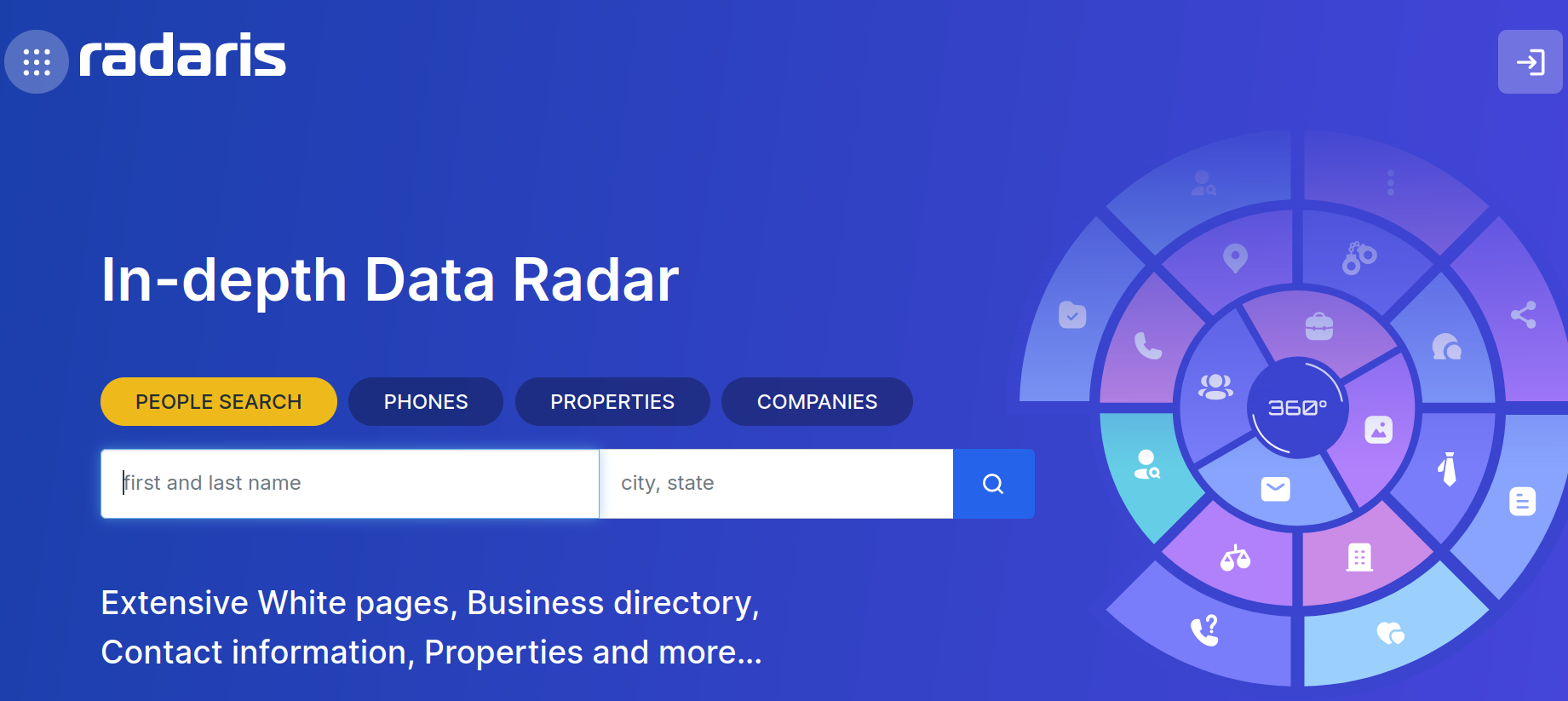
For years, the consumer data broker Radaris.com operated as a digital fortress, systematically ignoring requests from individuals seeking to scrub their personal information from its expansive people-search index. That era of impunity has come to a sudden and dramatic end. Following a protracted legal conflict, a New Jersey court has ordered the transfer of Radaris.com—along with more than a dozen associated data broker domains—to the plaintiffs in a landmark lawsuit. This judicial action marks a significant victory for privacy advocates and sets a volatile precedent for the multi-billion-dollar data brokerage industry, which now finds its business model increasingly at odds with state-level privacy statutes.
The litigation, initiated in February 2024 by Atlas Data Privacy Corp, centers on the enforcement of Daniel’s Law. Named in memory of Daniel Anderl, the son of a U.S. District Court judge who was murdered in 2020 by an aggrieved attorney, the New Jersey statute provides a critical shield for state law enforcement officials, judicial officers, and government personnel. Under the law, these individuals are entitled to have their personal data, including home addresses and private contact information, expunged from commercial databases. Companies that fail to comply with removal requests face statutory penalties of $1,000 per violation.
A Pattern of Evasion and Shell Games
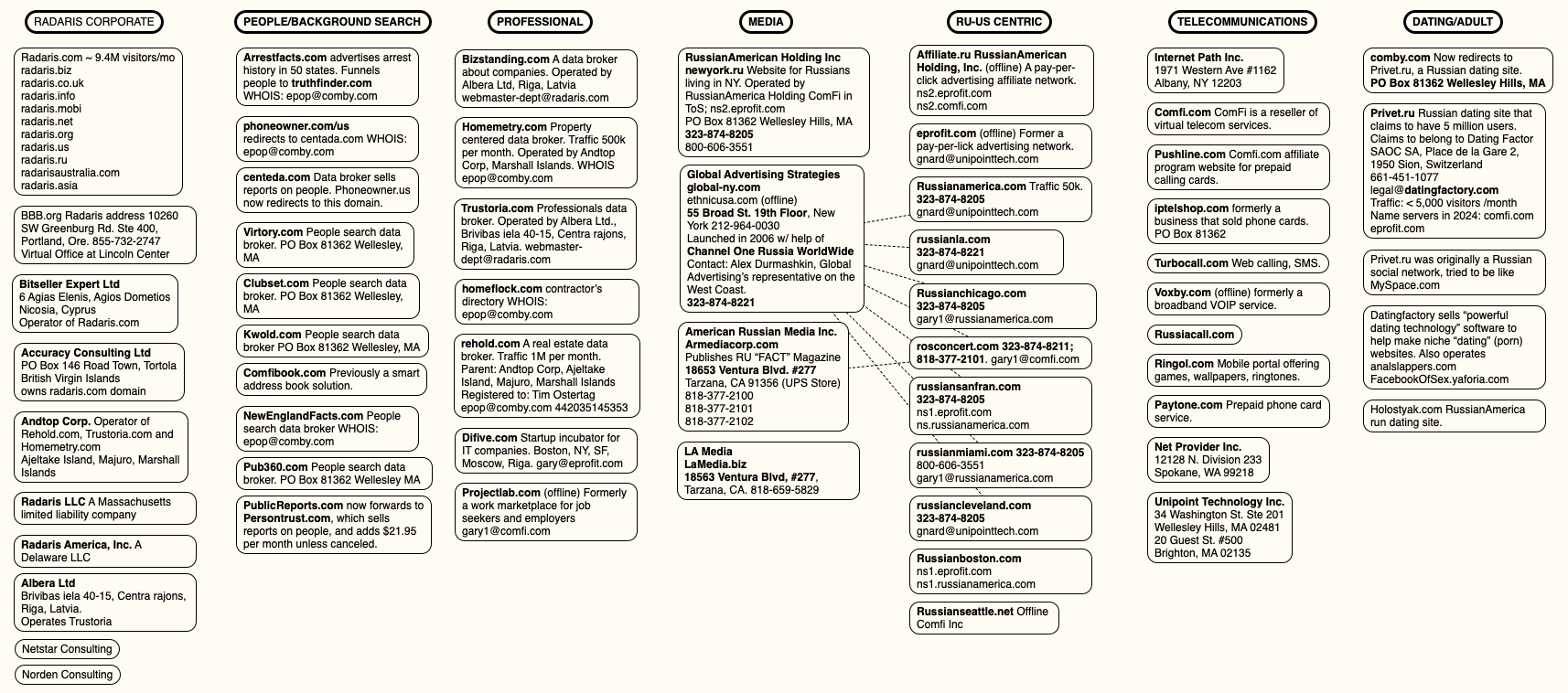
The downfall of Radaris was not the result of a single court appearance, but rather the culmination of a decade-long pattern of jurisdictional maneuvering. The company, founded by Russian-born brothers Igor and Dmitry Lubarsky, utilized a complex web of corporate entities to insulate its operations from liability. As the legal pressure mounted, the defendants engaged in what observers have characterized as an "island-hopping" strategy, frequently updating terms of service to shift management responsibilities to entities in jurisdictions such as the Marshall Islands, the Seychelles, and the British Virgin Islands.
This shell game was designed to frustrate plaintiffs and their legal teams. By the time a lawsuit reached a critical juncture, defense counsel would often argue that the specific corporate entity named in the complaint no longer owned the domain in question, effectively forcing plaintiffs to restart their efforts. Atlas Data Privacy Corp, however, proved uniquely persistent. By securing over 10,000 internal documents, emails, and financial records, the plaintiffs successfully mapped the underlying architecture of the Radaris empire. The evidence revealed that despite the frequent rebranding and corporate restructuring, the various domains—including Radaris, Veripages, and others—were managed by a single, small group of operators based in the Boston area.
The Deception of the Fictitious CEO
One of the most damaging revelations to emerge during the proceedings involved the company’s fabrication of a fictitious chief executive officer, "Gary Norden." For years, Radaris issued press releases and solicited investment opportunities while attributing quotes and authority to this non-existent figure. When confronted with these findings, defense attorney Val Gurvits of the Boston Law Group admitted that the persona was a fabrication. This disclosure severely undermined the credibility of the defense and provided the court with clear evidence of deceptive business practices, which ultimately factored into the judge’s decision to favor the plaintiffs.
Chronology of the Legal Conflict
The tension between Radaris and the legal system dates back to at least 2017, when the company lost a class-action lawsuit but managed to avoid paying a $7.5 million default judgment by successfully challenging the service of process. The company’s subsequent shift from a Cyprus-based entity, Bitseller Expert Limited, to the Marshall Islands-based Andtop Company in 2020, represented a calculated effort to evade enforcement.
When Atlas Data Privacy Corp launched its offensive in 2024, the strategy shifted toward a comprehensive discovery process. By June 2025, Atlas had filed an expanded complaint, targeting the entire family of Radaris-linked brokers. The court’s decision to mandate the transfer of the domain names serves as a radical departure from the traditional financial penalties that data brokers typically treat as a cost of doing business. By stripping the companies of their primary digital assets, the court has effectively incapacitated the revenue streams of these organizations.
The Broader Implications of Daniel’s Law

The legal battle in New Jersey is merely one front in a nationwide struggle over the future of data privacy. While New Jersey remains the epicenter of these efforts, at least 14 other states have introduced legislation modeled on Daniel’s Law. However, the industry has pushed back with significant force. The data broker lobby has successfully moved dozens of these cases into federal court, arguing that such statutes constitute an unconstitutional overreach that violates the First Amendment.
The legal environment remains fractured. In August 2025, a federal district court in West Virginia ruled that a similar privacy law in that state was facially unconstitutional, providing a potential roadmap for the defense in other jurisdictions. As the Third Circuit Court of Appeals weighs the constitutional questions, the industry expects the matter to eventually reach the U.S. Supreme Court. The core of the debate rests on the tension between the commercial rights of data aggregators and the safety requirements of public officials who are increasingly targeted by harassment made possible by publicly available data.
Industry Interconnectivity and the Revenue Model
The documents unearthed by Atlas reveal the highly interconnected nature of the data brokerage sector. Beyond direct subscriptions, these sites derive significant income through affiliate programs and partnerships with major advertising firms, such as the Lifetime Value Company. Furthermore, the discovery process highlighted an uncomfortable synergy between people-search sites and "privacy" services. For instance, the findings suggest that the Radaris network maintained a profitable relationship with Onerep, a company that ostensibly helps individuals remove their information from the web. This creates a "fox guarding the henhouse" scenario, where companies profit from both the exposure and the subsequent "removal" of private data.
Privacy experts warn that the current reliance on piecemeal state laws is an inadequate solution to the broader systemic issue of data exposure. Justin Sherman, a noted privacy researcher, argues that without comprehensive federal legislation, the average American remains dangerously vulnerable. Most existing privacy laws are riddled with exemptions for "public records," a category that includes everything from motor vehicle registrations and property deeds to marriage licenses and professional certifications. These exemptions allow data brokers to scrape and sell information with minimal restriction, regardless of the potential for identity theft or stalking.
The Road Toward Legislative Reform
The recent breach at IDScan.net, which exposed the driver’s license information of 153 million Americans, underscores the urgency of the situation. As data brokers integrate more sophisticated AI tools to scrape and correlate information, the ease with which bad actors can weaponize this data increases exponentially. While Daniel’s Law provides a necessary safeguard for specific high-risk groups, there is a growing consensus that the protection of sensitive personal data should not be limited to government employees and judges.
Despite the obvious risks, federal progress remains stalled. Intense lobbying from a coalition of social media giants, cryptocurrency firms, and AI developers has successfully stifled efforts to enact a unified national privacy standard. These groups often frame data scraping as a foundational element of the modern digital economy, warning that overly restrictive laws could stifle technological innovation.
For now, the transfer of Radaris.com to Atlas serves as a potent warning to other data brokers that the judiciary is increasingly willing to employ unconventional remedies to enforce privacy mandates. Whether this sets a lasting precedent or is eventually overturned by a higher court remains to be seen. What is clear, however, is that the era of complete anonymity for the operators of these vast data empires is drawing to a close, as the legal and social costs of their business models continue to rise. As the industry faces existential questions in courtrooms across the country, the case of Radaris will likely be remembered as the moment the tide began to turn in favor of personal digital sovereignty.