MediaStorm Sets New Standard for Employee Benefits by Gifting iPhone Duo to Entire Staff Including Interns


In a remarkable display of corporate generosity that has captured global attention, MediaStorm, a prominent video production house based in China, has announced a company-wide reward program that sets a new benchmark for employee benefits in the digital media industry. According to internal announcements made on September 10, 2026, the company will be gifting the highly anticipated iPhone Duo to every single member of its staff, extending this luxury perk to include interns as well. This initiative, which covers all 154 employees currently under the MediaStorm banner, further solidifies the firm’s reputation for prioritizing staff appreciation through high-end technology.
The announcement, which first surfaced via a viral post on Threads, clarifies that the company is not merely providing the devices but is also covering the entirety of the associated personal income taxes. By assuming the tax burden, MediaStorm ensures that the gift remains a true benefit to the recipient, rather than a taxable financial strain. With the iPhone Duo commanding a premium retail price ranging from USD 1,999 to USD 3,199 in the United States market, the total investment by the company for this single gesture represents a significant capital expenditure, highlighting a robust financial commitment to its human capital.
A History of Technological Appreciation
The 2026 gift is not an isolated incident but rather the latest chapter in a long-standing tradition of employee recognition at MediaStorm. The production house has become widely recognized for its consistent pattern of rewarding its workforce with the latest iterations of Apple’s flagship products. This internal corporate culture of excellence and reward has evolved over several years, serving as a primary driver for employee retention and morale.
The tradition began in earnest in 2022, when MediaStorm first gained media attention for gifting the iPhone 14 Pro to its staff. Following the success of this initiative, the company repeated the gesture in 2023 with the iPhone 15 Pro, and again in 2024 with the iPhone 16 Pro. By the time the 2024 distribution occurred, the company had established a rhythm, ensuring that even temporary staff and interns were included in the distribution cycle. This consistency has created a predictable and highly anticipated benefit cycle that distinguishes MediaStorm from its competitors in the cutthroat Chinese digital media market.
The Economic Context and Strategic Implications
The decision to provide the iPhone Duo to 154 individuals is more than a simple holiday bonus; it is a strategic maneuver in the competitive landscape of content production. In an era where top-tier creative talent is highly mobile, companies must leverage both salary and non-monetary incentives to maintain stability. By integrating high-end hardware into its compensation package, MediaStorm effectively reduces the turnover rate and increases the professional satisfaction of its creative teams.
From a financial perspective, the company’s decision to cover the taxes on these gifts is particularly noteworthy. In many jurisdictions, corporate gifts of high value are considered "fringe benefits" and are subject to substantial tax rates. By absorbing these costs, MediaStorm effectively increases the net value of the gift for the employee. Analysts suggest that this approach serves as a powerful recruitment tool, signaling that the company is willing to invest heavily in its employees’ quality of life and professional tools.
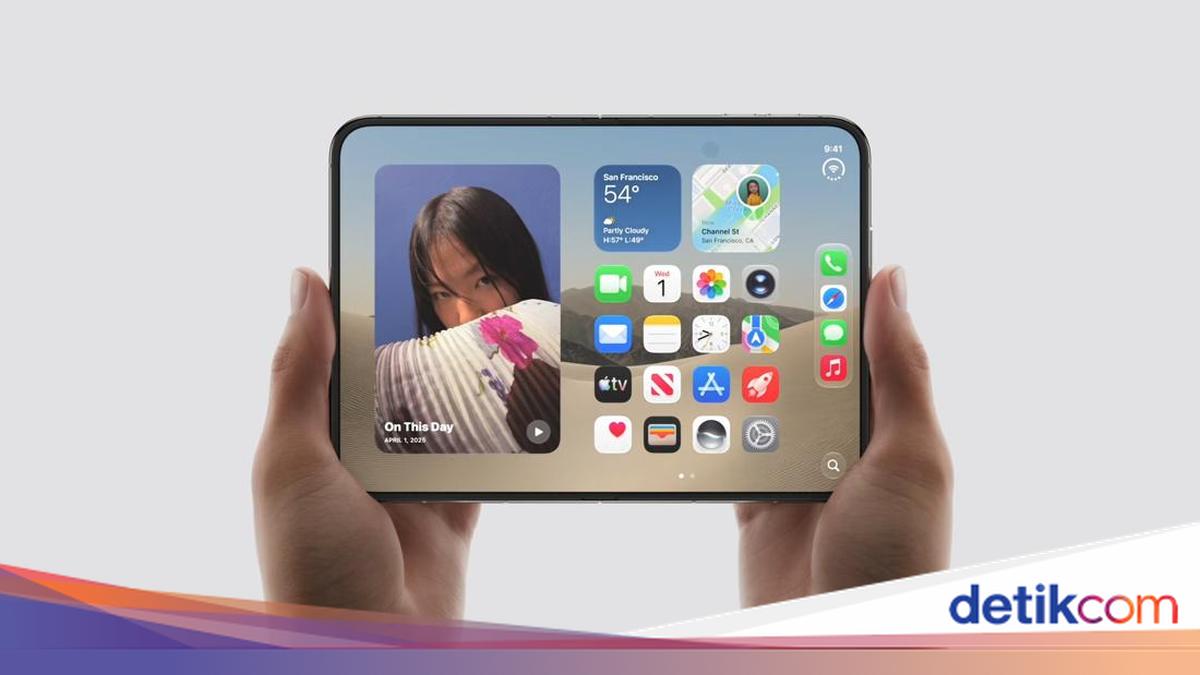
The iPhone Duo, known for its cutting-edge foldable display technology and advanced processing capabilities, is an essential tool for video producers. By ensuring that every member of the team—from the most senior editors to the entry-level interns—is equipped with the latest technology, MediaStorm ensures a uniformity in production standards and a seamless integration of workflows. This technological parity allows for better communication and file compatibility across the production pipeline, which is vital in a fast-paced video production environment.
Chronology of Corporate Gifting at MediaStorm
- 2022: MediaStorm initiates its annual tech-gifting tradition by providing the iPhone 14 Pro to all employees.
- 2023: The company continues the momentum, upgrading the staff to the iPhone 15 Pro.
- 2024: The tradition reaches its third consecutive year, with every staff member and intern receiving the iPhone 16 Pro. The company also formalizes its commitment to covering all related tax obligations for these gifts.
- September 10, 2026: MediaStorm announces the distribution of the iPhone Duo, marking its most expensive tech-gifting gesture to date.
- September 12, 2026: News of the initiative reaches a wider audience, sparking debates regarding corporate culture and employee benefit structures in the digital age.
The Impact on Corporate Culture and Talent Retention
Industry experts observing the growth of MediaStorm point to the firm’s culture as a blueprint for success in the creative sector. In the digital media industry, where burnout is a common challenge, tangible rewards for hard work can serve as a vital psychological anchor for employees. Providing the latest technology does more than just supply a device; it signals to the workforce that their daily contributions are valued and that the company is thriving.
Furthermore, the inclusion of interns in these gifting cycles is a rare and commendable practice. Interns, who are often at the bottom of the corporate hierarchy, are typically excluded from such high-value bonuses. By including them, MediaStorm fosters a culture of inclusivity and long-term loyalty, encouraging young talent to view the company as a desirable place to build a career. This practice creates a positive "onboarding" experience that can translate into higher conversion rates of interns into full-time employees.
Broader Industry Reactions and Ethical Considerations
While the news has been met with widespread admiration on social media platforms like Threads and X (formerly Twitter), it has also prompted a broader discussion about the nature of employee compensation. Critics and proponents alike often debate whether such perks should replace or augment competitive base salaries. However, in the case of MediaStorm, reports suggest that these gifts are given in addition to standard industry compensation, rather than as a substitute.
From a broader economic standpoint, the "MediaStorm model" raises questions about the sustainability of such perks. While the company has successfully maintained this tradition for five years, it requires consistent financial health and profitability. The decision to invest in hardware also reflects the specific nature of MediaStorm’s business, where the quality of video production is directly tied to the hardware used by its creators.

Analysis of the iPhone Duo and Production Workflow
The iPhone Duo, with its high-end specifications, represents a significant leap in mobile video production capabilities. For a production house like MediaStorm, having a team that is familiar with the latest mobile hardware is a significant competitive advantage. As social media platforms increasingly prioritize mobile-first video content, the ability to produce, edit, and export high-quality footage directly from a smartphone is no longer a luxury—it is a requirement.
By outfitting its staff with the iPhone Duo, MediaStorm is ensuring that its team remains at the forefront of mobile cinematography. This hardware upgrade will likely lead to an increase in production speed and a higher level of creative experimentation, as the team can leverage the device’s advanced camera systems and processing power for their content projects.
Looking Ahead: The Future of Corporate Rewards
As MediaStorm moves into the final quarter of 2026, the company stands as a focal point for discussions regarding modern workplace benefits. The firm has successfully transformed what could have been a simple "bonus" into a recurring corporate event that strengthens internal culture and boosts public brand image.
Whether other companies in the competitive Chinese tech and media sector will adopt similar strategies remains to be seen. The high costs associated with such initiatives may serve as a barrier for smaller firms, but for companies looking to differentiate themselves in a crowded job market, the "MediaStorm model" offers a compelling argument for the ROI of employee happiness.
In conclusion, the decision by MediaStorm to provide the iPhone Duo to its entire staff is a sophisticated blend of brand marketing, employee retention strategy, and investment in professional infrastructure. By maintaining this consistent, high-value gifting schedule, the company has managed to turn a routine expenditure into a powerful statement about its values and its commitment to the people who power its content production. As the industry evolves, the precedent set by MediaStorm will undoubtedly remain a point of reference for human resources professionals and corporate leaders aiming to cultivate a loyal, high-performing, and technologically equipped workforce. The question that remains for many industry observers is not just whether MediaStorm can continue this streak in 2027, but how its competitors will respond to the raised stakes in the battle for top-tier creative talent.