Indonesia’s Economic Chief Forges Strategic AI and Digital Partnerships with Huawei and ByteDance in Shanghai

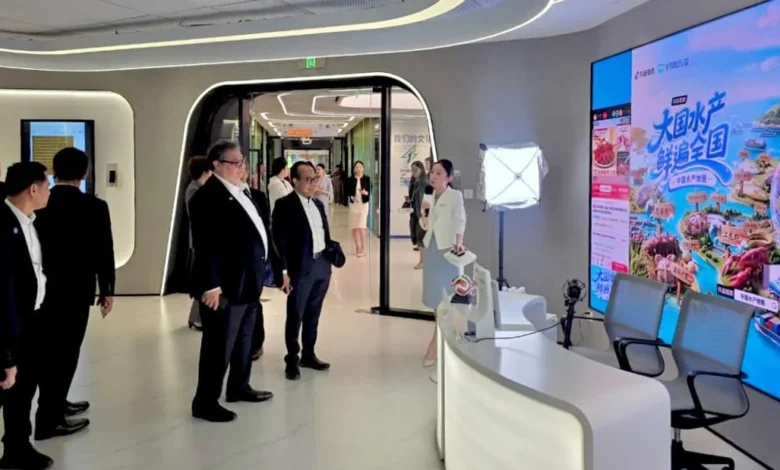
Coordinating Minister for Economic Affairs, Airlangga Hartarto, spearheaded a crucial diplomatic and economic mission to Shanghai, China, on Friday, July 17, where he engaged in high-level discussions with the leadership of two of China’s preeminent global technology giants, Huawei and ByteDance. The strategic meetings, held against the backdrop of Indonesia’s burgeoning digital economy and its commitment to technological advancement, centered on fostering robust partnerships in critical areas such as Artificial Intelligence (AI), digital infrastructure, talent development, and direct technology investment. Minister Hartarto’s visit was particularly significant as it coincided with his participation in the official signing ceremony for the establishment of the World Artificial Intelligence Cooperation Organization (WAICO), underscoring Indonesia’s proactive stance in shaping the global AI landscape.
The discussions with Huawei and ByteDance were integral to Indonesia’s broader agenda of accelerating its digital transformation, a cornerstone of President Joko Widodo’s vision for a competitive and inclusive economy. Both companies represent the vanguard of global digital technology, possessing extensive experience and capabilities deemed essential for supporting Indonesia’s ambitious national digital strategy. The Indonesian government views these collaborations as vital mechanisms for technology transfer, bridging the global AI divide, and cultivating a more productive and competitive national digital economic ecosystem.
The Context of the Visit: WAICO and Indonesia’s Digital Ambition
Minister Hartarto’s presence in Shanghai was primarily driven by Indonesia’s role as a founding member of the World Artificial Intelligence Cooperation Organization (WAICO). This multilateral initiative aims to establish a global framework for cooperation in AI development, governance, and ethical deployment, reflecting a shared international understanding of AI’s transformative potential and the necessity of collaborative stewardship. Indonesia’s decision to join WAICO signals its intent to be a significant player in the global AI arena, not merely a consumer of technology but an active contributor to its evolution and application, particularly in addressing challenges unique to developing economies.
Indonesia, with its vast archipelago, large youth population, and rapidly expanding internet penetration, is strategically positioned to leverage digital technologies for economic growth. The nation’s digital economy is projected to be one of the largest in Southeast Asia, with estimates from Google, Temasek, and Bain & Company suggesting it could reach US$330 billion by 2030. This growth is underpinned by significant government initiatives, including the "Making Indonesia 4.0" roadmap and the National Digital Transformation Strategy, which prioritize digital infrastructure development, digital literacy, and the adoption of advanced technologies like AI across various sectors. The meetings with Huawei and ByteDance thus served as critical bilateral components reinforcing Indonesia’s multilateral engagements through WAICO, ensuring practical pathways for technological advancement are explored.
Engaging Huawei: A Strategic Partner for Digital Infrastructure and AI
The meeting with Huawei, a global leader in information and communications technology (ICT) infrastructure, was characterized by Minister Hartarto as a discussion with a "strategic and potential partner" crucial for Indonesia’s digital transformation. Huawei’s formidable capabilities in telecommunications infrastructure, cloud computing, and AI are well-aligned with Indonesia’s developmental needs. The company has a significant footprint in Indonesia, having contributed to the nation’s telecommunications backbone for decades, including the rollout of 4G and preparatory work for future 5G networks.
During the extensive discussions, four key areas of potential collaboration were identified:
- Investment in AI and Cloud Infrastructure: Indonesia is actively seeking foreign direct investment to build robust AI training platforms, data centers, and cloud computing facilities. These are foundational elements for an AI-driven economy, enabling everything from smart cities to advanced analytics for businesses. Huawei, with its cutting-edge cloud services (Huawei Cloud) and AI solutions, is uniquely positioned to assist in this expansion.
- Strengthening Digital Talent Ecosystem and Cybersecurity: The rapid pace of digitalization in Indonesia has created a significant demand for skilled digital talent. Estimates suggest Indonesia could face a shortfall of millions of digital professionals in the coming years. Partnerships with companies like Huawei can facilitate knowledge transfer, provide training programs, and establish academies to nurture local expertise in areas such as AI development, data science, and cybersecurity. Strengthening cybersecurity frameworks is equally vital to protect critical national infrastructure and ensure data integrity in an increasingly interconnected world.
- Acceleration of Government and MSME Digitalization: Digitalizing government services (e-government) can enhance efficiency, transparency, and public service delivery. Simultaneously, empowering Micro, Small, and Medium Enterprises (MSMEs) through digital tools is crucial for inclusive economic growth. Indonesian MSMEs, numbering over 64 million, contribute significantly to the national GDP and employment. Providing them with access to digital platforms, cloud services, and AI-powered tools can significantly boost their productivity and market reach.
- Implementation of Green Energy Solutions for Data Centers: As digital infrastructure expands, so does its energy footprint. Data centers are energy-intensive facilities, and Indonesia is keen to adopt sustainable practices. Discussing green energy solutions with Huawei, which has invested heavily in renewable energy technologies and energy-efficient infrastructure, highlights Indonesia’s commitment to balancing technological growth with environmental sustainability. This aligns with global efforts to mitigate climate change and promote a circular economy.
Minister Hartarto reiterated Indonesia’s aspirations, stating, "After Indonesia officially became one of the founding countries of WAICO, we want to ensure there is a real leap in technology cooperation. Huawei, with its capabilities in AI, telecommunications infrastructure, and cloud computing, is a potential strategic partner to support national digital transformation." This statement underscores the strategic importance Indonesia places on leveraging Huawei’s expertise to achieve its ambitious digital goals, moving beyond mere adoption to active development and innovation. Huawei, on its part, has consistently expressed its long-term commitment to the Indonesian market, often emphasizing localization, talent development, and contributing to the nation’s digital sovereignty through technology transfer and local R&D investments.
Engaging ByteDance: Expanding Digital Commerce and AI Innovation
The meeting with ByteDance, the global technology giant behind wildly popular platforms like TikTok, CapCut, and Lark, focused on expanding existing strategic investments and exploring new frontiers in AI collaboration. Minister Hartarto conveyed Indonesia’s profound appreciation for ByteDance’s substantial and long-term commitment to the Indonesian market, particularly through its strategic investments in Tokopedia and TikTok Shop. These platforms have been instrumental in revitalizing and expanding Indonesia’s digital commerce ecosystem.
ByteDance’s entry and subsequent integration with Tokopedia, one of Indonesia’s leading e-commerce platforms, created a formidable force in the online retail space. TikTok Shop, in particular, has revolutionized social commerce, providing millions of Indonesian MSMEs with direct access to a vast consumer base through engaging short-form video content. This has not only fostered economic growth but also democratized market access for smaller businesses.
"The Indonesian Government appreciates ByteDance’s continued trust in strengthening its investments in Indonesia. ByteDance’s presence not only strengthens the digital economy ecosystem but also opens wider opportunities for millions of MSME actors to grow through digital platforms and cross-border trade," Minister Hartarto elaborated. This highlights the dual benefit of ByteDance’s presence: enhancing the domestic digital economy and providing pathways for Indonesian products to reach international markets. The government is keen to further broaden this collaboration, specifically to support the internationalization of Indonesian MSME products, enabling them to tap into a wider global consumer base.
Beyond e-commerce, Minister Hartarto extended an invitation to ByteDance to explore expanded cooperation in the realm of advanced AI, including Large Language Models (LLM), machine learning, and generative AI. This reflects Indonesia’s forward-looking strategy to not only adopt but also contribute to the development of cutting-edge AI technologies. Given ByteDance’s deep expertise in AI, which powers its recommendation algorithms and content creation tools, this partnership could be transformative.
"Indonesia has a large digital market, a continuously developing digital talent pool, and a strong commitment to building an inclusive AI ecosystem. We invite ByteDance to explore opportunities for establishing an AI research center, digital talent development, and innovation collaboration that can benefit both countries," Minister Hartarto emphasized. Such an initiative would signify a major step towards making Indonesia a hub for AI research and development in Southeast Asia, attracting top talent and fostering a vibrant innovation ecosystem. For ByteDance, Indonesia offers a massive and diverse user base for training and refining AI models, particularly for language and cultural nuances, which are critical for the development of effective LLMs and generative AI tools tailored for the region. ByteDance has globally demonstrated its commitment to localizing its services and investing in regional talent, and a dedicated AI research center in Indonesia would align with this strategy.
Broader Impact and Strategic Implications
These strategic business meetings are part of a broader economic diplomacy initiative by the Indonesian government aimed at attracting high-value-added investments. The partnerships with global tech leaders like Huawei and ByteDance are expected to yield significant dividends across multiple fronts:
- Accelerated Technology Transfer: Direct collaboration facilitates the transfer of advanced technologies, knowledge, and best practices from leading global firms to Indonesia, enabling the nation to leapfrog certain stages of technological development.
- Bridging the AI Divide: By actively engaging with global AI pioneers and becoming a founding member of WAICO, Indonesia aims to prevent a widening gap between technologically advanced nations and developing countries in the AI domain. This ensures that Indonesia can harness AI for its own unique development challenges and opportunities.
- Human Capital Development: The emphasis on digital talent development through training programs, academies, and potential research centers will equip the Indonesian workforce with future-proof skills, enhancing employability and fostering innovation. This addresses the critical need for a skilled workforce to power the digital economy.
- Economic Growth and Diversification: Investments in digital infrastructure and AI contribute directly to GDP growth, create new job opportunities, and help diversify the economy away from traditional sectors. The enhanced capabilities of MSMEs through digital platforms will further bolster inclusive economic growth.
- Strengthening Digital Infrastructure: Robust digital infrastructure, including 5G networks, cloud computing facilities, and secure data centers, is the backbone of a modern digital economy. Partnerships with Huawei are crucial for building and expanding this foundational layer.
- E-commerce and Global Market Access: ByteDance’s platforms provide unparalleled reach for Indonesian products, allowing MSMEs to access regional and global markets, thereby boosting exports and supporting the national economy. The growth of social commerce driven by TikTok Shop also represents a significant shift in consumer behavior and market dynamics.
- AI Ecosystem Development: Inviting ByteDance to establish AI research centers signifies Indonesia’s ambition to cultivate a vibrant AI ecosystem, fostering local innovation, attracting R&D investment, and positioning itself as a regional leader in AI development.
While the potential benefits are immense, these partnerships also bring considerations regarding data governance, cybersecurity, and the ethical implications of AI. Indonesia has been proactive in developing regulatory frameworks to address these concerns, ensuring that technological advancement proceeds responsibly and securely. The government’s continued focus on an "inclusive AI ecosystem" suggests a commitment to ensuring that the benefits of AI are widely distributed and that potential risks are mitigated through robust policies and international cooperation.
In conclusion, Minister Airlangga Hartarto’s strategic engagements in Shanghai underscore Indonesia’s assertive pursuit of digital transformation and its commitment to becoming a significant player in the global AI landscape. By forging strong partnerships with technology powerhouses like Huawei and ByteDance and actively participating in international initiatives such as WAICO, Indonesia is laying the groundwork for a future where its economy is digitally empowered, its talent pool is highly skilled, and its businesses are globally competitive. These collaborations are not merely about attracting investment but about fostering a sustainable and innovative digital ecosystem that will drive Indonesia’s progress for decades to come.