GeForce NOW Expands Global Footprint with Official India Launch and Day-and-Date Release of Capcom’s Onimusha Way of the Sword

NVIDIA has officially announced a significant expansion of its cloud gaming ecosystem, headlined by the public launch of GeForce NOW in India and the day-and-date arrival of Capcom’s highly anticipated action-adventure title, Onimusha: Way of the Sword. This strategic move marks the end of the service’s beta phase in the Indian subcontinent, granting millions of gamers immediate access to high-performance cloud computing without the traditional barriers of hardware costs or waitlists. Alongside these milestones, the service continues its weekly content cadence with the introduction of Denshattack! and a suite of new titles, further solidifying NVIDIA’s position as a leader in the rapidly evolving cloud gaming sector.
The Evolution of Cloud Gaming in the Indian Market
The transition of GeForce NOW from a restricted beta to full public availability in India represents a pivotal moment for the region’s gaming industry. India has long been identified by market analysts as a "mobile-first" gaming economy, largely due to the high cost of PC components and gaming consoles relative to average consumer purchasing power. By removing the waitlist and offering a tiered subscription model, NVIDIA is effectively bypassing the hardware bottleneck that has historically limited the growth of high-fidelity PC gaming in the country.
The public launch introduces a localized infrastructure designed to cater to the specific needs of Indian consumers. Most notably, NVIDIA has integrated Unified Payments Interface (UPI) support. UPI is the dominant digital payment system in India, and its inclusion is a calculated move to streamline the onboarding process for millions of potential users who may not utilize traditional credit cards.
Gamers in India can now choose from a variety of membership tiers, including monthly Performance and Ultimate plans, as well as flexible Day Passes for those seeking short-term access. A basic free tier remains available, providing a low-stakes entry point for users to test their network stability. This multi-tiered approach is expected to capture a wide demographic, from casual mobile gamers to hardcore enthusiasts looking for RTX-level performance on aging laptops or secondary devices.
Capcom Partnership: Onimusha Way of the Sword and the Power of Day-and-Date Releases
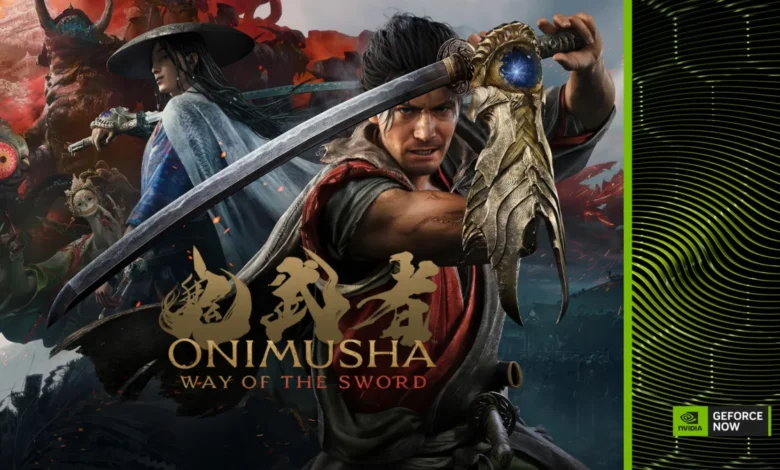
A cornerstone of the latest GeForce NOW update is the partnership with Capcom to bring Onimusha: Way of the Sword to the cloud at launch. Scheduled for release on Thursday, September 3, the title represents a modern reimagining of the classic samurai-themed franchise that first gained prominence in the early 2000s. To build momentum ahead of the official launch, NVIDIA has made a playable demo available immediately, allowing members to experience the game’s mechanics and visual fidelity.
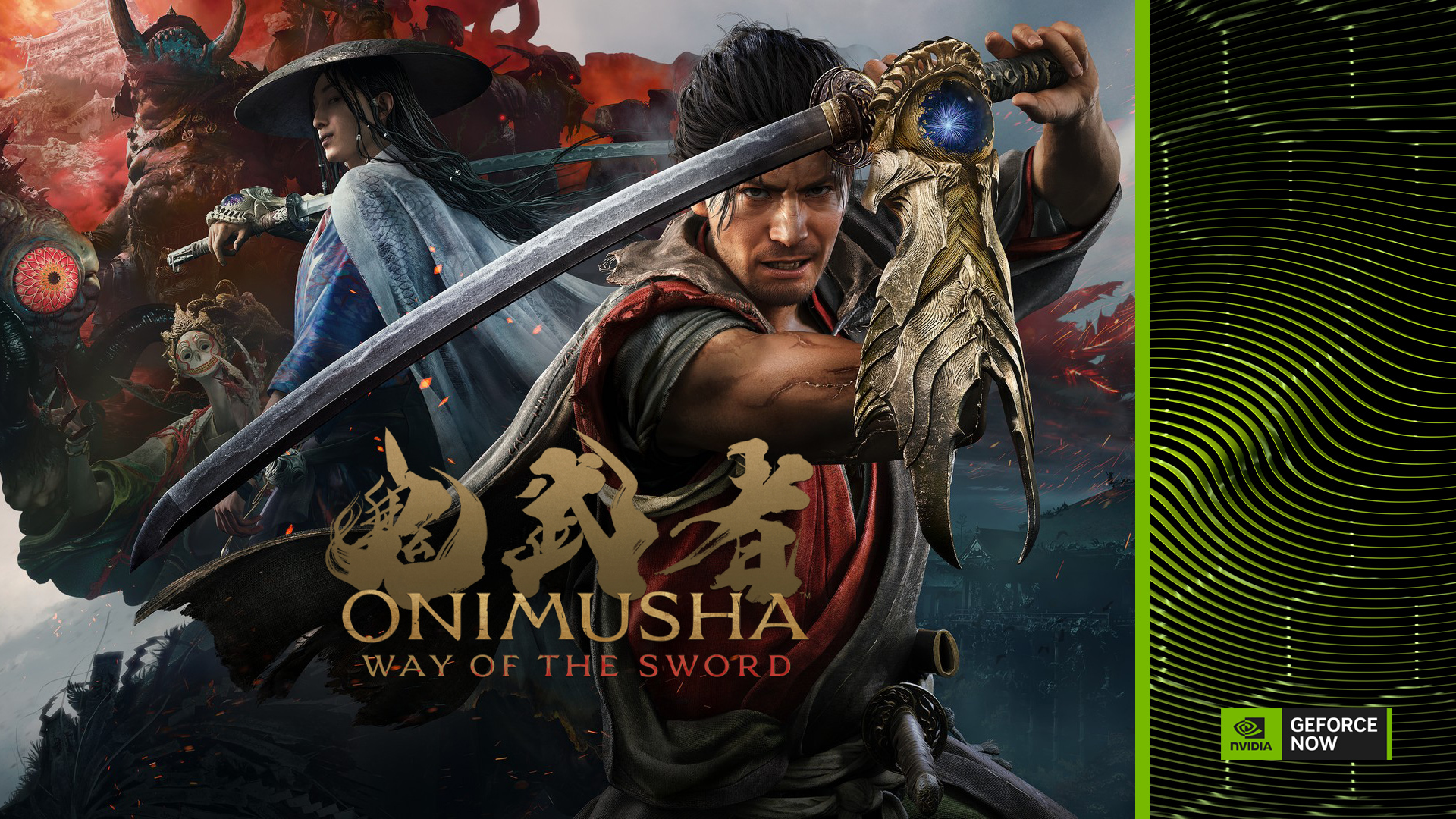
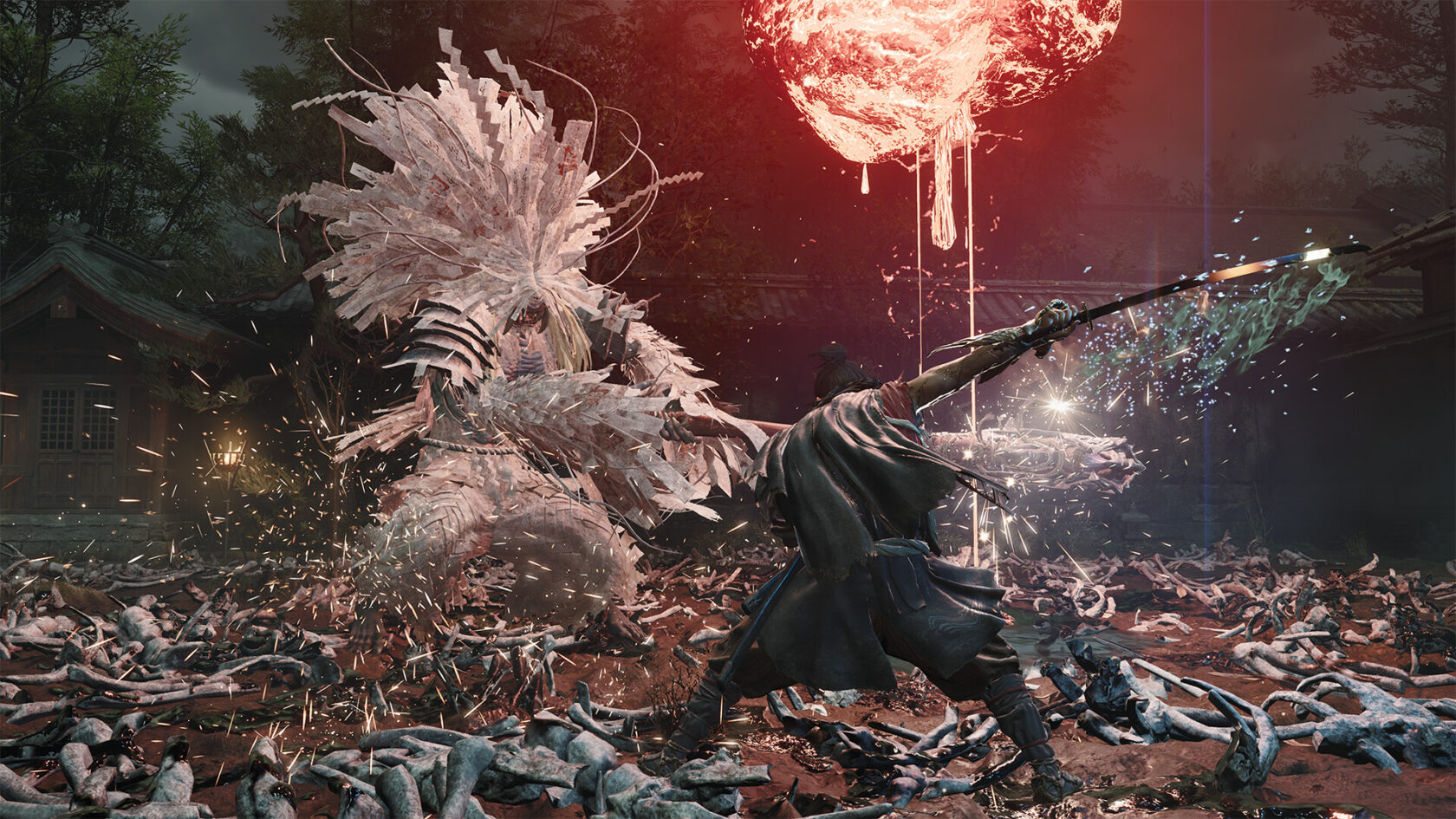
Set in a dark fantasy interpretation of Edo-period Japan, Onimusha: Way of the Sword follows a lone protagonist tasked with combating the demonic Genma. The gameplay centers on the use of the legendary Oni Gauntlet, a tool that allows players to absorb the souls of defeated enemies to power up abilities and upgrade weaponry. The title emphasizes precise swordplay and supernatural combat, demanding low-latency input—a metric that NVIDIA claims to have mastered through its proprietary streaming technology.
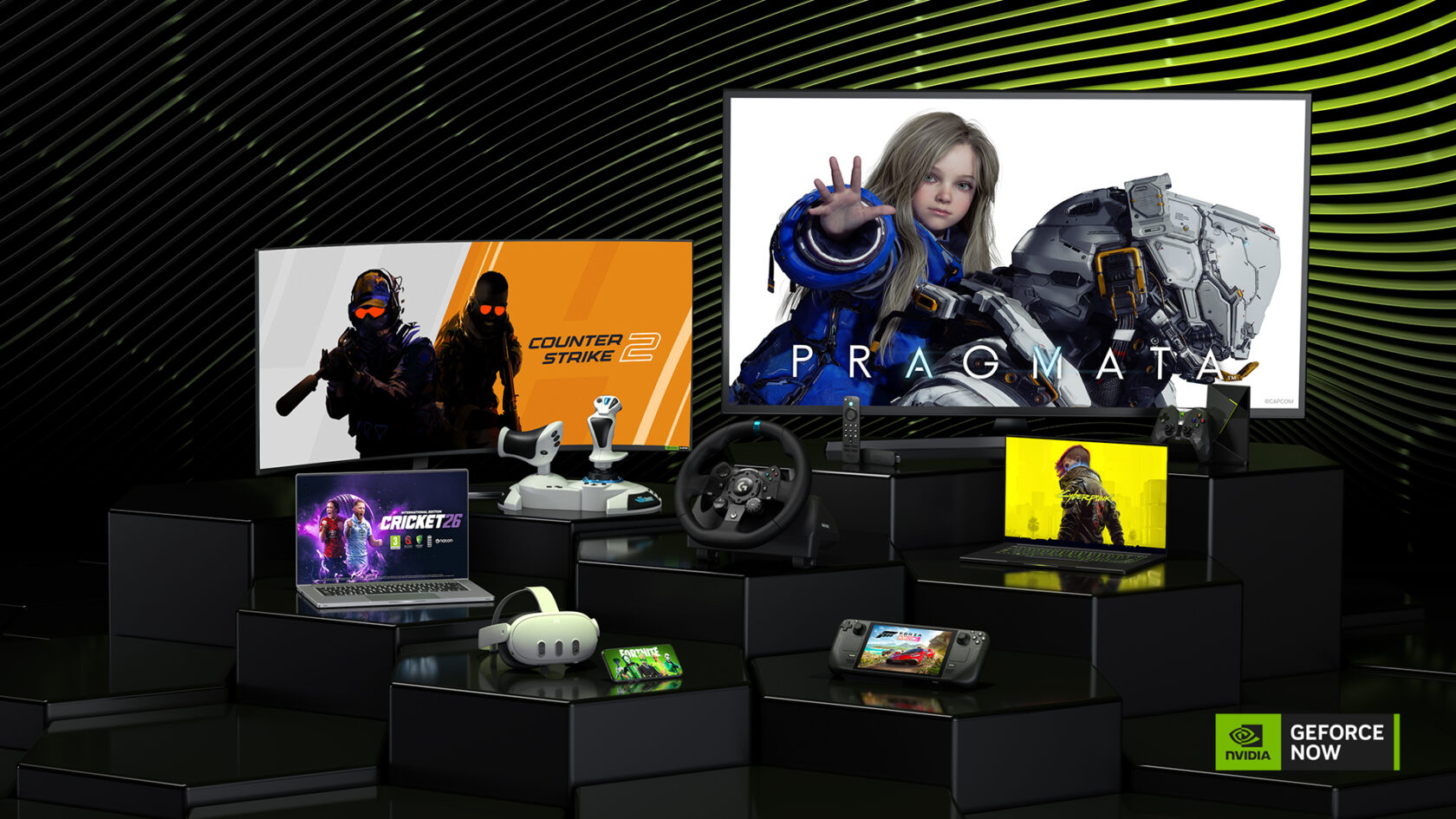
For Ultimate members, the experience is bolstered by GeForce RTX 5080-class performance. This tier provides the computational power necessary to render the haunting, atmospheric world of Onimusha with full ray tracing and high frame rates. By offering the game on GeForce NOW at launch, Capcom is effectively expanding its potential player base to include those who own Macs, Chromebooks, tablets, and smart TVs, ensuring that the "Way of the Sword" is accessible regardless of the user’s local hardware.
Technical Milestones: The RTX 5080 Architecture and Streaming Infrastructure
The mention of RTX 5080-class performance in the cloud highlights NVIDIA’s ongoing commitment to hardware parity between local and remote gaming. As the gaming industry pushes toward more complex lighting models and higher resolutions, the burden on local hardware increases. GeForce NOW addresses this by shifting the heavy lifting to data centers equipped with the latest Blackwell-architecture GPUs.
The Ultimate membership tier provides several key technological advantages:
- Ray Tracing: Real-time simulation of light and shadows, essential for the dark fantasy aesthetic of titles like Onimusha.
- NVIDIA DLSS (Deep Learning Super Sampling): AI-driven upscaling that maintains high image quality while boosting frame rates.
- NVIDIA Reflex: A technology suite designed to measure and reduce system latency, which is critical for the "twitch" reactions required in samurai combat games.
- High Refresh Rates: Support for up to 240 FPS streaming, narrowing the gap between cloud gaming and high-end local PC setups.
These features are delivered through a global network of data centers, now including expanded capacity to serve the Indian market. By utilizing edge computing, NVIDIA minimizes the physical distance between the server and the player, which is the primary factor in reducing "ping" or network lag.
Expanding the Library: Denshattack! and Weekly Additions
While blockbuster titles like Onimusha often dominate headlines, the strength of GeForce NOW lies in its library diversity. This week, the service welcomes Denshattack!, an "off-the-rails" action game that focuses on physics-driven destruction. Unlike the serious, narrative-heavy tone of Capcom’s samurai epic, Denshattack! offers a colorful, tongue-in-cheek experience where players control runaway trains to cause maximum chaos.
The game’s inclusion highlights the versatility of cloud gaming for different playstyles. Physics-heavy games can often be taxing on CPU resources, but the cloud infrastructure handles these calculations effortlessly. Denshattack! is joined by five other titles this week, continuing the "GeForce NOW Thursday" tradition of expanding the supported catalog. This brings the total number of supported games to over 1,900, ranging from free-to-play giants like Fortnite and Genshin Impact to indie darlings and AAA masterpieces.
Chronology of GeForce NOW’s Global Expansion
The journey to the current state of GeForce NOW has been marked by several key phases:
- 2020: The service officially exited its multi-year beta, introducing the concept of "bring your own games," where users stream titles they already own on digital storefronts like Steam, Epic Games Store, and Ubisoft Connect.
- 2021-2022: NVIDIA introduced the RTX 3080 and later the RTX 4080 tiers, consistently raising the ceiling for cloud-based visual fidelity.
- 2023-2024: Strategic partnerships with Microsoft brought PC Game Pass titles to the service, significantly boosting the value proposition for subscribers.
- 2025-2026: The rollout of RTX 50-series infrastructure and the aggressive expansion into emerging markets like India, Southeast Asia, and Latin America.
The official launch in India is the culmination of extensive testing and infrastructure development. The beta period allowed NVIDIA to fine-tune its server locations and optimize routing through local Internet Service Providers (ISPs), ensuring that the diverse and often challenging network conditions of the region could support high-quality streaming.
Market Analysis: Implications for the Global Gaming Industry
NVIDIA’s double-down on India and high-profile Japanese IPs like Onimusha signals a shift in the company’s long-term strategy. By democratizing access to high-end gaming, NVIDIA is not just selling a service; it is expanding the total addressable market for game developers.
Industry analysts suggest that the move into India could trigger a "gold rush" for cloud services in the region. With the recent rollout of 5G across major Indian cities, the infrastructure is finally catching up to the demands of cloud gaming. For a developer like Capcom, launching a game on GeForce NOW in India means reaching a segment of the population that may have the disposable income for software but lacks the $1,500+ required for a modern gaming rig.
Furthermore, the integration of UPI payments serves as a blueprint for how global tech companies can successfully localize services in emerging markets. It removes friction and builds trust with a consumer base that is increasingly wary of international credit card transactions.
Conclusion and Future Outlook
The official launch of GeForce NOW in India and the day-and-date release of Onimusha: Way of the Sword represent a synergy of technological prowess and strategic market expansion. By providing RTX 5080-class performance to anyone with an internet connection, NVIDIA is effectively decoupling high-fidelity gaming from expensive hardware.
As the service continues to grow, the focus will likely shift toward further reducing latency and expanding the library to include even more regional and localized content. For now, gamers in India can finally "level up" without the wait, and samurai enthusiasts worldwide can prepare to draw their blades in the cloud. The message from NVIDIA is clear: the future of gaming is not in the box under your TV, but in the data center, accessible at the touch of a button.
With the demo for Onimusha: Way of the Sword now live and the full game arriving on September 3, the "Oni Gauntlet" has been thrown down, challenging the traditional notions of how and where we play. As the community on platforms like Reddit and X continues to grow, the feedback from these new markets will undoubtedly shape the next decade of the GeForce NOW ecosystem.