Pokemon Company Blends Global Pop Culture with Indonesian Heritage in Landmark Wayang Collaboration

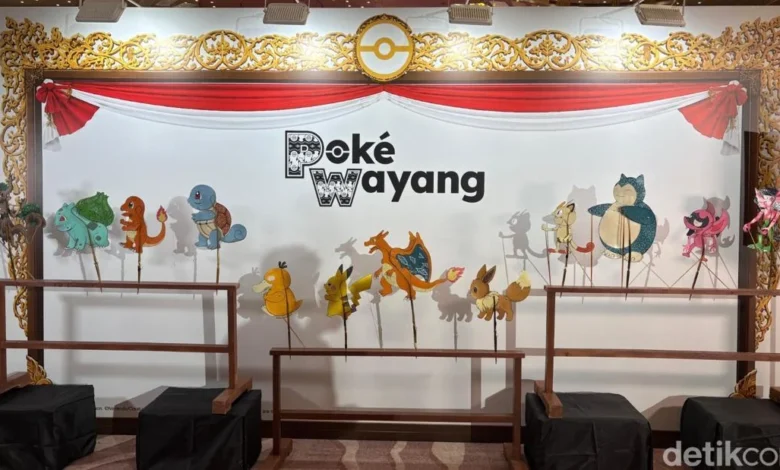
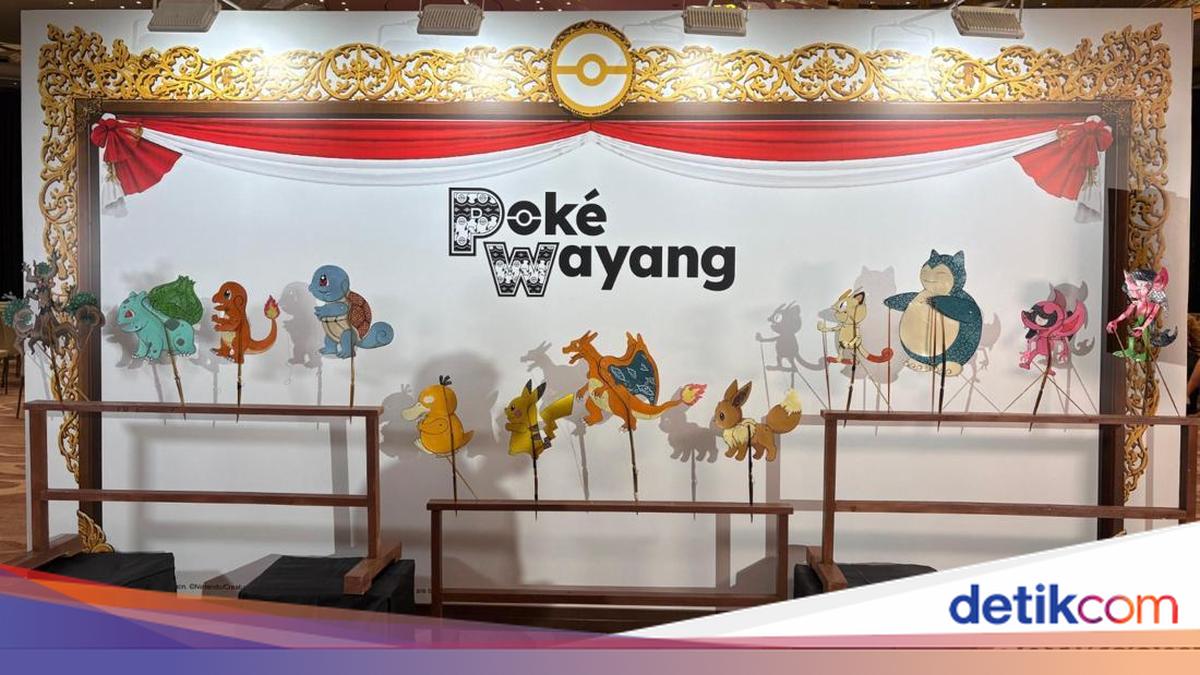
In a strategic initiative aimed at bridging the gap between modern digital entertainment and traditional heritage, The Pokemon Company has officially announced a collaborative project that integrates the world-renowned Pokemon franchise with Indonesian Wayang, the ancient art of shadow puppetry. This partnership, unveiled during the "Future Plans for Indonesia 2026-2027" conference at the St. Regis Jakarta on September 14, 2026, marks a significant shift in how global intellectual properties interact with UNESCO-recognized Intangible Cultural Heritage.
The initiative is designed to introduce the expansive universe of Pokemon to Indonesian children through a familiar, culturally rooted medium, while simultaneously elevating the global profile of Wayang. By leveraging the immense reach of the Pokemon brand, both the Indonesian government and The Pokemon Company aim to foster a new appreciation for traditional storytelling among younger demographics.
A Strategic Alliance: The Vision of The Pokemon Company
Corporate Officer of The Pokemon Company, Susumu Fukunaga, articulated the core mission behind this unique endeavor during the press conference. He emphasized that the decision to utilize Wayang was deliberate, citing the art form’s status as a UNESCO-registered Intangible Cultural Heritage of Humanity.
"We have initiated this collaboration with Wayang because it represents one of Indonesia’s proudest cultural legacies," Fukunaga stated. He further noted that the company has engaged in extensive discussions with three Indonesian government ministries to ensure the integration is respectful and educational. The primary goal is to curate a narrative that allows Indonesian youth to engage with Pokemon characters while learning the intricate craftsmanship and historical significance of puppetry.
The debut of this cross-cultural project is scheduled for the World Conference on Creative Economy (WCCE), which will take place on October 22 and 23, 2026. This event will serve as the first public stage for "Poke-Wayang," where the public will witness the fusion of digital monsters and traditional shadow puppets in a performance setting.
Government Endorsement and Cultural Policy
The Indonesian government, represented by the Minister of Culture, Fadli Zon, has expressed robust support for the project. Minister Fadli highlighted that the collaboration aligns with Article 32, paragraph 1, of the 1945 Constitution, which mandates the state to advance Indonesian national culture within the global civilization by ensuring the preservation and development of cultural values.
"Wayang is a medium that is highly accessible to the Indonesian public," Minister Fadli explained. "It serves as a vessel for moral lessons, humanistic values, and guidelines for life. It is not merely a form of entertainment; it is a pedagogical tool. By pairing this with an internationally recognized IP like Pokemon, we are not just preserving a tradition—we are making it relevant to the modern world."
The Ministry of Culture views this partnership as a model for future cultural diplomacy. Beyond the immediate scope of the Pokemon collaboration, the government is also looking to integrate similar strategies into the preservation and international marketing of Indonesian batik and other traditional crafts. The implication is a broader policy shift toward "creative diplomacy," where traditional arts are packaged through modern creative industries to secure their economic and social survival.
Economic and Educational Implications
The project is not strictly limited to performance art; it encompasses a multi-faceted approach to the creative economy. Deputy Minister of Creative Economy, Irene Umar, highlighted the potential for this collaboration to invigorate the local creative sector.
"We hope that through this initiative, young Indonesians will develop a deeper affinity for Wayang," Irene stated. "Furthermore, we are looking at the economic sustainability of our puppeteers. By creating new, modern content, we provide opportunities for artisans to grow their influence and, consequently, their livelihoods."
Irene pointed out that the collaboration extends beyond physical puppets, encompassing musical compositions and digital content. These creative outputs are expected to stimulate the local economy by creating demand for new skills in puppet design, traditional music production, and digital animation. The "Poke-Wayang" project is viewed as a pilot program that could be replicated across other Indonesian cultural sectors to drive job creation and digital exports.
The Evolution of Cultural Diplomacy
The partnership between The Pokemon Company and Indonesian authorities represents a sophisticated evolution of "soft power." In recent years, Japan has successfully utilized its IP exports, such as anime and gaming, to influence cultural perceptions globally. By inviting a global giant like The Pokemon Company to invest in local heritage, Indonesia is attempting to reverse the trend of cultural erosion often associated with globalization.
Historical data suggests that cultural preservation efforts often struggle with engagement among younger populations, who are increasingly drawn to digital-first entertainment. The integration of Pokemon—a franchise with a massive, pre-existing fan base in Indonesia—serves as a "gateway" strategy. By utilizing familiar characters, the project lowers the barrier to entry for children who might otherwise view traditional puppetry as obsolete or inaccessible.
Future Timeline and Development
The roadmap for the 2026-2027 period is aggressive. Following the debut at the WCCE in October, the project is expected to undergo several phases:
- Late 2026: Initial public performances and workshop series in Jakarta, focusing on the craftsmanship behind Poke-Wayang puppets.
- Early 2027: The launch of an educational digital platform, which will allow children to explore the intersection of traditional folklore and Pokemon lore through interactive content.
- Mid-2027: A nationwide tour, targeting both urban and rural areas to ensure equitable access to the cultural experience.
- Late 2027: Evaluation of the economic impact on the local puppeteer community and assessment of future collaborative possibilities with other global creative brands.
Addressing Cultural Sensitivity and Authenticity
A core concern for any project involving UNESCO-listed heritage is the risk of "commodification," where the original meaning of the art is lost to commercial interest. However, both the Indonesian Ministry of Culture and The Pokemon Company have emphasized that the artistic integrity of Wayang will be maintained.
The puppeteers involved in the project are traditional masters tasked with ensuring that the performances retain the structural and aesthetic elements of authentic Wayang. The "Poke-Wayang" characters will be designed to reflect traditional motifs, effectively creating a "syncretic" art form that honors the past while embracing the present.
Conclusion: A Blueprint for the Future
The collaboration serves as a test case for how nations can navigate the digital age while preserving their cultural identity. By moving away from purely defensive preservation—which often involves only storing artifacts in museums—the Indonesian government is opting for a proactive, adaptive strategy.
As the world watches the debut of the Pokemon-themed Wayang in October 2026, the success of the initiative will likely be measured by two metrics: the level of engagement from the younger generation and the measurable economic improvement for the puppetry industry. If successful, this model could redefine how global brands contribute to the preservation of local traditions, setting a new standard for corporate social responsibility and cultural engagement in the 21st century.
The initiative stands as a testament to the fact that heritage is not a static relic of the past, but a living, breathing entity that can thrive when provided with the right platform. By blending the globally recognized narrative of Pokemon with the deep, storied traditions of Indonesia, both partners are working toward a future where culture is not just remembered, but actively experienced by every generation.