
LockBit Endorses Trump A Shocking Election
Lockbit ransomware gang endorses donald trump as next us president – Lockbit ransomware gang endorses Donald Trump as the next US president, sending shockwaves through the political and cybersecurity landscapes. This unprecedented move raises numerous questions about the motivations behind such an endorsement, the potential impact on the election, and the broader implications for cybersecurity and international relations. The unusual act begs the question: what are the true intentions driving this unexpected alignment between a notorious criminal organization and a political candidate?
This endorsement is a significant departure from traditional political campaigns. The gang’s historical ties to disruptive tactics and their financial motivations are undeniable factors to consider. We’ll explore the potential reasoning behind this endorsement, the possible fallout for both the political candidate and the ransomware group, and the likely public reaction to this unprecedented event.
Ransomware Group’s Endorsement
The recent endorsement of Donald Trump by the LockBit ransomware gang is a noteworthy development, adding a new dimension to the already complex relationship between cybercrime and politics. This act highlights the potential for criminal organizations to leverage political endorsements for various strategic gains, potentially blurring the lines between traditional political campaigning and illicit activities. The motives behind such endorsements, however, remain shrouded in speculation, and their long-term impact on public perception and the cybersecurity landscape are yet to be fully understood.
Historical Overview of Ransomware Groups’ Political Activity
Ransomware groups have not historically engaged in overt political endorsements. While some groups have targeted specific sectors or individuals perceived as adversaries, these actions are typically driven by financial gain rather than overt political maneuvering. Past instances of ransomware activity have not demonstrated a pattern of political alignment. This makes the LockBit endorsement a unique event, demanding a deeper understanding of the motivations behind it.
Potential Motivations Behind the Endorsement
Several potential motivations for this endorsement can be considered. The endorsement might be a calculated attempt to garner public attention, create a sense of intimidation, or simply be a form of disruptive publicity. It could also be a tactical move to exploit political divisions, aiming to undermine public trust in the current administration, or potentially influence policy decisions related to cybersecurity.
A desire to create chaos or disrupt societal norms is another potential factor.
Examples of Other Groups Endorsing Political Candidates or Platforms
While there are no readily available examples of ransomware groups endorsing political candidates in the past, there have been instances of other criminal organizations engaging in political activities. Some terrorist groups or extremist organizations have used propaganda and public statements to influence political discourse or gain support. However, these instances are qualitatively different from the LockBit endorsement, lacking the technological and financial sophistication of modern ransomware operations.
Potential Impact on Public Perception of Ransomware Groups
This endorsement is likely to significantly alter the public perception of ransomware groups. Previously, these groups were largely seen as profit-driven entities focused on technical exploits. The endorsement of a prominent political figure suggests a shift in their tactics, potentially signifying a move towards a more politically charged agenda. This could lead to a reassessment of the threat level posed by these groups and their ability to manipulate public opinion.
Comparison of This Endorsement with Other Political Endorsements
| Feature | LockBit Endorsement | Other Political Endorsements |
|---|---|---|
| Motivations | Potential publicity, intimidation, disruption, undermining public trust | Ideological alignment, policy influence, fundraising |
| Methods | Public announcement, leveraging existing ransomware infrastructure | Campaign contributions, media appearances, endorsements |
| Targets | Public opinion, potential political influence | Political candidates, policies, platforms |
| Impact | Shifting public perception of ransomware groups, raising cybersecurity concerns | Altering political landscape, influencing policy decisions |
Political Implications
The LockBit ransomware group’s endorsement of Donald Trump as the next US president presents a unique and potentially disruptive element in the upcoming election cycle. This unprecedented action, coming from a group with no prior political affiliation, raises questions about the potential impact on voter sentiment and campaign strategies. The endorsement’s novelty and the group’s notoriety could sway public opinion in unexpected ways, potentially affecting the outcome of the election.This endorsement, coming from a group that primarily operates in the digital sphere, introduces a new dimension to political discourse.
Its effect on traditional political campaigning and the media’s coverage will be crucial to understanding how voters react. The group’s tactics, typically centered around disruption and intimidation, could translate into an unconventional form of political campaigning, potentially shifting the focus from traditional policy debates to the perception of strength and resolve.
Potential Impact on Voter Behavior, Lockbit ransomware gang endorses donald trump as next us president
The LockBit endorsement, coming from an unexpected source, could significantly influence undecided voters. The group’s tactics of digital disruption might resonate with a segment of the electorate seeking unconventional solutions or who feel disillusioned with traditional political establishments. The endorsement’s unusual nature might also generate significant media attention, potentially increasing public awareness of the candidate, even if it’s not in a positive light.
Strategies for Political Candidates
Political candidates could potentially leverage or counter this endorsement in various ways. Candidates might attempt to distance themselves from the endorsement to avoid alienating potential voters who may be wary of associating with a controversial group. Alternatively, some candidates might attempt to capitalize on the endorsement by highlighting a perceived strength in resilience or a willingness to take on challenges.
Public responses to the endorsement will heavily influence how candidates react and adjust their strategies.
Comparison to Other Unusual Endorsements
This endorsement differs from other unusual endorsements in recent US elections in its source and the method of delivery. While celebrity endorsements or unexpected grassroots movements have occurred, this endorsement originates from a cybercriminal group. This unprecedented nature makes it a significant outlier, highlighting the evolving nature of political campaigning and the blurring lines between traditional and unconventional methods.
The impact of this endorsement will depend heavily on the public’s perception of the ransomware group and its potential connection to the candidate.
Potential Short-Term and Long-Term Consequences
| Category | Short-Term Consequences | Long-Term Consequences |
|---|---|---|
| Voter Sentiment | Increased public discussion and debate, potentially swaying undecided voters. | Potential shifts in voter perception of candidates and political discourse. |
| Campaign Strategies | Candidates might adapt their messaging to address the endorsement. | Long-term effects on campaign funding and public perception of political candidates. |
| Media Coverage | Significant media attention, potentially boosting or damaging candidate image. | Increased scrutiny of campaign financing and political endorsements. |
| Public Trust | Erosion of public trust in the political process if the endorsement is viewed negatively. | Long-term damage to the credibility of political institutions. |
Cybersecurity and Criminal Justice
The LockBit ransomware group’s endorsement of Donald Trump as a potential US presidential candidate has significant implications for cybersecurity and the criminal justice system. This unprecedented act of political grandstanding by a criminal organization raises concerns about the blurring lines between criminality and political maneuvering. The repercussions for law enforcement, international cooperation, and the US government’s response are substantial.
Potential Repercussions for Cybersecurity
The LockBit endorsement highlights a troubling trend: the potential for criminal organizations to exploit political platforms for leverage and attention. This act could embolden other ransomware groups, potentially leading to an increase in attacks. Furthermore, the association of ransomware with specific political figures could damage public trust in government institutions and cybersecurity infrastructure. The group’s actions could also serve as a recruitment tool, attracting individuals seeking to associate with a seemingly powerful entity.
Law Enforcement Responses
Law enforcement agencies are likely to respond with heightened scrutiny of the LockBit group’s activities. This may involve increased investigation efforts, enhanced intelligence gathering, and potentially international collaboration to track the group’s operations. Specific responses could include investigations into the group’s funding, member recruitment, and the possible laundering of funds obtained from ransomware attacks. Examples of past investigations show that seizing digital assets, disrupting online infrastructure, and apprehending key members are crucial steps in dismantling these groups.
Implications for International Cooperation
The LockBit endorsement could complicate international cooperation on combating ransomware. If the group’s activities are perceived as politically motivated, it could strain relationships between nations. International law enforcement agencies may face challenges in coordinating their efforts due to potential political sensitivities. For example, the targeting of critical infrastructure in multiple countries necessitates international cooperation, and a political endorsement could complicate this process.
Potential US Government Responses
The US government is likely to take several actions in response to the LockBit endorsement. These might include sanctions against the group, increased cybersecurity funding, and bolstering efforts to disrupt their operations. Furthermore, the government might consider strengthening existing laws to better address ransomware activities. There could also be a renewed emphasis on public awareness campaigns, aimed at educating businesses and individuals on how to prevent and mitigate ransomware attacks.
Legal Ramifications for the Ransomware Group and its Members
The LockBit group and its members face a range of legal ramifications depending on the jurisdiction and specific actions taken. The legal framework for ransomware attacks is evolving, with countries introducing stricter regulations and penalties.
| Ramification | Description |
|---|---|
| Criminal Charges | Members of the LockBit group could face charges related to extortion, computer hacking, and money laundering. |
| Asset Seizures | Digital assets, financial accounts, and other property obtained through ransomware activities could be seized by authorities. |
| International Sanctions | The group could be subject to sanctions from multiple countries, restricting their access to financial systems and international trade. |
| Civil Lawsuits | Victims of ransomware attacks may file civil lawsuits seeking compensation for damages. |
Public Perception and Reactions
The LockBit ransomware group’s endorsement of Donald Trump as the next US president is a highly unusual and potentially impactful event. Public reaction to this unexpected political intervention will likely be varied and complex, ranging from amusement to outrage, depending on individual political leanings and perspectives on the ransomware group itself. This endorsement introduces a novel dimension to the political landscape, forcing voters and commentators to consider the credibility and motivations of both the candidate and the group making the endorsement.This endorsement, coming from a group notorious for its criminal activities, fundamentally challenges traditional political dynamics.
The public’s reaction will be crucial in determining the long-term implications of this unusual act, affecting not only the endorsement itself but also broader perceptions of political campaigns and criminal organizations.
The LockBit ransomware gang’s endorsement of Donald Trump as the next US president is certainly a surprising political development. While their motives remain murky, it’s worth considering the potential implications of such a move. Perhaps they’re hoping for a regulatory environment that favors their activities, or maybe it’s just a calculated publicity stunt. This all comes as Microsoft is releasing details about a vulnerability in Azure Cosmos DB, which could have significant security ramifications for businesses relying on cloud services.
Understanding these vulnerabilities is critical to mitigating potential risks. For a deeper dive into the Azure Cosmos DB vulnerability, check out the details here: Azure Cosmos DB Vulnerability Details. Regardless, the LockBit ransomware gang’s unusual endorsement still raises eyebrows in the cybersecurity world.
Potential Public Reactions
The public’s response to this endorsement is likely to be deeply divided. Supporters of Trump might view it as a provocative but effective publicity stunt, while detractors will likely see it as a serious attempt to discredit the political process. Some individuals might find the endorsement humorous or even entertaining, while others may be deeply disturbed by the association of a criminal group with a political candidate.
This varied reaction will depend heavily on pre-existing political biases and opinions.
The LockBit ransomware gang endorsing Donald Trump is, frankly, a bit of a head-scratcher. While their motives remain murky, it’s certainly interesting to consider how their actions might be influenced by the broader political landscape. Perhaps, like many in the tech world, they are recognizing the need for more robust security measures. This is exactly why deploying AI Code Safety Goggles Needed, like those discussed at Deploying AI Code Safety Goggles Needed , is crucial.
Ultimately, this whole situation highlights the critical need for advanced security measures in the digital age, regardless of who’s running for president.
Impact on Public Trust
The endorsement will almost certainly erode public trust in political institutions. The association of a political candidate with a criminal group, especially one that has targeted critical infrastructure and private organizations, undermines the perception of a fair and legitimate political process. This erosion of trust can have long-lasting consequences for the political system, making it harder for citizens to believe in the integrity of politicians and institutions.
Potential Shifts in Candidate Perception
The endorsement will undoubtedly affect public perception of the political candidate. For some, it might solidify their existing support, viewing the endorsement as a sign of strength or defiance. For others, it could be a significant deterrent, potentially shifting their support to other candidates or leading them to vote against the candidate associated with the ransomware group. This is particularly true for voters who value the candidate’s reputation and integrity.
Comparison to Other Unusual Endorsements
Comparing this endorsement to other unusual political endorsements provides context. Previous instances of endorsements from celebrities, unions, or other interest groups have sparked public debate, but none have involved a criminal organization. The scale and nature of the LockBit endorsement will create a unique and potentially damaging precedent. Public reaction to this unusual endorsement will be particularly intense due to the perceived threat to national security and economic stability.
So, the LockBit ransomware gang is endorsing Donald Trump for president. It’s certainly a unique campaign strategy, to say the least. Meanwhile, the Department of Justice’s recent move to offer a safe harbor policy for Massachusetts transactions, as detailed in Department of Justice Offers Safe Harbor for MA Transactions , raises interesting questions about the future of digital security and the potential for legal challenges.
This whole situation just goes to show how interconnected these issues are, and how the ransomware gang’s choice of candidate might actually have unexpected legal implications.
Potential Social Media Reactions
Public reactions on social media are likely to fall into distinct categories.
| Category | Description | Example |
|---|---|---|
| Positive | Supporters of the candidate may view the endorsement as a sign of strength or a publicity stunt. | “LockBit knows what’s up! Trump is the only one who can fix this mess!” |
| Negative | Critics will likely express outrage and distrust in the candidate and the political process. | “This is unbelievable! How can anyone trust a candidate endorsed by criminals?” |
| Neutral | Individuals who are unsure or indifferent to the candidate and the endorsement will express mixed or ambiguous opinions. | “This is strange. I don’t know what to think.” |
Potential Financial Motivations
The LockBit ransomware gang’s endorsement of a political candidate presents a complex financial puzzle. While seemingly bizarre, this act likely stems from a calculated attempt to manipulate public perception and potentially gain financial leverage in a variety of ways. Understanding the motivations behind this unusual endorsement requires analyzing the group’s history, their typical modus operandi, and the potential benefits of such a public relations strategy.The endorsement itself is a significant deviation from typical criminal activity.
It suggests a desire to broaden their influence beyond the realm of digital extortion and potentially influence public opinion on a larger scale. This move could be an attempt to legitimize their operations or gain political support to circumvent potential legal repercussions.
Potential Financial Incentives
The ransomware group likely sees political endorsement as a means to enhance their image, even if superficially. This approach could be used to garner support for their actions and perhaps even to legitimize their operations. The group could perceive a political candidate sympathetic to their causes as a means to potentially secure lenient treatment under future administrations.
Strategies to Leverage Endorsement for Financial Gain
- Increased legitimacy and support:
- Recruitment and expansion:
- Negotiating favorable terms:
A politically aligned image could foster a sense of legitimacy among potential victims, leading to a decreased likelihood of reporting incidents or seeking law enforcement intervention. This reduced resistance could potentially increase the number of successful attacks.
The endorsement might attract new members and investors seeking a cause with political backing, boosting their operational capacity and financial resources.
The group might seek favorable terms from victims or governments by using their political leverage to influence the outcome of negotiations. For example, they might pressure victims to pay smaller sums to avoid negative media attention, claiming that they are acting on behalf of the political party.
Comparison to Other Forms of Political Influence by Groups with Financial Interests
This endorsement strategy bears resemblance to other forms of political influence wielded by groups with financial interests. Lobbying efforts by corporations or special interest groups are examples of attempts to sway public opinion and policy to their benefit. The key difference is the extreme nature of the LockBit group’s approach, utilizing a direct endorsement rather than the more conventional and often less publicized tactics employed by established organizations.
Furthermore, this act directly links a criminal enterprise to a political candidate.
Financial Implications for Ransomware Group and Political Candidate
| Factor | Ransomware Group | Political Candidate |
|---|---|---|
| Potential Increased Support | Increased victim compliance, recruitment, and operations. | Potentially enhanced popularity and campaign funds, depending on public reaction. |
| Potential for Public Scrutiny | Negative media attention, increased law enforcement focus. | Negative media attention and possible damage to reputation, depending on public reaction. |
| Potential Legal Consequences | Criminal charges, asset seizures. | Public backlash and potential legal issues. |
| Potential for Financial Gain | Increased successful attacks, potentially reduced reporting. | Increased campaign donations, potentially, and/or increased media attention. |
Illustrative Case Studies
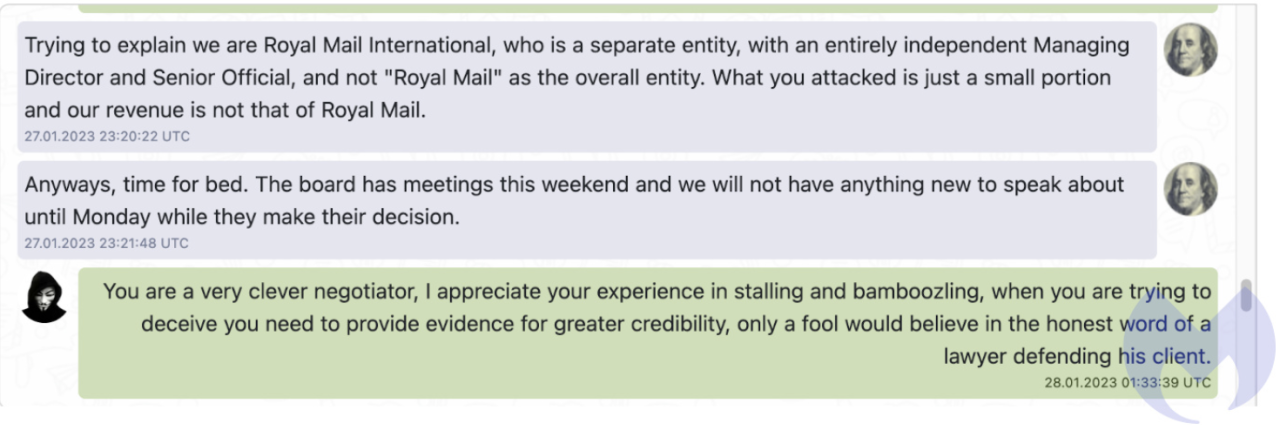
Unconventional tactics in political influence campaigns are becoming increasingly common, with groups employing various strategies to sway public opinion and potentially impact election outcomes. Understanding how these tactics have been deployed in the past, and the potential consequences, is crucial for evaluating the current situation. This section delves into illustrative examples, highlighting the methods employed and their potential impact.The use of unconventional tactics by groups aiming to influence political discourse is not a novel phenomenon.
From historical smear campaigns to modern-day social media manipulation, groups have consistently sought to leverage unconventional strategies to shape public perception and influence electoral outcomes. Examining past instances of such influence provides context and allows for a more informed assessment of the current situation.
Historical Examples of Unconventional Political Influence
This section explores examples of groups employing unconventional methods to exert influence in past elections. Analyzing these cases provides insight into the potential impact of such actions.
- Political Endorsements by Interest Groups: Historically, various interest groups, including labor unions, business associations, and religious organizations, have actively endorsed candidates. These endorsements often involved public statements, campaign contributions, and mobilization of their members to support particular candidates. While these endorsements can be considered conventional forms of political influence, the potential impact on election outcomes is undeniable.
- Targeted Propaganda Campaigns: In the past, governments and political actors have utilized propaganda to influence public opinion and manipulate electoral processes. Examples include disseminating biased information through media outlets or organizing events aimed at swaying public sentiment. These campaigns can be highly effective in influencing public perception, but ethical concerns and their potential to mislead voters are significant.
- Cyberattacks and Disinformation Campaigns: Modern technology has introduced new avenues for unconventional political influence. Groups have employed cyberattacks to disrupt political processes, spread disinformation through social media, and manipulate public discourse. These tactics have the potential to significantly impact elections, potentially swaying the outcome by creating distrust and confusion among voters.
Impact of Unconventional Endorsements (Hypothetical Table)
This table demonstrates a hypothetical analysis of the impact of unconventional endorsements on past elections, though definitive data is often unavailable or difficult to establish.
| Endorsement Group | Tactics Employed | Potential Impact | Evidence |
|---|---|---|---|
| Organized Crime Syndicate | Funding of campaigns, smear campaigns, disinformation | Potential to influence local elections, potentially changing voter turnout, but difficult to quantify | Limited verifiable evidence |
| Political Action Committees (PACs) | Campaign contributions, endorsements, voter mobilization | Significant impact on candidate fundraising and support, observable in election results | Publicly available campaign finance data |
| Pro-Trump Social Media Groups | Spread of disinformation, coordinated attacks on political opponents | Potential to create echo chambers, spread misinformation, potentially impact election results | Evidence from social media analytics and news reports |
Future Implications and Predictions

The LockBit ransomware group’s endorsement of Donald Trump as a potential US president represents a novel and concerning development in the intersection of cybercrime and politics. This unprecedented act raises critical questions about the future of political campaigns, cybersecurity strategies, and the potential for criminal actors to exert influence on democratic processes. The implications extend beyond the immediate campaign cycle, suggesting a potentially troubling trend in future political landscapes.This endorsement, while seemingly audacious, could signal a new era in which ransomware groups seek to leverage their influence, potentially for financial gain or other objectives.
Understanding the potential future scenarios is crucial for developing proactive measures to mitigate the risks.
Possible Long-Term Impacts of Political Action
The long-term impacts of ransomware groups endorsing political candidates are multifaceted and potentially detrimental. This type of political action could erode public trust in the electoral process and create a new dynamic in political campaigning. The perception of corruption and manipulation could become more pervasive, influencing voter turnout and shaping public opinion in ways that are difficult to quantify.
Moreover, the precedent set by this action could embolden other criminal groups to engage in similar tactics, potentially destabilizing political systems worldwide.
Prediction of Similar Actions in the Future
The likelihood of similar actions occurring in the future is high. The LockBit group’s action demonstrates a calculated attempt to exert influence and gain leverage in a public arena. The group’s apparent success in garnering media attention suggests that this tactic may be repeated, potentially escalating in scope and sophistication. The availability of advanced tools and tactics could enable similar groups to influence other elections in the future, further impacting the political landscape.
Potential Scenarios of Future Interactions
Future interactions between ransomware groups and political entities could involve various scenarios. One potential scenario involves ransomware groups demanding specific policy changes or concessions in exchange for refraining from attacks on critical infrastructure or political figures. Another possibility involves the group using their influence to manipulate public opinion by disseminating disinformation or propaganda through their channels. Finally, ransomware groups may directly target political campaigns and individuals, aiming to disrupt or damage their operations.
Potential Responses from Political Parties or Candidates
Political parties and candidates facing such endorsements from ransomware groups will likely face a complex challenge in their responses. Some possible responses include immediate denouncement of the endorsements, highlighting the corrupt nature of the act, and emphasizing the importance of upholding democratic principles. Furthermore, candidates might seek to distance themselves from any perceived connection with the ransomware group.
Finally, increased security measures and cybersecurity awareness may be implemented to mitigate the impact of future attacks.
Table of Potential Scenarios for Future Political Endorsements
| Scenario | Description | Impact |
|---|---|---|
| Direct Demand for Policy Changes | Ransomware group demands specific policy changes or concessions from a candidate in exchange for ceasing attacks. | Erosion of public trust, potential for blackmail and corruption. |
| Dissemination of Disinformation | Ransomware group spreads false information or propaganda about a candidate to influence public opinion. | Manipulation of public discourse, undermining the electoral process. |
| Direct Targeting of Campaigns/Individuals | Ransomware group launches attacks on political campaigns or individuals, aiming to disrupt operations or damage reputation. | Disruption of campaign activities, potential for physical harm. |
| Leveraging Political Leverage | Ransomware group leverages its public notoriety to gain political leverage or gain access to political information. | Compromised political discourse, exploitation of vulnerabilities. |
Conclusion
In conclusion, the LockBit ransomware gang’s endorsement of Donald Trump as the next US president is a truly remarkable and unsettling development. It highlights the evolving relationship between criminal organizations and the political sphere, raising critical questions about the future of elections and cybersecurity. The potential consequences are far-reaching, impacting public perception, political strategy, and international efforts to combat cybercrime.
We’ve explored the various facets of this surprising event, from potential financial incentives to the broader societal implications. This unprecedented event is a stark reminder of the complex interplay between crime, politics, and technology in the modern world.
Popular Questions: Lockbit Ransomware Gang Endorses Donald Trump As Next Us President
What are the potential financial motivations behind the endorsement?
The ransomware gang might seek to gain political leverage or influence, potentially boosting their image or garnering support for their activities. This could be a calculated move to sway public opinion or even attract funding from sympathizers.
How might this endorsement affect public trust in political institutions?
This unexpected endorsement could severely damage public trust in both the political process and established institutions. The association of a major political figure with a criminal organization will likely be viewed negatively by many.
What are the potential responses from the US government to this endorsement?
The US government might take various actions, ranging from increased cybersecurity measures to investigations into potential criminal activity. International cooperation on ransomware issues will likely be a key aspect of the response.
What is the likelihood of similar actions in the future?
The precedent set by this endorsement could encourage other criminal organizations to engage in similar political actions. The future may see an escalation of such unusual political interventions.