Top Masters in Information Assurance Programs
Top Masters in Information Assurance Programs: Stepping into the world of cybersecurity and data protection can feel overwhelming, but with the right education, you can become a key player in safeguarding our digital future. This post dives into what makes a top-tier information assurance master’s program stand out, from rigorous curriculum and expert faculty to lucrative career prospects and industry connections.
We’ll explore the key factors to consider when choosing a program, helping you navigate this exciting and critical field.
Choosing the right master’s program is a significant decision, impacting your career trajectory and future earning potential. We’ll look at factors like accreditation, specialization options (cybersecurity, data privacy, risk management, and more!), faculty expertise, career services, and financial aid to help you make an informed choice. We’ll also profile some exemplary programs to give you a better sense of what to expect.
Defining Information Assurance

Information assurance (IA) is a multifaceted discipline focused on protecting the confidentiality, integrity, and availability (CIA triad) of information and information systems. It’s not simply about technology; it encompasses people, processes, and technology working in concert to mitigate risks and ensure the reliable operation of critical systems. The core principles underpinning IA are built upon a foundation of risk management, proactive security measures, and continuous monitoring and improvement.IA goes beyond basic cybersecurity.
While cybersecurity is a crucial component, IA takes a broader view, considering the impact of information loss or compromise on an organization’s overall mission and objectives. This holistic approach is critical in today’s interconnected world, where a single point of failure can have far-reaching consequences.
Key Components of a Robust Information Assurance Program
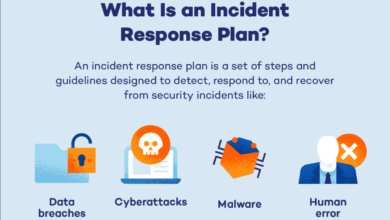
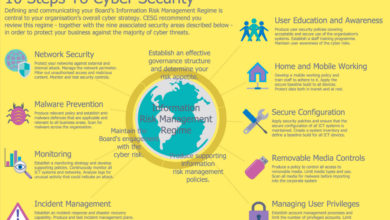
A robust IA program isn’t a one-size-fits-all solution; it must be tailored to an organization’s specific needs and risk profile. However, several key components are consistently present in effective programs. These include a comprehensive risk assessment to identify vulnerabilities and threats, the development and implementation of security policies and procedures, robust security controls to mitigate identified risks (both technical and non-technical), ongoing security awareness training for personnel, and a comprehensive incident response plan to handle security breaches.
Regular audits and vulnerability assessments are also crucial for continuous improvement. Furthermore, effective communication and collaboration across different departments and teams are essential for a successful IA program. Failure in any of these areas can significantly weaken the overall security posture.
The Evolving Landscape of Information Assurance Challenges
The landscape of information assurance challenges is constantly evolving, driven by technological advancements and the increasing sophistication of cyber threats. The rise of cloud computing, for example, introduces new vulnerabilities and complexities, requiring organizations to adopt new security strategies to protect data residing in third-party environments. The increasing reliance on mobile devices and the Internet of Things (IoT) expands the attack surface, exposing organizations to a wider range of potential threats.
Furthermore, the emergence of advanced persistent threats (APTs), sophisticated attacks that can remain undetected for extended periods, requires a more proactive and sophisticated approach to threat detection and response. The increasing frequency and severity of ransomware attacks, coupled with the growing sophistication of social engineering techniques, highlight the need for continuous adaptation and improvement in IA strategies. The development of quantum computing poses a long-term threat to current cryptographic methods, requiring the development of quantum-resistant algorithms.
The speed at which these challenges emerge necessitates a dynamic and adaptive approach to information assurance.
Top Masters Programs
Choosing a master’s program in information assurance (IA) is a significant decision, impacting your career trajectory and future earning potential. This post delves into the crucial aspects of selecting a top-tier program, focusing on accreditation, rankings, and program features to help you navigate this important choice. Understanding the nuances of accreditation and comparing program offerings will empower you to make an informed decision aligned with your career aspirations.
Top-Ranked Masters Programs in Information Assurance
Several reputable ranking organizations assess master’s programs in information assurance and cybersecurity. These rankings consider factors like faculty expertise, research output, program reputation, and graduate employment outcomes. While rankings shouldn’t be the sole determinant, they offer valuable insights into program quality. Sources like US News & World Report, QS World University Rankings, and The Princeton Review frequently publish rankings for cybersecurity and related programs.
It’s important to note that these rankings may vary slightly from year to year, and the specific programs at the top might shift. Therefore, always consult the most recent rankings available before making your decision. For example, a program consistently ranked in the top 10 across multiple reputable sources is likely to offer a strong educational experience.
Accreditation Standards in Information Assurance Programs
Accreditation signifies that a program meets established quality standards. Different accrediting bodies, such as ABET (Accreditation Board for Engineering and Technology) and regionally accredited institutions, have their own specific criteria. ABET accreditation, for instance, often focuses on engineering-related aspects of cybersecurity programs, emphasizing rigorous curriculum and practical application. Regional accreditation, on the other hand, is a broader assessment of the institution’s overall quality, including its academic programs.
The specific accreditation a program holds can influence its recognition and acceptance within the industry. A program with ABET accreditation, for example, might be particularly appealing to employers seeking candidates with a strong engineering background in cybersecurity. Conversely, regional accreditation provides a general assurance of quality and legitimacy. Always check the specific accreditations of any program you’re considering to understand the standards it has met.
Comparison of Master’s Programs in Information Assurance
The following table compares several key features of hypothetical top-ranked master’s programs in information assurance. Note that this is a simplified example, and actual program details will vary. It is crucial to consult each program’s official website for the most up-to-date and accurate information.
| Program Name | Specialization | Curriculum Focus | Tuition (USD/Year – Approximate) | Career Services |
|---|---|---|---|---|
| University A | Cybersecurity Management | Risk Management, Policy, Governance | 40,000 | Resume review, internship placement, networking events |
| University B | Network Security | Network architecture, cryptography, penetration testing | 35,000 | Career fairs, alumni mentorship program, job search workshops |
| University C | Data Security and Privacy | Data encryption, privacy laws, incident response | 45,000 | Individual career counseling, mock interviews |
| University D | Digital Forensics | Investigative techniques, evidence collection, legal aspects | 38,000 | Industry connections, job placement assistance |
Curriculum and Specializations
Choosing a master’s program in information assurance requires careful consideration of the curriculum and specialized tracks offered. The best programs provide a robust foundation in core information assurance principles while allowing students to tailor their studies to their specific career interests. This ensures graduates are well-equipped to tackle the ever-evolving challenges in the field.A strong information assurance master’s program typically blends theoretical knowledge with practical, hands-on experience.
This approach is crucial for developing the critical thinking and problem-solving skills needed to succeed in this demanding field.
Core Curriculum Components
Common core curriculum components in top information assurance master’s programs typically include courses covering cryptography, network security, risk management, security architecture, and incident response. These foundational courses provide a comprehensive understanding of the principles and practices underpinning information assurance. Many programs also incorporate legal and ethical considerations related to data security and privacy, recognizing the increasingly important legal and regulatory landscape within the field.
Students will typically engage in case studies and simulations to apply theoretical knowledge to real-world scenarios. Advanced coursework might delve into areas like cloud security, blockchain technology, and artificial intelligence in security.
Specialized Tracks within Information Assurance
Many leading programs offer specialized tracks to cater to specific career aspirations. These tracks allow students to focus their studies on a particular area of information assurance, gaining in-depth expertise and enhancing their job prospects.
- Cybersecurity: This track focuses on the technical aspects of protecting computer systems and networks from cyber threats. Courses might cover topics such as penetration testing, malware analysis, security auditing, and incident handling. Students often participate in Capture The Flag (CTF) competitions to hone their skills in a competitive environment. A successful CTF participant, for instance, might demonstrate advanced skills in reverse engineering malware or exploiting vulnerabilities in network systems.
- Data Privacy: This specialization addresses the legal, ethical, and technical aspects of protecting sensitive data. Students learn about data privacy regulations like GDPR and CCPA, data governance frameworks, and privacy-enhancing technologies. They develop the ability to conduct privacy impact assessments and design privacy-preserving systems. For example, a graduate might be capable of advising an organization on compliance with GDPR regulations, implementing data anonymization techniques, or designing secure data storage solutions.
- Risk Management: This track focuses on identifying, assessing, and mitigating information security risks. Students learn about risk assessment methodologies, risk mitigation strategies, and business continuity planning. They develop skills in communicating risk to both technical and non-technical audiences. A real-world example would be a graduate assessing the risk associated with a new cloud-based application and recommending appropriate security controls to mitigate potential threats.
Specialized Skills Taught in Leading Programs
The specialized skills taught vary depending on the specific program and track, but some common examples include:
- Ethical Hacking and Penetration Testing: Students learn to identify vulnerabilities in systems and networks using ethical hacking techniques, mimicking the methods of malicious actors but with the goal of improving security.
- Incident Response and Forensics: This involves investigating security incidents, containing breaches, and recovering systems. It requires expertise in digital forensics, log analysis, and malware analysis.
- Security Architecture and Design: Designing and implementing secure systems and networks, including the selection and implementation of appropriate security controls.
- Cryptography and Secure Coding Practices: Understanding cryptographic principles and implementing secure coding practices to prevent vulnerabilities in software applications.
- Data Loss Prevention (DLP): Implementing measures to prevent sensitive data from leaving the organization’s control.
- Security Auditing and Compliance: Conducting security audits to assess an organization’s security posture and ensure compliance with relevant regulations and standards.
Faculty Expertise and Research
Choosing a master’s program in information assurance hinges significantly on the caliber of its faculty. A strong faculty not only delivers exceptional teaching but also drives cutting-edge research, shaping the field and providing students with access to the latest advancements. The best programs boast professors who are not only experts in their respective fields but also actively engaged in solving real-world information assurance challenges.The research areas of prominent faculty members in leading information assurance programs are diverse and reflect the multifaceted nature of the field.
This breadth ensures students receive a well-rounded education, covering topics from cryptography and network security to cybersecurity policy and risk management. Many programs highlight faculty research focused on emerging threats like AI-driven attacks, the security implications of the Internet of Things (IoT), and the complexities of cloud security. This active research environment benefits students through exposure to current challenges and opportunities within the industry.
Faculty Research Areas, Top masters in information assurance programs
Leading information assurance programs typically feature faculty with expertise in a wide range of areas. For example, some faculty may specialize in cryptography, focusing on the development and analysis of secure cryptographic algorithms and protocols. Others might concentrate on network security, investigating vulnerabilities in network architectures and developing effective defense mechanisms. Still others might focus on the human element of security, researching user behavior and social engineering techniques.
A comprehensive program will often have faculty members representing each of these core areas and more, ensuring a holistic educational experience.
Faculty with Industry Experience
The presence of faculty with significant industry experience is a crucial factor in determining the quality of an information assurance program. This experience translates directly into practical, real-world insights shared with students. For instance, a professor with a background in incident response can offer invaluable firsthand accounts of handling major security breaches, while a faculty member with experience in penetration testing can provide practical guidance on identifying and mitigating vulnerabilities.
This blend of academic rigor and practical experience equips students with the skills and knowledge needed to succeed in the industry. A strong program will actively recruit faculty with such backgrounds.
Benefits of Faculty Involvement in Professional Organizations
Faculty involvement in professional organizations such as the (ISC)² or ISACA is highly beneficial for both the faculty members and the students. This involvement keeps faculty abreast of the latest industry standards, best practices, and emerging threats. It also provides opportunities for networking and collaboration with other experts in the field. Furthermore, faculty participation in these organizations often leads to the development of new research projects and collaborations, enriching the curriculum and providing students with access to cutting-edge research and knowledge.
The connections forged through these organizations can also be invaluable for students seeking internships or employment opportunities.
Career Prospects and Industry Connections
Graduates from top information assurance programs are highly sought after, possessing a unique blend of technical skills and understanding of security best practices. Their career paths are diverse and rewarding, offering opportunities for significant impact in a rapidly evolving technological landscape. The strong industry connections fostered by these programs ensure graduates are well-positioned for success in a competitive job market.The robust curriculum and hands-on experience offered by these programs equip graduates with the necessary skills to excel in various roles.
This translates into excellent career prospects and a wide range of employment opportunities across various sectors. The value of these programs extends beyond theoretical knowledge, providing students with practical skills and connections crucial for a successful career.
Typical Career Paths for Graduates
Graduates from top information assurance programs typically pursue careers in cybersecurity roles that leverage their specialized knowledge and skills. These roles range from entry-level positions to senior management, reflecting the breadth of opportunities within the field. Many graduates begin their careers as security analysts, penetration testers, or security engineers. With experience, they can progress to more senior roles such as security architects, cybersecurity managers, or chief information security officers (CISOs).
Some graduates may choose to specialize in areas like cloud security, digital forensics, or risk management, leading to highly specialized career paths.
Companies that Frequently Recruit from Top Programs
Many Fortune 500 companies and leading technology firms actively recruit from top information assurance programs. These organizations recognize the value of hiring graduates with a strong foundation in cybersecurity principles and practical skills. Examples of companies known to recruit heavily from these programs include major technology companies like Google, Amazon, Microsoft, and Apple. Financial institutions like JP Morgan Chase and Bank of America also actively recruit graduates for their robust cybersecurity teams.
Government agencies, such as the National Security Agency (NSA) and the Cybersecurity and Infrastructure Security Agency (CISA), are also significant employers of graduates from these programs. Furthermore, numerous smaller cybersecurity firms and consulting companies are actively involved in recruiting graduates for their expertise.
The Value of Internships and Industry Partnerships
Internships and industry partnerships are integral components of many top information assurance programs. These opportunities provide students with invaluable practical experience, networking opportunities, and a competitive edge in the job market. Internships allow students to apply their theoretical knowledge in real-world settings, building their resumes and developing essential professional skills. Industry partnerships often lead to mentorship opportunities, networking events, and even potential job offers upon graduation.
For example, a partnership with a major cybersecurity firm might provide students with access to cutting-edge technology, mentorship from experienced professionals, and the opportunity to work on real-world security challenges. These experiences are highly valued by employers and significantly enhance a graduate’s career prospects.
Program Costs and Financial Aid
Pursuing a master’s degree in Information Assurance is a significant investment, but the potential return on that investment—in terms of career opportunities and earning potential—is substantial. Understanding the cost factors and available financial aid options is crucial for making an informed decision. This section will explore the typical tuition costs for top programs and the various avenues for financial assistance.Tuition costs for top Information Assurance master’s programs vary significantly depending on the institution (public vs.
private), location (in-state vs. out-of-state), and program length. Generally, expect to pay anywhere from $15,000 to $70,000+ annually for tuition alone. This doesn’t include additional expenses like books, fees, room and board (if applicable), and living expenses. Securing financial aid is therefore often essential for many students.
Tuition Costs and Fees
Tuition for master’s programs in information assurance can vary widely. Public universities often offer lower in-state tuition rates than private institutions or out-of-state tuition at public universities. Program length also plays a role; a shorter, more intensive program might have a higher per-credit cost, but a lower overall cost. Additional fees, such as technology fees or lab fees, are also common and should be factored into the total cost.
Financial Aid Options
Fortunately, numerous financial aid options exist to help offset the cost of a master’s degree in information assurance. These include federal student loans (through the Federal Student Aid program), institutional scholarships, graduate assistantships, and employer-sponsored tuition reimbursement programs.
Financial Aid Summary Table
Many factors influence the overall cost of a Master’s in Information Assurance. The following table illustrates a simplified breakdown of cost factors for different program scenarios:
| Program Type | Tuition (Annual Estimate) | Fees (Annual Estimate) | Living Expenses (Annual Estimate) |
|---|---|---|---|
| Public University (In-State) | $15,000 – $25,000 | $1,000 – $3,000 | $10,000 – $20,000 (varies by location) |
| Public University (Out-of-State) | $25,000 – $40,000 | $1,000 – $3,000 | $10,000 – $20,000 (varies by location) |
| Private University | $40,000 – $70,000+ | $2,000 – $5,000 | $15,000 – $30,000 (varies by location) |
Note: These are estimates, and actual costs can vary. It’s crucial to check directly with each university’s financial aid office for the most up-to-date and accurate information. Living expenses are highly dependent on the location of the university.
Admissions Requirements and Application Process
Gaining admission to a top-tier Information Assurance master’s program is a competitive process. Success hinges on a strong application showcasing your academic achievements, relevant experience, and potential for future contributions to the field. Understanding the requirements and navigating the application process effectively is crucial.Getting into a top Information Assurance master’s program requires a multifaceted approach. While specific requirements vary between institutions, a common thread runs through them: a demonstrable commitment to the field, strong academic credentials, and compelling evidence of your potential for success.
Typical Admissions Requirements
Top programs typically demand a high undergraduate GPA, often a 3.0 or higher, demonstrating a solid foundation in relevant subjects like computer science, mathematics, or engineering. Many programs also require GRE scores, though some are now test-optional, recognizing the limitations of standardized testing in reflecting individual capabilities. Strong letters of recommendation from professors or supervisors who can attest to your skills and potential are essential.
These letters provide valuable insight into your work ethic, intellectual curiosity, and suitability for graduate-level study. Finally, many programs require transcripts from all previously attended institutions.
Application Process and Timelines
The application process usually involves submitting an online application through the university’s portal. This typically includes uploading transcripts, GRE scores (if required), letters of recommendation, and a personal statement. Deadlines vary, with many programs having fall and spring application cycles. It’s vital to check each program’s specific deadlines carefully, as missing them can result in your application being delayed or rejected.
Some programs may also require interviews as part of the selection process. Planning ahead and starting the application process well in advance of the deadline is highly recommended. This allows ample time to gather all necessary materials and to thoroughly prepare your application.
Importance of a Strong Personal Statement
The personal statement is your opportunity to showcase your unique qualities and aspirations. It’s more than just a summary of your resume; it’s a chance to tell your story and demonstrate why you’re a strong candidate for the program. A compelling personal statement should articulate your interest in information assurance, highlight relevant experiences (internships, research projects, etc.), and explain your career goals.
It should also demonstrate your writing skills and ability to articulate complex ideas clearly and concisely. A well-written personal statement that effectively communicates your passion and suitability for the program can significantly improve your chances of admission. Consider seeking feedback from professors or mentors to ensure your statement is polished and effectively conveys your strengths. For example, a personal statement might describe a specific security incident that sparked your interest in the field, outlining how you learned from it and how this experience shaped your aspirations.
Another example could focus on a research project demonstrating your technical skills and analytical abilities. In either case, a compelling narrative showcasing your unique perspective and capabilities is key.
Illustrative Program Examples

Choosing the right Master’s program in Information Assurance can be daunting, given the wide array of options available. To help you navigate this landscape, I’ve highlighted a few exemplary programs that showcase diverse strengths and approaches to the field. These examples aren’t exhaustive, but they offer a good starting point for your research.
Georgia Institute of Technology (Georgia Tech)
Online Master of Science in Cybersecurity
Online Master of Science in Cybersecurity
Georgia Tech’s online MS in Cybersecurity is consistently ranked among the best in the nation. The program boasts a rigorous curriculum delivered by renowned faculty, blending theoretical foundations with practical, hands-on experience. Students gain proficiency in areas such as network security, cryptography, and incident response. A key strength lies in its emphasis on practical application, with projects and simulations mirroring real-world cybersecurity challenges.
The program’s strong industry connections provide graduates with excellent career prospects. Its reputation is built upon its faculty’s leading-edge research and its graduates’ consistent success in securing high-demand positions within the cybersecurity sector.
University of Maryland Global Campus (UMGC)
Master of Science in Cybersecurity
Master of Science in Cybersecurity
UMGC’s MS in Cybersecurity offers a flexible and accessible learning environment, particularly beneficial for working professionals. The program’s curriculum covers a broad range of cybersecurity topics, including risk management, digital forensics, and security architecture. A distinctive feature is its focus on integrating cybersecurity principles across various organizational contexts, preparing graduates to address challenges in both public and private sectors.
The program’s emphasis on practical skills development, combined with its affordability and flexible scheduling, makes it an attractive option for many students. UMGC’s long history and established reputation in online education further enhance its credibility within the industry.
Stanford University – Master of Science in Computer Science (with a focus on Security)
While not solely dedicated to information assurance, Stanford’s MS in Computer Science offers a powerful specialization in security. This program leverages Stanford’s renowned computer science department and its cutting-edge research in areas such as cryptography, systems security, and applied cryptography. Students benefit from close collaboration with leading researchers and access to state-of-the-art facilities. The program attracts exceptionally talented students, fostering a highly competitive and collaborative learning environment.
The reputation of Stanford University itself significantly enhances the value and recognition of this specialization within the tech industry. Graduates are highly sought after by top technology companies and research institutions.
Syracuse University – Master of Science in Cybersecurity Policy
Syracuse University’s MS in Cybersecurity Policy stands out for its unique focus on the policy and legal aspects of cybersecurity. This program equips students with a comprehensive understanding of the legal, regulatory, and ethical frameworks governing cybersecurity, in addition to technical skills. It’s ideal for students interested in careers in government, law enforcement, or policy-making roles within the cybersecurity industry.
The program’s strength lies in its interdisciplinary approach, integrating technical knowledge with legal and policy expertise. Its strong faculty connections with government agencies and industry leaders provide students with valuable networking opportunities and career advancement prospects.
Carnegie Mellon University – Master of Science in Information Security Technology and Management
Carnegie Mellon University’s MS in Information Security Technology and Management provides a strong blend of technical and managerial skills. The program covers technical aspects of cybersecurity while also focusing on the management and leadership skills necessary to lead cybersecurity teams and initiatives within organizations. This dual focus prepares graduates for a variety of leadership roles in the field.
The program benefits from CMU’s renowned reputation in computer science and its strong industry ties, providing students with access to internships and job opportunities with leading technology companies. The program’s curriculum is constantly updated to reflect the latest trends and challenges in the cybersecurity landscape, ensuring graduates are equipped with the most relevant and up-to-date skills.
Ending Remarks: Top Masters In Information Assurance Programs
Ultimately, selecting a top master’s program in information assurance is a personal journey. Consider your career goals, preferred learning style, and financial resources when making your decision. By carefully weighing the factors discussed—curriculum, faculty, career services, and cost—you can confidently choose a program that aligns with your ambitions and sets you on the path to a rewarding and impactful career in this crucial field.
The demand for skilled professionals in information assurance is only growing, making this a smart investment in your future.
Questions Often Asked
What is the average salary for graduates of top information assurance programs?
Salaries vary greatly depending on experience, location, and specialization, but graduates from top programs often command high salaries, often exceeding $80,000 annually for entry-level positions.
Are GRE scores always required for admission?
GRE requirements vary by program. Some top programs are waiving GRE scores, while others still require them. Check individual program requirements carefully.
How long does it typically take to complete a master’s in information assurance?
Most programs can be completed in 1-2 years, depending on the program structure and the number of courses taken per semester.
What are the best online options for masters in information assurance?
Many top universities offer excellent online master’s programs in information assurance. Research programs that are accredited and have strong reputations for online learning.