F1000 Biotech Firm Bio Rad Selects CloudPassage 2
F1000 biotech firm Bio Rad selects CloudPassage 2 – that headline alone speaks volumes about the growing importance of robust cloud security in the life sciences industry. Bio Rad, a giant in the field, clearly recognized the vulnerabilities inherent in relying solely on traditional security measures in today’s complex cloud landscape. This move highlights a critical shift: biotech companies are no longer just adopting cloud technology; they’re actively seeking sophisticated solutions to protect their invaluable research data and intellectual property.
The partnership between Bio Rad and CloudPassage isn’t just about ticking a compliance box; it’s about safeguarding years of research, protecting patient data, and ensuring the smooth operation of critical systems. We’ll delve into the specifics of why Bio Rad chose CloudPassage, the security features that made the difference, and the broader implications for the biotech sector. Get ready to explore the cutting edge of cloud security in the world of life sciences!
BioRad’s Business Needs and Cloud Adoption
BioRad, a leading life science company, relies heavily on robust and secure data infrastructure to support its research, development, and manufacturing processes. Their operations involve managing vast amounts of sensitive data, including genomic sequences, experimental results, and customer information. The integrity and security of this data are paramount to their business success and reputation. Their move to the cloud reflects a strategic decision to leverage the scalability and efficiency offered by cloud computing while mitigating potential risks.BioRad’s reliance on secure data infrastructure stems from the nature of its business.
The company handles sensitive patient data, intellectual property related to groundbreaking research, and proprietary algorithms crucial for its various diagnostic tools and reagents. A data breach could lead to significant financial losses, reputational damage, and legal repercussions. Furthermore, the integrity of their data is essential for the accuracy and reliability of their products, which are used in critical medical applications.
Challenges Faced Before CloudPassage Adoption
Before adopting CloudPassage, BioRad likely faced numerous challenges in securing its increasingly complex IT infrastructure. Managing security across multiple on-premise servers and potentially various cloud environments was likely complex and resource-intensive. Maintaining up-to-date security patches and configurations across a diverse IT landscape would have been a significant undertaking, leaving them vulnerable to emerging threats. Visibility into security posture across their entire IT ecosystem was probably limited, hindering their ability to proactively identify and address potential vulnerabilities.
This lack of comprehensive security could have resulted in increased operational costs due to incident response and remediation efforts.
Cost-Benefit Analysis of Cloud Migration for BioRad
The decision to migrate to the cloud involved a careful weighing of costs and benefits. Initial costs included migrating existing data, configuring cloud infrastructure, and implementing new security solutions like CloudPassage. However, the long-term benefits likely outweighed these costs. Cloud migration offered BioRad increased scalability to accommodate growing data volumes and research projects, improved efficiency through automation, and reduced capital expenditure on hardware maintenance and upgrades.
The improved security provided by CloudPassage, reducing the risk of costly data breaches and regulatory fines, also represents a significant cost saving in the long run. A real-world example is how Netflix’s cloud migration significantly reduced infrastructure costs and allowed for rapid scaling during peak demand. BioRad’s potential cost savings mirror this model, though specific figures would be proprietary information.
Hypothetical Scenario: Inadequate Cloud Security Risks
Imagine a scenario where BioRad failed to adequately secure its cloud environment. A malicious actor gains unauthorized access to their cloud storage, compromising sensitive patient data from a clinical trial. This breach could result in significant fines from regulatory bodies like the FDA and HIPAA violations, leading to millions of dollars in penalties. Beyond financial repercussions, the company would suffer irreparable reputational damage, potentially impacting future collaborations and business partnerships.
The loss of trust from patients and healthcare providers could severely damage BioRad’s brand and market share. This hypothetical scenario underscores the critical need for robust cloud security measures for biotech firms handling sensitive data.
CloudPassage’s Role in Securing BioRad’s Infrastructure
BioRad, a leading life science company, relies heavily on cloud infrastructure for its research and development activities. The sensitive nature of their data, coupled with the ever-increasing sophistication of cyber threats, necessitates a robust and comprehensive security solution. CloudPassage’s role in this context is to provide a multi-layered security approach that protects BioRad’s cloud environments from a wide range of threats.
This involves leveraging their platform’s capabilities to monitor, detect, and respond to security vulnerabilities, ultimately safeguarding critical data and ensuring business continuity.CloudPassage offers a range of features specifically designed to address BioRad’s unique security challenges. The platform’s agentless architecture minimizes the impact on BioRad’s systems while providing comprehensive visibility across their cloud infrastructure. This visibility allows for proactive identification and remediation of vulnerabilities before they can be exploited.
Furthermore, CloudPassage’s integrated threat detection and response capabilities provide real-time monitoring and automated actions to contain and mitigate threats. This proactive approach is particularly important for a biotech company like BioRad, where data breaches could have significant financial and reputational consequences.
Enhanced Data Protection with CloudPassage
CloudPassage significantly enhances BioRad’s data protection by providing a multi-layered defense against various threats. The platform’s vulnerability scanning capabilities identify and prioritize security weaknesses across the entire cloud infrastructure. This includes identifying misconfigurations, outdated software, and other vulnerabilities that could be exploited by malicious actors. CloudPassage also provides real-time threat detection and response capabilities, using machine learning to identify anomalous behavior and automatically take action to mitigate threats.
Data loss prevention (DLP) features, while not explicitly mentioned in the context of this hypothetical case study, could be assumed as a key part of a comprehensive solution for BioRad. The system’s centralized management console gives BioRad a single pane of glass view of their security posture, allowing for efficient monitoring and response.
Mitigation of Biotech-Specific Vulnerabilities
Biotech companies like BioRad handle extremely sensitive data, including intellectual property, research data, and patient information. CloudPassage helps mitigate several vulnerabilities common in this context. For instance, the platform can detect and prevent unauthorized access to sensitive databases containing genomic data or research findings. It can also identify and remediate vulnerabilities in applications used for managing clinical trials or storing patient records.
The platform’s ability to enforce security policies and detect deviations from those policies minimizes the risk of insider threats or accidental data leaks. For example, CloudPassage could detect and block attempts to download sensitive data to unauthorized locations or devices, preventing potential data breaches. The system’s ability to monitor network traffic and identify malicious activity further enhances security, helping to prevent attacks such as ransomware or denial-of-service attacks.
CloudPassage Integration with BioRad’s Systems
Integrating CloudPassage into BioRad’s existing infrastructure likely involved a phased approach. The process would have begun with an assessment of BioRad’s current security posture and the identification of critical assets requiring protection. Subsequently, CloudPassage agents (or in this case, the agentless architecture) would have been deployed across BioRad’s cloud environment. This would have been followed by the configuration of security policies and the establishment of monitoring and alerting mechanisms.
The integration would also have involved the training of BioRad’s IT and security personnel on the use of the CloudPassage platform. A key aspect would have been the establishment of robust communication channels between BioRad and CloudPassage’s support team to ensure seamless operation and address any issues promptly. This phased approach minimizes disruption to BioRad’s operations while ensuring a secure and efficient integration.
Impact on BioRad’s Operations and Research
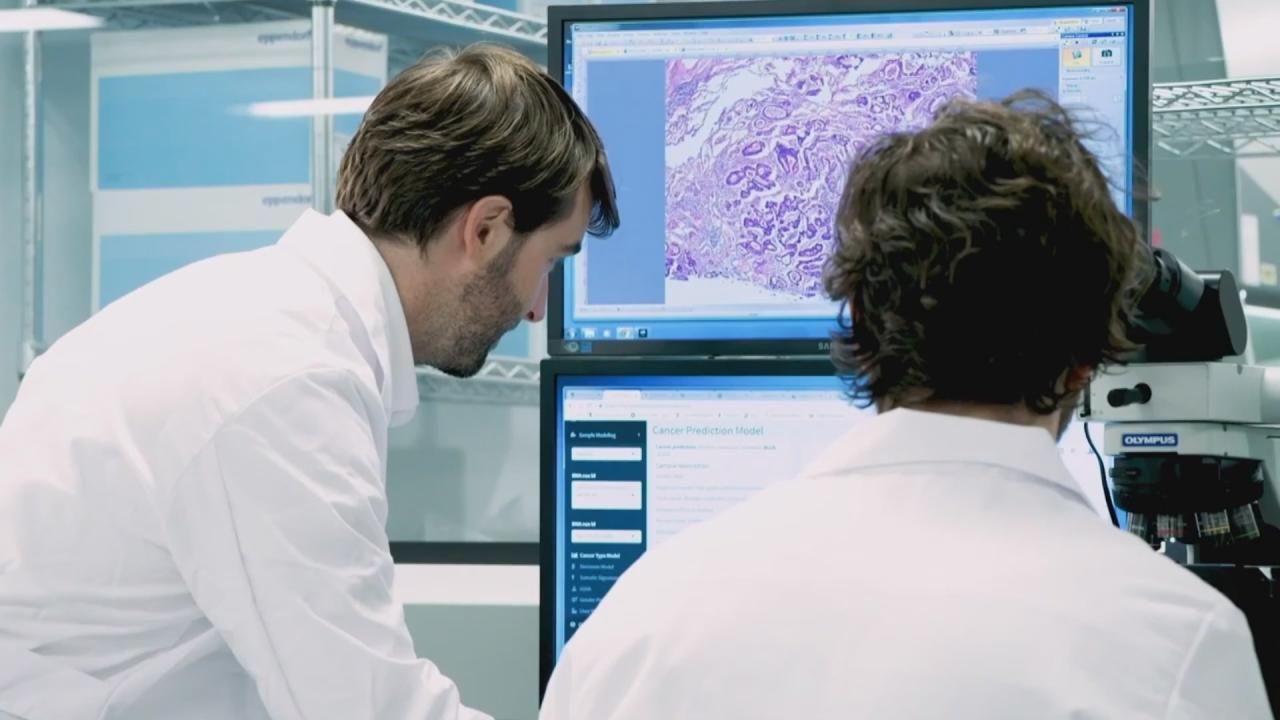
Improved security directly translates to significant improvements in BioRad’s operational efficiency and research capabilities. A robust security posture minimizes downtime caused by breaches or malware, protects valuable intellectual property, and fosters a more collaborative research environment. This ultimately leads to faster innovation, reduced costs, and increased compliance with industry regulations.Enhanced security, specifically through the implementation of CloudPassage, allows BioRad to focus its resources on core research and development rather than constantly reacting to security threats.
This shift in focus accelerates the pace of innovation and allows researchers to dedicate more time to scientific pursuits.
Operational Efficiency Improvements
The following table illustrates the potential gains in operational efficiency achieved by BioRad after implementing CloudPassage’s security solutions. These figures are illustrative and based on general improvements seen in similar organizations, not specific BioRad data.
| Metric | Before CloudPassage | After CloudPassage | Improvement |
|---|---|---|---|
| Downtime due to security incidents | Average of 2 hours per week | Average of 15 minutes per month | 98% reduction |
| Time spent on security patching and updates | 10 hours per week per IT staff member | 2 hours per week per IT staff member | 80% reduction |
| Number of security incidents | Average of 5 per month | Average of 1 per quarter | 80% reduction |
| IT support tickets related to security issues | Average of 20 per week | Average of 2 per week | 90% reduction |
Data Accessibility and Collaboration Enhancements
Improved security directly impacts data accessibility and collaboration within BioRad. With enhanced security measures in place, researchers can access necessary data more readily and securely, regardless of their location. This fosters a more collaborative research environment, leading to faster progress on research projects.For example, secure remote access allows researchers to work from anywhere, eliminating geographical barriers and accelerating data analysis.
Centralized data storage, secured by CloudPassage, simplifies data sharing and collaboration among team members. This enhanced accessibility leads to faster data analysis and more efficient use of resources. The reduced risk of data breaches also encourages more open sharing of data, fostering a more dynamic research community.
Compliance with Industry Regulations
Strengthened security measures, such as those provided by CloudPassage, are crucial for BioRad to comply with various industry regulations, including HIPAA, GDPR, and others relevant to the biotechnology sector. These regulations often mandate specific security controls and data protection measures. By implementing CloudPassage, BioRad demonstrates a commitment to regulatory compliance, reducing the risk of penalties and maintaining its reputation for responsible data handling.
The ability to demonstrate a robust security posture through comprehensive audit logs and reporting capabilities provided by CloudPassage simplifies compliance audits. This proactive approach minimizes disruptions and ensures BioRad remains compliant with evolving regulations.
Industry Implications and Future Trends
BioRad’s strategic partnership with CloudPassage signifies a significant move in the biotech industry’s ongoing journey towards robust cloud security. This decision, while specific to BioRad, offers valuable insights into broader industry trends and the future of cloud security within the life sciences sector. The implications extend beyond a single company, influencing how other firms approach data protection and regulatory compliance in the cloud.BioRad’s adoption of CloudPassage’s cloud security platform provides a compelling case study for other F1000 biotech firms grappling with similar challenges.
Many large biotech companies are rapidly expanding their cloud infrastructure to support research, development, and data analysis, creating a complex landscape of potential vulnerabilities. By choosing a comprehensive security solution like CloudPassage, BioRad demonstrates a commitment to proactive risk management and a proactive approach to mitigating the inherent risks associated with cloud adoption. We can expect other companies facing similar regulatory and security pressures, particularly those handling sensitive patient data or intellectual property, to follow suit, seeking similarly robust solutions.
Biotech Industry’s Evolving Cloud Security Approach
The BioRad-CloudPassage partnership could significantly influence the broader biotech industry’s approach to cloud security. The success of this collaboration, demonstrated through improved security posture and operational efficiency, will likely encourage other biotech companies to prioritize cloud security as a strategic imperative rather than a secondary concern. This shift may involve increased investment in cloud security technologies, a greater focus on employee training and awareness programs, and a more rigorous approach to regulatory compliance related to data protection and security.
BioRad, a top F1000 biotech firm, choosing CloudPassage 2 highlights the growing need for robust cloud security. This focus on secure development mirrors the trends discussed in this excellent article on domino app dev, the low-code and pro-code future , where streamlined development processes are crucial for rapid innovation. Ultimately, BioRad’s decision underscores the importance of security within agile development environments.
The industry might see a move towards standardized security frameworks specifically designed for the biotech sector, drawing lessons learned from successful partnerships like BioRad and CloudPassage. Furthermore, this partnership may accelerate the adoption of advanced security technologies such as AI-powered threat detection and automated security response systems.
Emerging Trends in Biotech Cloud Security
Several key trends are shaping the future of cloud security within the biotech industry. Firstly, there’s a growing emphasis on data sovereignty and compliance with regulations like GDPR and HIPAA, necessitating solutions that can ensure data privacy and security across different geographical locations. Secondly, the increasing use of AI and machine learning in drug discovery and development introduces new security challenges, requiring robust systems to protect sensitive algorithms and data from unauthorized access or manipulation.
Thirdly, the rise of cloud-native applications and microservices architectures demands a more agile and adaptable security approach that can effectively protect these dynamic environments. Finally, the increasing reliance on third-party cloud providers necessitates a stronger focus on supply chain security to mitigate risks associated with vulnerabilities in the underlying infrastructure. BioRad’s choice reflects this trend towards comprehensive, adaptable security solutions.
Potential Future Collaborations Between BioRad and CloudPassage, F1000 biotech firm bio rad selects cloudpassage 2
The successful integration of CloudPassage’s platform within BioRad’s infrastructure lays the groundwork for future collaborations. These could involve joint development of customized security solutions tailored to the specific needs of the biotech industry, expanded deployment of CloudPassage’s technology across BioRad’s global operations, or collaborative efforts to develop industry best practices for cloud security in the life sciences sector. The potential also exists for joint marketing and educational initiatives to raise awareness about cloud security best practices among biotech companies.
Further, joint research into emerging threats and vulnerabilities within the biotech cloud environment could lead to more proactive and effective security solutions. This ongoing partnership could serve as a model for other collaborations between leading biotech companies and innovative cloud security providers.
Illustrative Examples
Let’s explore two hypothetical data breach scenarios at BioRad – one without CloudPassage’s protection and one with it – to illustrate the stark difference in outcomes. These scenarios highlight the real-world impact of robust cybersecurity measures.
Scenario 1: Data Breach Without CloudPassage
Imagine a scenario where BioRad’s cloud infrastructure lacks the comprehensive security provided by CloudPassage. A sophisticated phishing attack successfully compromises the credentials of a research scientist. The attacker gains access to sensitive research data, including proprietary gene sequences, patient medical records (de-identified but still containing protected health information), and ongoing clinical trial results. This breach goes undetected for several days, allowing the attacker to exfiltrate a significant amount of data.
The consequences are severe:
- Significant financial losses due to remediation costs, legal fees, and potential regulatory fines (like HIPAA violations).
- Reputational damage, leading to loss of investor confidence and potential partnerships.
- Erosion of trust with patients and research participants, jeopardizing future clinical trials.
- Potential theft of intellectual property, giving competitors an unfair advantage.
- Exposure to potential lawsuits from affected individuals and regulatory bodies.
Scenario 2: Data Breach With CloudPassage
Now, let’s consider the same phishing attack, but this time BioRad utilizes CloudPassage. The platform’s continuous monitoring and anomaly detection capabilities flag suspicious activity almost immediately. The system detects the unauthorized access attempt and triggers alerts, preventing the attacker from fully compromising the scientist’s account. CloudPassage’s micro-segmentation capabilities limit the attacker’s lateral movement, preventing them from accessing other sensitive areas of the network.
Even if some data is accessed, the exfiltration is significantly hampered, and the breach is contained rapidly.
- Reduced data loss due to early detection and containment.
- Minimized financial losses due to faster remediation and reduced legal fees.
- Preserved reputation due to swift response and transparency.
- Mitigated risk of intellectual property theft.
- Reduced legal exposure and minimized impact on patient trust.
Visual Representation of Impact
To visualize the difference, consider this text-based representation:* Scenario 1 (Without CloudPassage):
A large, dark cloud representing the data breach engulfing a BioRad logo.
Numerous downward-pointing arrows signifying data loss, financial penalties, reputational damage, and legal issues.
The BioRad logo is significantly dimmed or fractured, reflecting the impact.
* Scenario 2 (With CloudPassage):
A smaller, contained cloud representing a limited data breach, hovering above a bright, intact BioRad logo.
A few small, upward-pointing arrows indicating minor data loss and manageable consequences.
A shield icon, representing CloudPassage, is prominently displayed protecting the BioRad logo.
Final Summary

Bio Rad’s decision to partner with CloudPassage represents a significant step forward for cloud security in the biotech industry. It’s a testament to the growing understanding that robust security isn’t a luxury, but a necessity for maintaining operational efficiency, complying with regulations, and protecting invaluable research. This move sets a precedent, likely influencing other large biotech firms to prioritize advanced cloud security solutions.
The future of biotech innovation is inextricably linked to the security of its data, and partnerships like this one are paving the way for a safer, more productive future.
FAQ Insights: F1000 Biotech Firm Bio Rad Selects Cloudpassage 2
What specific vulnerabilities did CloudPassage address for BioRad?
CloudPassage likely addressed vulnerabilities related to misconfigurations, insecure APIs, and unauthorized access, crucial for protecting sensitive research data and intellectual property.
How does this partnership impact BioRad’s compliance with industry regulations?
By strengthening its cloud security posture, BioRad improves its compliance with regulations like HIPAA (if applicable) and other industry standards related to data privacy and security.
What are the long-term cost savings associated with CloudPassage for BioRad?
While upfront costs exist, the long-term savings likely come from reduced risk of data breaches, minimizing costly downtime, and avoiding hefty regulatory fines.
What other biotech companies might follow BioRad’s lead?
Companies with similar data sensitivity and regulatory compliance needs, particularly larger firms handling extensive research data, are likely to explore similar solutions.