
Classifying Malware Using Deep Learning A Deep Dive
Classifying malware using deep learning is revolutionizing cybersecurity. Traditional methods struggle with the ever-evolving nature of malicious software. Deep learning, however, offers a powerful approach to identify and categorize these threats, learning patterns from vast datasets to enhance accuracy and efficiency.
This in-depth exploration will cover the fundamental concepts, practical applications, and future prospects of this cutting-edge technique. We’ll delve into various deep learning models, data preparation strategies, model evaluation methods, and strategies for dealing with imbalanced datasets. Real-world case studies and emerging trends will also be highlighted.
Introduction to Malware Classification
Malware, short for malicious software, encompasses a wide range of harmful programs designed to infiltrate and compromise computer systems. These programs exhibit diverse functionalities, from stealing sensitive information to disrupting system operations. Examples include viruses, worms, Trojans, ransomware, spyware, and adware, each with distinct methods of attack and objectives. Understanding the intricate nature of malware is crucial for developing effective countermeasures.Traditional methods of malware classification often rely on static analysis, examining the program’s code and structure.
However, these approaches face limitations in accurately identifying sophisticated and polymorphic malware. Polymorphic malware, in particular, constantly mutates its code, making it difficult to detect using signature-based techniques. This inherent adaptability necessitates the development of more robust and adaptable classification methods.Deep learning offers a promising avenue for improving malware classification. Its ability to learn complex patterns and representations from large datasets can overcome the limitations of traditional methods.
By analyzing various features of malware samples, deep learning models can identify subtle characteristics that distinguish malicious from benign software. This approach can potentially achieve higher accuracy and efficiency in detecting emerging and evolving malware threats.
Classifying malware using deep learning is a fascinating area, but it’s crucial to remember the bigger picture. To effectively combat malicious code, we need more than just sophisticated algorithms; we need robust security measures in place, such as the AI-powered tools discussed in Deploying AI Code Safety Goggles Needed. These tools, like those for code security, can help prevent malicious code from entering systems in the first place, making the whole malware classification process much more efficient and ultimately more effective.
This is why robust tools are needed, like the ones needed for malware classification using deep learning.
Traditional vs. Deep Learning Approaches
Traditional malware classification methods often employ static analysis techniques. These methods rely on extracting features like code patterns, file headers, and API calls. However, these features may not capture the dynamic behavior of malware, leading to misclassifications, particularly for sophisticated and evolving threats. Deep learning models, on the other hand, can analyze a broader range of features, including network traffic patterns, system behavior, and even the execution flow of the malware.
This broader scope often allows for more accurate and comprehensive classification.
| Feature | Traditional Approach | Deep Learning Approach |
|---|---|---|
| Data Analysis | Static analysis of code, file headers, and API calls. | Analysis of diverse features including code, network traffic, system behavior, and execution flow. |
| Pattern Recognition | Relies on predefined signatures and rules. | Learns complex patterns and representations from data, enabling identification of subtle characteristics. |
| Adaptability | Struggles with polymorphic malware due to constant code mutations. | Adapts better to evolving malware threats due to its ability to learn complex patterns. |
| Accuracy | Potentially lower accuracy for complex malware. | Potentially higher accuracy for diverse malware types. |
| Computational Cost | Generally lower. | Potentially higher, depending on the model complexity. |
Potential of Deep Learning for Enhanced Accuracy
Deep learning models, particularly neural networks, excel at extracting complex features from data. This capability allows for the identification of subtle patterns and behaviors that may be missed by traditional methods. For example, a deep learning model trained on a large dataset of malware and benign samples can potentially identify subtle differences in code structure or execution flow that indicate malicious intent.
Such models can also adapt to new and evolving threats, learning new patterns as they emerge, thereby providing a dynamic defense mechanism.
Deep Learning Models for Malware Classification
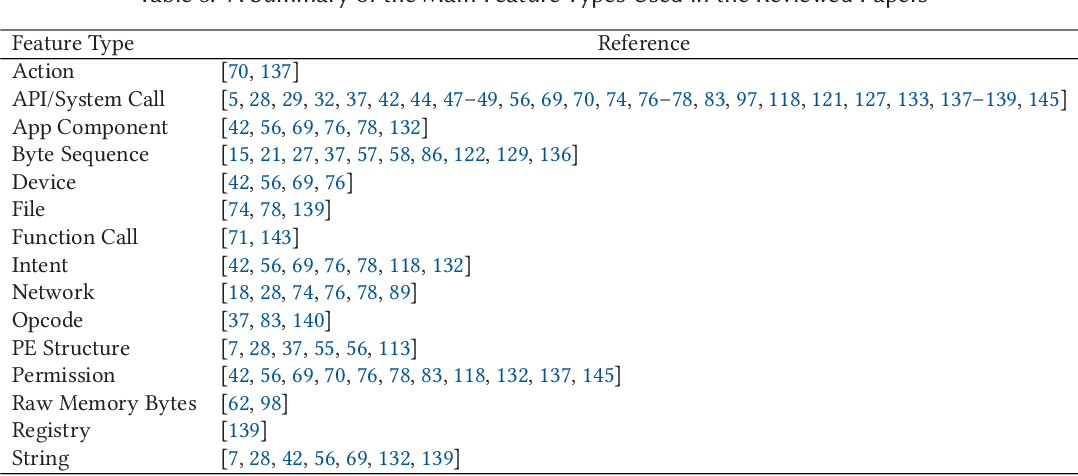
Deep learning, a subset of machine learning, has emerged as a powerful tool for tackling complex problems like malware classification. Its ability to automatically learn intricate patterns from vast datasets makes it well-suited for identifying malicious software. This approach offers a promising alternative to traditional signature-based methods, which often struggle with the constant evolution of malware. This section delves into various deep learning architectures and their suitability for this crucial task.
Convolutional Neural Networks (CNNs)
Convolutional Neural Networks (CNNs) are particularly effective at extracting features from complex data, like images and, in this case, malware code. Their convolutional layers learn hierarchical representations of features, enabling the model to identify subtle patterns and anomalies indicative of malicious intent. This hierarchical feature learning allows CNNs to adapt to different malware types and variations, making them robust to evasion techniques.
Recurrent Neural Networks (RNNs)
Recurrent Neural Networks (RNNs), specifically Long Short-Term Memory (LSTM) networks, excel at processing sequential data. Malware code, often characterized by intricate sequences of instructions and complex control flow graphs, is naturally suited for RNN processing. LSTMs effectively capture long-range dependencies within the code, which can be crucial for identifying malicious activities. These networks can discern malicious patterns hidden within intricate program flows.
Other Architectures
Beyond CNNs and RNNs, other deep learning architectures can be employed for malware classification. For example, feedforward neural networks, while less specialized for sequential data, can still be effective when the focus is on simple feature extraction from pre-processed malware samples. Similarly, autoencoders can be used for feature learning and dimensionality reduction prior to classification. These methods offer diverse approaches to the problem.
Model Selection Significance
Choosing the right deep learning architecture for malware classification is critical for achieving optimal performance. The architecture must be suitable for the specific nature of the data (e.g., sequential or structured) and the desired level of performance. Considerations like the size of the dataset, the complexity of the malware samples, and the computational resources available play a crucial role in this decision.
Carefully evaluating the trade-offs between computational cost, accuracy, and model interpretability is essential.
Strengths and Weaknesses of Different Deep Learning Models
| Model | Strengths | Weaknesses |
|---|---|---|
| CNNs | Excellent at identifying spatial patterns, robust to variations in malware samples, efficient feature extraction. | May struggle with long-range dependencies within code, less adept at processing sequential data. |
| RNNs (LSTMs) | Excellent at handling sequential data, capturing long-range dependencies in code, effective in identifying malicious activities within intricate program flows. | Can be computationally expensive for large datasets, may require extensive training data for optimal performance. |
| Feedforward Neural Networks | Relatively simpler architecture, suitable for pre-processed data, potentially faster training. | May not capture complex patterns or long-range dependencies effectively, less robust to variations in malware samples. |
| Autoencoders | Effective for feature learning and dimensionality reduction, can enhance the efficiency of other models, can be integrated with other deep learning models. | Their primary function is feature extraction, not direct classification, requiring a separate classifier for actual prediction. |
Data Preparation and Feature Engineering for Deep Learning
Preparing a malware dataset for deep learning models involves meticulous steps to ensure the model learns effectively. Crucial to this process is the extraction of relevant features from malware samples and the application of preprocessing techniques. This transforms raw data into a format suitable for deep learning algorithms, optimizing their performance and reducing potential biases.
Data Acquisition and Cleaning
The quality of the data directly impacts the accuracy of the deep learning model. Malware datasets often come from various sources, each with its own potential biases and inconsistencies. Therefore, meticulous data cleaning is essential. This involves identifying and handling missing values, outliers, and inconsistencies in the data. Data cleaning is typically performed to ensure the integrity and reliability of the dataset, enabling accurate and unbiased analysis.
Feature Extraction Methods
Extracting relevant features from malware samples is crucial for effective classification. Various methods can be employed, each with its own strengths and weaknesses. Static analysis techniques examine the compiled code of malware, extracting features like file size, API calls, and opcodes. Dynamic analysis observes malware behavior in a controlled environment, identifying features like network traffic patterns, registry changes, and file system modifications.
Machine learning algorithms can also be used to identify relevant features automatically, providing a more efficient and comprehensive approach.
Feature Selection
Selecting the most informative features is critical for model performance. Redundant or irrelevant features can hinder the learning process and potentially lead to inaccurate classifications. Feature selection methods, such as correlation analysis, filter methods, and wrapper methods, can be used to identify and select the most significant features. These techniques aim to enhance model efficiency by eliminating irrelevant data, improving performance, and reducing overfitting.
Data Preprocessing Techniques
Preprocessing techniques are essential for preparing the data for deep learning models. Normalization and standardization techniques are used to scale features, ensuring that features with larger values do not dominate the learning process. One-hot encoding is employed to convert categorical variables into numerical representations. These transformations are crucial for ensuring the data is in a suitable format for the deep learning algorithms to process, preventing biases and ensuring accurate model training.
Step-by-Step Guide for Data Preparation and Feature Engineering
- Data Collection: Gather a comprehensive dataset of malware samples and corresponding labels (malicious or benign). Ensure the dataset is representative of the real-world distribution of malware. Data diversity is crucial for a robust model. The data should be balanced to avoid class imbalance.
- Data Cleaning: Identify and handle missing values, outliers, and inconsistencies in the data. Data validation is important to ensure the dataset’s reliability. This stage involves ensuring data integrity and consistency to prevent biases and inaccuracies in model training.
- Feature Extraction: Apply static and/or dynamic analysis techniques to extract relevant features from malware samples. Examples include API calls, opcodes, and network traffic patterns. This process aims to convert the raw malware data into a format suitable for the model.
- Feature Selection: Select the most informative features using methods like correlation analysis or filter methods. Eliminate redundant or irrelevant features to improve model efficiency. This process reduces the dimensionality of the data, leading to more focused and accurate model training.
- Data Preprocessing: Normalize or standardize numerical features and apply one-hot encoding to categorical features. This ensures that features with different scales do not disproportionately influence the model. Data transformation ensures the model receives the data in a format suitable for effective learning.
- Data Splitting: Divide the dataset into training, validation, and testing sets. This is essential for evaluating the model’s performance on unseen data.
- Data Formatting: Format the data into the required input format for the deep learning model. This may involve reshaping or converting data into tensors.
Model Training and Evaluation
Training deep learning models for malware classification requires careful consideration of the dataset, model architecture, and evaluation metrics. A robust training process is crucial to ensure the model accurately distinguishes between benign and malicious files. This phase involves optimizing the model’s parameters to minimize errors and maximize its predictive capability. Proper evaluation is equally important to assess the model’s performance and identify potential weaknesses.
Training Deep Learning Models, Classifying malware using deep learning
The training process involves feeding the prepared malware dataset to the chosen deep learning model. This process typically involves several iterations, known as epochs, during which the model adjusts its internal parameters to improve its classification accuracy. Different optimization algorithms, such as stochastic gradient descent (SGD), Adam, or RMSprop, are employed to update these parameters. The choice of algorithm depends on factors like the dataset size, model complexity, and desired convergence rate.
Monitoring the training process is crucial to ensure that the model is learning effectively and avoiding overfitting, a phenomenon where the model performs exceptionally well on the training data but poorly on unseen data. Techniques like early stopping, dropout, and regularization are frequently used to mitigate overfitting.
Evaluation Metrics
Evaluating the performance of a malware classification model is essential for understanding its strengths and weaknesses. A variety of metrics are used, each providing a different perspective on the model’s effectiveness. These metrics provide insights into the model’s ability to correctly identify malicious and benign files.
Accuracy, Precision, Recall, and F1-Score
Accuracy, precision, recall, and F1-score are common metrics used to evaluate the performance of classification models. They offer different perspectives on the model’s ability to correctly classify instances. For example, a high accuracy score might indicate a well-performing model, but it might hide a bias in the classification of one class.
- Accuracy: The overall correctness of the model’s predictions. It measures the proportion of correctly classified instances to the total number of instances. A high accuracy doesn’t necessarily mean the model is well-performing, especially if the dataset is imbalanced. A model might classify a large majority class correctly but poorly classify a small minority class. High accuracy might hide critical issues in the minority class.
- Precision: The proportion of correctly predicted positive instances out of all instances predicted as positive. A high precision indicates that the model is less likely to label a benign file as malicious. This is particularly important in scenarios where false positives are costly, such as in a security context.
- Recall: The proportion of correctly predicted positive instances out of all actual positive instances. A high recall indicates that the model is less likely to miss a malicious file. This is important for minimizing false negatives. A low recall means that the model fails to identify malicious files, potentially leading to severe security vulnerabilities.
- F1-Score: A harmonic mean of precision and recall, providing a balanced measure of the model’s performance. It’s particularly useful when precision and recall are equally important.
Example Calculation
Consider a malware classification model with the following results:
- True Positives (TP): 80
- True Negatives (TN): 920
- False Positives (FP): 80
- False Negatives (FN): 20
Accuracy = (TP + TN) / (TP + TN + FP + FN) = (80 + 920) / (80 + 920 + 80 + 20) = 920/1000 = 0.92
Precision = TP / (TP + FP) = 80 / (80 + 80) = 0.5
Recall = TP / (TP + FN) = 80 / (80 + 20) = 0.8
F1-score = 2
- (Precision
- Recall) / (Precision + Recall) = 2
- (0.5
- 0.8) / (0.5 + 0.8) = 0.62
Evaluation Metrics Table
| Metric | Formula | Interpretation |
|---|---|---|
| Accuracy | (TP + TN) / (TP + TN + FP + FN) | Overall correctness of predictions. |
| Precision | TP / (TP + FP) | Proportion of correctly predicted positives out of predicted positives. |
| Recall | TP / (TP + FN) | Proportion of correctly predicted positives out of actual positives. |
| F1-Score | 2
|
Balanced measure combining precision and recall. |
Handling Imbalanced Datasets
Malware classification often faces a significant challenge: the prevalence of benign files vastly outweighs malicious ones. This creates an imbalanced dataset, where the majority class (benign) dominates the minority class (malware). Such imbalance can severely impact the performance of machine learning models, leading to inaccurate predictions and potentially dangerous consequences. Models trained on imbalanced data often exhibit a high accuracy on the majority class, while failing to detect or classify the minority class effectively.Addressing this imbalance is crucial for building robust and reliable malware classification systems.
Techniques for handling imbalanced datasets are vital for achieving a balanced representation and improved performance on minority classes, thus enhancing the ability to identify malicious software effectively. This section will delve into the impact of class imbalance and discuss effective strategies to mitigate its effects.
Impact of Class Imbalance on Model Performance
Imbalanced datasets lead to models skewed towards the majority class. This means the model learns to predict the majority class accurately but struggles with the minority class. For instance, a model trained on a dataset where 99% of the files are benign and 1% are malicious might achieve a high overall accuracy by simply classifying everything as benign.
However, this high accuracy is misleading as it fails to detect the critical malicious files. This skewed performance can have severe implications in a real-world scenario, where the detection of malicious software is paramount.
Techniques for Addressing Class Imbalance
Various techniques can be employed to mitigate the impact of class imbalance on deep learning models. These techniques aim to improve the model’s ability to recognize the minority class and thus improve its overall performance.
- Resampling Techniques: Resampling methods alter the dataset’s distribution to balance the class frequencies. Oversampling techniques increase the representation of the minority class by duplicating or creating synthetic instances. Undersampling techniques, conversely, reduce the number of instances in the majority class. These methods aim to create a more balanced dataset, enabling the model to learn effectively from both classes.
For example, SMOTE (Synthetic Minority Over-sampling Technique) generates synthetic data points for the minority class, while Random Under-sampling randomly removes instances from the majority class.
- Cost-Sensitive Learning: This approach assigns different costs to misclassifying instances from different classes. The costs are higher for misclassifying the minority class, thereby encouraging the model to focus more on accurately identifying these instances. In essence, the model is penalized more heavily for misclassifying malware than for misclassifying benign files. This ensures that the model prioritizes the identification of malicious files.
- Ensemble Methods: Combining multiple models trained on different subsets of the data or with different parameters can enhance the model’s performance. By combining predictions from multiple models, ensemble methods can reduce the impact of individual model biases and improve the overall accuracy, especially in imbalanced datasets.
Methods for Handling Imbalanced Datasets
| Method | Description | Pros | Cons |
|---|---|---|---|
| Oversampling (SMOTE) | Creates synthetic samples for the minority class. | Addresses class imbalance directly. | May introduce noise if synthetic samples are not carefully generated. |
| Undersampling | Reduces the number of samples in the majority class. | Reduces computational cost. | May lose valuable information from the majority class. |
| Cost-Sensitive Learning | Assigns different costs to misclassifying instances from different classes. | Encourages the model to focus on the minority class. | Requires careful cost assignment. |
| Ensemble Methods | Combines predictions from multiple models. | Reduces bias and improves accuracy. | Can be computationally expensive. |
Case Studies and Examples
Real-world applications of deep learning in malware classification demonstrate its effectiveness in automating and improving the detection of malicious software. These case studies highlight the practical implementation of these techniques, showcasing how they can be used to identify and categorize different types of malware with varying levels of sophistication. The results often show significant improvements in accuracy and speed compared to traditional methods, leading to faster responses to emerging threats.
Real-World Applications of Deep Learning in Malware Classification
Several organizations and research groups have successfully deployed deep learning models for malware classification. These applications often involve large datasets of malware samples, which are essential for training robust models. The choice of deep learning architecture and specific features are crucial factors in achieving optimal performance. The effectiveness of the models is often evaluated using metrics like precision, recall, and F1-score, providing insights into their accuracy and completeness in identifying malicious software.
Classifying malware using deep learning is a fascinating area of cybersecurity research. Recent advancements are leading to more accurate and efficient detection methods. This, in turn, could potentially impact real-world legal issues like those addressed in the Department of Justice’s new Safe Harbor policy for Massachusetts transactions. Department of Justice Offers Safe Harbor for MA Transactions highlights the growing importance of robust digital security protocols.
Ultimately, this sophisticated approach to classifying malware is crucial in protecting sensitive data and financial transactions in the digital age.
Case Study 1: Identifying Polymorphic Malware
This case study focuses on the detection of polymorphic malware, a type of malicious software that changes its code structure to evade detection. A convolutional neural network (CNN) was employed to analyze the compiled code of malware samples. The CNN was trained on a dataset of polymorphic malware samples and their corresponding labels (malicious or benign). The model’s ability to identify subtle variations in the code allowed for improved detection rates.
Results indicated a significant improvement in accuracy compared to traditional signature-based detection methods, especially for newly emerging polymorphic malware.
Deep learning is proving incredibly useful for classifying malware, identifying patterns in malicious code that traditional methods often miss. Recent vulnerabilities in Azure Cosmos DB, as detailed in Azure Cosmos DB Vulnerability Details , highlight the critical need for advanced threat detection. This underscores the importance of continuously refining deep learning models to stay ahead of evolving cyber threats.
Case Study 2: Classifying Malware Based on Behavior
This study examines the classification of malware based on its behavior. A recurrent neural network (RNN) was used to analyze the execution traces of malware samples. The execution trace was represented as a sequence of system calls and API calls made by the malware. This RNN model could capture the temporal dependencies in the malware’s behavior, leading to improved detection accuracy for malware exhibiting similar behaviors.
The results showed a substantial increase in the identification of malicious behavior compared to static analysis methods.
Case Study 3: Detecting Ransomware Using Deep Learning
This case study illustrates the application of deep learning to detect ransomware. A hybrid approach combining a CNN and a support vector machine (SVM) was used. The CNN analyzed the characteristics of the ransomware’s payload, while the SVM focused on analyzing the behavior of the malware during execution. The integration of both methods allowed for a more comprehensive understanding of the ransomware’s characteristics.
The results showed a marked improvement in identifying various ransomware types compared to previous approaches.
Case Study 4: Evaluating Deep Learning Models on Large-Scale Datasets
This case study highlights the performance of different deep learning models on large-scale datasets. Various architectures, including CNNs, RNNs, and transformers, were evaluated on publicly available malware datasets. The results indicated that CNNs performed well in identifying malware based on static features, while RNNs and transformers excelled at capturing dynamic behaviors and dependencies. This analysis provided insights into the strengths and weaknesses of different deep learning architectures in handling large-scale malware datasets.
Future Trends and Challenges
The field of malware classification using deep learning is rapidly evolving, driven by advancements in neural network architectures and the ever-increasing sophistication of malicious software. This dynamism necessitates a forward-looking perspective to anticipate future challenges and capitalize on emerging opportunities. Predicting the precise trajectory of malware evolution is impossible, but understanding current trends and potential future developments is crucial for maintaining robust security measures.
Emerging Trends in Deep Learning for Malware Analysis
Deep learning models, particularly convolutional neural networks (CNNs) and recurrent neural networks (RNNs), are increasingly employed in malware analysis due to their ability to extract complex patterns and features from diverse data sources. Transformers, another class of deep learning models, are also showing promise in analyzing code sequences, potentially leading to more accurate and efficient detection methods. Transfer learning, where pre-trained models are adapted for malware classification tasks, is becoming a common practice, reducing the need for vast labeled datasets.
The growing integration of deep learning with static and dynamic analysis techniques is expected to yield more comprehensive and nuanced malware identification.
Challenges and Limitations of Current Approaches
A significant challenge lies in the ever-changing nature of malware. Sophisticated attackers are constantly developing new techniques to evade detection, rendering existing models less effective over time. The high computational cost of training and deploying deep learning models can also be a barrier to widespread adoption, particularly in resource-constrained environments. Data imbalances, where benign samples greatly outnumber malicious samples, are a persistent issue in malware datasets, which can negatively impact model performance.
The interpretability of deep learning models remains a concern, making it difficult to understand how a model arrives at a specific classification, hindering trust and transparency in security systems. Moreover, the potential for adversarial attacks on deep learning models poses a serious threat to their effectiveness.
Potential Avenues for Future Research and Development
One promising area of future research is developing more robust and adaptable deep learning models that can better withstand adversarial attacks. Further investigation into hybrid approaches combining deep learning with traditional heuristic methods is also warranted. Addressing the issue of data imbalance is crucial; techniques like synthetic data generation and advanced sampling methods should be explored to improve model accuracy.
The development of explainable AI (XAI) techniques to enhance model transparency and trust is also a high priority. The investigation of federated learning for distributed malware analysis could be a vital advancement. Furthermore, the continuous adaptation of models to new malware families and evasion techniques through continuous learning algorithms is a key aspect to consider.
Summary of Future Trends in Malware Classification
The future of malware classification using deep learning is characterized by an ongoing evolution of deep learning models, including the exploration of new architectures like transformers. The need for robust and adaptive models that can counter adversarial attacks and handle imbalanced data is paramount. Furthermore, the advancement of techniques to increase the explainability of deep learning models will be crucial for trust and security.
Addressing the computational costs and the continuous adaptation to evolving malware remains a challenge. Hybrid approaches and the integration with traditional analysis methods are promising avenues to achieve more comprehensive and accurate detection systems.
Last Point: Classifying Malware Using Deep Learning

In conclusion, classifying malware using deep learning presents a promising path forward in cybersecurity. While challenges remain, the potential for enhanced threat detection and response is undeniable. This comprehensive guide equips readers with the knowledge to understand the intricacies of this powerful technology and its implications for the future of digital security.
FAQ Section
What are some common types of malware?
Common malware types include viruses, worms, Trojans, ransomware, spyware, and adware. Each type employs distinct techniques to compromise systems and achieve malicious goals.
How does data imbalance affect deep learning models for malware classification?
Imbalanced datasets, where one malware type significantly outnumbers others, can lead to biased models. Models trained on such data might excel at identifying the dominant malware type but struggle with less frequent ones. Specific techniques exist to mitigate this problem, such as oversampling minority classes or undersampling majority classes.
What are the limitations of current deep learning approaches for malware analysis?
Current deep learning models can struggle with new and sophisticated malware variants, requiring continuous adaptation and retraining. The computational resources needed for training complex models can also pose a challenge for some organizations. Furthermore, the interpretability of deep learning models can sometimes be limited, making it difficult to understand how they reach their conclusions.
What are some future research directions in this field?
Future research may focus on developing more robust and explainable deep learning models for malware classification, addressing the limitations of current techniques and creating more efficient training processes.