Hybrid Work Knowledge Industrys Ups & Downs
Hybrid work in the knowledge industry benefits challenges and solutions – Hybrid work in the knowledge industry benefits, challenges, and solutions are shaping the future of work. It’s a fascinating blend of remote flexibility and in-office collaboration, offering a potential utopia for many, but also presenting some very real hurdles. This post dives deep into the advantages and disadvantages, exploring how different knowledge worker roles are impacted and offering practical solutions to navigate the complexities of this evolving work model.
We’ll examine the productivity boosts, improved well-being, and enhanced work-life balance that hybrid work can deliver. But we won’t shy away from the communication challenges, the difficulties in maintaining team cohesion, and the potential for isolation. We’ll explore effective strategies to overcome these challenges, focusing on communication tools, performance management techniques, and fostering a strong sense of community within hybrid teams.
Benefits of Hybrid Work in the Knowledge Industry
The shift towards hybrid work models has profoundly impacted the knowledge industry, offering a range of benefits for both employers and employees. This flexible approach, blending remote and in-office work, has unlocked significant productivity gains, improved employee well-being, and fostered a healthier work-life balance. The data increasingly supports the positive impact of hybrid work on employee retention, making it a compelling strategy for organizations seeking to attract and retain top talent in a competitive market.
Productivity Gains in Hybrid Work Models
The flexibility inherent in hybrid work often leads to increased productivity among knowledge workers. Reduced commuting time, a more personalized work environment, and improved focus contribute to this enhanced output. Specifically, three key productivity gains are consistently observed. First, employees report increased concentration and fewer interruptions when working remotely, leading to more efficient task completion. Second, the ability to choose work locations based on task demands – focusing on deep work in a quiet home office and collaborative tasks in the office – optimizes individual workflows.
Third, hybrid work models often facilitate asynchronous collaboration, allowing knowledge workers to contribute at their peak performance times and avoid the constraints of rigid schedules.
Improved Employee Well-being and Stress Reduction, Hybrid work in the knowledge industry benefits challenges and solutions
Hybrid work significantly contributes to improved employee well-being and reduced stress levels. The ability to control one’s work environment, integrating personal needs and preferences into the workday, is a crucial factor. Employees experience less stress related to commuting, have more control over their work-life integration, and can better manage personal commitments. Furthermore, hybrid models often promote a better work-life balance, which contributes to a healthier work-life integration.
This improved work-life balance reduces burnout, improves mental health, and enhances overall job satisfaction.
Positive Impact of Hybrid Work on Work-Life Balance
Hybrid work offers a tangible improvement in work-life balance for knowledge workers. Consider a parent who can attend a child’s school event during the day, then work remotely in the evening to complete tasks. Or a worker who can schedule a doctor’s appointment mid-week without losing a full day of work, or an individual who can take advantage of a less crowded gym during the workday.
These are just a few examples illustrating how hybrid work empowers employees to better manage personal and professional responsibilities. The flexibility reduces the feeling of being constantly “on,” allowing for more time for personal pursuits, family, and self-care, which directly translates into increased job satisfaction and reduced stress.
Improved Employee Retention Rates in Hybrid Work Models
Organizations adopting hybrid work models frequently report improved employee retention rates. This is a direct consequence of the increased job satisfaction, reduced stress, and improved work-life balance experienced by employees. A hypothetical scenario could compare a company with a fully remote workforce achieving a 90% retention rate, a fully in-office model with a 75% retention rate, and a hybrid model boasting an 85% retention rate.
This demonstrates the competitive advantage hybrid models offer in attracting and retaining talent.
| Model | Retention Rate | Employee Satisfaction Score (1-10) | Turnover Rate |
|---|---|---|---|
| Fully Remote | 90% | 8.5 | 10% |
| Fully In-Office | 75% | 7.0 | 25% |
| Hybrid | 85% | 8.0 | 15% |
Challenges of Hybrid Work in the Knowledge Industry
The shift to hybrid work models, while offering numerous benefits, presents a unique set of challenges for organizations in the knowledge industry. Successfully navigating these challenges requires proactive planning and the implementation of effective strategies to maintain productivity, collaboration, and employee well-being. Failure to address these issues can lead to decreased morale, reduced efficiency, and ultimately, hinder the organization’s overall success.
Communication Barriers in Hybrid Work Environments
Effective communication is the cornerstone of any successful team, and this becomes exponentially more complex in a hybrid environment. Misunderstandings and delays can easily arise due to the lack of face-to-face interaction and the reliance on various communication channels. Three common barriers are inconsistent communication styles, technological limitations, and the difficulty in reading nonverbal cues. Mitigation strategies involve establishing clear communication protocols, investing in reliable technology, and fostering a culture of open and transparent communication.
For instance, scheduling regular team meetings (both synchronous and asynchronous), utilizing project management software for task assignments and updates, and encouraging the use of video conferencing to facilitate better understanding are all crucial steps. Furthermore, providing training on effective communication in a hybrid setting can help bridge the gap between in-office and remote employees.
Maintaining Team Cohesion and Collaboration in Geographically Dispersed Teams
Maintaining a strong sense of team cohesion and fostering effective collaboration becomes significantly more challenging when team members are geographically dispersed. The lack of spontaneous interactions and informal communication can lead to feelings of isolation and hinder the development of strong working relationships. Overcoming this requires a conscious effort to build relationships and foster a sense of community. This can be achieved through virtual team-building activities, regular social events (both virtual and in-person), and the establishment of clear team goals and shared responsibilities.
Companies like Google, for example, invest heavily in virtual team-building exercises and online platforms to facilitate interaction amongst their globally dispersed teams. Furthermore, using collaborative project management tools that allow for real-time updates and communication can significantly enhance team cohesion and productivity.
Managing Performance and Providing Constructive Feedback in a Hybrid Setting
Providing consistent and effective performance management in a hybrid work model requires a more nuanced approach. The lack of direct observation and the challenges in scheduling regular one-on-one meetings can make it difficult to accurately assess performance and provide timely feedback. This necessitates a shift towards outcome-based performance evaluations, complemented by regular check-ins and the use of performance management software.
Clear expectations, documented goals, and regular performance reviews, both formal and informal, are crucial. For example, using project management tools to track individual contributions and providing regular written and verbal feedback on progress can ensure everyone is aligned and on track. Managers also need training on how to adapt their feedback style to the hybrid environment, focusing on providing constructive criticism in a way that is both supportive and effective regardless of location.
Increased Feelings of Isolation and Loneliness Among Remote Knowledge Workers
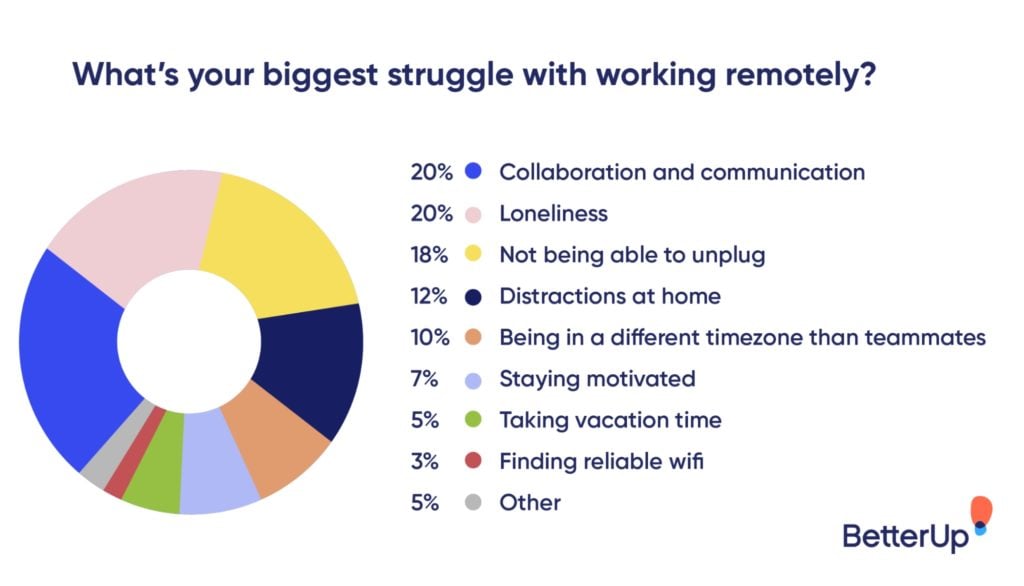
The lack of daily face-to-face interactions in a hybrid work setting can lead to increased feelings of isolation and loneliness among remote workers. This can negatively impact their mental health and overall productivity. Addressing this requires proactive measures to foster a sense of belonging and connection. Regular virtual social gatherings, online team-building activities, and opportunities for informal communication can help combat feelings of isolation.
Companies can also implement policies that encourage breaks and time away from screens, and promote employee wellness programs that address mental health concerns. Examples of such initiatives include virtual coffee breaks, online book clubs, or even company-sponsored mindfulness sessions. Open communication about mental health and the provision of resources for support are also critical in fostering a supportive and inclusive work environment.
Solutions for Effective Hybrid Work in the Knowledge Industry
Successfully navigating the hybrid work model in the knowledge industry requires a proactive and multifaceted approach. It’s not simply about allowing employees to work from home some days; it’s about creating a structured environment that fosters collaboration, maintains productivity, and cultivates a strong sense of team cohesion, regardless of physical location. This involves carefully considered communication strategies, robust performance management systems, and the strategic implementation of technology.
Communication Strategy for Hybrid Knowledge-Work Teams
Effective communication is the bedrock of any successful hybrid team. A well-defined strategy ensures information flows seamlessly, regardless of location. This involves selecting the right communication tools and establishing clear protocols for their usage. For instance, using project management software like Asana or Trello for task assignments and progress tracking promotes transparency and accountability. Instant messaging platforms like Slack or Microsoft Teams facilitate quick queries and informal discussions, while video conferencing tools like Zoom or Google Meet are essential for meetings and collaborative brainstorming sessions.
Protocols should clearly define when to use each tool (e.g., Slack for quick questions, email for formal announcements, video conferencing for team meetings) and expected response times to maintain efficiency and prevent communication breakdowns.
Fostering Community and Belonging in Hybrid Teams
Building a strong sense of community and belonging is crucial for preventing isolation and promoting team cohesion in hybrid work environments. Regular virtual social events, such as online coffee breaks or virtual team lunches, can help foster informal interactions and build relationships. The organization of in-person team-building activities, even if infrequent, provides valuable opportunities for face-to-face interaction and strengthens team bonds.
Encouraging open communication and feedback channels allows employees to voice concerns and share ideas, contributing to a more inclusive and supportive work environment. Mentorship programs can pair remote employees with in-office colleagues, facilitating knowledge sharing and providing a sense of connection. Leadership should actively promote inclusion and ensure that remote employees feel valued and integrated into the team’s activities.
Effective Performance Management Systems for Hybrid Work
Performance management in a hybrid setting requires a shift from traditional, in-office approaches. Regular check-ins, both formal and informal, are crucial for monitoring progress, providing feedback, and addressing challenges. These check-ins can be conducted through video conferencing, phone calls, or instant messaging, depending on the nature and urgency of the communication. Goals should be clearly defined and measurable, with progress tracked using appropriate tools and metrics.
Performance reviews should be based on objective data, including project deliverables, contributions to team goals, and feedback from colleagues. The emphasis should be on outcomes rather than simply hours worked, recognizing the flexibility inherent in hybrid work models. Regular feedback, both positive and constructive, is vital to support employee development and motivation.
Technologies Facilitating Seamless Collaboration and Communication
A robust technological infrastructure is essential for supporting seamless collaboration in a hybrid work environment. The following technologies are particularly effective:
- Project Management Software: Asana, Trello, Monday.com
- Instant Messaging Platforms: Slack, Microsoft Teams, Google Chat
- Video Conferencing Tools: Zoom, Google Meet, Microsoft Teams
- Cloud Storage and Collaboration Platforms: Google Drive, Dropbox, Microsoft OneDrive
- Document Collaboration Tools: Google Docs, Microsoft Office 365
- Internal Communication Platforms: Yammer, Workplace from Meta
These tools enable real-time communication, efficient project management, and easy access to information, regardless of location.
Onboarding New Employees in a Hybrid Work Model
Onboarding new employees in a hybrid environment requires a carefully planned approach that addresses both remote and in-office aspects. The initial phase should include a comprehensive virtual orientation covering company culture, policies, and procedures. This can be delivered through a combination of pre-recorded videos, live webinars, and interactive online modules. A dedicated mentor or buddy should be assigned to guide the new employee through their first few weeks, providing support and answering questions.
Early opportunities for virtual and, where possible, in-person team interactions should be created to facilitate integration and build relationships. A well-structured training program should be provided, with a mix of online and, where appropriate, in-person sessions, ensuring that new employees receive the necessary skills and knowledge to perform their roles effectively. Regular check-ins should be scheduled to monitor progress, address any challenges, and provide ongoing support.
A detailed welcome package containing all necessary equipment and information should be provided, including instructions on accessing company systems and resources.
Impact on Different Knowledge Worker Roles
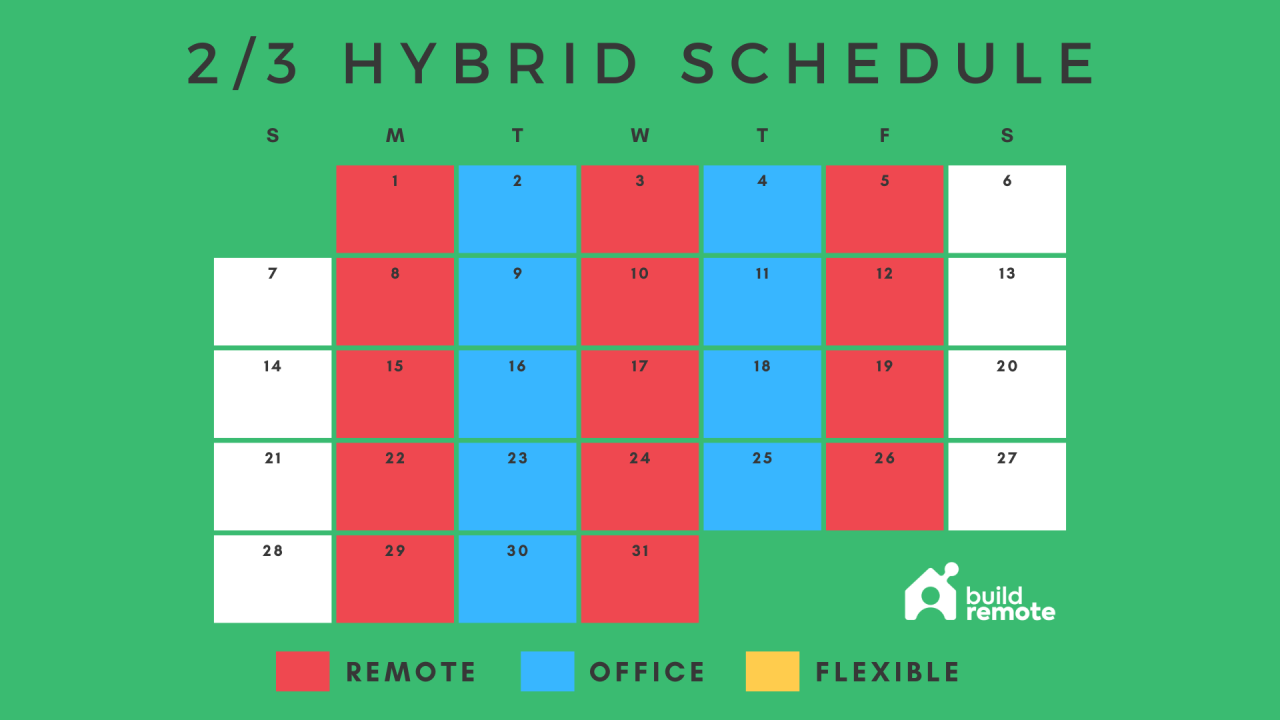
Hybrid work has profoundly reshaped the knowledge industry, impacting various roles differently. The suitability of a hybrid model depends heavily on the specific tasks, required collaboration, and individual preferences of each knowledge worker. Understanding these nuances is crucial for successful hybrid implementation.
The impact of hybrid work varies significantly across different roles. While some roles thrive in a hybrid environment, others face unique challenges. This necessitates a tailored approach to hybrid work implementation, considering the specific needs of each role.
Suitability of Hybrid Work Across Different Knowledge Worker Roles
The following table compares the suitability of hybrid work for various roles within the knowledge industry, highlighting advantages and challenges:
| Role | Suitability for Hybrid Work | Advantages | Challenges |
|---|---|---|---|
| Software Developer | High | Increased focus and productivity through dedicated work time; flexibility to manage personal commitments; access to a wider talent pool. | Potential for communication barriers; challenges in real-time collaboration; difficulty in impromptu knowledge sharing. |
| Data Analyst | Medium-High | Flexibility in managing workload; ability to work independently on data analysis tasks; better work-life balance. | Need for regular in-person meetings for project coordination; challenges in accessing specialized equipment or data; potential for isolation. |
| Marketing Specialist | Medium | Flexibility to manage client calls and meetings across different time zones; ability to work from inspiring locations for creative tasks; improved work-life balance. | Challenges in team brainstorming sessions; difficulties in spontaneous collaboration; potential for communication delays. |
Hybrid Work for Knowledge Industry Managers
Managers in the knowledge industry face unique challenges and benefits in a hybrid work environment. Successful management requires a shift in approach, focusing on outcomes and fostering a strong sense of team cohesion despite physical distance.
Benefits include increased flexibility in managing their own schedules and the ability to oversee geographically dispersed teams. Challenges include ensuring effective communication and collaboration, monitoring employee performance remotely, and maintaining a strong team culture. Successful management in a hybrid model often requires a greater emphasis on clear communication, trust, and outcome-based performance metrics.
Impact of Hybrid Work on Knowledge Sharing and Mentorship
Hybrid work models can significantly impact knowledge sharing and mentorship within teams. While technology can facilitate communication, the spontaneous, informal interactions that often lead to valuable knowledge transfer are often reduced.
To mitigate this, organizations need to actively promote structured knowledge-sharing initiatives, such as online forums, regular virtual meetings dedicated to knowledge sharing, and mentorship programs that utilize both virtual and in-person interactions. Intentional effort is required to replace the organic knowledge transfer that occurs in a traditional office setting.
Impact of Hybrid Work on Professional Development Opportunities
Hybrid work can both positively and negatively affect professional development. The increased flexibility can allow for pursuing online courses or attending virtual conferences, but it can also limit access to informal learning opportunities like observing senior colleagues or participating in spontaneous team discussions.
Organizations should actively invest in providing online learning resources and virtual mentorship programs. They should also facilitate regular virtual or in-person team-building activities to maintain a strong sense of community and encourage informal knowledge sharing, thereby offsetting potential downsides of hybrid work on professional development.
Technological Considerations for Hybrid Work
Successfully navigating the hybrid work model hinges heavily on a robust and well-integrated technological infrastructure. Without the right tools and security measures, the benefits of flexibility can quickly be overshadowed by communication breakdowns, security vulnerabilities, and a fractured employee experience. This section explores the crucial technological aspects necessary for a smooth and productive hybrid work environment.
Robust IT Infrastructure and Cybersecurity Measures
A strong IT infrastructure is the bedrock of any successful hybrid work strategy. This includes reliable internet connectivity, high-performance computing resources accessible to remote employees, and a secure network capable of handling increased data traffic and potential security threats. Cybersecurity measures are paramount, as a dispersed workforce expands the attack surface for malicious actors. This requires robust firewalls, intrusion detection systems, multi-factor authentication, and regular security awareness training for all employees, regardless of location.
Investing in these measures mitigates the risk of data breaches, ransomware attacks, and other cyber threats that can severely impact productivity and reputation. For example, a company might implement a zero-trust security model, verifying every user and device before granting access to the network, regardless of location.
Software and Tools for Enhanced Collaboration and Communication
Effective collaboration tools are essential for bridging the geographical divide between in-office and remote employees. Project management software like Asana or Monday.com allows teams to track progress, assign tasks, and communicate efficiently. Video conferencing platforms such as Zoom, Microsoft Teams, or Google Meet facilitate real-time interactions, enabling face-to-face meetings and spontaneous collaborations. Instant messaging platforms like Slack or Microsoft Teams provide quick and easy communication for day-to-day updates and informal discussions.
These tools should be integrated seamlessly to ensure a consistent and user-friendly experience for all employees, fostering a sense of connection and shared purpose. For instance, integrating a project management tool directly with a video conferencing platform allows for efficient task discussions during meetings.
Data Security and Privacy Considerations for Remote Employees
Data security and privacy are critical concerns in a hybrid work model. Employees working remotely may be accessing sensitive company data from personal devices and networks, increasing the risk of data breaches or unauthorized access. Implementing strong data encryption protocols, both in transit and at rest, is crucial. Companies should also establish clear data usage policies and provide employees with training on secure data handling practices.
Regular security audits and penetration testing help identify and address vulnerabilities. Consideration should also be given to data sovereignty regulations and compliance requirements, particularly if employees are located in different jurisdictions. For example, the use of end-to-end encrypted communication channels for sensitive information is vital.
Hybrid work in the knowledge industry offers amazing flexibility, but managing communication and collaboration across dispersed teams is a constant challenge. Finding solutions often involves streamlining workflows, and that’s where tools like those discussed in this article on domino app dev the low code and pro code future become incredibly valuable. Efficient app development can directly address hybrid work’s communication hurdles, ultimately boosting productivity and employee satisfaction.
Technology Bridging the Gap Between Remote and In-Office Employees
Technology plays a crucial role in fostering inclusivity and improving communication between remote and in-office employees. Intranet platforms can serve as a central hub for company news, announcements, and internal communication, ensuring everyone is informed regardless of location. Regular virtual town halls or all-hands meetings, conducted using video conferencing, can help maintain a sense of community and shared purpose.
Utilizing collaborative workspaces, such as shared online documents and project management tools, allows remote and in-office employees to work seamlessly on the same projects. These technologies help to level the playing field, preventing remote employees from feeling isolated or excluded from important information and decision-making processes. For example, a company might use a virtual whiteboard to facilitate brainstorming sessions involving both remote and in-office team members.
End of Discussion: Hybrid Work In The Knowledge Industry Benefits Challenges And Solutions
Ultimately, the success of hybrid work in the knowledge industry hinges on thoughtful planning, open communication, and a commitment to adapting to the unique needs of both remote and in-office employees. By embracing the benefits while proactively addressing the challenges, organizations can create a work environment that is both productive and fulfilling for their knowledge workers. The journey towards an effective hybrid model is an ongoing process of refinement and adaptation, but the potential rewards are significant.
FAQs
What are the best communication tools for hybrid teams?
Slack, Microsoft Teams, Zoom, and project management software like Asana or Trello are popular choices, offering various communication and collaboration features.
How can I prevent burnout in a hybrid work environment?
Encourage clear boundaries between work and personal life, promote regular breaks, and prioritize employee well-being initiatives like mental health days and wellness programs.
How do I ensure equitable opportunities for both remote and in-office employees?
Implement transparent promotion processes, ensure equal access to training and development opportunities, and actively foster inclusive communication practices to avoid bias.
How can I measure the success of our hybrid work model?
Track key metrics like employee satisfaction, productivity levels, retention rates, and project completion rates. Regular feedback surveys can also provide valuable insights.
