iOS 17 Mood Tracking A Privacy Quandary
Is mood tracking feature in Apple iOS 17 a privacy concern? This new feature in iOS 17 promises to help users better understand their emotional states, but it raises some serious questions about data collection and potential misuse. We’ll delve into the specifics of how this feature works, the potential privacy implications, and the measures Apple has put in place to safeguard user data.
The feature itself is relatively straightforward. Users can log their moods, potentially with additional details like triggers and accompanying physical sensations. However, this seemingly simple tool touches on complex issues regarding the data Apple collects and how that data might be used.
Introduction to Mood Tracking in iOS 17: Is Mood Tracking Feature In Apple Ios 17 A Privacy Concern
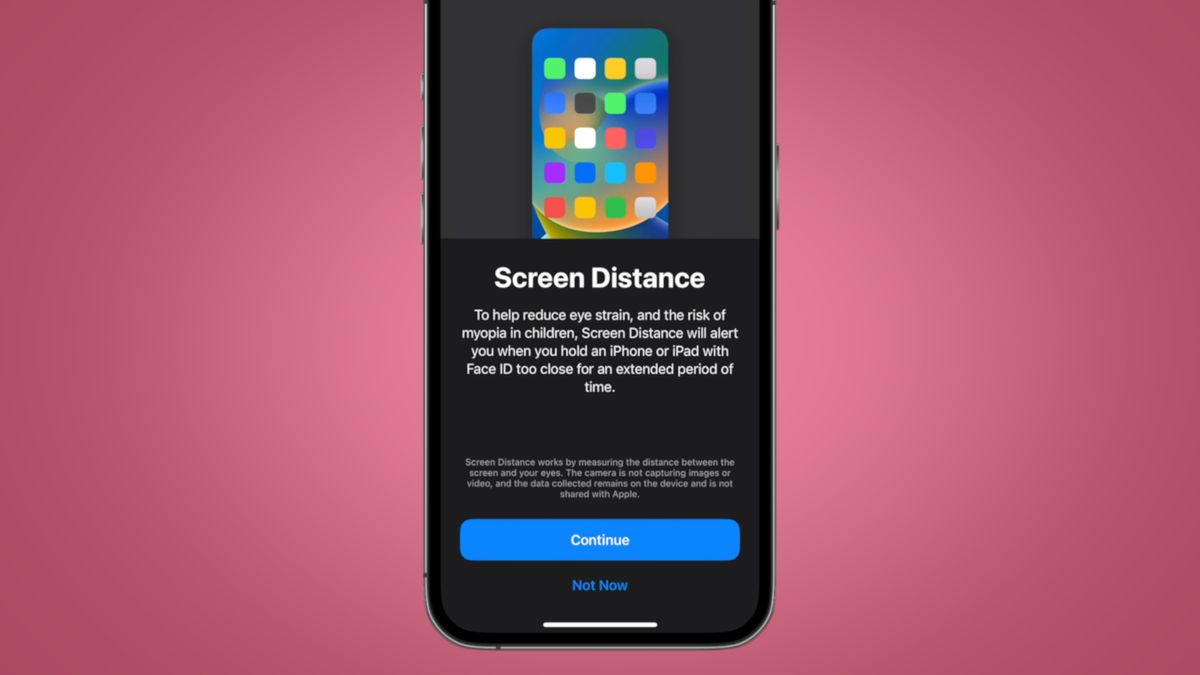
iOS 17 introduces a new mood tracking feature designed to help users better understand and manage their emotional well-being. This feature allows users to record their current mood and associated factors, potentially offering insights into patterns and triggers. The collected data, though voluntary, can be used to inform personal well-being strategies and potentially to support mental health awareness.The mood tracking feature in iOS 17 aims to provide a user-friendly interface for recording moods, offering more detailed information about emotions than previous methods.
This feature goes beyond simple mood categorization and can capture various factors contributing to the reported mood, ultimately allowing users to gain a more comprehensive understanding of their emotional patterns.
Is Apple’s mood tracking in iOS 17 a privacy concern? It’s a complex question, and while the potential for misuse of data is always a worry, it’s also worth considering the broader context of AI development. For example, the need for “AI Code Safety Goggles” highlighted in Deploying AI Code Safety Goggles Needed highlights the crucial role of security in all forms of technology.
Ultimately, the ethical implications of mood tracking features in personal devices like phones remain a key area of ongoing debate and discussion.
Data Points Collected by the Feature
The feature captures a range of data points beyond simply recording a mood. It allows users to record their current mood, potentially including specific emotions or feelings, alongside contextual information like stress levels, sleep quality, physical activity, and even the environment. This detailed data allows for a more holistic view of the user’s emotional state.
Integration with Other Apple Services
The mood tracking feature can potentially integrate with other Apple services, like Health and Reminders. This integration could allow users to link their mood data with other health metrics, creating a more comprehensive picture of their overall well-being. For instance, a user might see correlations between their sleep patterns and reported mood levels.
Potential Data Usage
This feature could potentially be used for a variety of purposes, ranging from personal well-being tracking to potentially supporting mental health awareness initiatives.
| Feature Name | Data Type | Potential Usage |
|---|---|---|
| Mood | Categorical/Numerical | Understanding emotional patterns, identifying potential triggers |
| Stress Level | Numerical | Correlating stress with mood, identifying stress management needs |
| Sleep Quality | Numerical/Categorical | Understanding sleep-mood relationships, potential sleep hygiene improvements |
| Physical Activity | Numerical | Correlating physical activity with mood, identifying patterns |
| Environment | Text/Location | Identifying environmental factors that affect mood |
Privacy Concerns Regarding Data Collection
The introduction of mood tracking in iOS 17 raises legitimate privacy concerns, particularly regarding the collection and potential use of personal data. While Apple emphasizes user control and data security, the very act of systematically recording and analyzing emotional states brings with it the potential for misuse and unintended consequences. Understanding these concerns is crucial for informed decision-making regarding the use of this feature.The collection of mood data, even if seemingly innocuous, can be linked to other personal information.
This interconnectedness raises the risk of unauthorized access or inappropriate use, potentially impacting mental health and overall well-being. For instance, a seemingly benign mood tracking log could be used for targeted advertising or even, in a hypothetical scenario, be used to make assumptions about a user’s behavior or financial stability. This is not to say that such outcomes are inevitable, but the potential exists, requiring a cautious approach.
Potential for Misuse and Unauthorized Access
The potential for misuse of mood data extends beyond targeted advertising. A sophisticated attacker or even a malicious actor with access to the user’s data could potentially exploit this information. This could range from identity theft to more subtle forms of manipulation. Moreover, unauthorized access to such data could lead to unwarranted inferences about a user’s mental health or emotional state.
The implications are far-reaching, necessitating robust security measures to mitigate potential risks.
Comparison with Similar Features on Other Platforms
The mood tracking feature in iOS 17 should be evaluated in the context of similar features offered by other platforms. A critical analysis of how these platforms handle user data, security protocols, and user consent mechanisms is essential. If platforms with less stringent privacy standards demonstrate patterns of data breaches or misuse, this warrants careful consideration when evaluating Apple’s approach.
It is vital to ascertain the extent to which Apple’s measures are comparable to or exceed those of other platforms.
Security Vulnerabilities in Data Storage and Transmission
Potential security vulnerabilities exist in the data storage and transmission process. These vulnerabilities could compromise the confidentiality and integrity of the collected data. For example, a breach in the server infrastructure where the data is stored or a weak encryption method during transmission could expose user data to unauthorized access. Robust encryption and secure data storage protocols are paramount.
Regular security audits and proactive measures are critical to maintaining data integrity.
Data Collection Analysis
| Data Point | Potential Use | Privacy Concern |
|---|---|---|
| Recorded Mood | Targeted advertising, profiling, potential assumptions about user’s behavior or financial stability. | Potential for misuse, unwarranted inferences about mental health or emotional state. |
| Associated Context (e.g., location, activities) | Creating detailed profiles, potentially revealing sensitive information about user’s life. | Increased risk of identity theft, data breaches, or unauthorized access. |
| Frequency of mood tracking | Identifying patterns in user’s emotional state, potentially leading to inaccurate assumptions. | Possibility of misinterpretation or stereotyping. |
Data Security and Storage Mechanisms
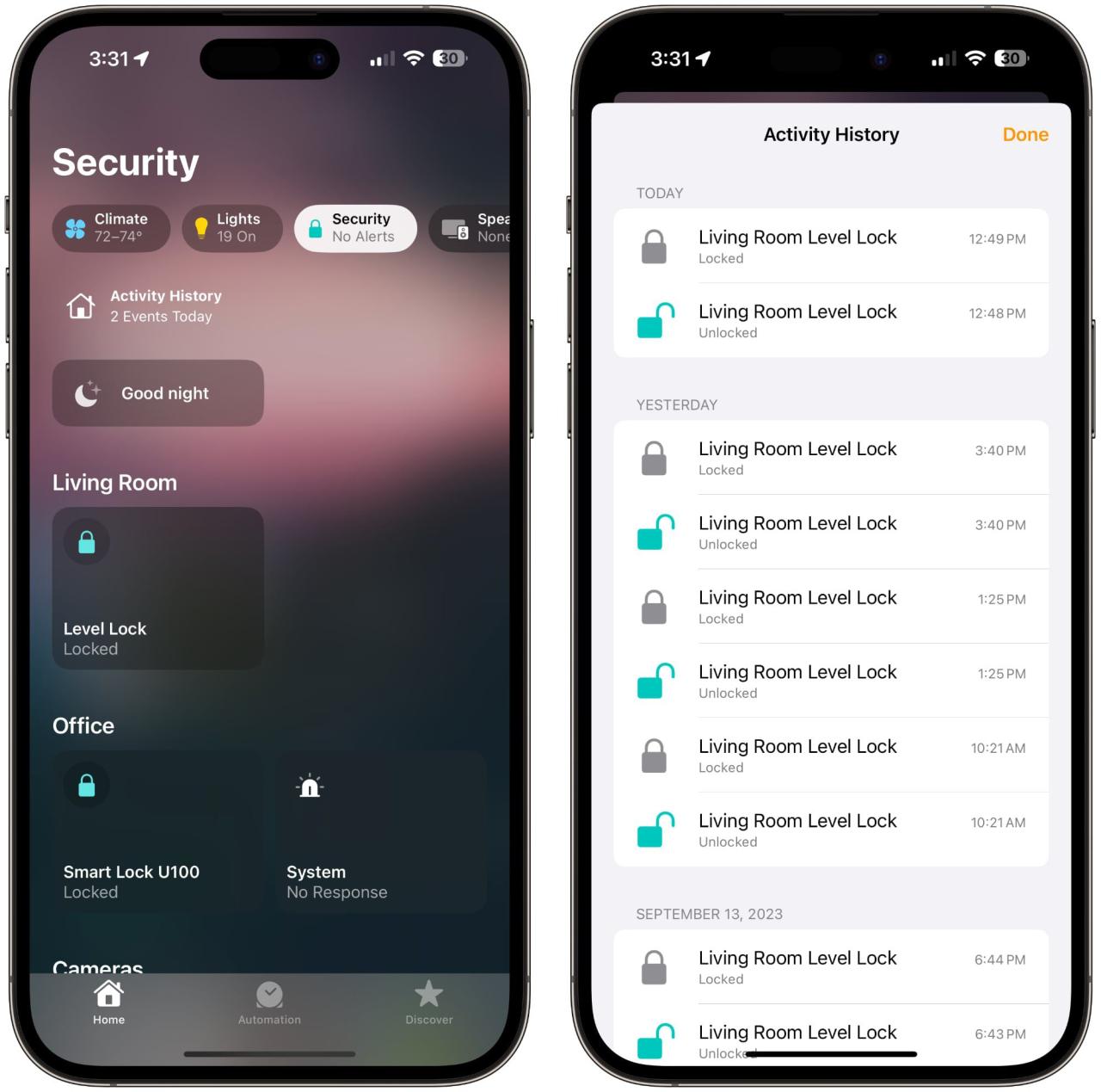
Apple’s implementation of mood tracking in iOS 17 necessitates robust data security measures to protect user privacy. The company’s commitment to user data confidentiality is paramount, and this section delves into the specific security mechanisms put in place to safeguard user mood data. Understanding these mechanisms is crucial for assessing the overall privacy implications of this feature.Apple has implemented a multi-layered approach to data security, focusing on encryption, secure storage, and access controls.
These measures are designed to prevent unauthorized access and misuse of personal information. The effectiveness of these measures is crucial in maintaining user trust.
Encryption Methods
Apple employs advanced encryption techniques to protect user mood data both during transmission and storage. This multifaceted approach ensures that even if a breach occurs, the data remains unreadable without the proper decryption keys. This is critical for protecting user privacy in the digital age.
- Data at rest is encrypted using industry-standard algorithms, ensuring confidentiality even if a device is lost or stolen.
- Data in transit is encrypted using end-to-end encryption, guaranteeing that only the user and Apple servers with the appropriate decryption keys can access the data.
Data Storage Locations, Is mood tracking feature in apple ios 17 a privacy concern
Mood data is stored on secure Apple servers, physically located in geographically diverse locations. These servers are equipped with advanced security measures to deter unauthorized access. Data is not stored on user devices in a raw, unencrypted form.
- Access to these servers is strictly controlled and monitored, with multiple layers of authentication and authorization.
- Regular security audits and penetration testing are conducted to identify and mitigate potential vulnerabilities.
Access Controls
User data is protected by strict access controls. Only authorized personnel with a demonstrated need-to-know can access the data. The principle of least privilege is implemented, granting users only the necessary permissions to perform their tasks.
- Access to user data is restricted based on roles and responsibilities.
- Multiple layers of authentication, including strong passwords and multi-factor authentication, are used to verify user identity before granting access.
Comparison with Other Companies
Apple’s security practices for mood data are generally considered robust, but it’s important to note that standards and practices vary among companies. A direct comparison with other companies handling similar data is complex and dependent on the specific details of each company’s data handling practices.
- Independent audits and security assessments can help evaluate the security measures implemented by various companies.
- Industry best practices and regulatory requirements play a significant role in shaping security protocols.
Data Security Measures and Protection Levels
| Data Security Measure | Level of Protection |
|---|---|
| End-to-End Encryption | High |
| Secure Server Storage | High |
| Access Control Lists | Medium-High |
| Regular Security Audits | High |
User Control and Transparency
Apple’s iOS 17 mood tracking feature aims to provide users with a way to understand and manage their emotional well-being. Crucially, effective user control and transparency are paramount to ensuring user trust and responsible data handling. This section details the available user controls and Apple’s transparency initiatives.Understanding how users can manage their mood data, access it, and modify it empowers them to maintain control over their personal information.
Transparency regarding data usage allows users to make informed decisions about sharing their emotional experiences with Apple’s services.
User Control Options for Managing Mood Data
Users have a variety of options to control the data collected by the mood tracking feature. These controls allow users to customize the level of information shared and manage how this data is used. Users can choose to opt-in or out of mood tracking, enabling them to maintain control over their data.
Accessing, Modifying, and Deleting Mood Data
Users can access, modify, or delete their mood data through the iOS 17 settings. This access allows for review and adjustments to the data collected, ensuring users retain control over their personal information. The process is straightforward, allowing users to make changes at any time.
Transparency of Data Usage
Apple provides detailed information on how the mood tracking data is used, stored, and potentially shared. This transparency is a critical element of user trust. Apple’s documentation Artikels the specific data points collected, their purpose, and any potential sharing with third-party services.
User Interface Elements for Data Collection and Usage
Within the iOS 17 settings, dedicated sections detail the data collected, its usage, and the potential sharing mechanisms. A clear and concise presentation ensures users can readily understand the data being collected. The design is intuitive and user-friendly, making it easy to access and modify settings.
Steps to Access and Modify Mood Tracking Data
- Open the “Settings” app on your iOS device.
- Navigate to the “Privacy” section.
- Select “Mood Tracking.”
- Review the data collected and its usage.
- Adjust settings related to data collection, sharing, and storage as desired.
- Delete individual mood entries if needed. (Note: This is usually done directly within the mood tracking app itself.)
- Review and modify data sharing preferences.
Potential Impact on Mental Health and Well-being
Mood tracking in iOS 17, while seemingly a simple feature, can have a profound impact on users’ mental health and well-being. It offers a unique opportunity for self-reflection and potentially positive change, but also carries the risk of negative consequences if not approached with caution. Understanding the potential benefits and pitfalls is crucial for informed use.The data collected by mood tracking apps can offer valuable insights into patterns of emotional experience.
This understanding can empower individuals to identify triggers, recognize patterns, and potentially develop strategies for managing their emotional responses. However, the very act of consistently documenting feelings can also have unintended consequences, which must be considered.
Potential Positive Impacts of Mood Tracking on Mental Health
Mood tracking can serve as a valuable tool for self-awareness and emotional regulation. By recording and analyzing mood patterns, individuals can identify recurring themes, such as correlations between specific activities or environments and their emotional state. This awareness can be a powerful catalyst for positive change. It can help pinpoint triggers and allow individuals to modify their behavior to mitigate negative responses.
While Apple’s new mood tracking feature in iOS 17 raises privacy concerns, it’s interesting to consider similar legal frameworks. For example, the Department of Justice’s recent “Safe Harbor” policy for Massachusetts transactions ( Department of Justice Offers Safe Harbor for MA Transactions ) suggests a potential path towards navigating such concerns. Ultimately, the effectiveness of such policies in safeguarding user data in the context of mood tracking remains to be seen, though.
For instance, recognizing a pattern of anxiety before a particular social event might prompt proactive coping strategies.
Potential for Bias and Misinterpretation of Mood Data
It’s important to acknowledge the potential for bias and misinterpretation when relying on mood tracking data. Subjectivity in mood reporting can introduce inaccuracies. A user’s perception of their mood on a given day might be influenced by external factors not captured by the app, leading to inaccurate or incomplete data sets. Furthermore, the very act of tracking moods can sometimes inadvertently heighten self-consciousness about emotional states, potentially leading to a focus on negative feelings or a heightened sense of anxiety.
This can be especially true for individuals prone to overthinking or catastrophizing.
Examples of How Mood Tracking Can Be Used for Self-Improvement
Mood tracking can be a powerful tool for self-improvement. Identifying patterns between specific activities and moods can help individuals understand how their environment and lifestyle choices affect their emotional well-being. For instance, someone might discover that they experience increased anxiety before major deadlines. This awareness allows them to proactively manage stress, such as planning for adequate time management or implementing relaxation techniques.
Furthermore, by tracking moods over time, individuals can observe trends and make more informed decisions about lifestyle adjustments to promote emotional well-being.
Potential Negative Impacts of Mood Tracking on Users
While mood tracking can be beneficial, it also carries potential negative consequences. The constant focus on emotional states can lead to increased anxiety and self-criticism if not approached mindfully. Over-reliance on the data might also create a sense of being “defined” by their emotional patterns. This can be especially concerning if individuals interpret negative mood data as a reflection of inherent flaws or shortcomings.
For instance, a user who consistently reports low moods might develop a negative self-image, potentially hindering their self-esteem and well-being.
Benefits and Drawbacks of Mood Tracking
| Benefits | Drawbacks |
|---|---|
| Increased self-awareness of emotional patterns | Potential for bias and misinterpretation of data |
| Identification of triggers and coping strategies | Increased anxiety and self-criticism |
| Improved emotional regulation | Over-reliance on data and negative self-image |
| Proactive lifestyle adjustments | Focus on negative emotions |
Alternatives and Comparisons
Beyond Apple’s approach, various mood tracking apps and services exist, each with its own strengths and weaknesses concerning privacy. Understanding these alternatives helps contextualize Apple’s implementation and identify potential areas for improvement in user control and transparency. Different companies adopt various strategies for data collection and usage, impacting how personal information is handled and protected.A crucial aspect of evaluating these alternatives is assessing their privacy protocols.
Transparency in data collection practices, user control over data sharing, and the security measures employed are critical factors. These considerations influence user trust and the overall perception of the platform’s commitment to protecting personal information.
Comparison of Mood Tracking Approaches
Different companies approach mood tracking with varying degrees of user control and transparency. Evaluating these approaches reveals potential strengths and weaknesses in privacy considerations. Direct comparison aids in understanding the nuances of each system and highlighting areas where improvements could be made.
- Third-party apps often prioritize ease of use and specific features like personalized journaling prompts. They may offer detailed mood logs but may collect less contextually relevant data than platforms integrated with other Apple services. This can lead to concerns about data silos and potential sharing with third-party advertisers. However, third-party apps frequently provide greater customization options, allowing users to tailor the tracking process to their specific needs.
While the Apple iOS 17 mood tracking feature raises privacy concerns, it’s worth considering other potential vulnerabilities in the digital landscape. For instance, recent security breaches involving Azure Cosmos DB highlight the importance of scrutinizing cloud database security. Exploring the details of these vulnerabilities at Azure Cosmos DB Vulnerability Details provides context for understanding the broader issue of data protection.
Ultimately, the implications for the mood tracking feature’s privacy impact need further analysis, considering the security of data storage and handling.
For example, users can select which aspects of their mood they want to focus on, whether it’s sleep quality, stress levels, or social interactions.
- Dedicated mental health apps focus on providing support and resources alongside mood tracking. These apps may prioritize mental well-being over specific data analysis. They often offer direct access to therapists or counselors, potentially improving mental health outcomes. Privacy is often paramount in these apps, with robust data security measures. However, the features might not be as comprehensive as other mood tracking platforms.
For instance, they might not integrate with other health data, limiting the scope of insights they can provide.
- Fitness trackers integrate mood tracking with activity levels and sleep patterns. This integration can provide a more holistic view of user well-being. However, the privacy concerns surrounding fitness data collection can extend to mood data. Transparency about how mood data is linked to other health metrics and used for analysis is essential.
Features Enhancing User Privacy
Several features could enhance user privacy in mood tracking applications. These additions aim to provide more control and transparency, fostering user trust.
- Data minimization: Collecting only the necessary data points relevant to mood tracking can significantly reduce the amount of personal information collected. This reduces the potential for misuse and unauthorized access.
- Data anonymization: Anonymizing data whenever possible protects user privacy by removing identifying information. This ensures that the data is not directly linked to the user.
- User-controlled data sharing: Granting users granular control over which data is shared with third parties, or how it’s used in research or analysis, is essential. Transparency regarding the purpose and scope of data sharing is crucial.
- Data encryption: Protecting data during transmission and storage using encryption techniques ensures confidentiality and integrity. This safeguards against unauthorized access or breaches.
User Interface Considerations
Improved transparency in the user interface can significantly enhance user trust. Clear and concise explanations of data collection practices and user rights are necessary.
- Clear data usage policies: Providing readily accessible and understandable data usage policies ensures that users are informed about how their data is collected, used, and shared.
- Explicit consent options: Allowing users to explicitly consent to specific data uses promotes user control over their information.
- Detailed privacy settings: Providing detailed privacy settings that allow users to control the sharing and access of their data enhances user agency and autonomy.
- Regular updates on data policies: Keeping users informed about any changes to data policies or practices builds trust and transparency.
Comparative Table
| Feature | Apple Mood Tracking | Third-Party Mood Tracking | Mental Health Apps | Fitness Trackers |
|---|---|---|---|---|
| Data Collection | Integrated with other Apple services | Independent app | Focused on mental well-being | Linked to activity & sleep |
| Data Sharing | Potentially broader due to integration | Limited to app context | Often prioritized user privacy | Potential for broader data sharing |
| User Control | Part of broader Apple ecosystem | Greater customization options | Robust privacy measures | Dependent on app design |
| Transparency | Needs clearer explanation | Often transparent | Often highly transparent | Needs clarity in data usage |
Potential Future Developments and Implications
The introduction of mood tracking in iOS 17 opens a Pandora’s box of potential future developments, impacting not only personal well-being but also the broader landscape of health technology and even advertising. Careful consideration of these potential avenues is crucial to ensuring responsible and beneficial integration. The implications extend far beyond the initial user experience, touching on data security, ethical considerations, and the evolving role of technology in mental health management.
Potential Improvements to Mood Tracking Features
Future iterations of mood tracking could include more sophisticated analysis tools. For example, the system could identify patterns in mood fluctuations over time, potentially linking them to specific events, sleep cycles, or dietary choices. This predictive capability could be a powerful tool for self-awareness and proactive intervention. Furthermore, the ability to integrate mood tracking with other health data, such as sleep and activity levels, would create a more comprehensive picture of user well-being.
Integration with Other Health Apps
Integrating mood tracking with other health applications could offer a more holistic view of a user’s overall well-being. This integration could allow for correlations between mood, sleep patterns, physical activity, and even dietary habits, potentially revealing hidden connections that might inform lifestyle adjustments or trigger proactive medical interventions. For example, a user experiencing persistent low mood might be flagged for further investigation by their physician if combined data from mood, sleep, and activity apps reveal consistent patterns.
Sharing Mood Data with Third-Party Applications
Sharing mood data with third-party applications presents both opportunities and risks. One possible scenario involves integrating mood tracking with productivity apps, enabling users to better understand how their emotional state impacts their work performance. However, the ethical implications of such data sharing must be addressed. Robust security measures are essential to protect sensitive data, and clear user consent mechanisms must be implemented.
For instance, if a user chooses to share mood data with a productivity app, that app must be vetted for its security protocols and data handling practices.
Ethical Considerations of Targeted Advertising
The potential use of mood data for targeted advertising raises serious ethical concerns. Companies could potentially tailor advertising campaigns to exploit a user’s emotional state, potentially leading to manipulative or inappropriate marketing. Implementing strict regulations and user controls on the collection and use of mood data is crucial to prevent such exploitation. A crucial aspect is ensuring user transparency and control over how their data is utilized.
Users should be fully informed about how their data is collected, stored, and shared, with clear choices for opt-out and data access.
Hypothetical Scenarios and Their Implications
The table below illustrates potential scenarios involving mood tracking data and their corresponding implications.
| Scenario | Potential Implications |
|---|---|
| A user’s mood data is shared with a productivity app, revealing a correlation between low mood and decreased productivity. | This information could empower the user to seek support for their emotional well-being, potentially leading to improved work performance. However, it could also trigger undue pressure or anxiety if not handled responsibly. |
| Mood tracking data is used for targeted advertising, potentially influencing purchasing decisions based on emotional states. | This raises ethical concerns about manipulation and exploitation. Robust user controls and transparency are essential to prevent potentially harmful effects. |
| Mood data is linked to other health data, potentially identifying early warning signs of mental health conditions. | This could significantly improve preventative care and early intervention, potentially reducing the impact of mental health conditions. However, data privacy and security remain critical concerns. |
Closing Notes
In conclusion, while the iOS 17 mood tracking feature offers potential benefits for self-awareness and mental well-being, careful consideration of privacy implications is paramount. Apple’s security measures, user controls, and level of transparency will be crucial in shaping public perception and acceptance of this innovative yet potentially sensitive technology. The future of mood tracking, and its integration with other health and wellness applications, depends heavily on addressing the concerns raised here.
General Inquiries
Does Apple share my mood data with third-party apps?
Currently, Apple does not share mood data with third-party apps without explicit user consent. However, future updates or integration with other health applications could change this.
How can I access and modify my mood data?
Apple provides detailed documentation on accessing, modifying, and deleting mood data within the iOS 17 settings. Specific steps may vary slightly depending on the iOS version.
What are the potential benefits of using this mood tracking feature?
Potential benefits include increased self-awareness, improved understanding of emotional patterns, and identification of potential triggers. This could lead to better self-management and overall well-being.
Are there any potential drawbacks to using mood tracking?
Potential drawbacks include the risk of misinterpreting data, potential bias in analysis, and the possibility of feeling pressured to maintain a certain mood profile. It is crucial to use this tool with a balanced perspective.