How to Defend Lean Security Teams
How to defend lean security teams against cyber threats is crucial in today’s digital landscape. Lean security teams, often operating with limited resources, face unique challenges in protecting their organizations from sophisticated cyberattacks. This guide delves into the specific vulnerabilities and offers practical strategies for bolstering defenses, from prioritizing threats to building a security-conscious culture.
This comprehensive guide will cover everything from defining lean security teams and understanding the specific threats they face, to implementing cost-effective security controls and building a culture of security awareness. We’ll also explore the value of external partnerships and incident response strategies, all tailored to the unique constraints of lean teams.
Defining Lean Security Teams
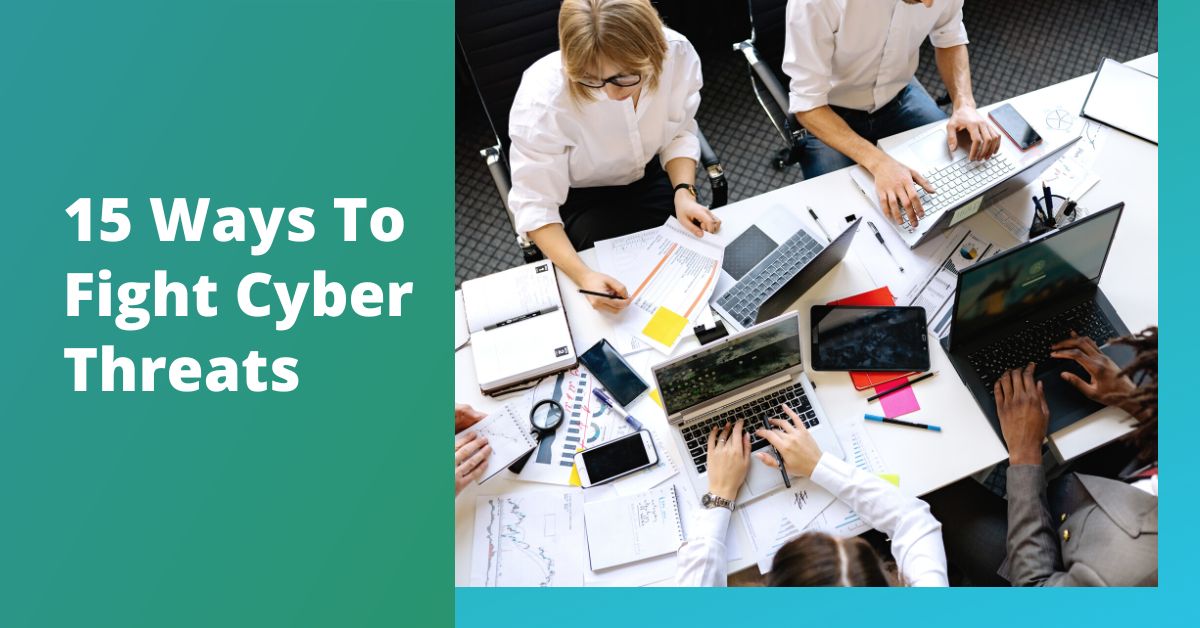
Lean security teams are a response to the growing pressure on organizations to optimize resources while maintaining a strong security posture. These teams are designed to be agile, efficient, and focused on delivering maximum impact with minimal overhead. They differ significantly from traditional, larger security teams, prioritizing strategic investments and streamlining operations to address the most critical security threats.Lean security teams achieve this efficiency by focusing on core competencies, leveraging automation, and outsourcing non-essential tasks.
They typically operate with a smaller staff, relying on shared responsibilities and cross-functional collaboration to ensure comprehensive coverage. This approach allows for a quicker response to emerging threats and a more agile adaptation to changing security landscapes.
Defending lean security teams against evolving cyber threats requires a multifaceted approach. Understanding specific vulnerabilities, like those detailed in the Azure Cosmos DB Vulnerability Details , is crucial. Knowing the specifics of these exposures allows teams to prioritize patching and preventative measures, ensuring a robust defense against potential breaches. This proactive approach is key for lean teams to maintain security posture effectively.
Characteristics of a Lean Security Team
Lean security teams are characterized by several key distinctions from their larger counterparts. These distinctions allow them to be more effective and responsive. A lean security team is often characterized by a smaller workforce, requiring individuals to wear multiple hats and be proficient in a broader range of security functions.
- Smaller Workforce: Lean security teams often have a smaller headcount, meaning individuals are responsible for handling a wider range of tasks.
- Prioritized Responsibilities: A lean security team prioritizes the most critical security threats and risks. Focus is on the greatest impact, rather than broad coverage of all potential vulnerabilities.
- Automation and Technology: Automation and advanced technologies are heavily utilized to streamline tasks, reduce manual effort, and increase efficiency. This can include tools for threat detection, incident response, and vulnerability management.
- Outsourcing and Partnerships: Non-core security functions may be outsourced or partnerships established with external providers, leveraging their expertise while maintaining control over critical security aspects.
Specific Roles and Responsibilities
The roles and responsibilities within a lean security team are often fluid and adaptable. Individuals are expected to possess a diverse skillset, allowing them to handle multiple functions as needed.
- Security Analyst: This role encompasses a broad range of tasks, including threat detection, incident response, vulnerability assessment, and security monitoring. The analyst is expected to be proficient in various security tools and techniques.
- Security Engineer: Responsible for implementing and maintaining security infrastructure, including firewalls, intrusion detection systems, and other security technologies. They also often handle security automation and orchestration.
- Security Manager/Leader: Oversees the security team, defines priorities, and manages the budget. This role is often responsible for strategic planning and relationship management with other teams.
Advantages and Disadvantages of Lean Security Teams
Lean security teams offer distinct advantages and disadvantages that need careful consideration. The benefits often outweigh the challenges when properly implemented and managed.
- Advantages: Agility, cost-effectiveness, and focus on strategic priorities are significant advantages. Rapid response times to threats and adaptability to changing environments are also key benefits.
- Disadvantages: The smaller workforce can lead to increased workload and stress on individuals. The potential for gaps in expertise and a reliance on automation and external partners also pose challenges. Careful planning and team structure are necessary to mitigate these risks.
Comparison of Lean and Traditional Security Teams
The following table highlights the key differences between lean and traditional security teams.
| Feature | Lean Security Team | Traditional Security Team |
|---|---|---|
| Resources | Limited, focused on core competencies. | Extensive, covering a broader range of functions. |
| Skills | Highly versatile, multi-skilled individuals. | Specialized roles, deep expertise in specific areas. |
| Responsibilities | Broader range of tasks, often overlapping. | More clearly defined and specialized roles. |
| Focus | Strategic priorities, critical threats. | Comprehensive security coverage. |
Identifying Cyber Threats Facing Lean Security Teams

Lean security teams, often tasked with extensive responsibilities with limited resources, face a unique set of cyber threats. These threats are often different in nature and impact compared to those faced by larger, more established security teams. Understanding these specific vulnerabilities is crucial for developing effective defense strategies.The unique challenges of lean security teams stem from resource constraints, which can lead to vulnerabilities in various aspects of security operations.
These teams often have to prioritize limited resources and time, leading to gaps in coverage and detection. This can make them more susceptible to certain types of attacks than larger, more fully-resourced teams.
Common Cyber Threats Targeting Lean Teams
Lean security teams face a range of cyber threats, some of which are amplified by their resource limitations. These threats can range from phishing attacks to sophisticated supply chain compromises. A crucial aspect of understanding these threats is recognizing the potential for attackers to exploit these limitations.
- Phishing attacks are a common threat vector, leveraging social engineering tactics to gain access to sensitive information or credentials. Lean teams, often with fewer resources for security awareness training, are particularly vulnerable to phishing scams. Examples include targeted spear-phishing campaigns designed to exploit the specific personnel and vulnerabilities of the lean team.
- Supply chain attacks target vulnerabilities in third-party vendors or software, which can be especially detrimental to lean teams. Smaller organizations often rely on fewer vendors, potentially exposing them to greater risk in the event of a supply chain breach. A critical vulnerability often lies in the lack of visibility and control over the supply chain, leading to a larger impact.
- Ransomware attacks pose a significant threat to any organization, but lean security teams might lack the resources to quickly recover from such an incident. This can result in significant downtime and financial losses, which can be devastating for smaller organizations.
- Malware infections, such as ransomware or spyware, can compromise systems and data, potentially leading to significant financial losses and reputational damage. Lean security teams may have limited resources for timely detection and response, which can exacerbate the impact of a malware infection.
Vulnerabilities Associated with Lean Teams
Lean security teams often face vulnerabilities that stem from resource limitations. These vulnerabilities can be exploited by attackers, potentially leading to significant security breaches.
- Limited staff: Smaller teams often have fewer personnel to cover various security tasks, leading to a lack of redundancy and coverage in different areas. This lack of personnel can lead to increased workload for individual team members, potentially increasing the chance of human error and oversight.
- Inadequate tools and technology: Lean teams may not have access to the advanced security tools and technologies used by larger organizations. This can limit their ability to detect and respond to emerging threats. This results in relying on basic tools and limited security controls, making the detection and response to sophisticated threats much harder.
- Reduced security awareness training: Limited resources may restrict the ability to provide comprehensive security awareness training to employees. This lack of training can lead to increased susceptibility to social engineering attacks such as phishing and pretexting.
Attack Vectors Exploited Against Lean Teams
Attackers often target the vulnerabilities of lean security teams using various attack vectors.
- Social engineering: Leveraging human psychology to manipulate individuals into divulging sensitive information, such as credentials or access codes, is a common attack vector. This is particularly effective against lean teams with limited security awareness training.
- Exploiting weak or default passwords: Many organizations, including lean security teams, might reuse passwords across multiple systems, creating an easy target for attackers. A critical aspect of vulnerability in lean teams is the potential for poor password management practices.
- Unpatched systems: Failure to patch vulnerable systems promptly can provide attackers with entry points into the organization’s network. Limited resources for patching can increase the vulnerability of lean teams.
Threat Frequency and Impact Comparison
The frequency and impact of cyber threats on lean security teams can differ significantly from those faced by larger teams. Smaller teams often experience a higher frequency of lower-impact threats, but these can accumulate and lead to significant problems.
| Cyber Threat | Potential Impact on Lean Teams | Typical Mitigation Strategies |
|---|---|---|
| Phishing | Data breaches, credential compromise, malware infections | Security awareness training, phishing simulations, strong password policies |
| Supply chain attacks | Compromised systems, data breaches, financial losses | Vendor risk assessment, secure configuration management, multi-factor authentication |
| Ransomware | Data loss, system downtime, financial losses | Regular backups, robust incident response plan, vulnerability assessments |
| Malware infections | System compromise, data exfiltration, financial losses | Antivirus software, intrusion detection systems, security information and event management (SIEM) |
Prioritizing Threat Mitigation Strategies
Lean security teams often face the challenge of limited resources and time. Prioritizing threats is crucial for maximizing impact and preventing costly breaches. Effective prioritization ensures that the most critical vulnerabilities are addressed first, minimizing potential damage and maximizing the return on investment of security efforts.Threat prioritization is not a one-size-fits-all process. It requires a thorough understanding of the organization’s specific assets, potential threats, and the overall security posture.
The process must also be flexible and adaptable to changing circumstances. This includes updating the assessment regularly to reflect evolving threat landscapes and emerging vulnerabilities.
Risk Assessment Methodology for Lean Security Teams
A robust risk assessment methodology is essential for prioritizing threats. This involves systematically evaluating the likelihood and impact of various cyber threats. A structured approach ensures consistency and objectivity in the process, leading to more effective mitigation strategies. The goal is to quantify and qualify risks to enable data-driven decisions.
Assessing the Risk Level of Cyber Threats
Assessing the risk level of cyber threats involves evaluating both the likelihood of an attack occurring and the potential impact if it does. This dual assessment provides a comprehensive understanding of the potential harm associated with each threat. A high likelihood of a threat paired with a high impact necessitates immediate attention and prioritization.
Prioritizing Mitigation Strategies Based on Risk Assessment
Prioritization of mitigation strategies is directly tied to the risk assessment results. Mitigation strategies should be targeted at threats with the highest combined likelihood and impact scores. This approach ensures that resources are allocated to the most critical areas, maximizing the return on investment for the security team.
Threat Intelligence in Prioritization, How to defend lean security teams against cyber threats
Threat intelligence plays a vital role in enhancing the effectiveness of threat prioritization. By incorporating information about emerging threats, attack vectors, and adversary tactics, lean security teams can refine their risk assessments and adjust mitigation strategies proactively. This dynamic approach ensures that security efforts remain aligned with the latest threat landscape.
Defending lean security teams against cyber threats requires a multifaceted approach. Prioritizing proactive security measures, like robust incident response plans, is crucial. Thankfully, the Department of Justice Offers Safe Harbor for MA Transactions here , offering a potential avenue for organizations to strengthen their security posture and reduce the impact of potential cyber incidents. Ultimately, a well-rounded approach, combining proactive strategies with relevant legal frameworks, is key for lean security teams to effectively mitigate cyber threats.
Risk Assessment Methodology Table
| Threat | Likelihood (1-5, 1=Low, 5=High) | Impact (1-5, 1=Low, 5=High) | Risk Score (Likelihood x Impact) | Mitigation Priority |
|---|---|---|---|---|
| Phishing Attacks | 4 | 3 | 12 | High |
| Malware Infections | 3 | 4 | 12 | High |
| Denial-of-Service Attacks | 2 | 2 | 4 | Medium |
| SQL Injection | 1 | 5 | 5 | High |
| Insider Threats | 2 | 5 | 10 | High |
Scoring Criteria: Likelihood scores reflect the probability of an event occurring, while impact scores represent the potential damage if the event occurs.Risk thresholds should be defined based on organizational needs and resources.
Implementing Effective Security Controls
Lean security teams often face resource constraints, making it crucial to implement cost-effective security controls that maximize impact. This requires a strategic approach, prioritizing controls that address the most critical vulnerabilities and leverage automation where possible. A focus on prevention and early detection, combined with efficient incident response, is vital for maintaining security posture despite limited resources.Implementing robust security controls is not about simply installing tools, but about integrating them into the existing workflow.
This means understanding the team’s capabilities and limitations, and tailoring controls to align with those factors. The goal is to establish a layered defense strategy, with each control complementing others to mitigate the broadest range of threats.
Cost-Effective Security Controls for Lean Teams
Lean security teams need controls that offer maximum value for the investment. This involves a shift in mindset, focusing on solutions that provide comprehensive coverage without excessive overhead. Instead of relying solely on expensive, full-featured solutions, lean teams should prioritize controls that offer a combination of broad coverage, scalability, and ease of integration.
Examples of Augmenting Limited Resources
Several tools and technologies can significantly enhance the capabilities of lean security teams. Security information and event management (SIEM) solutions, for instance, can consolidate logs from various sources, enabling better threat detection and analysis. Open-source security tools, like Snort or Wazuh, can provide robust intrusion detection and prevention capabilities without hefty licensing costs. Cloud-based security platforms often offer pay-as-you-go models, making them adaptable to fluctuating resource needs.
Comparing and Contrasting Security Control Options
Different security controls cater to different needs. For example, firewalls offer network-level protection, while intrusion detection systems (IDS) monitor network traffic for malicious activity. Endpoint detection and response (EDR) solutions focus on protecting individual devices, while security awareness training empowers users to be the first line of defense. A lean team should carefully evaluate each option based on its specific threat landscape and resources.
Automation and Orchestration in Lean Security Operations
Automation and orchestration are critical for lean security teams. Automating repetitive tasks, such as vulnerability scanning or incident response workflows, frees up valuable time for more strategic activities. Orchestration platforms allow for the seamless integration of various security tools, streamlining processes and improving incident response times. This enables lean teams to achieve a higher level of efficiency and effectiveness.
Security Control Framework for Lean Teams
| Control | Description | Example Tools/Technologies | Implementation Steps |
|---|---|---|---|
| Network Security | Protecting the network perimeter from unauthorized access and malicious traffic. | Firewall (e.g., pfSense), Intrusion Detection System (e.g., Snort) | Configure firewall rules, implement IDS, monitor logs regularly. |
| Endpoint Security | Protecting individual devices from malware and other threats. | Endpoint Detection and Response (EDR) solutions (e.g., CrowdStrike Falcon), Antivirus | Deploy EDR agent, configure policies, regularly scan endpoints. |
| Security Awareness Training | Educating users about security risks and best practices. | Security awareness training platforms (e.g., KnowBe4) | Develop and deliver training programs, track completion and knowledge retention. |
| Vulnerability Management | Identifying and mitigating security vulnerabilities. | Vulnerability scanners (e.g., Nessus, OpenVAS) | Regularly scan systems, prioritize and remediate identified vulnerabilities. |
Implementing a robust security control framework tailored to lean teams is a continuous process. Regular review and adaptation are essential for staying ahead of emerging threats.
Building a Culture of Security Awareness
Lean security teams, by their very nature, often operate with limited resources. This necessitates a strong emphasis on security awareness training and a culture of vigilance to compensate for the lack of sheer numbers. A security-conscious team is a resilient team, prepared to proactively identify and respond to potential threats. This approach is crucial for effectively mitigating risks within the organization.Security awareness isn’t just about ticking boxes; it’s about instilling a mindset of caution and responsibility within every team member.
It’s about empowering individuals to recognize and report potential vulnerabilities, thereby strengthening the overall security posture of the organization. This proactive approach is paramount for lean security teams, who often need to leverage the collective vigilance of all team members.
Importance of Security Awareness for Lean Teams
A robust security awareness program is essential for lean security teams. It allows them to leverage the collective intelligence and vigilance of all personnel, acting as a crucial extension of limited resources. This proactive approach is particularly important in environments with fewer dedicated security personnel.
Methods for Training and Educating Lean Security Team Members
Training should be frequent, engaging, and tailored to the specific roles and responsibilities of each team member. This ensures that the training is relevant and impactful. A mix of interactive modules, simulated phishing attacks, and real-world case studies are essential elements of a comprehensive program.
Examples of Interactive Training Materials
Interactive simulations are highly effective for teaching security best practices. For instance, a simulated phishing attack can illustrate the dangers of clicking on suspicious links. A quiz on identifying malicious software can help users recognize common threats. Interactive modules with scenarios can allow for hands-on practice, ensuring understanding and retention. Furthermore, gamification can make learning more engaging and fun.
Comprehensive Security Awareness Program for Lean Teams
A comprehensive program should include:
- Regular Training Modules: These modules should cover topics such as phishing awareness, password security, social engineering tactics, and the recognition of malicious software. Each module should include interactive elements, quizzes, and practical exercises. For example, a module on password security could involve a practical exercise on creating strong passwords, followed by a quiz to assess their understanding.
- Simulated Phishing Attacks: These simulated attacks are a critical component for assessing the effectiveness of training. They help identify vulnerabilities in user behavior and provide opportunities for improvement. Carefully designed scenarios can illustrate how to identify and report suspicious emails.
- Regular Security Audits: These audits should identify gaps in knowledge and highlight areas needing further training. Audits can be conducted via quizzes, questionnaires, and follow-up sessions.
- Security Awareness Champions: Designate team members to act as security awareness champions. These champions can be responsible for spreading knowledge and reinforcing best practices within the team. Champions can be used to lead discussions on relevant security topics and provide support to their colleagues.
Fostering a Security-Conscious Culture
Creating a security-conscious culture requires more than just training. It necessitates a clear communication strategy that fosters a shared understanding of security risks. A culture of open communication, where employees feel comfortable reporting suspicious activity, is critical.
- Open Communication Channels: Establishing clear channels for reporting security incidents or concerns is essential. This can include designated email addresses, reporting tools, or even dedicated security officers.
- Incentivize Security Awareness: Acknowledge and reward employees for demonstrating a proactive approach to security. This could involve recognizing employees who identify and report security threats or participate in training actively.
- Regular Feedback Sessions: Regularly discuss security concerns and best practices. This can be facilitated by informal meetings or dedicated sessions. These sessions provide opportunities for open dialogue and a chance to address concerns. This demonstrates a commitment to the team’s well-being and security awareness.
Utilizing External Resources and Partnerships: How To Defend Lean Security Teams Against Cyber Threats
Lean security teams often lack the resources and expertise to address every potential cyber threat. This necessitates a strategic approach that leverages external partnerships and resources to augment internal capabilities. Effective partnerships can provide access to specialized tools, expert knowledge, and broader threat intelligence, ultimately strengthening the security posture.
Importance of External Partnerships
External partnerships are crucial for lean security teams. They allow for a more comprehensive security strategy by filling skill gaps, sharing threat intelligence, and providing access to advanced technologies. Lean teams can focus on core competencies while external partners handle specialized areas, resulting in a more robust and cost-effective approach to cybersecurity.
Types of Security Partnerships and Their Benefits
Various partnerships can bolster a lean security team. Managed security service providers (MSSPs) offer proactive threat detection and response, reducing the burden on internal teams. Security information and event management (SIEM) vendors provide advanced threat intelligence and analysis tools. Industry-specific security consultants provide specialized expertise in addressing industry-unique threats and compliance requirements. Threat intelligence providers offer crucial data on emerging threats, allowing for proactive mitigation strategies.
Defending lean security teams against today’s cyber threats requires a proactive approach. One crucial element is bolstering your defenses by proactively implementing tools like those discussed in Deploying AI Code Safety Goggles Needed , which can significantly enhance code security. Ultimately, a layered approach combining innovative tools with well-trained personnel is key to safeguarding against sophisticated cyberattacks.
Identifying and Engaging with Security Partners
Identifying suitable security partners requires careful evaluation. Researching vendor reputations, security certifications, and client testimonials is essential. Consider factors like service level agreements (SLAs), pricing models, and communication protocols. Engage in preliminary discussions to assess compatibility and alignment with the team’s security objectives.
Potential External Security Partners
| Partner Type | Services Offered | Cost Considerations |
|---|---|---|
| Managed Security Service Provider (MSSP) | 24/7 monitoring, threat detection, incident response, vulnerability management | Subscription-based fees, often tiered based on service level |
| Security Information and Event Management (SIEM) Vendor | Centralized log management, threat correlation, security analytics | Subscription fees, hardware costs, implementation and training |
| Security Consulting Firm | Penetration testing, vulnerability assessments, security architecture design | Hourly rates, project-based fees, potential for retainer agreements |
| Threat Intelligence Provider | Threat feeds, research reports, security advisories | Subscription-based fees, varying by data quality and depth |
| Industry-Specific Security Consultants | Compliance audits, industry-specific threat analysis, security training | Hourly rates, project-based fees, potentially tailored to organization needs |
Outsourcing Strategies for Lean Security Teams
Outsourcing specific security tasks can significantly reduce the workload on lean teams. This includes tasks like incident response, vulnerability management, and penetration testing. A hybrid approach, combining internal expertise with outsourced services, can be particularly beneficial. A phased approach to outsourcing can help teams transition gradually, ensuring a smooth integration of external resources. Outsourcing incident response, for instance, allows internal teams to focus on proactive security measures and long-term strategy.
Careful selection of external partners ensures that security standards are maintained.
Monitoring and Responding to Incidents
Lean security teams often face resource constraints, making proactive monitoring and swift incident response crucial. Effective incident handling minimizes damage and maintains trust. This section Artikels strategies for lean teams to proactively monitor systems, respond rapidly to threats, and establish robust incident response plans.Proactive monitoring is paramount to identify potential threats before they escalate. This approach allows lean security teams to focus on mitigating vulnerabilities, rather than reacting to full-blown incidents.
Rapid incident response, in turn, limits the impact of breaches and reduces recovery time.
Incident Response Strategies for Lean Security Teams
Lean security teams must prioritize incident response strategies that maximize efficiency and effectiveness with limited resources. A key strategy is to develop a clear, concise incident response plan, encompassing roles and responsibilities. This ensures that everyone knows their part in the process.
Methods for Proactive Monitoring of Security Systems
Proactive monitoring of security systems is vital for early threat detection. This involves continuous monitoring of logs, network traffic, and system configurations. Tools for monitoring include security information and event management (SIEM) systems, intrusion detection/prevention systems (IDS/IPS), and network monitoring tools. These tools help in identifying anomalies, suspicious activities, and potential threats.
Importance of Rapid Incident Response
Rapid incident response is essential for minimizing the impact of security breaches. The faster a team responds, the less time an attacker has to cause damage. Quick response often means quicker containment, minimizing the scope of the incident and limiting the damage. Real-world examples of successful rapid incident response highlight the importance of time-sensitive actions in cybersecurity.
Establishing an Incident Response Plan for a Lean Security Team
A lean security team’s incident response plan must be streamlined and focused. Define roles and responsibilities clearly. For instance, a single point of contact for initial incident reporting can expedite the response process. The plan should Artikel procedures for containment, eradication, recovery, and post-incident analysis. This ensures a structured and efficient response to any security incident.
Roles and Responsibilities
A lean security team often needs to assign broader responsibilities. A single individual may handle multiple roles, such as incident responder and security analyst. This might require more specialized training and skill development. Clear communication protocols are crucial.
Incident Response Tools and Techniques
Several tools and techniques can assist lean security teams. Open-source tools often provide valuable capabilities. For instance, using open-source security tools for log analysis can help identify patterns and potential threats. This can reduce reliance on expensive commercial solutions.
Example tools include:
- Open-source SIEM tools: These can provide a cost-effective way to monitor logs and events.
- Network monitoring tools: These tools allow continuous tracking of network traffic for anomalies.
- Basic IDS/IPS tools: While advanced features may be limited, these can help detect basic attacks.
- Scripting and automation: Automating repetitive tasks can significantly improve efficiency.
Continuous Improvement and Adaptation
Lean security teams, by their very nature, require a dynamic approach to threat mitigation. Static security postures are quickly outdated in the ever-evolving cyber landscape. Continuous improvement is not just a desirable trait; it’s a fundamental necessity for survival in today’s threat environment. Adapting to new vulnerabilities and emerging threats requires a proactive, data-driven approach.
The Imperative of Continuous Evaluation
Effective security controls require constant monitoring and reevaluation. A system that worked flawlessly last quarter might be woefully inadequate against the current threat landscape. Regular assessment and refinement are crucial to ensure that security measures remain relevant and effective. This iterative process ensures the team is always prepared for the next wave of attacks.
Methods for Evaluating Security Control Effectiveness
Regular audits, penetration testing, and vulnerability assessments are vital tools for evaluating security control effectiveness. These assessments should not be viewed as one-off events but rather as ongoing processes. The results of these tests should be used to identify weaknesses and areas needing improvement. Detailed reporting and analysis of findings are critical for actionable insights.
Metrics for Measuring Security Performance
Quantifiable metrics provide a clear picture of the security posture. Key performance indicators (KPIs) such as the number of vulnerabilities discovered, the time taken to respond to incidents, and the rate of successful security breaches can be valuable tools for tracking progress and identifying trends. The use of these metrics should be tailored to the specific needs and context of the organization.
For example, a small business might focus on the average time to resolve a security incident, while a large enterprise might prioritize the rate of successful penetration tests.
| Metric | Description | Example |
|---|---|---|
| Vulnerability Resolution Time | Time taken to address discovered vulnerabilities. | Reducing the time taken to patch critical vulnerabilities from 30 days to 7 days. |
| Incident Response Time | Time taken to contain and resolve security incidents. | Reducing the average incident response time from 24 hours to 12 hours. |
| Security Awareness Training Completion Rate | Percentage of employees completing security awareness training. | Increasing the completion rate from 70% to 95%. |
| Security Incident Rate | Frequency of security incidents. | Reducing the number of phishing attempts reported by 15%. |
Developing a Dynamic Security Strategy
A framework for regularly reviewing and updating security strategies is essential. This involves establishing a clear process for analyzing threat intelligence, identifying emerging threats, and adapting security policies and procedures accordingly. Regular security meetings should be scheduled to discuss recent threats and vulnerabilities and the impact on current security controls. This iterative process allows the team to proactively address evolving threats and remain one step ahead.
Adapting to New Vulnerabilities and Emerging Threats
Staying ahead of the curve requires a proactive approach to threat intelligence. Security teams should be equipped with the resources and training to analyze threat intelligence reports and understand how new vulnerabilities might affect their organization. This requires continuous learning and adaptation of security practices to address new vulnerabilities and threats. For example, if a new zero-day exploit emerges, the team needs to rapidly adapt their security controls and incident response procedures to mitigate the risk.
Closure
In conclusion, safeguarding lean security teams against cyber threats requires a proactive and adaptable approach. By understanding their unique vulnerabilities, prioritizing mitigation strategies, and leveraging available resources, lean teams can significantly enhance their security posture. This guide provides a roadmap to effectively defend against cyber threats, ensuring that lean security teams are equipped to protect their organizations from evolving threats.
Popular Questions
What are the most common cyber threats targeting lean security teams?
Common threats include phishing attacks, malware infections, and ransomware, often amplified by limited resources for threat detection and response. Social engineering tactics are also particularly effective against lean teams due to potential staffing shortages.
How can lean security teams prioritize threat mitigation strategies?
Risk assessment is key. Teams should evaluate the likelihood and impact of various threats, focusing on those with the highest potential damage. Consider using a scoring system to prioritize actions based on risk levels.
What are some cost-effective security controls for lean teams?
Leverage security awareness training, multi-factor authentication, strong passwords, and regularly updated antivirus software. Consider automated security tools that can augment limited resources. Also, explore open-source security tools for cost-effectiveness.
How important are external partnerships for lean security teams?
Partnerships with managed security service providers (MSSPs) or security consultants can provide crucial expertise and resources that lean teams may lack internally. This is especially true for incident response and threat intelligence.