How to Make Threat Intelligence Practical
How to make threat intelligence practical for your organization is crucial in today’s complex digital landscape. This guide dives deep into transforming raw threat data into actionable insights, empowering your team to proactively address potential risks. We’ll explore defining your needs, sourcing intelligence, analyzing data, disseminating it effectively, and building a sustainable threat intelligence program.
From identifying specific threats to leveraging tools and fostering a proactive security culture, this comprehensive approach ensures your organization is prepared for evolving cyber threats. We’ll also examine practical applications, like improving security posture and informing incident responses, ultimately fortifying your defenses against sophisticated attacks.
Defining Threat Intelligence Needs

Threat intelligence is no longer a luxury but a necessity for modern organizations. Understanding the potential threats and risks facing your business is crucial for proactive security measures and informed decision-making. This section focuses on defining those needs, differentiating potential threats from actual risks, and aligning intelligence with your organization’s strategic goals.Effective threat intelligence requires a clear understanding of your organization’s vulnerabilities, objectives, and potential attack vectors.
This involves a comprehensive assessment of current and future threats, and how they might impact different departments. The key is not just gathering information, but using that information to make tangible improvements in your security posture.
Identifying Specific Threat Intelligence Needs
Understanding your organization’s specific threat intelligence needs is the first step towards a robust security strategy. This involves a detailed analysis of your assets, processes, and operational procedures, identifying potential entry points for malicious actors.
- Asset Inventory: Cataloging all critical assets, including hardware, software, data, and personnel, is fundamental. This includes understanding the sensitivity and value of each asset, to prioritize those most at risk. For instance, customer data, intellectual property, and financial records are typically high-value targets.
- Process Analysis: Mapping out key business processes, and the data flow within them, helps identify vulnerabilities. Consider how these processes could be disrupted by cyberattacks, and what the impact would be on the organization.
- Operational Procedures: Evaluating current security policies and procedures helps pinpoint areas needing improvement. Examine existing response plans and ensure they are up-to-date and relevant.
Differentiating Threats from Risks
Not all threats are equal risks. A sophisticated cyberattack targeting a critical infrastructure may be a serious threat, but if your organization does not rely on that infrastructure, it presents a low risk.
- Threat Assessment: A threat is any potential danger, a possible event that could cause harm to the organization. These could include malware, phishing campaigns, or insider threats.
- Risk Assessment: A risk is a threat that has the potential to cause harm to the organization. The assessment considers the probability and impact of the threat, weighing the potential consequences against the likelihood of the event occurring.
- Prioritization: Focus on threats that have a high probability of occurring and a high impact on the organization. Prioritizing these threats allows for a more targeted and effective intelligence gathering and response strategy.
Aligning Threat Intelligence with Business Objectives
Threat intelligence must be aligned with your organization’s business objectives and strategies to be truly effective. This ensures that intelligence gathering is focused on areas that directly impact the success of the organization.
- Strategic Alignment: Integrate threat intelligence into your strategic planning process. Identify how intelligence can support achieving business goals and proactively mitigate risks.
- Key Performance Indicators (KPIs): Establish metrics to measure the effectiveness of threat intelligence initiatives. Tracking key metrics allows for evaluating and adjusting intelligence strategies over time.
- Communication & Collaboration: Establish clear communication channels and collaboration protocols between security, operations, and other departments.
Benefits for Different Departments
Threat intelligence provides value to various departments within an organization.
| Department | Potential Benefits |
|---|---|
| Security | Proactive threat hunting, vulnerability management, incident response planning. |
| Operations | Optimized resource allocation, improved service delivery, reduced downtime. |
| Compliance | Meeting regulatory requirements, reducing the risk of penalties and legal action. |
Intelligence Needs Template
A template for documenting current and future intelligence needs should include the following:
- Asset details: List all critical assets and their sensitivity levels.
- Threat landscape analysis: Describe the current threat landscape and potential future threats.
- Risk assessment: Quantify the probability and impact of identified threats.
- Desired intelligence: Specify the types of information needed to mitigate risks.
- Data sources: Identify sources of current and future intelligence.
- Timeline: Set deadlines for gathering and analyzing intelligence.
Sourcing and Gathering Intelligence
The foundation of any effective threat intelligence program lies in the ability to collect and analyze relevant information. This involves a proactive approach to understanding potential threats, rather than simply reacting to incidents. Effective intelligence gathering provides crucial context for risk assessment and proactive security measures.
Methods for Collecting and Aggregating Threat Intelligence Data
Various methods exist for collecting threat intelligence, ranging from automated systems to manual research. These methods can be categorized as active and passive, depending on the level of interaction with potential threat actors or sources. Active methods often involve direct engagement with data sources, whereas passive methods primarily involve observing and monitoring. A balanced approach combining both is generally the most effective.
Data aggregation involves consolidating information from multiple sources, improving the overall picture of potential threats.
The Role of Open-Source Intelligence (OSINT) in Threat Intelligence
Open-source intelligence (OSINT) plays a vital role in threat intelligence. It leverages publicly available information from various sources to identify potential threats and vulnerabilities. This includes news articles, social media posts, forums, and dark web communities. OSINT can provide valuable insights into attacker tactics, techniques, and procedures (TTPs) and help in identifying emerging threats. By analyzing this data, security teams can better understand attacker motivations, target preferences, and operational capabilities.
Evaluating the Reliability and Validity of Intelligence Sources
Evaluating the reliability and validity of intelligence sources is crucial for ensuring the accuracy and effectiveness of threat intelligence. Factors to consider include the source’s reputation, its history of accuracy, and the potential biases it might hold. The source’s methodology should also be scrutinized. Assessing the credibility of an intelligence source is akin to evaluating the trustworthiness of any information; it’s a critical step to prevent misinformation from impacting security decisions.
A well-established pattern of accurate reporting significantly strengthens a source’s credibility.
Potential Intelligence Sources
A comprehensive list of intelligence sources includes a variety of data points.
Turning threat intelligence into actionable steps for your organization requires a practical approach. For instance, understanding recent vulnerabilities, like the ones detailed in Azure Cosmos DB Vulnerability Details , is crucial. This knowledge helps you prioritize patching and implement security measures tailored to your specific environment. Ultimately, making threat intelligence useful means focusing on the direct impact on your systems and resources.
- Security feeds from security information and event management (SIEM) systems and security vendors provide real-time threat alerts and indicators of compromise (IOCs).
- Industry reports from security researchers and analysts offer insights into emerging threats and vulnerabilities.
- Threat intelligence platforms provide curated threat intelligence feeds from various sources, offering a consolidated view of threats.
- Social media platforms, forums, and other online communities often reveal insights into attacker intentions, discussions about exploits, and planned attacks.
- News articles and blogs provide updates on current events and threats, offering context to emerging events.
- Dark web forums and marketplaces offer insights into attacker tools, tactics, and discussions.
- Government agencies and law enforcement agencies often release threat advisories and bulletins.
Filtering and Prioritizing Intelligence Information
Filtering and prioritizing intelligence information is essential for focusing on the most relevant and actionable data. This involves establishing criteria based on the organization’s specific needs and risk tolerance. A well-defined framework will determine the most critical threat intelligence. Filtering allows teams to focus on information that directly impacts their operations. Prioritization ensures that the most critical threats are addressed first, based on factors such as likelihood, impact, and urgency.
Prioritization also allows organizations to respond proactively to threats rather than reacting to incidents. Organizations should implement a robust framework that allows for ongoing evaluation and refinement of the prioritization process to remain relevant in a constantly evolving threat landscape.
Analyzing and Interpreting Intelligence
Turning raw threat intelligence into actionable insights is crucial for any organization’s security posture. This stage transforms the collected data into a usable format, identifying potential risks and enabling proactive security measures. Effective analysis involves a structured process, recognizing patterns, and understanding the context behind the data. This step empowers security teams to prioritize threats and implement appropriate defenses.The process of analyzing and interpreting threat intelligence goes beyond simply identifying attacks; it’s about understanding the
- why* and
- how* behind them. This understanding is vital for preventing future incidents. It helps organizations tailor their security strategies to specific threats and develop mitigation plans.
Structured Analysis Process
A structured analysis process ensures consistency and efficiency in evaluating threat intelligence. It involves several key steps:
- Data Validation and Triage: This initial step involves scrutinizing the source and reliability of the intelligence. Assessing the validity of the data is paramount. Does the source have a history of accurate reporting? Are there any known biases or inaccuracies? This process determines the credibility and potential value of the threat information.
- Data Correlation and Pattern Recognition: This stage involves connecting different pieces of intelligence to identify patterns and trends. For example, if multiple organizations report similar phishing campaigns targeting a specific industry sector, this indicates a potential larger threat. The analysis looks for recurring themes, tactics, techniques, and procedures (TTPs) that might reveal a broader attack strategy.
- Contextualization and Impact Assessment: Understanding the context of the threat is critical. Factors like the organization’s specific assets, infrastructure, and vulnerabilities should be considered. What are the potential consequences of a successful attack? This stage involves analyzing the potential impact of a threat based on the organization’s critical systems and data. A simple phishing email could lead to data breaches, financial losses, or reputational damage.
- Threat Prioritization and Response Planning: Based on the analysis, threats are prioritized based on their potential impact and likelihood of occurrence. High-impact threats with a high probability of success receive immediate attention. This process involves developing mitigation strategies and incident response plans to address the identified threats. A well-defined response plan ensures that the organization is prepared to handle a potential incident efficiently and effectively.
Identifying Patterns and Trends
Analyzing threat intelligence requires the ability to identify patterns and trends in threat activity. This involves examining the frequency, location, and targets of attacks to discern commonalities. Sophisticated threat actors often follow predictable patterns in their attacks. For example, a group of attackers might target specific types of organizations or use particular malware variants in a coordinated campaign.
Importance of Context
Contextualizing threat intelligence is vital for accurate interpretation. A threat that seems insignificant in isolation might pose a significant risk within a specific organizational context. Understanding the organization’s infrastructure, vulnerabilities, and operational procedures is key. For instance, a specific vulnerability in a legacy system might make the organization particularly susceptible to a specific type of attack. The context of the vulnerability, combined with the attack vector, helps evaluate the severity of the threat.
Threat Intelligence Models and Frameworks
Threat intelligence models and frameworks provide a structured approach to analyzing and interpreting data. These models help organize information and ensure a consistent approach to threat analysis. Common models include MITRE ATT&CK, Diamond Model, and others. Using these frameworks helps to categorize threats, identify common techniques, and improve the effectiveness of security operations.
Assessing Potential Impact
Assessing the potential impact of identified threats involves evaluating the likelihood of a successful attack and the potential consequences. Consider factors such as the sensitivity of the targeted data, the potential financial losses, and the impact on reputation. Using a risk matrix to categorize threats based on likelihood and impact helps prioritize mitigation efforts. For example, a high-impact, high-likelihood threat would necessitate immediate action.
Disseminating and Acting on Intelligence
Transforming threat intelligence from a collection of data points into actionable insights requires a robust dissemination strategy. This phase is crucial; effectively communicating intelligence to the right people at the right time can significantly reduce the impact of potential threats. Without a well-defined process, valuable information can become buried or ignored, diminishing its overall effectiveness.A structured approach to disseminating and acting on intelligence ensures that relevant personnel are aware of emerging threats and can take appropriate preventative measures.
This involves not only conveying the information but also facilitating a prompt and informed response.
Establishing a Communication Process
Effective communication of threat intelligence requires a clearly defined process that identifies stakeholders, determines the appropriate communication channels, and sets clear escalation procedures. This process needs to be regularly reviewed and updated to maintain relevance and efficiency. A crucial aspect is establishing clear lines of communication and responsibility, ensuring that the right people receive the right information at the right time.
Tailoring Intelligence for Different Audiences
Different stakeholders require varying levels of detail and context. For example, a security analyst may need a more technical breakdown of a threat, while a C-suite executive might benefit from a high-level summary focusing on the potential business impact. This tailoring ensures the information is easily understood and actionable by each recipient.
Utilizing Communication Channels
Several methods can be employed to disseminate intelligence, each with its own strengths and weaknesses. Dashboards offer real-time visualization of threat data, enabling quick identification of trends and patterns. Reports provide detailed analyses of specific threats, enabling deeper understanding. Briefings offer opportunities for interactive discussion and question-and-answer sessions. A combination of these methods, tailored to the audience, can maximize the impact of intelligence.
- Dashboards: Real-time dashboards are invaluable for monitoring threat activity. These visual representations allow for immediate identification of emerging trends and potential vulnerabilities. Color-coded alerts and interactive graphs enhance understanding and prompt action. For instance, a dashboard could display the number of phishing attempts targeting the organization’s employees, allowing security teams to adjust their awareness campaigns accordingly.
- Reports: Detailed reports offer a comprehensive analysis of specific threats, including technical details, potential impact, and recommended mitigation strategies. These reports serve as crucial documentation and support informed decision-making. Regular reports on malware trends and attack vectors allow security teams to proactively update their defenses.
- Briefings: Briefings provide a platform for interactive discussions and Q&A sessions. They facilitate collaboration among security teams and other stakeholders, ensuring a shared understanding of the threat landscape. A briefing on a recent ransomware attack, for example, can involve discussions about incident response procedures and lessons learned.
Leveraging Automation
Automation plays a critical role in the dissemination and response to threat intelligence. Automated tools can automatically distribute relevant information to designated personnel, trigger security alerts, and even initiate remediation actions. This ensures that responses are timely and efficient, minimizing potential damage. For example, an automated system can flag a suspicious IP address and immediately block it from accessing the network.
Examples of Tailored Intelligence
Tailoring intelligence to specific audiences is paramount for maximizing its effectiveness. For instance, security analysts might receive detailed technical information on a specific exploit, while executives might receive a summary highlighting the potential financial losses and operational disruptions. By providing different levels of detail, organizations can ensure that the right people receive the appropriate information, enabling them to make informed decisions.
Establishing and Maintaining a Threat Intelligence Program
Building a robust threat intelligence program isn’t a one-time project; it’s an ongoing commitment that requires meticulous planning, dedicated resources, and a culture of vigilance. This program should be integrated into the organization’s overall security posture, not treated as an isolated function. Success hinges on consistent monitoring, adaptation, and evaluation to ensure relevance and effectiveness in the face of evolving threats.A well-structured threat intelligence program provides a proactive approach to security, enabling organizations to anticipate and mitigate risks before they materialize into damaging incidents.
This proactive stance is crucial in today’s complex threat landscape, where attackers are constantly innovating and exploiting vulnerabilities. It is vital to understand that the program should evolve alongside the evolving threat landscape, ensuring its continued value and relevance.
Key Steps for Creating a Comprehensive Program
A well-defined threat intelligence program requires a clear roadmap. This involves a series of steps that, when followed meticulously, establish a solid foundation for a robust and adaptable program. Crucially, the program must be tailored to the specific needs and context of the organization.
- Define Scope and Objectives: Clearly Artikel the program’s goals, target threats, and the types of intelligence needed. This includes identifying critical assets and processes that require protection and determining the level of detail required for each type of intelligence.
- Establish a Budget and Resources: Allocate sufficient funding for personnel, tools, and ongoing maintenance. This includes the cost of subscriptions to threat intelligence feeds, software licenses, and the salaries of dedicated personnel.
- Identify and Assign Roles and Responsibilities: Define roles and responsibilities for individuals and teams involved in collecting, analyzing, and disseminating intelligence. This ensures accountability and clarity of purpose within the program.
- Select and Integrate Tools: Choose the right tools for collecting, analyzing, and visualizing intelligence. This selection should be based on the organization’s needs, budget, and the type of data being gathered.
- Develop a Reporting Structure: Establish clear procedures for disseminating intelligence to relevant stakeholders. This reporting should be concise, actionable, and readily understandable by non-technical personnel.
Responsibilities of Individuals and Teams
Effective threat intelligence programs rely on a clear division of labor. Each team and individual needs to understand their role and how their efforts contribute to the overall goal of the program.
- Threat Intelligence Analyst: Responsible for collecting, analyzing, and interpreting intelligence data, providing actionable insights to the organization.
- Security Operations Center (SOC) Team: Responsible for responding to alerts based on threat intelligence, implementing security controls, and investigating incidents.
- Senior Management: Responsible for approving budgets, setting priorities, and ensuring alignment with organizational goals. They should also promote a security-conscious culture.
- IT/Network Teams: Responsible for implementing security controls suggested by threat intelligence analysis.
Monitoring and Updating the Program
Continuous monitoring and adaptation are essential to maintain the effectiveness of a threat intelligence program. The program needs to adapt to changing threats and vulnerabilities.
- Regular Program Reviews: Schedule regular reviews to assess the program’s effectiveness, identify areas for improvement, and ensure alignment with evolving threats.
- Feedback Mechanisms: Establish channels for receiving feedback from stakeholders on the quality and relevance of the intelligence provided. This could involve surveys, feedback forms, or regular meetings.
- Threat Landscape Analysis: Regularly analyze emerging threats and vulnerabilities to identify new risks and adapt the program accordingly.
Metrics for Evaluating Program Effectiveness
Using measurable metrics allows for quantifying the value and impact of the threat intelligence program.
- Number of Threats Identified: Track the number of threats identified through the intelligence program.
- Number of Security Incidents Prevented: Measure how many incidents were avoided due to actions taken based on intelligence.
- Time to Respond to Threats: Measure the time taken to respond to threats identified by the program.
- Stakeholder Satisfaction: Assess stakeholder satisfaction with the program’s output through surveys or feedback mechanisms.
Adapting to Changing Threats and Vulnerabilities
The threat landscape is constantly evolving, demanding a dynamic and adaptable threat intelligence program.
- Continuous Learning: Encourage continuous learning and development for personnel to stay abreast of emerging threats and vulnerabilities.
- Threat Hunting: Implement threat hunting activities to proactively identify and address threats that may not be captured by traditional security tools.
- Regular Updates: Update the program’s scope and methodologies as new threats and vulnerabilities emerge.
Practical Applications of Threat Intelligence
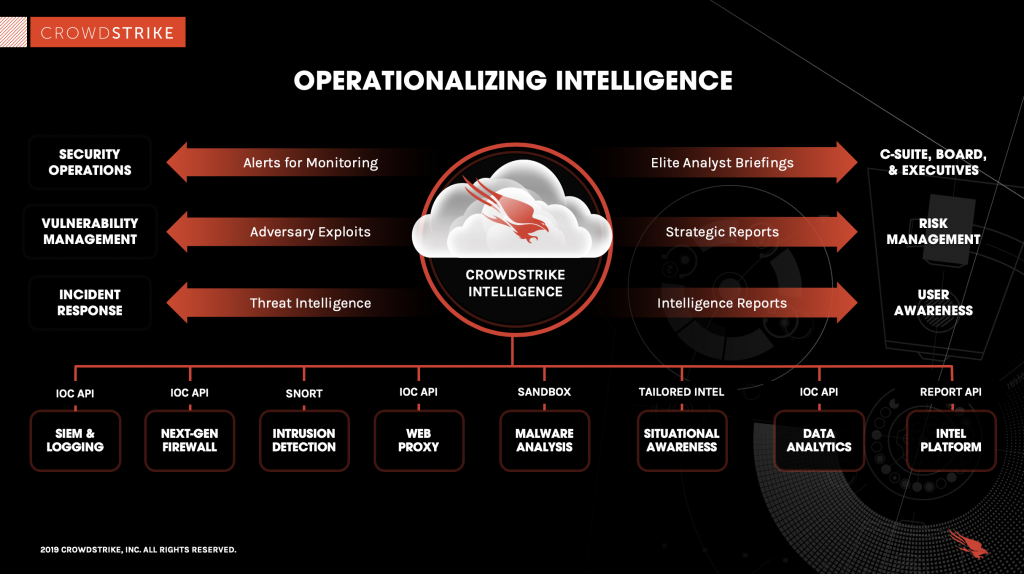
Threat intelligence is more than just a collection of data; it’s a powerful tool that can significantly enhance your organization’s security posture. By understanding the tactics, techniques, and procedures (TTPs) of potential adversaries, you can proactively address vulnerabilities and minimize the impact of security incidents. This section dives into practical applications, demonstrating how threat intelligence can be leveraged to improve incident response, vulnerability management, proactive security measures, and compliance efforts.
Improving Security Posture
Threat intelligence provides a crucial context for understanding the current threat landscape. Knowing the specific threats targeting your industry, geographic region, or even your specific company allows for more targeted security measures. For example, if threat intelligence reveals a surge in ransomware attacks targeting specific software versions, your organization can prioritize patching and security awareness training focused on that particular vulnerability.
This targeted approach is far more effective than a broad, generic security strategy.
Informing Incident Response Plans
Threat intelligence plays a critical role in incident response. By analyzing threat intelligence reports, organizations can anticipate potential attack vectors and develop specific incident response plans. If threat intelligence indicates a phishing campaign targeting a specific department or employee role, the incident response plan can include specific steps for mitigating the attack, such as email filtering, security awareness training, and rapid response protocols.
These pre-emptive measures significantly reduce the damage and recovery time in the event of an attack.
Strengthening Vulnerability Management
Threat intelligence is instrumental in enhancing vulnerability management. Instead of reacting to vulnerabilities after they’re discovered, organizations can proactively identify vulnerabilities that attackers are actively exploiting. This information can be used to prioritize patching efforts, implement security controls, and tailor security awareness training. For instance, if threat intelligence reveals that a particular software library has a critical vulnerability frequently exploited by attackers, your vulnerability management program can immediately prioritize patching that library across all affected systems.
Leveraging Threat Intelligence for Proactive Security Measures
Proactive security measures can be significantly enhanced by incorporating threat intelligence. Knowing the techniques and tools used by attackers allows for the development of more effective defenses. For example, if threat intelligence indicates that attackers are using a specific type of malware to compromise systems, your organization can implement intrusion detection systems that specifically identify and block that malware.
This proactive approach minimizes the risk of compromise and strengthens your overall security posture.
Contributing to Compliance Efforts
Threat intelligence can support compliance efforts by demonstrating proactive security measures. Compliance standards often require organizations to demonstrate their commitment to security. Threat intelligence provides evidence of these efforts by showcasing a comprehensive understanding of the threat landscape and implementing measures to mitigate risks. By tracking and analyzing threats targeting your industry, and demonstrating the proactive steps taken in response, you demonstrate a strong security posture that satisfies compliance requirements.
For example, if threat intelligence shows a recent increase in attacks exploiting weak passwords, you can implement multi-factor authentication, stronger password policies, and security awareness training to address this compliance requirement.
Tools and Technologies for Threat Intelligence
Arming your organization with effective threat intelligence requires the right tools. Choosing and integrating these tools into your existing security infrastructure is crucial for translating intelligence into actionable security measures. This section delves into various platforms and technologies, highlighting their capabilities and limitations, to aid in your selection process.Effective threat intelligence programs leverage specialized tools to collect, analyze, and disseminate crucial information.
Understanding the capabilities and limitations of different tools allows organizations to tailor their programs to their specific needs and resources.
Threat Intelligence Platforms
Various platforms offer a comprehensive suite of tools for threat intelligence. Choosing the right platform involves careful consideration of functionalities, integration capabilities, and cost. Platforms often combine data collection, analysis, and visualization into a single solution.
- Recorded Future: This platform is known for its vast repository of threat intelligence, including open-source data, threat actor profiles, and attack patterns. Its comprehensive search capabilities and visualization tools are powerful assets for identifying potential threats. Pros include its large database, allowing for deep investigation. Cons include the potential for information overload and high subscription costs. Integration with existing security information and event management (SIEM) systems can enhance threat detection.
- ThreatConnect: This platform offers a centralized hub for managing and analyzing threat intelligence. It supports the ingestion and correlation of data from various sources, enabling a unified view of threats. Pros include its versatility in integrating with various security tools and its ability to facilitate collaboration among teams. Cons include the potential learning curve for less technical users and the need for substantial setup and configuration.
Integration with existing security tools can streamline workflows and improve threat detection.
- AlienVault OSSIM: This platform combines threat intelligence capabilities with security information and event management (SIEM) features. It facilitates the collection, correlation, and analysis of security events and threat intelligence data. Pros include its integration with existing SIEM systems, allowing for a holistic view of security events. Cons include the complexity of configuration and potential performance issues with large datasets. Integration with other threat intelligence tools can broaden threat detection coverage.
Data Collection Tools
Effective threat intelligence relies on the timely and accurate collection of data from diverse sources. The appropriate selection of tools ensures that the intelligence is comprehensive and relevant.
- Open-source intelligence (OSINT) tools: Tools like Shodan and Maltego can be used to collect data from publicly available sources like websites, social media, and forums. These tools can provide valuable insights into attacker tactics and techniques, helping to predict and prevent future attacks. Pros include their accessibility and cost-effectiveness. Cons include the need for specialized expertise to effectively utilize them and the potential for misleading or inaccurate information.
Turning threat intelligence into actionable steps for your org can be tricky, but it’s crucial. Recent developments, like the Department of Justice’s new Safe Harbor policy for Massachusetts transactions, Department of Justice Offers Safe Harbor for MA Transactions , highlight the need for practical application. Understanding these legal nuances and how they impact your business is vital for building a robust threat intelligence program that protects your organization.
- Security Information and Event Management (SIEM) systems: SIEM systems are valuable for collecting security logs from various systems, such as firewalls, intrusion detection systems, and servers. These logs can provide insights into potential threats, such as suspicious user activity or malicious code. Pros include their ability to collect and analyze a wide range of security events. Cons include the complexity of setting up and configuring them, the potential for data overload, and the need for expertise in interpreting the collected data.
Analysis and Visualization Tools
Advanced analysis and visualization tools transform raw data into actionable intelligence.
- Security Information and Event Management (SIEM) tools: SIEM platforms typically include advanced correlation and analysis capabilities. Sophisticated SIEM systems often offer visualization tools to identify patterns and anomalies in security events. Pros include their integration with existing security infrastructure and ability to provide real-time analysis. Cons include the complexity of configuring and interpreting results.
- Threat intelligence visualization tools: These tools provide a graphical representation of threats, attack patterns, and threat actors. Visualizations make it easier to understand the relationships between different threats and their potential impact on the organization. Pros include improved understanding of threats, facilitating faster decision-making. Cons include the need for specialized skills to interpret the visualizations.
Building a Threat Intelligence Culture
A robust threat intelligence program isn’t just about collecting and analyzing data; it’s about embedding a security-conscious mindset throughout the entire organization. A strong security culture fosters proactive responses to threats, minimizing damage and maximizing the value of the intelligence gathered. This proactive approach stems from shared understanding, consistent communication, and a commitment to continuous improvement.A culture of threat awareness permeates all levels of the organization, driving individuals to think critically about potential risks and their impact.
This culture isn’t just about reacting to incidents; it’s about preventing them in the first place by encouraging vigilance and responsible behavior.
Establishing a Security-Conscious Culture, How to make threat intelligence practical for your organization
A security-conscious culture is built on shared understanding and a commitment to proactive threat management. This involves more than just training; it requires a shift in organizational mindset. Leaders must clearly communicate the importance of threat intelligence and its role in protecting the organization. Demonstrating the value of this intelligence through successful incident response and mitigation efforts further reinforces the culture.
Fostering Information Sharing
Open communication and information sharing are crucial for a successful threat intelligence program. Establishing clear channels for information flow between different teams is essential. This includes designating specific individuals or groups responsible for disseminating critical threat intelligence across the organization.
Turning threat intelligence into actionable steps for your org often hinges on practical application. One key area to consider is deploying AI tools, like those highlighted in Deploying AI Code Safety Goggles Needed , which can significantly enhance your security posture. By proactively identifying potential vulnerabilities in code, these tools translate threat intelligence into immediate, impactful improvements, ultimately making your organization more resilient to attacks.
- Establish a central repository for threat intelligence data, ensuring accessibility for authorized personnel. This centralized repository should be regularly updated with the latest information. This shared platform provides a single source of truth for everyone involved.
- Implement regular security briefings for all employees. These briefings should be tailored to the roles and responsibilities of each team, focusing on practical implications and the impact of threats on their daily work.
- Create dedicated communication channels, such as email lists or instant messaging groups, specifically for sharing threat intelligence updates. This allows for rapid dissemination of crucial information and reduces response times to emerging threats.
The Role of Training and Awareness Programs
Training and awareness programs are essential for embedding threat intelligence into the organization’s daily operations. These programs should be tailored to different roles, emphasizing practical applications and the impact of threats on their specific job functions.
- Regular security awareness training should be mandatory for all employees, covering topics like phishing scams, social engineering tactics, and the importance of reporting suspicious activities.
- Hands-on workshops and simulations can provide practical experience in identifying and responding to potential threats. This allows employees to practice applying threat intelligence knowledge in real-world scenarios.
- Tailored training programs should be developed for specific teams, such as IT staff, security personnel, and executive leadership. These programs should address the specific threats and risks relevant to each role.
Encouraging Collaboration and Communication
Collaboration and communication between different teams are vital for effective threat intelligence. This requires establishing clear communication channels and fostering a culture of teamwork.
- Cross-functional teams should be established to facilitate information sharing and collaboration. This structure will provide an opportunity for different teams to contribute insights and expertise.
- Regular meetings, such as security briefings and threat intelligence updates, should be scheduled to discuss current threats, share insights, and coordinate responses.
- Establish clear lines of communication and accountability for each team to ensure a unified response to any emerging threat.
Promoting Continuous Learning and Improvement
A threat intelligence program should be viewed as a dynamic process that requires continuous improvement. This includes regularly reviewing and updating threat intelligence practices, gathering feedback, and incorporating new technologies.
- Establish a process for collecting feedback from employees across different teams. This can be done through surveys, feedback forms, or regular discussions. Gathering feedback ensures the program remains relevant and effective.
- Conduct regular reviews of the threat intelligence program to identify areas for improvement and adapt to evolving threats. This will help in maintaining the program’s efficacy over time.
- Encourage continuous learning among personnel through the use of online resources, workshops, and external training opportunities. Staying up-to-date on the latest threat intelligence and emerging technologies is critical for effectiveness.
Final Review: How To Make Threat Intelligence Practical For Your Organization

In conclusion, implementing a robust threat intelligence program isn’t just about collecting data; it’s about transforming that data into tangible security improvements. By understanding your needs, sourcing reliable information, analyzing trends, and effectively communicating findings, your organization can proactively mitigate risks and build a stronger security posture. This guide provides a roadmap for practical application, empowering you to navigate the ever-changing threat landscape with confidence.
FAQ Section
What are some common mistakes organizations make when implementing threat intelligence?
Organizations often fail to align threat intelligence with their specific business objectives. Another common mistake is neglecting to establish clear communication channels and responsibilities. They also sometimes underestimate the need for continuous monitoring and adaptation to evolving threats.
How often should threat intelligence be updated and reviewed?
Regular updates are crucial. A schedule should be established, based on the frequency of new threats, the organization’s risk tolerance, and the complexity of its systems. This could be weekly, monthly, or even more frequently, depending on the specific environment.
What are the key performance indicators (KPIs) for measuring the effectiveness of a threat intelligence program?
KPIs should include the number of threats identified, the number of vulnerabilities mitigated, the reduction in security incidents, and the efficiency of incident response. Quantifiable metrics are essential to demonstrate the value and impact of the program.
How can smaller organizations implement a threat intelligence program effectively without significant resources?
Smaller organizations can leverage free and open-source intelligence (OSINT) tools. They can also focus on specific threats relevant to their industry or operations. Collaboration with industry peers or security consultants can also be beneficial.