How to Prevent Social Media Data Leak
How to prevent social media data leak is crucial in today’s digital landscape. Protecting your personal information online is paramount, as data breaches can expose sensitive details like passwords, financial information, and even your location. This comprehensive guide will equip you with the knowledge and tools to safeguard your social media accounts and data, ensuring a safer online experience.
This guide delves into various strategies, from robust password management and privacy settings to secure practices and recognizing potential threats. We’ll cover everything from the basics to advanced techniques, helping you understand the risks and how to mitigate them.
Understanding Social Media Data Leaks
Social media platforms have become integral parts of our lives, housing a vast amount of personal data. This intimate connection, however, exposes us to the risk of data breaches. Understanding the different types of data leaks, the vulnerabilities involved, and the potential consequences is crucial for mitigating risks and protecting sensitive information. A proactive approach is key to safeguarding your digital footprint and maintaining online security.Data leaks on social media platforms can compromise a wide range of personal and sensitive information, ranging from simple usernames and passwords to more complex details like financial records, location data, and even private conversations.
This sensitive information can be exploited for various malicious purposes, from identity theft to financial fraud and even targeted harassment.
Types of Social Media Data Leaks
Social media data leaks encompass various forms, each with its unique characteristics and potential impact. These leaks can involve the theft of user accounts, the exposure of personal information, and the compromise of platform functionalities. Examples include leaked user credentials, exposed private messages, and compromised account information. The sensitivity of the data exposed directly correlates with the potential damage.
For instance, leaked financial details or medical records can have severe repercussions.
- Account Takeovers: This type of breach involves hackers gaining unauthorized access to user accounts, often by exploiting vulnerabilities in the platform’s security measures or through phishing attacks. Once inside, they can access and potentially misuse personal information or post harmful content.
- Database Breaches: A broader category of data leaks, these involve unauthorized access to a significant portion of a platform’s user data, potentially exposing millions of users. Such breaches can include sensitive information like email addresses, phone numbers, and even financial details. Large-scale breaches are often discovered through external security audits or data breaches reported by affected users.
- Phishing and Malware Attacks: Social engineering tactics, like phishing emails or malicious software disguised as legitimate applications, can trick users into revealing their login credentials or downloading harmful software. These attacks often exploit the trust users place in social media platforms and can lead to the theft of sensitive information or even the compromise of the platform’s infrastructure.
Vulnerabilities and Attack Vectors
Social media platforms are vulnerable to various attack vectors, and understanding these vulnerabilities is crucial for mitigating the risks. Security weaknesses within the platform’s infrastructure, insecure coding practices, or a lack of proper security protocols can create entry points for attackers.
- Weak Passwords: Users often use weak or easily guessed passwords, which attackers can exploit using brute-force attacks. This highlights the importance of creating strong, unique passwords for each online account.
- Outdated Software: Failing to update software regularly can leave security gaps, allowing attackers to exploit known vulnerabilities. Keeping software updated is crucial to protect against known exploits.
- Social Engineering: Attackers often use social engineering tactics to manipulate users into revealing sensitive information, such as passwords or account details. Understanding these tactics and being wary of suspicious requests is crucial.
Consequences of Data Leaks
The consequences of a social media data leak can be significant, impacting both individuals and organizations. Financial losses, reputational damage, and legal repercussions are just some of the possible outcomes.
- Identity Theft: Stolen personal information can be used to create fraudulent identities, opening the door to various forms of financial and personal harm. Protecting your personal information and being cautious about sharing sensitive details is critical.
- Financial Losses: Unauthorized access to financial accounts can lead to significant financial losses, making it imperative to monitor accounts diligently for suspicious activity.
- Reputational Damage: Data leaks can severely damage an individual’s or an organization’s reputation, making it difficult to regain trust and credibility. Maintaining strong security practices is vital for protecting your reputation.
Detecting a Data Leak
Regularly monitoring accounts and activity is essential to detecting data leaks early on. Suspicious activities can be an indication of a potential breach.
- Unusual Account Activity: Any unusual activity, such as unexpected login attempts or changes in account settings, should be investigated immediately. Vigilance is key to preventing unauthorized access.
- Suspicious Notifications: If you receive unusual notifications or messages from the platform, be cautious. Verify the authenticity of the notification before acting upon it.
- Security Alerts: Social media platforms often send security alerts to users about potential threats or vulnerabilities. Staying informed about these alerts and acting on them promptly can help protect accounts.
Recognizing Warning Signs
Being aware of warning signs can help detect a data leak early on, enabling timely action. Knowing what to look for can significantly impact the outcome.
- Unfamiliar Messages: Messages from unfamiliar users or accounts can indicate a possible phishing or malware attack. Exercise caution and verify the legitimacy of the message before responding.
- Unidentified Security Issues: If you encounter unexplained security issues on the platform, such as account lockouts or unusual error messages, it’s important to report it to the platform’s support team. These situations warrant immediate attention.
- Unrequested Changes: Any unexpected changes to account settings or data should be investigated thoroughly. Unauthorized changes to personal information could signify a data breach.
Strengthening Account Security
Protecting your social media accounts from data breaches is crucial in today’s digital landscape. Strong passwords, two-factor authentication, and vigilance against suspicious activities are essential tools in your security arsenal. By implementing these measures, you significantly reduce the risk of your personal information falling into the wrong hands.Understanding the vulnerabilities of social media platforms and the potential consequences of data leaks is the first step toward strengthening your account security.
This section delves into practical strategies for bolstering your online defenses, focusing on password management, authentication protocols, and recognizing red flags.
Creating Strong Passwords
Strong passwords are the cornerstone of online security. They are the first line of defense against unauthorized access. Weak passwords are easily cracked, making your accounts vulnerable to attack.Creating strong passwords involves several key elements:
- Use a combination of uppercase and lowercase letters, numbers, and symbols. Avoid easily guessable words or phrases related to your personal information (e.g., birthdays, pet names). A random combination of characters is ideal.
- Avoid using the same password for multiple accounts. This is a critical security measure. If one account is compromised, attackers have access to all accounts using the same password.
- Use a password manager. Password managers generate and store strong, unique passwords for all your online accounts. They significantly improve your overall security posture.
Using Two-Factor Authentication
Two-factor authentication (2FA) adds an extra layer of security to your accounts. Beyond a password, it requires a second verification step, typically a code sent to your phone or email.
- 2FA significantly reduces the risk of unauthorized access. Even if an attacker gains your password, they will still need the second authentication factor to log in.
- Enable 2FA on all your social media accounts. This is a fundamental step in bolstering your security. Most platforms offer this feature.
- Be mindful of the various authentication methods offered by different platforms. Some platforms might use a code sent via text message, while others might use a dedicated authenticator app. Choose the method that suits you best and ensures a high level of security.
Setting Up Multi-Factor Authentication
Multi-factor authentication (MFA) builds upon 2FA by incorporating more verification steps. This provides an even higher level of security. MFA can involve a variety of verification methods.
- Setting up MFA on social media platforms enhances security considerably. The specific steps vary slightly depending on the platform.
- Common MFA methods include authenticator apps, security keys, and codes sent via text message or email. Follow the platform’s instructions for setting up the appropriate MFA method.
- For example, Facebook’s MFA setup usually involves adding a trusted device, generating a code via text message or authenticator app, and verifying the code.
Regular Password Updates
Regular password updates are essential for maintaining security. Passwords should be changed at least every three months, or even more frequently if recommended by the platform.
- Regular password updates are crucial to mitigate the risk of old passwords being compromised in past data breaches.
- Change passwords immediately if you suspect a breach or if your account details have been compromised.
Identifying and Reporting Suspicious Activities
Recognizing suspicious activities on your social media accounts is paramount. This includes unusual login attempts, unexpected messages, or altered account details.
- Keep a close eye on your account activity. Monitor your login history, look for unusual posts, and check for changes to your profile or personal information.
- Report suspicious activity immediately to the platform. Most social media platforms have dedicated reporting mechanisms.
Avoiding Phishing Attempts
Phishing attempts are a common tactic used by attackers to gain access to your accounts. They often involve deceptive emails, messages, or websites.
- Be wary of unsolicited emails or messages requesting your login credentials. Legitimate platforms will never ask for your password via email.
- Verify the authenticity of websites and links before entering your login information. Look for security indicators like HTTPS and verify the URL.
Privacy Settings and Controls
Protecting your online privacy is crucial in today’s interconnected world. Social media platforms collect vast amounts of data about us, and understanding how to manage your privacy settings is paramount to limiting the potential for data leaks and misuse. Knowing how to control what information is visible to others is essential for maintaining a safe and secure online presence.Social media platforms offer a range of privacy controls, but effectively utilizing them requires a conscious effort and understanding of their nuances.
This section delves into the specifics of managing privacy settings across different platforms, empowering you to tailor your online presence and safeguard your personal data.
Protecting your social media data is crucial, and one key area to consider is understanding vulnerabilities in cloud databases. For instance, recent discoveries regarding Azure Cosmos DB’s security have highlighted potential weaknesses. Knowing the details about these vulnerabilities, as explored in this insightful article on Azure Cosmos DB Vulnerability Details , can help you bolster your overall social media security strategy.
By staying informed about these kinds of issues, you can proactively reduce the risk of your data getting compromised.
Comparing Social Media Privacy Settings
Different social media platforms have varying degrees of complexity in their privacy settings. A comparative analysis can illuminate the nuances and help you choose the settings most suitable for your needs.
| Platform | Privacy Controls | Strengths | Weaknesses |
|---|---|---|---|
| Detailed controls for posts, photos, friends, groups, and ads. | Highly customizable, allowing granular control over who sees what. | Complexity can be overwhelming for users unfamiliar with the platform. | |
| Options for protecting tweets, direct messages, and who can see your profile. | Straightforward controls for managing visibility of content. | Limited options for advanced privacy customization compared to Facebook. | |
| Controls for posts, stories, who can message you, and your profile. | User-friendly interface for managing privacy settings. | Less comprehensive control over data sharing compared to Facebook. | |
| TikTok | Controls for privacy settings on your profile, videos, and comments. | Focuses on controlling who sees your content and interactions. | Privacy options might not be as extensive as other platforms. |
Importance of Adjusting Privacy Settings
Adjusting your privacy settings is crucial for limiting the visibility of your data. By carefully selecting your privacy options, you can control the information shared with others and reduce the risk of unwanted exposure. This proactive approach can help prevent misuse of your personal information, ensuring your online experience is more secure and private.
Controlling Visibility of Shared Content
You can precisely control who sees your posts, photos, and other shared content. This granular control ensures your data is only shared with the people you want to see it. Using privacy settings effectively can prevent unwanted access and limit the potential for misuse of your shared content.
Step-by-Step Guide to Managing Privacy Controls
Implementing effective privacy controls on different platforms requires a systematic approach. This guide provides a step-by-step approach to managing privacy controls on various social media platforms.
- Facebook: Access your privacy settings by navigating to your profile settings page. Adjust controls for posts, photos, friends, and groups, ensuring only the desired individuals see your content.
- Twitter: Review your privacy settings to control who can see your tweets, direct messages, and your profile. Adjust your settings to align with your privacy preferences.
- Instagram: Access your privacy settings through your profile. Manage your posts, stories, direct messages, and who can view your profile.
- TikTok: Review your privacy settings on your profile page. Control who can view your videos, interact with your content, and see your profile.
Recommended Privacy Settings for Maximum Protection
Implementing the following recommended settings will significantly enhance your online privacy. These settings offer a robust approach to protecting your data and ensuring your online presence remains secure.
- Limit your public posts: Avoid posting sensitive information publicly that could be accessible to anyone.
- Adjust friend/follower lists: Be selective about who you add as friends or followers. Only accept connections from people you know and trust.
- Review default privacy settings: Always review the default privacy settings and modify them to align with your specific needs.
- Enable two-factor authentication: Implement two-factor authentication for added security. This step adds an extra layer of protection against unauthorized access.
Data Minimization and Secure Practices: How To Prevent Social Media Data Leak
Protecting your personal data online requires a proactive approach, moving beyond simply setting privacy settings. Consciously managing what you share and how you handle sensitive information is crucial. This section dives into strategies for minimizing your digital footprint and practicing safe online habits. By understanding the importance of data minimization and secure practices, you can significantly reduce your vulnerability to data breaches and maintain a stronger online presence.Effective data management is not just about reducing the risk of leaks; it’s also about fostering a more mindful approach to online interactions.
This involves understanding the implications of each piece of information you share and making informed choices about what you share, how you share it, and with whom. This conscious approach can empower you to take control of your online identity and safeguard your privacy.
Strategies for Minimizing Personal Data Shared
Careful consideration of what you share on social media can significantly reduce the amount of personal data available to potential threats. Avoid posting overly detailed information about your location, schedule, or personal details. Instead, focus on sharing information that is relevant and engaging while keeping sensitive data to a minimum.
- Location Sharing: Use location services sparingly. Avoid checking in to locations frequently, especially if it’s not a public or well-known area. Consider disabling location services when not actively using them.
- Detailed Posts: Refrain from posting highly detailed information about your daily routine, travels, or personal events. Focus on sharing highlights, rather than providing a complete timeline.
- Personal Information: Be selective about sharing personal information like your phone number, address, or financial details. Only share this information with trusted individuals or entities, and never post it publicly.
- Sensitive Content: Avoid posting sensitive information like passwords, credit card numbers, or personal identification documents on social media platforms.
Safe Handling of Sensitive Information
Protecting sensitive information on social media is paramount. This includes everything from passwords to financial details. Employ strong passwords, enable two-factor authentication, and avoid using the same credentials across multiple platforms.
- Strong Passwords: Use strong, unique passwords for each social media account and other online services. Avoid easily guessed passwords or passwords based on personal information.
- Two-Factor Authentication (2FA): Enable 2FA whenever possible. This adds an extra layer of security, making it significantly harder for unauthorized access even if a password is compromised.
- Avoid Public Wi-Fi: Do not access sensitive accounts or share sensitive information over public Wi-Fi networks. These networks are often vulnerable to eavesdropping.
- Regular Account Reviews: Regularly review your social media accounts for suspicious activity. Monitor for unusual login attempts or changes to your account settings.
Managing Online Reputation and Mitigating Risks
Maintaining a positive online reputation can reduce potential risks associated with your online presence. Be mindful of what you post and avoid controversial or inflammatory statements. Regularly review your profile and posts to ensure they align with your desired online persona.
Protecting your social media data is crucial these days. Strong passwords, two-factor authentication, and regular security audits are key. However, recent developments like the Department of Justice Offers Safe Harbor for MA Transactions Department of Justice Offers Safe Harbor for MA Transactions highlight the need for vigilance beyond your personal account settings. Staying informed about these broader legal and security measures is equally important to effectively preventing data leaks.
- Monitoring Your Profile: Regularly review your social media profiles to ensure your content aligns with your desired image and doesn’t contain any potentially harmful information.
- Content Review: Take the time to review the content you post. Ensure it’s appropriate and doesn’t contain any harmful, discriminatory, or controversial material.
- Respond to Criticism Carefully: If you receive criticism, respond thoughtfully and professionally, avoiding escalating the situation or engaging in personal attacks.
- Protecting Yourself from Scams: Be cautious about requests or links from unfamiliar sources. Never share personal information or sensitive details with unknown entities.
Reviewing Terms and Conditions
Thoroughly reviewing the terms and conditions of social media services is crucial. This document Artikels the platform’s policies regarding data collection, use, and sharing. Understand the implications of these policies before engaging with a platform.
Protecting your social media data is crucial, and one key element is understanding how to secure your online presence. For instance, scrutinizing every app you use, especially those handling sensitive information, is vital. This includes ensuring that the code behind these applications is robust and secure, a task greatly aided by deploying AI Code Safety Goggles Needed, like those at Deploying AI Code Safety Goggles Needed.
Ultimately, proactive measures and a vigilant approach are the best ways to prevent data leaks on social media.
- Careful Reading: Take the time to carefully read and understand the terms and conditions of any social media platform before creating an account.
- Understanding Implications: Be aware of how the platform collects, uses, and shares your data as Artikeld in the terms and conditions.
- Seek Clarification: If you have any questions or concerns regarding the terms and conditions, seek clarification from the platform’s support team.
Secure Account Deletion/Deactivation
A well-defined process for securely deleting or deactivating accounts is essential. Each platform may have unique procedures. Review the platform’s documentation for specific instructions.
| Social Media Platform | Steps for Secure Deletion/Deactivation |
|---|---|
| Visit Facebook’s Help Center for detailed instructions on account deletion. | |
| Refer to Twitter’s support resources for guidance on account deactivation. | |
| Consult Instagram’s Help Center for information on account deletion. | |
| TikTok | Follow TikTok’s support documentation for account deactivation procedures. |
Third-Party App Security
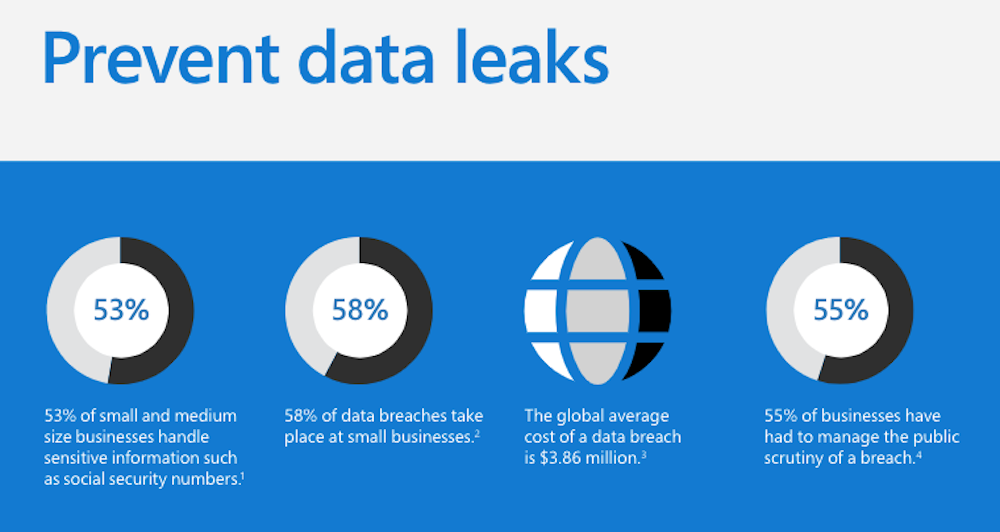
Connecting your social media accounts to third-party applications can be incredibly convenient, offering tailored experiences and functionalities. However, this convenience comes with inherent security risks. Failing to understand and address these risks can expose your personal data to malicious actors. Understanding how to assess and mitigate these risks is crucial for maintaining your online safety.Third-party applications, often designed to enhance your social media experience, often require access to your account data.
This access can range from basic profile information to potentially sensitive details like your posts, messages, and even your friend list. This direct access to your data necessitates a cautious approach to evaluating these apps and understanding the security implications.
Verifying Third-Party Application Authenticity
Ensuring the legitimacy of third-party apps is paramount to preventing data breaches. Always download applications from reputable sources, such as the official app stores of your social media platforms or trusted app stores. Beware of suspicious downloads from untrusted sources or websites. Scammers often mimic legitimate apps to trick users into installing malicious software.
Reviewing Permissions Requested by Third-Party Apps
Before granting any permissions, thoroughly review the specific data access requests of a third-party application. Do not blindly grant permissions without understanding what data the app will be accessing and how it will be used. A well-designed app will clearly articulate its data usage policies, detailing precisely what information it needs and why.
Assessing Third-Party Application Security
Evaluating the security measures of third-party applications is critical. Look for apps that have clear privacy policies and terms of service that explicitly Artikel how they handle user data. Search online for reviews and user feedback from other individuals who have used the app. A large number of negative reviews or security concerns should raise a red flag.
A secure application should have clear and concise privacy policies.
Tips for Assessing Third-Party Application Security
- Check the app’s privacy policy: A well-written privacy policy should clearly Artikel what data the app collects, how it’s used, and with whom it’s shared.
- Research the developer: Look into the developer’s reputation and track record. A company with a history of security breaches or questionable practices should be avoided.
- Examine the permissions requested: Don’t grant permissions that seem unnecessary or excessive. If an app requests access to data it doesn’t need, it might be a red flag.
- Review user reviews: Online reviews can offer valuable insights into the app’s security and reliability.
- Look for security certifications: Some apps might have security certifications that provide assurance about their security practices.
Revoking Access to Third-Party Apps
It’s essential to understand how to revoke access to third-party applications connected to your social media accounts. Most social media platforms offer a mechanism for revoking access to third-party apps. This process ensures that the app no longer has access to your data. Review the platform’s specific instructions for revoking access.
Staying Informed and Educated
Staying vigilant about social media data security is crucial. Constant updates on best practices and emerging threats are vital for protecting your online presence. Understanding the methods cybercriminals employ and the signs of potential data breaches allows you to proactively safeguard your accounts and data.Social media platforms are constantly evolving, and so are the methods used to exploit users.
Staying informed about these evolving threats is paramount for preventing data leaks and maintaining a secure online presence. Recognizing the tactics used by cybercriminals allows you to avoid becoming a victim.
Reliable Resources for Staying Updated
Staying informed about data privacy and security best practices is essential. Numerous resources provide valuable information on the latest trends, vulnerabilities, and best practices.
- Government agencies (e.g., the Federal Trade Commission (FTC) in the US, the Information Commissioner’s Office (ICO) in the UK) offer guidance and resources on data privacy and security.
- Industry organizations (e.g., the National Cybersecurity Center of Excellence (NCCoE)) publish valuable research and recommendations on various security issues, including social media data protection.
- Security awareness websites and blogs provide regular updates on data breaches, vulnerabilities, and best practices.
- Academic research papers and publications offer in-depth analysis of emerging trends in data security.
Understanding Social Engineering Tactics
Cybercriminals often employ social engineering tactics to manipulate individuals into revealing sensitive information. Understanding these tactics is critical to avoid becoming a victim.
- Phishing scams attempt to trick users into revealing login credentials or other sensitive information through deceptive emails, messages, or websites.
- Baiting lures users into revealing information by offering incentives or tempting them with something desirable.
- Pretexting involves creating a false scenario to trick someone into providing sensitive information.
- Quid pro quo involves offering something in exchange for sensitive information, such as access to a service or a discount.
Data Breach Awareness, How to prevent social media data leak
Knowing about past data breaches and vulnerabilities is crucial for taking preventative measures. Staying informed about these incidents can help you understand the tactics used and adapt your security practices accordingly.
- Regularly monitoring news sources and security blogs for reports of data breaches is essential.
- Understanding the methods used in past breaches can help you identify potential vulnerabilities in your own security practices.
- Assessing your own social media accounts and identifying any potential weak points can prevent exploitation.
Organizations Providing Support and Guidance
Numerous organizations offer support and guidance on social media data protection.
- Cybersecurity companies provide resources and services to help individuals and organizations improve their security posture.
- Non-profit organizations often offer educational programs and workshops to raise awareness of data security best practices.
- Consultants specializing in data security provide tailored advice and solutions to organizations facing data protection challenges.
Common Social Media Security Breaches
Understanding common security breaches on social media platforms is essential for developing effective security measures.
| Breach Type | Impacted Platforms | Methods Used |
|---|---|---|
| Password compromise | Most social media platforms | Phishing, weak passwords, stolen credentials |
| Data breaches | Facebook, Twitter, Instagram | Vulnerabilities in platform infrastructure, hacking |
| Malware infections | All platforms | Malicious software, infected links, malicious apps |
| Account takeover | All platforms | Stolen credentials, phishing attacks, weak security |
Wrap-Up
In conclusion, safeguarding your social media data involves a multi-faceted approach. By understanding the risks, strengthening your account security, and implementing smart privacy controls, you can significantly reduce the likelihood of a data breach. Remember, proactive measures and ongoing vigilance are key to maintaining your digital well-being.
Q&A
What are some common social media data breaches?
Common breaches include phishing attacks, weak passwords, and vulnerabilities in third-party apps connected to your accounts.
How can I identify suspicious activity on my social media accounts?
Be wary of unusual login attempts, unexpected messages, or requests for personal information. Report anything that seems out of the ordinary immediately.
What are the consequences of a data leak for my personal life?
Consequences can range from identity theft to financial loss, and reputational damage. It’s crucial to take steps to protect your information.
How often should I change my passwords?
Regularly changing passwords is a good practice. Consider a different password for each account to further enhance your security.