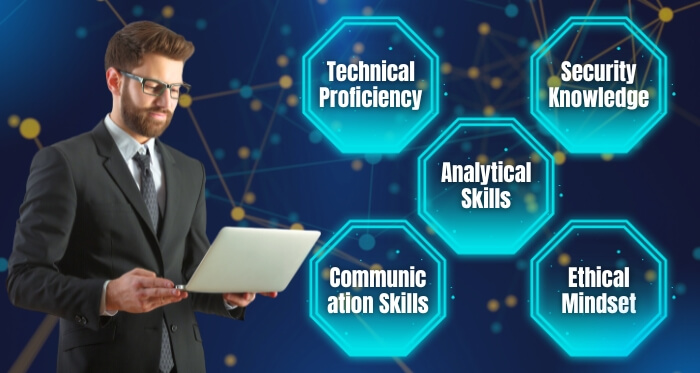
How to Progress in Your Cybersecurity Career
How to progress in your cybersecurity career is a journey, not a sprint. From entry-level roles to senior positions, and specialized expertise, this guide provides a roadmap for your success. It covers everything from essential skills to networking strategies, practical experience, and continuous learning. Get ready to navigate the exciting world of cybersecurity!
This comprehensive guide breaks down the path to career advancement in cybersecurity, providing actionable steps for each stage. We’ll explore the crucial skills, knowledge, and experience needed to progress effectively. It’s a dynamic field, and adapting to emerging threats and vulnerabilities is key.
Entry-Level Advancement
Climbing the cybersecurity ladder from entry-level to mid-level requires a strategic approach. It’s not just about acquiring new skills, but also demonstrating value and showcasing your ability to contribute meaningfully to a team. This journey demands continuous learning, practical application, and a proactive mindset. Focusing on transferable skills, relevant certifications, and networking opportunities will significantly accelerate your progression.
Essential Skills and Knowledge
Entry-level cybersecurity roles often focus on foundational tasks. To transition to a mid-level position, you need a broader understanding of security principles, tools, and methodologies. This includes in-depth knowledge of network security, incident response, and security architecture. A strong grasp of different attack vectors and the ability to analyze vulnerabilities are critical for problem-solving and proactive security measures.
Familiarity with various security frameworks, like NIST Cybersecurity Framework and ISO 27001, will enhance your understanding of best practices.
Learning Path
A structured learning path is crucial for skill development. This includes a mix of formal education, practical experience, and continuous self-improvement. Essential courses covering topics such as ethical hacking, network security, and cloud security are highly recommended. Certifications like CompTIA Security+, Certified Ethical Hacker (CEH), and Certified Information Systems Security Professional (CISSP) can significantly boost your credentials and demonstrate expertise.
Practical experience through internships, volunteer work, or personal projects allows you to apply theoretical knowledge and gain valuable hands-on skills. For example, creating a small-scale network security assessment or penetration testing project can showcase your abilities. Hands-on experience, through tools and simulations, is just as critical as theoretical knowledge.
Certifications and Practical Experience
Certifications are valuable for validating your skills and knowledge. They demonstrate your commitment to the field and provide recognition for specific expertise. For example, CompTIA Security+ is a widely recognized foundational certification. CEH certifications focus on penetration testing and ethical hacking, while CISSP is considered an advanced certification that showcases a broad understanding of cybersecurity. Practical experience is vital for bridging the gap between theoretical knowledge and real-world application.
Consider projects like vulnerability assessments, penetration testing of personal systems, or even contributing to open-source security projects to build practical experience. Volunteering for security-related tasks within a community or organization can be a valuable stepping stone.
Staying ahead in cybersecurity requires constant learning. Keeping up with emerging vulnerabilities, like those detailed in the Azure Cosmos DB Vulnerability Details report, is crucial. Understanding the intricacies of cloud-based systems like Azure Cosmos DB, and how to secure them, is a great way to bolster your skills and advance your career. By consistently seeking out new challenges and staying informed, you’ll definitely be well-positioned for growth in the ever-evolving field of cybersecurity.
Azure Cosmos DB Vulnerability Details. This type of knowledge will make you a valuable asset to any cybersecurity team.
Networking and Relationship Building
Networking within the cybersecurity community is essential for career advancement. Attending industry events, joining online forums, and connecting with professionals on LinkedIn can open doors to new opportunities. Building relationships with mentors and peers can provide valuable guidance and support. Networking enables knowledge sharing, potential collaborations, and insights into current industry trends. For instance, attending conferences and workshops can provide access to valuable insights and the chance to connect with potential employers or mentors.
These connections can open doors to valuable networking opportunities and professional guidance.
Resume and Cover Letter
Crafting a strong resume and cover letter is vital for showcasing your skills and experience. Highlight transferable skills, such as problem-solving, critical thinking, and communication, that are applicable to various cybersecurity roles. Quantify your achievements whenever possible. For example, instead of saying “improved system security,” quantify the improvement, like “reduced vulnerability exposure by 15%.” Use action verbs and tailor your resume and cover letter to each specific job description.
This demonstrates your targeted approach and keen understanding of the specific role’s requirements. Highlight your skills and experiences in a clear and concise manner.
Common Struggles and Solutions
Beginners often struggle with translating theoretical knowledge into practical application. To overcome this, engage in hands-on projects, use online security labs, and participate in security competitions. Another common challenge is building a robust portfolio. Start with smaller projects, gradually increasing complexity. Creating a personal website or blog showcasing your projects and skills can also be highly beneficial.
By actively seeking opportunities to apply knowledge and documenting achievements, you can address these challenges effectively. Seek feedback from mentors and peers to identify areas for improvement and enhance your skillset.
Mid-Level to Senior Progression
Climbing the cybersecurity ladder from mid-level to senior requires a shift from technical proficiency to leadership and strategic thinking. This involves expanding your skillset beyond individual tasks to encompass team management, project oversight, and strategic planning. This transition necessitates a commitment to continuous learning and a proactive approach to developing essential leadership qualities.Mid-level cybersecurity professionals often excel in specific areas like penetration testing, incident response, or security architecture.
To advance to senior roles, they must broaden their expertise to encompass a holistic view of the organization’s security posture. This transition involves understanding the interplay between different security domains, the business impact of security decisions, and how to effectively communicate complex security concepts to diverse stakeholders.
Essential Skills for Senior Roles
Senior cybersecurity roles demand a deep understanding of security architecture, strategy, and risk management. Technical expertise remains crucial, but it is augmented by strong leadership, communication, and problem-solving skills. The ability to anticipate and mitigate potential threats becomes paramount. This requires a holistic view of the organization’s security posture and a proactive approach to threat modeling and vulnerability management.
Leadership and Mentorship
Effective leadership in cybersecurity is critical for guiding teams, fostering collaboration, and driving positive change. Mentoring junior colleagues empowers them to grow and contributes to a stronger, more resilient security team. Mentorship involves providing guidance, support, and constructive feedback, fostering a culture of continuous learning and improvement.
Developing Leadership Skills
Developing leadership skills involves several key areas. Firstly, active listening and effective communication are paramount. Clearly articulating complex security concepts to non-technical audiences is essential. Secondly, fostering collaboration and teamwork builds a cohesive and productive team environment. Thirdly, promoting a culture of continuous learning through mentorship and knowledge sharing is vital.
Finally, proactively identifying and addressing team needs demonstrates empathy and strengthens the team’s resilience.
Boosting your cybersecurity career involves continuous learning and staying updated on the latest threats. For example, understanding the intricacies of regulations like the Department of Justice Offers Safe Harbor for MA Transactions Department of Justice Offers Safe Harbor for MA Transactions is crucial. This knowledge can significantly enhance your skills and open doors to more advanced roles within the field.
Managing Cybersecurity Projects and Teams
Managing cybersecurity projects and teams involves several key responsibilities. This includes defining project scope, setting realistic timelines, allocating resources effectively, and managing risks and dependencies. Furthermore, fostering clear communication channels and establishing effective reporting mechanisms are crucial. It also involves motivating team members, providing constructive feedback, and resolving conflicts effectively.
Responsibilities of Mid-Level vs. Senior Cybersecurity Professionals
| Characteristic | Mid-Level | Senior |
|---|---|---|
| Focus | Executing tasks, contributing to projects | Strategic planning, leading projects, mentoring teams |
| Scope | Specific technical areas | Holistic security posture |
| Impact | Improving specific components | Improving overall security posture |
| Responsibilities | Performing tasks, contributing to team goals | Leading teams, setting strategic direction |
Mid-level professionals often focus on executing tasks and contributing to projects, while senior professionals lead projects, define security strategies, and mentor teams.
Critical Thinking and Problem-Solving
Critical thinking and problem-solving are paramount at the senior level. This involves identifying complex problems, analyzing potential solutions, evaluating trade-offs, and implementing effective solutions in a dynamic security landscape. The ability to anticipate future threats and vulnerabilities and develop innovative solutions is highly valued. This requires a systematic approach to problem identification, analysis, and resolution.
Advanced Certifications and Specializations
“Advanced certifications and specializations demonstrate a commitment to continuous learning and can significantly enhance career progression.”
- Certified Information Systems Security Professional (CISSP): A globally recognized certification encompassing a broad range of security domains.
- Certified Ethical Hacker (CEH): A specialized certification focused on penetration testing and ethical hacking techniques.
- GIAC Security Essentials (GSEC): A foundational certification for cybersecurity professionals.
- Specializations in cloud security, IoT security, or specific industry sectors.
These certifications and specializations equip professionals with advanced knowledge and skills, increasing their value proposition to organizations.
Specialization and Expertise
Beyond the foundational knowledge and practical experience, specialization is crucial for advancement in cybersecurity. A deep understanding of a particular domain, coupled with continuous learning and professional development, elevates your value proposition and positions you for senior-level roles and industry recognition. This specialization often involves identifying a niche within cybersecurity, such as network security, application security, or incident response, and dedicating significant time and effort to mastering its complexities.
Different Cybersecurity Specializations
The field of cybersecurity encompasses various specializations, each with unique challenges and opportunities. Network security focuses on securing the infrastructure that connects systems, application security ensures software and web applications are robust against attacks, and incident response teams handle and mitigate security breaches. Other specializations include cloud security, security operations, and data security, each requiring specialized skills and knowledge.
Boosting your cybersecurity career involves staying ahead of the curve, and that means embracing innovative tools. For example, learning how to effectively deploy AI tools like those discussed in Deploying AI Code Safety Goggles Needed is crucial. This proactive approach, combined with continuous learning and networking, will position you for success in this ever-evolving field.
Path to Becoming an Expert
Becoming an expert in a chosen cybersecurity specialization requires a structured approach. This involves a combination of formal education, hands-on experience, continuous learning, and engagement with the cybersecurity community. Proactive participation in relevant online forums, attending industry conferences, and pursuing advanced certifications can greatly accelerate this journey.
Roadmap for Developing Deep Knowledge
A roadmap for deep knowledge development in a specific area should be dynamic and adaptable. It should include a progression from fundamental concepts to advanced techniques. Initial steps often involve mastering fundamental protocols, technologies, and frameworks within the chosen domain. Subsequent steps should focus on practical application, vulnerability assessments, and hands-on experience. Regularly practicing these skills through labs and simulations is vital.
Importance of Staying Updated, How to progress in your cybersecurity career
Cybersecurity is a constantly evolving field. Staying updated on emerging threats and vulnerabilities is paramount. This involves continuous monitoring of industry news, threat intelligence feeds, and research papers. Regularly reviewing security advisories and attending workshops or training sessions can help maintain a comprehensive understanding of the latest attack vectors and defense mechanisms.
Continuous Learning and Professional Development
Continuous learning and professional development are crucial for maintaining expertise and adapting to evolving threats. This includes pursuing advanced certifications, attending workshops, and staying active in online communities. Continuously challenging yourself with new projects and technologies in your area of specialization will keep you at the forefront of your field.
Practical Applications and Case Studies
Real-world case studies offer valuable insights into the application of specific cybersecurity specializations. For instance, studying successful incident response strategies, analyzing security breaches in web applications, or reviewing network security audits can provide practical examples and help identify potential weaknesses in your own approach.
Showcasing Specialization in Resume and Interviews
Highlighting your specialization on your resume and during interviews is essential. Quantify your achievements and accomplishments, showcasing how your expertise has positively impacted projects or organizations. Use specific examples, including vulnerabilities identified, security breaches mitigated, or new security measures implemented. Demonstrate your understanding of relevant frameworks and methodologies, and explain how your specialization aligns with the specific needs of the role you’re pursuing.
Practical Application and Experience

Building a strong cybersecurity career requires more than just theoretical knowledge. Practical application and hands-on experience are crucial for developing essential skills and demonstrating competency to potential employers. This section will Artikel methods for gaining valuable experience through competitions, labs, open-source contributions, volunteer work, internships, and personal projects.
Building Practical Cybersecurity Experience
Gaining practical experience is essential to solidifying theoretical knowledge and demonstrating real-world application. This involves actively engaging in various cybersecurity activities. Building practical experience can be accomplished through diverse channels, and the experience gained from one channel can be applied and built upon in another. This iterative approach is highly beneficial.
Participating in Cybersecurity Competitions and Challenges
Participating in cybersecurity competitions and challenges is a highly effective way to develop practical skills. These competitions often simulate real-world scenarios, exposing individuals to diverse attack vectors and defensive strategies. Competitions like Capture the Flag (CTF) events provide a structured environment to hone skills in areas such as network security, web application security, and cryptography.
Importance of Hands-on Experience in a Lab Environment
A dedicated lab environment provides a safe space to practice and experiment with various security tools and techniques without causing harm to live systems. Virtual machines and controlled environments enable individuals to simulate real-world attacks and defenses. This allows for experimentation with different tools and techniques, which is an important step in gaining practical knowledge and skill.
Contributing to Open-Source Security Projects
Contributing to open-source security projects is a valuable way to gain experience and collaborate with others in the cybersecurity community. This can involve identifying vulnerabilities, developing patches, and improving existing security tools. Open-source projects provide a platform to learn from experienced professionals and contribute to a broader community. Contributing can also help in demonstrating one’s skills to potential employers.
Significance of Volunteer Work in Cybersecurity
Volunteer work in cybersecurity can offer valuable experience in areas such as incident response, penetration testing, and security awareness training. This can be particularly beneficial for individuals seeking entry-level positions or those looking to build a reputation in a specific niche. Participating in volunteer projects can help develop critical soft skills like teamwork, communication, and problem-solving, which are highly valued in the cybersecurity field.
Finding and Applying for Relevant Internships and Apprenticeships
Internships and apprenticeships provide invaluable opportunities to gain practical experience within a professional setting. These programs allow individuals to apply their knowledge and skills in real-world scenarios, while simultaneously receiving guidance from experienced professionals. Active searching for and application to these opportunities is crucial for career progression.
Potential Projects for Building Cybersecurity Experience
- Network Security Analysis Project: Analyze the security posture of a small network (e.g., home network, small business network). Identify vulnerabilities and propose mitigation strategies.
- Web Application Security Assessment: Evaluate the security of a web application by identifying potential vulnerabilities (SQL injection, cross-site scripting, etc.). Document findings and propose remediation steps.
- Malware Analysis Project: Analyze a sample of malware to understand its functionality, propagation methods, and potential impact.
- Security Auditing Project: Conduct a security audit of a specific system or application to identify vulnerabilities and weaknesses. Document the audit process and recommendations.
Continuous Learning and Development
Staying ahead in the cybersecurity field requires a relentless pursuit of knowledge. The landscape is constantly evolving, with new threats and vulnerabilities emerging daily. A proactive approach to continuous learning is paramount for professionals to remain effective and valuable in this dynamic environment. Continuous development ensures you’re equipped to address emerging challenges and maintain a competitive edge.Cybersecurity is a field that demands a constant adaptation to new threats and technologies.
The knowledge gained in a cybersecurity program often requires ongoing reinforcement and expansion. By actively engaging in learning, you develop a comprehensive understanding of the ever-changing landscape and effectively respond to emerging issues.
Importance of Continuous Learning
The cybersecurity landscape is dynamic, with new threats and vulnerabilities appearing frequently. Staying current is critical for professionals to maintain effectiveness and relevance. Learning about new tools, techniques, and attack vectors allows for proactive responses to threats, minimizing damage and ensuring security. Continuous learning empowers cybersecurity professionals to anticipate and mitigate emerging risks.
Key Resources for Staying Up-to-Date
Numerous resources provide valuable insights into the latest cybersecurity trends and technologies. Industry publications, such as Dark Reading and Threatpost, offer expert analysis and news on emerging threats. Following reputable cybersecurity researchers and experts on social media platforms provides up-to-the-minute information and insights. Security conferences and webinars also offer valuable opportunities for learning from industry leaders.
Methods for Adapting to New Cybersecurity Threats and Vulnerabilities
Adapting to new cybersecurity threats and vulnerabilities involves a multi-faceted approach. Regularly reviewing security advisories from reputable sources, such as the National Institute of Standards and Technology (NIST), keeps you informed of emerging vulnerabilities. Following industry blogs and podcasts allows you to stay updated on new techniques and best practices. Enrolling in online courses or attending workshops can provide hands-on experience with emerging threats and tools.
By actively seeking out and analyzing new threats and vulnerabilities, professionals can proactively prepare for and mitigate their impact.
Professional Certifications and Continuing Education
Professional certifications demonstrate commitment to ongoing learning and skill development. These certifications validate knowledge and skills, often enhancing career prospects. Continuing education, such as taking courses or attending workshops, provides opportunities to deepen your expertise and learn about advanced techniques. Certifications such as Certified Information Systems Security Professional (CISSP) and CompTIA Security+ demonstrate proficiency in specific areas.
Continuing education allows for a more in-depth understanding of the security field.
Conferences, Workshops, and Webinars
Attending security conferences, workshops, and webinars offers valuable networking opportunities. These events provide insight into current trends and emerging technologies. Interacting with industry experts and peers fosters collaboration and knowledge sharing. These opportunities offer a chance to learn from experienced professionals and build a network within the cybersecurity community.
Online Courses and Training Platforms
Numerous online platforms offer comprehensive cybersecurity courses and training programs. Platforms like Cybrary, SANS Institute, and Udemy provide a range of courses covering various cybersecurity specializations. These resources offer flexibility and accessibility, enabling individuals to tailor their learning to their specific needs and schedule. Online courses offer diverse content, often covering practical application and real-world scenarios.
Tracking Professional Development Activities
Tracking professional development activities is crucial for demonstrating commitment to continuous learning. Maintaining a detailed record of certifications earned, courses completed, and conferences attended aids in showcasing your growth and expertise. Using a dedicated spreadsheet or a project management tool allows you to organize and track these activities. This documented progress helps you understand your strengths and weaknesses, identify knowledge gaps, and plan future development.
A comprehensive record allows for demonstrating continuous professional development to potential employers.
Building a Professional Network
Cultivating a strong professional network is crucial for career advancement in cybersecurity. Networking isn’t just about collecting business cards; it’s about building genuine connections that can provide mentorship, opportunities, and a supportive community. This network can be a vital resource throughout your cybersecurity journey, from landing your first job to navigating the complexities of the industry.Networking is an active process that requires consistent effort and a genuine interest in connecting with others.
It’s not just about collecting contacts; it’s about fostering relationships that can lead to mentorship, collaboration, and future opportunities. A strong network can open doors to exclusive industry events, insightful mentorship, and potential job opportunities.
Networking with Cybersecurity Professionals
Connecting with professionals in the cybersecurity field offers invaluable insights and perspectives. Sharing experiences, learning best practices, and gaining exposure to different specializations are all critical for growth. This exposure often leads to a wider understanding of industry challenges and potential solutions. Mentorship relationships can provide guidance and support as you navigate your career.
Connecting with Peers, Mentors, and Industry Leaders
Establishing connections with peers, mentors, and industry leaders is vital for career development. Peers provide a platform for sharing experiences, learning from each other’s successes and failures, and brainstorming innovative solutions. Mentors can guide you through challenges, provide valuable insights, and offer a supportive perspective. Industry leaders can provide exposure to cutting-edge trends and potentially open doors to exclusive opportunities.
Attending Industry Events and Conferences
Attending cybersecurity conferences and events provides a unique opportunity to network with professionals in a dynamic environment. These events typically feature keynote speakers, workshops, and networking sessions, all of which can significantly enhance your professional development. These opportunities allow you to engage with experts in your field, learn about new technologies, and gain valuable insights. Active participation in discussions and interactions can significantly bolster your network.
Joining Professional Organizations
Joining professional organizations like (ISC)² or SANS Institute provides access to a community of cybersecurity professionals. These organizations offer resources, educational opportunities, and networking events, fostering a supportive environment for growth. Membership often unlocks access to exclusive content, training materials, and industry insights.
Leveraging Online Platforms for Networking
Online platforms such as LinkedIn, Twitter, and specialized cybersecurity forums offer powerful tools for networking. Active participation on these platforms can lead to valuable connections with peers, mentors, and industry leaders. Sharing relevant insights, engaging in discussions, and participating in online events can build a robust professional network. Maintaining an active online presence can increase visibility and attract opportunities.
Effective Networking Strategies
Developing effective networking strategies is crucial for building and maintaining a strong professional network. These strategies include:
- Preparation: Research attendees and identify individuals whose expertise aligns with your interests. Having a clear understanding of their work and background will enable more meaningful interactions.
- Active Listening: Listen attentively to others’ experiences and insights. Demonstrate genuine interest in understanding their perspectives and experiences. Asking thoughtful questions shows engagement and fosters deeper connections.
- Follow-up: Follow up with individuals you connect with at events or online. A brief thank-you note or a follow-up message can strengthen the connection.
- Value Exchange: Offer your insights and experiences while seeking to learn from others. Focus on building mutual value and benefits from the interaction.
- Maintaining Relationships: Consistent engagement with your network through regular communication, participation in industry discussions, and showing interest in their progress is key to maintaining a strong and supportive professional network.
Career Advancement Tools
Climbing the cybersecurity ladder requires more than just technical skills. Effective career advancement involves strategic planning, leveraging resources, and building a strong professional presence. This section details tools and strategies to help you navigate your career path successfully.The cybersecurity field is dynamic and competitive. Proactive use of career advancement tools can provide a significant edge, allowing professionals to not only stay ahead but also position themselves for higher-level roles.
Online Platforms and Communities
Understanding the cybersecurity landscape involves engaging with online communities and forums. These platforms offer valuable insights, networking opportunities, and access to experts.
- Cybersecurity Forums (e.g., Reddit’s r/cybersecurity, HackerOne): These forums provide a space for discussions on current threats, emerging technologies, and best practices. They can be a great resource for staying up-to-date and learning from experienced professionals.
- LinkedIn Groups: Specialized LinkedIn groups focused on cybersecurity offer opportunities to connect with professionals, share insights, and participate in discussions related to specific areas of interest.
- Industry-Specific Blogs and Newsletters: Staying informed about industry trends, emerging threats, and new tools is crucial. Subscription to cybersecurity blogs and newsletters can provide valuable insights and updates.
Online Job Boards and Career Portals
Online job boards and career portals are essential tools for searching for job opportunities and keeping track of industry trends. Utilizing these platforms effectively can lead to better job matching and career advancement.
- Specific Cybersecurity Job Boards: Job boards dedicated to cybersecurity often have a higher concentration of relevant postings compared to general job boards. These sites provide targeted job opportunities.
- General Job Boards (e.g., Indeed, LinkedIn): While not exclusively cybersecurity focused, general job boards can still provide relevant openings. Filtering by s and location can help you find suitable positions.
- Utilizing Advanced Search Filters: Most online job boards allow for filtering jobs based on location, experience level, s (e.g., specific technologies, certifications), and more. Using these filters can significantly improve the efficiency of your job search.
Building a Personal Brand
Crafting a strong personal brand in cybersecurity is essential for standing out in a competitive job market. It allows you to showcase your expertise and unique value proposition.
- Crafting a Concise Narrative: Highlight your unique skills, experiences, and achievements in a clear and concise manner. This should be reflected across your online presence, including your LinkedIn profile and portfolio.
- Showcase Expertise through Content Creation: Writing blog posts, contributing to online forums, or creating informative videos about cybersecurity topics demonstrates expertise and establishes thought leadership.
- Building an Online Portfolio: Demonstrating practical skills through projects, personal cybersecurity assessments, or open-source contributions strengthens your portfolio, offering tangible evidence of your abilities.
Career Counseling and Mentorship
Seeking guidance from career counselors and mentors is an important aspect of professional development. They can provide insights and support during your career journey.
- Career Counseling Services: Many universities and professional organizations offer career counseling services. These services provide personalized advice and support for navigating your career path.
- Mentorship Programs: Connecting with experienced cybersecurity professionals through mentorship programs provides valuable insights and guidance. This relationship fosters growth and learning from established leaders.
Career Advancement Strategies Comparison
This table compares various career advancement strategies in cybersecurity, highlighting their advantages and disadvantages.
| Strategy | Description | Pros | Cons |
|---|---|---|---|
| Networking | Building relationships with professionals | Opens doors, insights, potential referrals | Time-consuming, requires effort to cultivate relationships |
| Certifications | Validating skills with industry-recognized credentials | Demonstrates competency, increases credibility | Costly, requires study time |
| Projects | Developing and showcasing practical skills through projects | Demonstrates practical skills, adds to portfolio | Time commitment, requires initiative and planning |
Ending Remarks: How To Progress In Your Cybersecurity Career
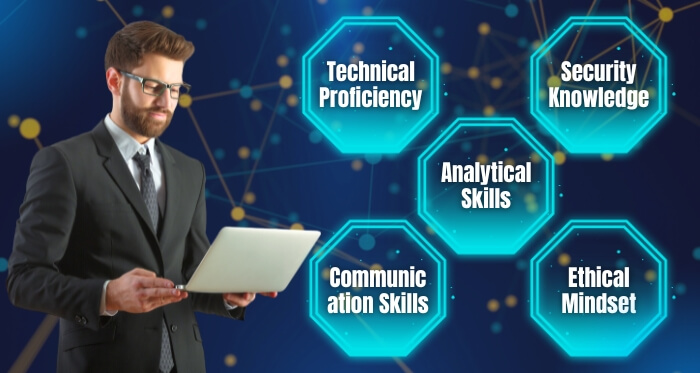
In conclusion, advancing your cybersecurity career requires a multifaceted approach. From honing foundational skills to specializing in a niche area, building a strong professional network, and embracing continuous learning, the path is clear. By understanding the different stages of progression, and applying the strategies Artikeld in this guide, you can effectively navigate the ever-evolving cybersecurity landscape and reach your career goals.
So, start your cybersecurity journey today!
Questions and Answers
What are some common mistakes beginners make in cybersecurity?
Many beginners overlook the importance of foundational knowledge. They might focus too heavily on certifications without understanding the underlying concepts. Another common pitfall is neglecting practical experience, like building personal projects or contributing to open-source. Lastly, underestimating the power of networking is a mistake.
What are some advanced certifications that mid-level professionals can pursue?
Advanced certifications like Certified Information Systems Security Professional (CISSP), Certified Ethical Hacker (CEH), and GIAC certifications are excellent choices for mid-level professionals seeking to progress. They validate expertise and demonstrate a deeper understanding of cybersecurity concepts.
How can I effectively manage cybersecurity projects?
Effective project management in cybersecurity requires strong communication, risk assessment, and clear goal setting. A well-defined project scope, along with consistent communication with stakeholders, are critical.
How can I build a strong personal brand in cybersecurity?
Highlight your skills and experiences on platforms like LinkedIn. Contributing to online discussions and participating in relevant communities will also showcase your knowledge and expertise.
