How to Quickly Integrate Your SD-WAN with Bitglass
How to quickly integrate your sd wan with bitglass – How to quickly integrate your SD-WAN with Bitglass? This guide breaks down the process, from initial setup to ongoing maintenance, providing clear steps and troubleshooting tips to ensure a seamless integration.
SD-WANs are transforming network architectures, but integrating security solutions like Bitglass requires careful planning and execution. This comprehensive guide will walk you through the process, ensuring your SD-WAN and Bitglass security solution work harmoniously to protect your data and improve performance. We’ll cover everything from prerequisites to performance optimization, offering actionable insights for a successful integration.
Introduction to SD-WAN and Bitglass Integration
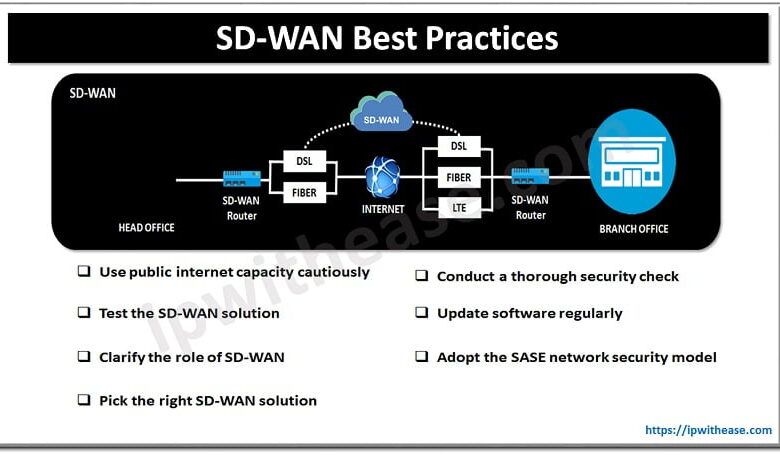
SD-WAN, or Software-Defined Wide Area Network, is a network architecture that dynamically allocates bandwidth and resources across various connections, including broadband, MPLS, and satellite links. This allows organizations to optimize network performance and reduce costs by leveraging the most efficient connections available. It contrasts with traditional WANs that rely on static configurations. SD-WAN’s agility and flexibility make it a crucial element in modern distributed networks.Bitglass, on the other hand, provides cloud-based security solutions focused on data loss prevention (DLP), secure access, and compliance.
Its solutions are designed to safeguard sensitive data wherever it resides, whether in the cloud, on-premises, or in transit. This encompasses a range of functions from advanced threat detection to granular access control.
SD-WAN Architecture
SD-WAN architecture is characterized by centralized control and management of network traffic. A central controller, often a software application, manages the various network paths, dynamically choosing the optimal one based on factors like cost, bandwidth, and latency. This contrasts with traditional WANs, which often have static routes and limited flexibility. This dynamic routing enables businesses to leverage various connectivity options for improved efficiency and cost savings.
Key Functionalities of Bitglass Security Solutions
Bitglass offers a suite of security features designed to protect sensitive data. These include advanced threat detection, real-time data loss prevention (DLP) policies, granular access control, and compliance monitoring. These capabilities work together to create a comprehensive security posture. Bitglass’s solutions are cloud-based, facilitating seamless integration with existing IT infrastructure.
Benefits of Integrating SD-WAN with Bitglass
Integrating SD-WAN with Bitglass security solutions provides several benefits. Improved security posture is achieved by securing traffic across the various connections managed by SD-WAN. Enhanced performance is achieved by optimizing traffic flow across various connections based on the most efficient network paths. Cost savings are realized through the dynamic allocation of bandwidth across available connections. Simplified management through centralized control simplifies the management and maintenance of both the network and security.
Speeding up your SD-WAN integration with Bitglass is key, especially now that the Department of Justice has a new safe harbor policy for Massachusetts transactions. This policy highlights the importance of secure data transfer, which is directly related to the seamless integration process. Fortunately, streamlining this integration with Bitglass is achievable through a few key steps, focusing on streamlined configuration and pre-defined workflows.
This will ensure a smooth transition and improved security.
Common Challenges During SD-WAN and Bitglass Integration
Integration challenges often stem from the diverse nature of SD-WAN deployments. Different SD-WAN vendors have varying APIs and integration approaches. Maintaining consistent security policies across diverse locations is crucial but can be complex. Ensuring that security measures align with network performance requirements is also a challenge. Maintaining consistent compliance across distributed locations is another important consideration.
SD-WAN Solution Compatibility with Bitglass
| SD-WAN Solution | Bitglass Compatibility |
|---|---|
| Juniper Networks Contrail | High compatibility, often requiring specific configuration for Bitglass integration. |
| VMware SD-WAN | High compatibility, often with readily available integrations. |
| Cisco SD-WAN | High compatibility, leveraging Cisco’s extensive ecosystem and integrations. |
| Fortinet SD-WAN | Medium compatibility, requiring potentially more customization and configuration. |
This table provides a general overview of compatibility. Actual compatibility and implementation details may vary based on specific versions and configurations. Thorough research and testing are crucial before deployment.
Prerequisites for Integration
Integrating your SD-WAN with Bitglass requires careful planning and preparation. This phase ensures a seamless and secure transition, minimizing potential issues and maximizing the benefits of both technologies. A solid foundation in hardware, software, and security policies is crucial for a successful integration.The integration process is not simply connecting two systems. It’s about aligning the functionalities and security postures of both your SD-WAN and Bitglass.
This involves understanding the specific requirements of each, and how they interact to achieve the desired outcomes. Proper configuration is vital for maintaining network security and performance.
Hardware and Software Components
Understanding the necessary hardware and software components is the first step towards successful integration. The specific requirements depend on your existing infrastructure and the scale of your network. A comprehensive assessment of your current setup is essential to identify the required upgrades or additions. Key components might include SD-WAN gateways, network switches, and firewalls. Additionally, ensuring compatibility between the SD-WAN solution and Bitglass is crucial.
Network Configurations
Proper network configurations are fundamental for a successful integration. This includes configuring your SD-WAN to communicate securely with the Bitglass platform. Careful planning and testing are necessary to avoid potential disruptions to your existing network operations. Consider static IP addressing, DNS settings, and routing protocols. Network diagrams outlining the new configuration are crucial for verification and troubleshooting.
Security Policies and Configurations
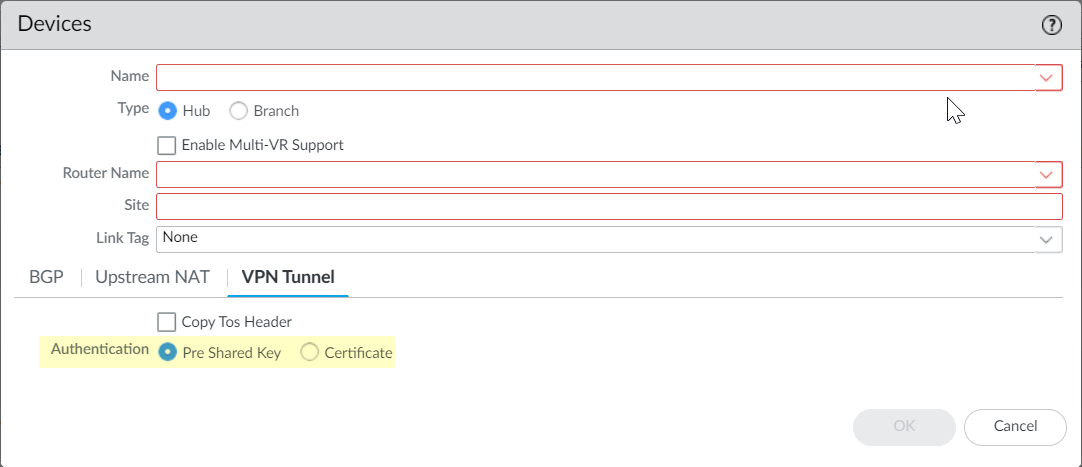
Before integrating, establish clear security policies. Define access controls, data encryption methods, and threat detection mechanisms. These policies will dictate how your SD-WAN and Bitglass interact. Consider using Zero Trust principles in your security policies to limit unauthorized access to sensitive data. Establish clear guidelines for user authentication and authorization.
This includes creating separate user roles for different levels of access.
Importance of Network Segmentation and Access Control
Network segmentation is critical for isolating sensitive data and applications. This limits the impact of potential security breaches. Segmenting your network allows you to apply different security policies to different parts of your network. Implementing robust access control mechanisms ensures that only authorized users can access specific resources. This approach minimizes the risk of unauthorized data access and enhances overall security.
Essential Security Protocols, How to quickly integrate your sd wan with bitglass
A table outlining essential security protocols for the integration process is presented below. Proper selection and configuration of these protocols are vital for secure communication between the SD-WAN and Bitglass. Choosing the appropriate protocols is a critical decision.
| Protocol | Description | Importance in Integration |
|---|---|---|
| IPsec | Provides secure communication over IP networks. | Crucial for encrypting data exchanged between the SD-WAN and Bitglass. |
| TLS/SSL | Secure communication protocol used for encrypting web traffic. | Essential for secure access to Bitglass services over the SD-WAN. |
| SSH | Secure shell protocol for remote access. | Used for remote management and troubleshooting of the SD-WAN and Bitglass components. |
| RADIUS/TACACS+ | Network authentication protocols. | Enable secure user authentication for accessing resources over the SD-WAN connected to Bitglass. |
Step-by-Step Integration Procedures
Integrating your SD-WAN with Bitglass requires a methodical approach to ensure seamless security and optimal performance. This process involves configuring both the SD-WAN infrastructure and the Bitglass security platform to effectively manage network traffic. Careful attention to detail and a well-defined plan are crucial for a successful integration.
Configuring Security Policies in Bitglass
Defining appropriate security policies within Bitglass is essential for controlling access and protecting sensitive data transmitted through the SD-WAN connection. This involves specifying access rules based on criteria like user roles, application types, and destination networks. Policies should be tailored to match the organization’s security posture and risk tolerance. For example, restricting access to specific cloud applications for certain user groups is a common security measure.
Configuring Network Segmentation Rules
Network segmentation plays a vital role in enhancing security by isolating sensitive data and resources. Rules should be implemented to control traffic flow between different network segments. Implementing network segmentation within your SD-WAN configuration can restrict unauthorized access to critical data. This strategy is particularly effective in mitigating the impact of a security breach.
Verifying Integration Effectiveness
Verifying the integration’s effectiveness is a critical step. Comprehensive testing is necessary to ensure the SD-WAN connection is functioning correctly and that Bitglass security policies are enforced effectively. This includes monitoring network traffic patterns and checking user access controls. Testing should cover various scenarios to ensure the integration is resilient to potential threats.
Troubleshooting Potential Errors
| Error Category | Potential Errors | Solutions ||—|—|—|| SD-WAN Configuration | Incorrect configuration of SD-WAN gateways or interfaces, incorrect routing tables, misconfigured VPN tunnels | Review SD-WAN documentation, verify network connectivity, and correct any misconfigurations. Test connectivity between different network segments and check routing tables. Ensure VPN tunnels are properly configured and established. || Bitglass Configuration | Mismatched security policies, incorrect application mappings, improper network segment assignment | Review Bitglass policies and ensure they align with SD-WAN segmentations.
Verify application mappings are correct and access rules are appropriate. Double-check network segment assignments within Bitglass. Contact Bitglass support if necessary. || Network Connectivity | Interruption of connectivity, issues with firewall rules, issues with DNS resolution | Check network connectivity using ping or traceroute tools. Ensure firewall rules permit communication between SD-WAN and Bitglass.
Confirm DNS resolution works for both internal and external domains. Contact network support if necessary. || User Access | Restricted access to resources, incorrect user permissions | Ensure users have appropriate permissions and access within both the SD-WAN and Bitglass environments. Verify user accounts are correctly mapped and configured. Re-evaluate user access privileges.
|
Troubleshooting Common Issues
Integrating your SD-WAN with Bitglass can sometimes encounter hiccups. This section details common problems and provides actionable solutions to ensure a smooth and reliable connection. Addressing these issues proactively will prevent frustration and downtime.
Connectivity Problems
Connectivity problems between SD-WAN and Bitglass often stem from misconfigurations or network glitches. Troubleshooting these issues requires methodical steps. Verify that the SD-WAN device is correctly configured to access Bitglass’s network. Ensure proper firewall rules allow traffic between the two systems. Check for any network outages or disruptions that might be affecting the connection.
Confirm that all necessary ports and protocols are open on both the SD-WAN and Bitglass infrastructure.
Authorization Issues
Authorization problems frequently arise from incorrect user credentials or mismatched security policies. Verify that the users accessing Bitglass resources through the SD-WAN have the necessary permissions. Double-check that the user accounts and associated roles in both systems are correctly synchronized. Confirm that authentication protocols, such as LDAP or SAML, are properly configured and functioning correctly. If necessary, contact Bitglass support for assistance with resolving any specific authorization issues.
Performance Bottlenecks
Performance bottlenecks in the SD-WAN/Bitglass integration can be due to bandwidth limitations or insufficient network resources. Examine the bandwidth allocated for Bitglass traffic. Ensure the SD-WAN is configured to prioritize Bitglass traffic for optimal performance. Analyze network traffic patterns to identify potential congestion points and bottlenecks. Consider upgrading network infrastructure to enhance capacity if necessary.
Monitoring network performance metrics can help identify and resolve performance issues before they impact users.
Troubleshooting Steps and Solutions
| Problem | Possible Solution |
|---|---|
| Connectivity Issues (e.g., no connection) | Verify SD-WAN configuration, firewall rules, network connectivity, ports, and protocols. Check for network outages. |
| Authorization Issues (e.g., access denied) | Verify user credentials, permissions, and role synchronization. Check authentication protocols. Contact Bitglass support if needed. |
| Performance Bottlenecks (e.g., slow downloads) | Ensure sufficient bandwidth for Bitglass traffic. Prioritize Bitglass traffic on the SD-WAN. Analyze network traffic and identify bottlenecks. Consider upgrading network infrastructure. |
Security Considerations
Integrating your SD-WAN with Bitglass introduces a new layer of security complexity, requiring careful consideration of data protection throughout its journey. Proper configuration and understanding of security measures are crucial to ensure the integrity and confidentiality of your sensitive data. This section delves into the security implications, outlining necessary precautions and mitigation strategies.Security is paramount when connecting your SD-WAN to Bitglass.
Quick SD-WAN integration with Bitglass is crucial, especially when considering recent security concerns like those surrounding Azure Cosmos DB. Understanding these vulnerabilities, like those detailed in Azure Cosmos DB Vulnerability Details , highlights the importance of a robust security architecture. Proper SD-WAN setup with Bitglass can significantly improve your overall security posture, ensuring data protection in a rapidly evolving threat landscape.
Implementing this integration strategy efficiently will allow you to stay ahead of emerging threats.
Protecting data during transit and at rest is vital to prevent unauthorized access and breaches. This section will highlight potential vulnerabilities and suggest practical steps to bolster security.
Security Implications of SD-WAN and Bitglass Integration
The integration of SD-WAN with Bitglass creates a unified network for accessing and transferring data. This integration presents both advantages and security challenges. Misconfigurations or inadequate security measures can expose sensitive information to threats. Proper configuration of security protocols and policies is critical.
Security Measures to Protect Data
Protecting data during transit and at rest requires a multi-layered approach. Implementing strong encryption protocols, such as TLS/SSL, is essential for data in transit. Data at rest should be encrypted using industry-standard encryption algorithms and stored in secure environments. Access controls and regular security audits are vital components.
Potential Security Risks and Vulnerabilities
Potential security risks include misconfigurations in the SD-WAN and Bitglass setup, which can create vulnerabilities. Inadequate authentication mechanisms, lack of encryption protocols, or insufficient network segmentation can expose sensitive data to attacks. Malicious actors might exploit vulnerabilities in the SD-WAN to gain unauthorized access to the Bitglass network. Poorly configured firewalls or insufficient intrusion detection systems can further exacerbate these risks.
Mitigation Strategies for Security Risks
Mitigating the identified risks requires a proactive approach. Employing strong access controls and regularly updating security software, including the SD-WAN and Bitglass platforms, are vital. Proper network segmentation and thorough security audits help identify potential vulnerabilities and gaps in security. Regular security training for personnel is another key mitigation strategy.
Security Best Practices for SD-WAN and Bitglass Integration
Implementing these best practices ensures a secure and reliable integration:
| Security Area | Best Practice | Description |
|---|---|---|
| Authentication | Multi-factor authentication (MFA) | Implementing MFA for all users accessing the SD-WAN and Bitglass network. |
| Encryption | End-to-end encryption | Employing strong encryption protocols for data in transit and at rest. |
| Network Segmentation | Virtual LANs (VLANs) | Creating VLANs to isolate sensitive data and applications. |
| Security Audits | Regular security assessments | Performing regular security assessments to identify and address vulnerabilities. |
| Access Control | Principle of least privilege | Granting users only the necessary access to data and resources. |
| Security Training | Employee training | Providing regular security training to employees on threats and mitigation strategies. |
Performance Optimization: How To Quickly Integrate Your Sd Wan With Bitglass
Optimizing the performance of your SD-WAN integrated with Bitglass is crucial for a seamless user experience and efficient business operations. Proper configuration and strategic choices significantly impact the speed and responsiveness of data transfer, application access, and overall system efficiency. This section delves into methods for maximizing performance, considering the impact of network configurations, and leveraging caching and acceleration techniques.
Network Configuration Impact
Network configurations play a pivotal role in the performance of the integrated SD-WAN and Bitglass system. The choice of routing protocols, the placement of SD-WAN gateways, and the quality of the underlying network infrastructure all influence latency, throughput, and overall responsiveness. For instance, a network with multiple hops and high latency will negatively impact performance, while a network with a direct connection and low latency will improve it.
Caching and Acceleration Techniques
Implementing caching and acceleration strategies can dramatically improve performance. Caching frequently accessed data locally reduces the need to retrieve it from the Bitglass cloud, minimizing latency and increasing speed. Content Delivery Networks (CDNs) can also be employed to distribute content closer to users, further enhancing performance. This local caching approach can drastically improve application response times, particularly for frequently used applications.
Performance Monitoring Strategies
Monitoring key performance indicators (KPIs) is essential for identifying bottlenecks and optimizing performance. Tools that track metrics such as latency, packet loss, throughput, and application response time are crucial. Regular monitoring allows for proactive identification of potential issues, enabling timely intervention and preventing performance degradation. By establishing baselines and tracking performance trends, organizations can quickly identify and address performance anomalies.
Summary of Performance Optimization Techniques
| Optimization Technique | Impact |
|---|---|
| Strategic Network Configuration | Reduces latency and improves throughput by optimizing routing protocols and gateway placement. |
| Caching and Acceleration | Reduces latency by storing frequently accessed data locally and distributing content through CDNs. |
| Performance Monitoring | Identifies bottlenecks, enabling proactive optimization and preventing performance degradation. |
Maintaining the Integration
Keeping your SD-WAN and Bitglass integration running smoothly requires ongoing maintenance. Regular checks and updates are crucial to ensure optimal performance and security. This section details the key aspects of maintaining this integration, emphasizing preventative measures and proactive troubleshooting.
Security Updates
Regular security updates are paramount for protecting your network. Vulnerabilities in either the SD-WAN or Bitglass components can be exploited by malicious actors, potentially compromising your data and network. Failing to apply these updates promptly leaves your system exposed. Implement an automated update process for both systems, ideally triggered by scheduled tasks. This ensures security patches are applied consistently and automatically.
System Monitoring
Continuous monitoring of the system’s health is essential for proactive problem resolution. Monitoring tools provide insights into performance metrics, identifying potential issues before they escalate into significant problems. Track key performance indicators (KPIs) such as latency, bandwidth utilization, and packet loss to ensure optimal functionality. Regularly review logs for errors and warnings. Establish alerts for critical thresholds, allowing for rapid intervention and prevention of service disruptions.
Speeding up your SD-WAN integration with Bitglass is key, but robust security measures are equally crucial. Think about deploying AI-powered security tools, like those discussed in Deploying AI Code Safety Goggles Needed , to ensure your network is protected. This proactive approach will ultimately strengthen your SD-WAN integration with Bitglass, keeping your data safe and your workflow smooth.
Component Updates
Updating both the SD-WAN and Bitglass components is vital for maintaining compatibility and incorporating new security features. Outdated software versions often lack crucial security patches, leaving your network vulnerable. Consult the respective vendor’s documentation for detailed instructions on updating SD-WAN and Bitglass components. Ensure that all updates are applied in a controlled manner to minimize disruption. Thorough testing of the updated components after installation is crucial to verify proper functioning and identify any potential compatibility issues.
Maintenance Schedule
A well-defined maintenance schedule ensures consistent and proactive care for your integration. This schedule should be tailored to your specific needs and frequency of use. A consistent approach is critical for preventing potential disruptions.
| Task | Frequency | Description |
|---|---|---|
| SD-WAN Software Update | Monthly | Apply security patches and feature enhancements released by the SD-WAN vendor. |
| Bitglass Software Update | Monthly | Apply security patches and feature enhancements released by Bitglass. |
| System Performance Monitoring | Daily | Review key performance indicators (KPIs) such as latency, bandwidth utilization, and packet loss. Identify potential bottlenecks. |
| Security Log Review | Weekly | Analyze security logs for any suspicious activity or errors. Investigate and address any potential issues. |
| Component Compatibility Check | Quarterly | Verify that both the SD-WAN and Bitglass components are compatible with each other. Identify and resolve any potential conflicts. |
Final Summary
In conclusion, integrating your SD-WAN with Bitglass can significantly enhance your security posture and streamline your network operations. By following the steps Artikeld in this guide, you can confidently navigate the integration process, troubleshoot any issues that arise, and maintain a robust and high-performing system. Remember to prioritize security best practices throughout the entire process.
Common Queries
What are the common challenges encountered during SD-WAN and Bitglass integration?
Common challenges include compatibility issues between different SD-WAN solutions and Bitglass, configuration complexities, and potential performance bottlenecks. Thorough planning and careful configuration are crucial to mitigating these challenges.
What are the necessary hardware and software components for SD-WAN and Bitglass integration?
The required components vary depending on your specific SD-WAN solution and Bitglass deployment. Typically, you’ll need the SD-WAN hardware, the Bitglass security appliance, and compatible software drivers and agents. Consulting your SD-WAN and Bitglass providers for specific hardware and software requirements is essential.
How can I optimize the performance of the integrated SD-WAN and Bitglass system?
Performance optimization involves configuring appropriate network bandwidth, implementing caching mechanisms, and strategically placing security appliances. Monitoring performance metrics and adjusting configurations as needed is key to achieving optimal results.
What security measures should I implement to protect data during transit and at rest?
Employ strong encryption protocols, use network segmentation, and implement access controls to protect data during transit and at rest. Regular security audits and vulnerability assessments are also crucial for identifying and mitigating potential risks.