
Securing Customer Data in the AI Cloud Age
How to secure customer data in the age of AI and cloud computing sets the stage for this enthralling narrative, offering readers a glimpse into a complex yet crucial area of modern business. We’ll explore the evolving landscape of data security, highlighting the unique challenges posed by artificial intelligence and cloud computing. From potential vulnerabilities in AI systems to the risks of cloud storage, this discussion will provide practical insights into protecting sensitive customer information and maintaining trust in today’s digital world.
This in-depth look at data security will cover everything from understanding the risks to implementing robust security measures, ensuring data privacy, and handling security incidents. We’ll also touch on the ethical considerations surrounding AI and data security, and examine future trends in this dynamic field. Get ready to dive deep into the world of safeguarding customer data in the face of rapid technological advancement.
Introduction to Data Security in the Modern Era
The digital landscape is constantly evolving, and with it, the challenges surrounding data security. AI’s sophisticated algorithms and cloud computing’s distributed architecture present both unprecedented opportunities and new vulnerabilities. Protecting customer data is paramount for businesses today, impacting not only financial stability but also trust and reputation. Maintaining this trust in the face of evolving threats requires a proactive and adaptable approach to data security.
Protecting customer data in today’s AI and cloud-driven world is crucial. Robust encryption and access controls are essential, but staying informed about evolving legal frameworks is equally important. For instance, the Department of Justice Offers Safe Harbor for MA Transactions ( Department of Justice Offers Safe Harbor for MA Transactions ) highlights the need for businesses to adapt to shifting regulatory landscapes.
Ultimately, a layered approach combining technical safeguards and compliance with regulations like these is key to securing customer data effectively.
The core principles of data security remain essential, but their implementation must be re-evaluated in the context of these emerging technologies.Protecting customer data is critical in today’s business environment. Customer data is the lifeblood of many businesses, driving marketing strategies, product development, and personalized experiences. This data often contains sensitive information, including personal details, financial records, and transaction histories.
A data breach can have severe consequences, leading to financial losses, reputational damage, legal ramifications, and erosion of customer trust. In the digital age, protecting this invaluable asset is paramount.
Securing customer data in today’s AI and cloud-driven world is paramount. One crucial area to consider is the potential vulnerabilities within cloud services, like Microsoft Azure Cosmos DB. Knowing the specifics of vulnerabilities like those detailed in Azure Cosmos DB Vulnerability Details is vital to proactively safeguarding sensitive information. Robust security protocols, including regular audits and threat modeling, are essential for maintaining customer trust and compliance in this evolving landscape.
Evolving Landscape of Data Security
The contemporary data security landscape is significantly different from its predecessors. Traditional security measures, while still relevant, are often insufficient to address the sophisticated threats emerging with AI and cloud computing. The distributed nature of cloud environments, coupled with the potential for AI-powered attacks, necessitates a more comprehensive and proactive approach to data protection. These technologies present new vectors of attack that demand new solutions.
The Crucial Role of Customer Data
Customer data is the cornerstone of modern businesses. It allows for targeted marketing, personalized recommendations, and enhanced customer experiences. This data, however, often contains sensitive personal and financial information, making its protection a paramount concern. Businesses must prioritize data security to build and maintain customer trust, which is essential for long-term success. A breach can damage not only financial standings but also damage the company’s reputation and standing with its customers.
Maintaining Customer Trust and Reputation
Maintaining customer trust and reputation in the face of potential data breaches is essential. Companies that prioritize data security demonstrate a commitment to protecting customer information, which builds trust and strengthens their reputation. Conversely, breaches can severely damage a company’s image and lead to a loss of customers and revenue. Transparency and prompt communication in the event of a breach are crucial in mitigating the damage.
Proactive measures for securing customer data, combined with robust incident response plans, are critical in safeguarding customer trust.
Core Principles of Data Security
Several core principles of data security remain relevant in the current environment. These principles include:
- Confidentiality: Ensuring that only authorized individuals have access to sensitive data.
- Integrity: Maintaining the accuracy and reliability of data, preventing unauthorized modifications.
- Availability: Guaranteeing that authorized users can access data when needed.
- Compliance: Adhering to relevant data privacy regulations (e.g., GDPR, CCPA).
- Risk Management: Identifying, assessing, and mitigating potential data security risks.
These principles are fundamental to any data security strategy, and their application must be adapted to the unique challenges of AI and cloud computing.
Comparing Traditional and Modern Data Security Approaches
| Feature | Traditional Approaches | Modern Approaches (AI & Cloud Focused) |
|---|---|---|
| Security Mechanisms | Firewalls, intrusion detection systems, antivirus software | AI-powered threat detection, machine learning-based anomaly detection, cloud access security brokers (CASBs) |
| Data Storage | On-premises servers | Cloud storage, distributed databases |
| Data Encryption | Traditional encryption methods | Advanced encryption techniques, end-to-end encryption |
| Security Management | Manual processes, limited automation | Automated security orchestration, threat intelligence platforms |
| Scalability | Limited scalability, often requiring significant infrastructure investment | Highly scalable and flexible based on cloud resources |
Modern approaches leverage AI and cloud computing to enhance security by automating processes, improving threat detection, and increasing scalability.
Understanding the Risks of AI and Cloud Computing
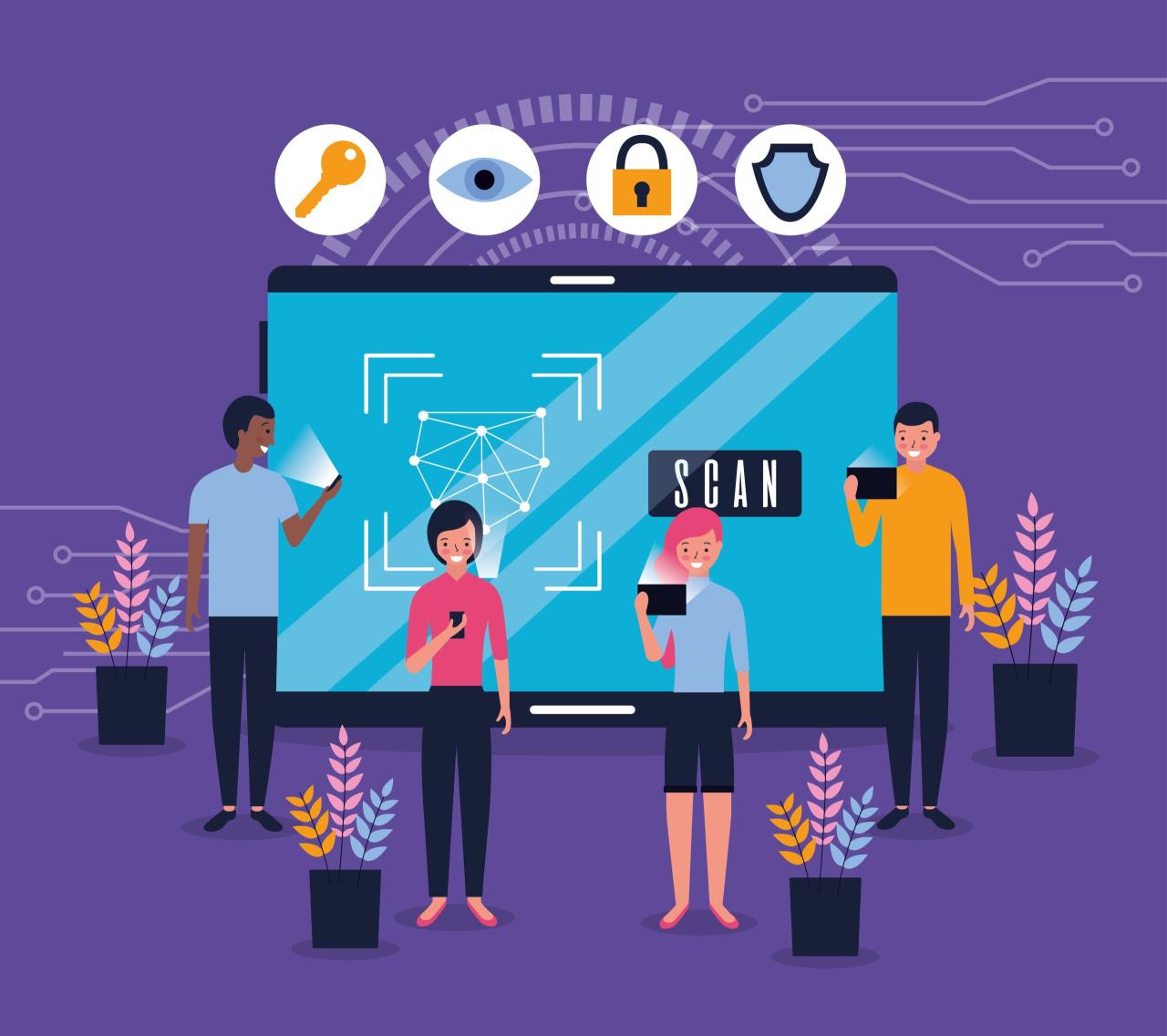
The rise of AI and cloud computing has revolutionized how businesses operate, but with this progress comes a new set of security challenges. Protecting customer data in these environments requires a proactive approach to identify and mitigate potential vulnerabilities. This section delves into the specific risks associated with AI and cloud computing, exploring the vulnerabilities, implications, and mitigation strategies.AI systems, while powerful, are not without their weaknesses.
These systems often rely on vast amounts of data for training, and if that data is compromised or biased, the resulting AI models can perpetuate and even amplify those issues, leading to discriminatory outcomes or inaccurate predictions. Cloud storage, while convenient, presents its own set of risks, including potential data breaches, unauthorized access, and data loss due to system failures or malicious attacks.
Understanding these risks is critical for safeguarding customer data and maintaining trust.
AI System Vulnerabilities
AI systems are vulnerable to various attacks that can compromise customer data. Training data bias can lead to discriminatory outcomes in areas like loan applications or hiring processes. Adversarial attacks, where malicious actors introduce subtle alterations to input data, can manipulate AI models to produce incorrect or harmful outputs. For instance, an attacker might subtly alter an image to fool a facial recognition system.
Furthermore, vulnerabilities in the AI algorithms themselves can allow unauthorized access to sensitive information. The intricate nature of some AI algorithms can make it difficult to fully understand their decision-making processes, increasing the risk of undetected errors or malicious manipulation.
Cloud Storage Risks
Cloud storage, while offering scalability and convenience, exposes businesses to a range of risks. Data breaches, where sensitive customer information is stolen or compromised, are a significant concern. Unauthorized access by insiders or external actors can lead to the exposure of confidential data. Data loss due to system failures, accidental deletion, or natural disasters can have severe consequences.
Moreover, the reliance on third-party providers for cloud storage raises concerns about compliance with data security regulations and the potential for data breaches at the provider level.
Comparison of Data Security Threats
AI and cloud computing environments present distinct but overlapping security threats. AI systems are susceptible to bias and adversarial attacks, while cloud environments face the risks of data breaches, unauthorized access, and data loss. Both environments require robust security measures to prevent malicious actors from exploiting vulnerabilities and protecting customer data. One critical difference lies in the complexity of the vulnerabilities.
AI systems’ vulnerabilities can be more difficult to detect and address due to the intricate nature of their algorithms.
Data Breach Implications
A data breach in either an AI or cloud environment can have severe consequences. Customer trust can be irreparably damaged, leading to loss of business and reputation. Financial repercussions can be substantial, including fines, legal fees, and compensation to affected customers. Moreover, a data breach can lead to regulatory penalties and a negative impact on the company’s stock price.
A significant example is the Equifax data breach of 2017, which had devastating consequences for the company’s reputation and financial standing.
Identifying and Mitigating AI Bias
AI bias in customer data can be identified through careful analysis of the training data used to develop AI models. Techniques like auditing data sets for potential biases, implementing diverse training datasets, and utilizing fairness-aware algorithms can help mitigate the impact of bias on customer data. For example, in a loan application process, an AI system that relies on biased historical data might unfairly deny loans to certain demographics.
Recognizing this bias and taking steps to address it can improve fairness and prevent discriminatory outcomes.
Data Breach Types and Impacts
| Data Breach Type | Potential Impact on Customer Data |
|---|---|
| Unauthorized Access | Exposure of sensitive information like passwords, financial data, and personal details. |
| Data Loss | Permanent loss of customer data due to system failures, accidental deletion, or malicious attacks. |
| Data Breaches | Theft or compromise of customer data by external actors. |
| Insider Threats | Unauthorized access or disclosure of data by employees or contractors. |
| AI Bias | Discriminatory outcomes in areas like loan applications or hiring processes based on biased training data. |
Implementing Robust Security Measures
Protecting customer data in the modern era requires a multi-layered approach, especially when dealing with the complexities of cloud computing and AI. This involves understanding and implementing robust security measures across the entire data lifecycle, from storage and transmission to processing. A proactive approach to security is crucial, shifting from a reactive posture to one that anticipates and mitigates threats.Implementing robust security measures involves a comprehensive strategy that extends beyond basic security protocols.
It necessitates the integration of advanced technologies and the adherence to best practices to ensure the confidentiality, integrity, and availability of sensitive customer data. This proactive approach not only protects customer data but also builds trust and fosters a positive brand image.
Securing Data in Cloud Environments
Cloud environments offer scalability and efficiency, but they also introduce new security challenges. Robust encryption and access controls are vital to safeguard data in the cloud. Data encryption, both at rest and in transit, is paramount. Implementing strong encryption algorithms, such as AES-256, is crucial. Access controls, such as role-based access control (RBAC), restrict access to sensitive data based on the user’s role and responsibilities.
Regular audits of cloud configurations are essential to ensure compliance with security policies and identify potential vulnerabilities.
The Role of AI in Enhancing Data Security
AI can significantly enhance data security by automating threat detection and prevention. AI-powered systems can analyze massive datasets in real-time to identify suspicious patterns and anomalies, which can indicate potential security breaches. These systems can learn and adapt to new threats, improving their accuracy and efficiency over time. For example, AI algorithms can identify phishing attempts, malicious code injections, and other cyberattacks with greater speed and precision than traditional methods.
Strong Authentication Methods
Robust authentication is essential to verify the identity of users accessing customer data. Multi-factor authentication (MFA) is a crucial element in protecting sensitive information. MFA requires users to provide multiple forms of identification, such as a password, a security token, or a biometric scan. This adds an extra layer of security, making it harder for unauthorized individuals to gain access to accounts.
The use of strong, unique passwords, combined with MFA, provides a robust defense against unauthorized access.
Securing Sensitive Data
Data security best practices should be applied consistently throughout the entire data lifecycle, from storage to transmission and processing. Data should be encrypted both at rest and in transit, particularly when transmitted across networks. Data loss prevention (DLP) tools can help identify and prevent sensitive data from leaving the organization’s control. Secure coding practices should be implemented to prevent vulnerabilities in software applications that handle sensitive data.
Authentication Methods Comparison
| Authentication Method | Strengths | Weaknesses |
|---|---|---|
| Password-based | Simple to implement | Easily compromised through password guessing, phishing, or brute-force attacks. Reliance on memorized secrets. |
| Multi-Factor Authentication (MFA) | Significant increase in security. | Increased complexity for users, potential for MFA failures. |
| Biometric Authentication | High security, user convenience | Potential for spoofing, privacy concerns regarding biometric data collection. |
| Token-based Authentication | High security, no need to remember passwords. | Potential for loss or theft of physical tokens. |
Regular Security Audits and Vulnerability Assessments
Regular security audits and vulnerability assessments are essential to identify and address potential security risks. These assessments should evaluate systems and processes for vulnerabilities and ensure compliance with industry standards and regulations. Penetration testing is another crucial element to simulate real-world attacks, identifying weaknesses in security controls and evaluating the effectiveness of security measures. Regular assessments and testing are critical for maintaining a proactive and robust security posture.
Protecting customer data in the AI and cloud era is tricky. You need robust security measures, and that includes meticulously reviewing AI code. Implementing tools like the ones discussed in Deploying AI Code Safety Goggles Needed is crucial. Ultimately, a layered approach, combining strong security protocols with rigorous code reviews, is key to keeping customer data safe and sound in this evolving digital landscape.
Data Privacy and Compliance

Navigating the digital landscape requires a robust understanding of data privacy regulations. As AI and cloud computing become integral parts of business operations, the need for meticulous compliance with these regulations becomes paramount. Failure to adhere to these standards can result in significant penalties and reputational damage. This section delves into the intricacies of data privacy regulations, their impact on modern data handling, and the critical role of data governance.
Relevant Data Privacy Regulations
Data privacy regulations, like GDPR (General Data Protection Regulation) and CCPA (California Consumer Privacy Act), are designed to safeguard personal information. These regulations establish principles for collecting, using, and storing data, empowering individuals with rights over their personal data.
Impact on AI and Cloud Computing, How to secure customer data in the age of ai and cloud computing
These regulations profoundly impact how AI and cloud-based systems handle customer data. For example, AI systems trained on vast datasets must ensure compliance with data minimization principles and obtain explicit consent for data usage. Cloud providers, as custodians of data, have a responsibility to implement security measures that align with these regulations. Data transfers across borders must also adhere to specific regulations, potentially necessitating additional security measures.
Implications of Non-Compliance
Non-compliance with data privacy regulations can lead to severe consequences. These include hefty fines, legal battles, damage to reputation, and erosion of consumer trust. For instance, a company failing to comply with GDPR could face fines exceeding millions of euros. This highlights the critical need for proactive compliance measures.
Data Governance for Compliance and Accountability
Data governance plays a pivotal role in ensuring compliance and establishing accountability. A robust data governance framework Artikels policies, procedures, and technical controls for managing data throughout its lifecycle. This framework should include clear definitions of roles and responsibilities for handling data, including data security officers and compliance teams. Implementing regular audits and reviews of data practices is also essential to maintaining compliance.
Comparison of Data Privacy Frameworks
Different data privacy frameworks, like GDPR and CCPA, have unique requirements. GDPR, with its emphasis on individual rights and data portability, differs from CCPA, which focuses on consumer rights to know, delete, and opt-out of data collection. The applicability of these frameworks depends on factors such as the industry, the location of data processing, and the nature of the data being collected.
Ensuring Transparency and User Control
Transparency and user control over their data are fundamental aspects of data privacy. This involves providing clear and concise information about how data is collected, used, and shared. Users should be empowered to access, correct, and delete their personal data. Employing user-friendly interfaces and providing readily available support channels are critical for facilitating transparency and user control.
Security Incident Response and Recovery
Responding to data breaches and security incidents is critical in today’s digital landscape. A robust incident response plan is not just a theoretical document; it’s a practical guide that dictates how an organization navigates a crisis, minimizes damage, and ultimately protects its reputation and customers. Failing to have a well-defined plan can lead to significant financial losses, reputational damage, and legal repercussions.
A proactive approach is essential to effectively limit the impact of a breach and ensure a swift and organized recovery.A comprehensive incident response plan goes beyond simply reacting to an incident; it’s a proactive strategy for preventing, detecting, containing, and recovering from a data breach. The plan must Artikel specific procedures, roles, and responsibilities to ensure a coordinated and efficient response.
This framework allows the organization to mitigate potential damage, maintain customer trust, and safeguard its long-term viability.
Crucial Steps in Responding to Data Breaches
A well-defined incident response plan is crucial for navigating a data breach effectively. It Artikels the specific steps to be taken, ensuring a coordinated and controlled response. These steps are designed to minimize the impact on customers and the organization.
- Immediate Containment: Immediately contain the breach to prevent further data exfiltration or damage. This involves isolating affected systems, blocking access, and securing compromised accounts. A swift containment strategy is vital to limit the extent of the breach.
- Assessment and Investigation: Thoroughly investigate the breach to understand the extent of the damage, identify the cause, and determine the compromised data. This detailed analysis is crucial for effective recovery and preventative measures. This includes examining logs, network traffic, and system configurations.
- Notification and Communication: Promptly notify affected customers and relevant regulatory bodies about the breach. Transparency and clear communication are paramount in maintaining trust and minimizing potential legal issues. This includes outlining the steps taken to mitigate the breach and the support provided to affected individuals.
- Data Recovery and Remediation: Recover and restore affected data from backups. Implement measures to prevent future incidents. This involves identifying the root cause of the breach and implementing security upgrades and training programs to avoid future vulnerabilities.
Limiting the Impact of a Breach
Minimizing the impact of a data breach requires a multi-faceted approach. Proactive measures and rapid response protocols are essential to protecting customers and the organization.
- Customer Support and Assistance: Offer immediate and comprehensive support to affected customers, providing guidance and resources to help them mitigate potential consequences. This includes offering credit monitoring services, identity theft protection, and other support mechanisms.
- Financial Mitigation: Assess the financial implications of the breach, including legal costs, customer compensation, and reputational damage. Developing a plan to address these financial burdens is vital for organizational recovery.
- Public Relations and Reputation Management: Respond to media inquiries and public concerns in a transparent and responsible manner. Communicating clearly and promptly is crucial for maintaining public trust and limiting the negative impact on the organization’s reputation.
Importance of a Comprehensive Incident Response Plan
A well-defined incident response plan is essential for navigating a data breach. It Artikels procedures, roles, and responsibilities to ensure a coordinated and efficient response. This proactive approach minimizes damage and maintains customer trust.
- Proactive Preparation: A comprehensive plan allows the organization to prepare for potential incidents, outlining procedures for various scenarios. Proactive measures include regular security audits, vulnerability assessments, and employee training.
- Clear Roles and Responsibilities: The plan clearly defines roles and responsibilities within the organization, ensuring a coordinated response to a breach. This includes designating individuals responsible for different aspects of the response, such as communication, investigation, and recovery.
- Continuous Improvement: Regularly review and update the incident response plan based on lessons learned from previous incidents and emerging threats. This iterative process allows the organization to adapt to changing security landscapes.
Examples of Successful Incident Response Strategies
Various organizations have successfully navigated data breaches. These examples highlight the importance of proactive planning and rapid response.
- Rapid Containment: Quick containment of a breach is vital to limit the scope of the incident. Successful strategies involve isolating affected systems, blocking access to compromised data, and securing accounts.
- Transparent Communication: Transparent communication with affected customers is critical. This includes clear notification about the breach, the steps taken to mitigate it, and the support provided.
Data Backups and Disaster Recovery Procedures
Regular data backups and disaster recovery procedures are critical for data protection and business continuity. These measures ensure the organization can recover from data loss and resume operations.
- Data Backup Strategies: Implement various data backup strategies, such as full backups, incremental backups, and differential backups. Regular backups ensure that data can be restored in case of a data loss incident.
- Disaster Recovery Planning: Develop a disaster recovery plan to ensure business continuity in the event of a major disruption, such as a natural disaster or cyberattack. This plan Artikels the steps to be taken to restore operations and minimize downtime.
Data Breach Response Plan Flowchart
The flowchart below Artikels the steps involved in a data breach response plan.
+-----------------------------------+
| Incident Detected                   |
+-----------------------------------|
|   |                               |
|   V                               |
+-----------------------------------+
|  Contain the Incident             |
+-----------------------------------|
|   |                               |
|   V                               |
+-----------------------------------+
|  Assess and Investigate the Breach |
+-----------------------------------|
|   |                               |
|   V                               |
+-----------------------------------+
| Notify Affected Parties and Regulators |
+-----------------------------------|
|   |                               |
|   V                               |
+-----------------------------------+
|  Data Recovery and Remediation     |
+-----------------------------------+
|   |                               |
|   V                               |
+-----------------------------------+
|  Review and Improve Response Plan  |
+-----------------------------------+
Ethical Considerations in AI and Data Security: How To Secure Customer Data In The Age Of Ai And Cloud Computing

The integration of artificial intelligence (AI) into data security systems presents a complex interplay of opportunities and ethical challenges.
As AI algorithms become more sophisticated, the need to understand and mitigate potential biases, ensure responsible data use, and maintain human oversight becomes paramount. AI’s potential to automate and enhance security measures is undeniable, but its ethical implications must be carefully considered to prevent unintended harm and discrimination.
AI systems, while powerful, can inherit and amplify biases present in the data they are trained on. This can lead to unfair or discriminatory outcomes when applied to customer data. For example, if a facial recognition algorithm is trained predominantly on images of one demographic, it may perform poorly or inaccurately on images of other groups, leading to inaccurate or discriminatory outcomes in customer service or security protocols.
Understanding these potential biases and implementing safeguards is crucial to ensure fair and equitable treatment for all customers.
Potential Biases in AI Systems
AI models, trained on vast datasets, can reflect existing societal biases. If the training data contains stereotypes or prejudices, the AI system will likely perpetuate them in its decision-making processes. For instance, if a loan application review system is trained on historical data that reflects discriminatory lending practices against a particular demographic, the AI may perpetuate this bias, potentially denying loans to qualified applicants from that group.
Therefore, meticulous attention to the quality and representativeness of training data is essential to mitigate bias.
Data Ownership and Control in Cloud Environments
Cloud computing offers significant advantages in terms of scalability and cost-effectiveness, but it also raises concerns about data ownership and control. Customers entrust their data to cloud providers, which raises questions about the provider’s responsibility for security, the implications of data breaches, and the transparency of data usage. Robust contracts and clear agreements between customers and cloud providers are crucial to delineate roles, responsibilities, and data ownership.
For instance, a company should ensure that contracts with cloud providers clearly Artikel the company’s rights to access, modify, and delete its data, and specify the provider’s obligations regarding data security.
Examples of AI-Driven Discrimination
AI systems can inadvertently discriminate against certain customer groups if not carefully designed and monitored. For example, an AI-powered customer service chatbot might exhibit bias in its responses based on the training data, leading to a less satisfactory or even discriminatory experience for certain customer segments. Such biases can result from a lack of diversity in the data used to train the model, or from algorithmic design flaws that amplify existing societal inequalities.
Importance of Human Oversight
While AI can automate many aspects of data security, human oversight remains critical. Humans are needed to interpret AI-generated alerts, assess risk levels, and intervene when necessary to prevent errors or mitigate potential harm. Human judgment is invaluable in understanding the context behind AI-generated outputs, especially when dealing with sensitive customer data. Human review processes should be integrated into AI systems to identify and address potential biases or errors.
Responsibilities of Organizations
Organizations have a critical role to play in ensuring the ethical use of AI and data security. This includes conducting thorough assessments of AI systems to identify potential biases, developing policies to mitigate risks, and fostering a culture of ethical awareness and accountability within the organization. Companies must establish clear guidelines and protocols for the collection, use, and storage of customer data, as well as procedures for responding to data breaches or security incidents.
For instance, a company should have a well-defined process for auditing AI systems to ensure they are not perpetuating bias or discrimination against customer groups.
Future Trends in Data Security
The landscape of data security is constantly evolving, driven by rapid advancements in technology. Emerging technologies like quantum computing and AI present both opportunities and challenges for safeguarding sensitive information. Organizations must proactively adapt their security strategies to address these new threats and leverage the potential benefits of these innovations.
Quantum Computing’s Impact on Current Security Measures
Quantum computing holds the potential to break many of the encryption methods currently used to protect data. This revolutionary technology leverages quantum phenomena to perform calculations far exceeding the capabilities of classical computers. For example, Shor’s algorithm, a quantum algorithm, could potentially decipher widely used encryption methods like RSA, which rely on the difficulty of factoring large numbers.
- Mitigation Strategies: The threat posed by quantum computing necessitates a proactive approach to data security. Researchers are already working on quantum-resistant cryptography, exploring methods that are immune to attacks from quantum computers. This includes developing new algorithms and encryption protocols designed to withstand the power of quantum computers. For instance, the National Institute of Standards and Technology (NIST) is actively involved in standardization efforts for quantum-resistant cryptography.
This proactive approach will be crucial in ensuring data integrity in the future.
AI’s Role in Proactive Threat Detection and Response
Artificial intelligence is transforming cybersecurity by enabling proactive threat detection and response. AI algorithms can analyze massive datasets of network traffic, user behavior, and security logs to identify anomalies and potential threats far more efficiently than traditional methods.
- Example of AI in Action: Machine learning algorithms can detect unusual patterns in user login attempts or network traffic, raising alerts for potential intrusions. This allows for faster response times and mitigation of threats before they escalate.
- Future Applications: AI can also be used to automate incident response processes, allowing for faster containment and recovery from security breaches. The integration of AI with existing security tools promises to strengthen overall cybersecurity postures, leading to more secure environments.
Future Trends in Data Privacy Regulations
Data privacy regulations are likely to become even more stringent in the future, reflecting growing public awareness and concerns about data security. International bodies like the European Union and other regions are expected to introduce stricter guidelines.
- Potential Changes: Regulations may extend to encompass new technologies like AI and the cloud, mandating transparency and accountability for data processing. Greater emphasis on data minimization, data subject rights, and stricter penalties for violations are likely to emerge. The evolving nature of data protection legislation will necessitate ongoing vigilance from organizations to ensure compliance.
Preparing for Future Challenges
Organizations must adopt a proactive approach to future security challenges. This includes investing in research and development of quantum-resistant cryptography, implementing AI-powered security tools, and staying informed about evolving privacy regulations.
- Organizational Adaptation: Continuous security training and awareness programs for employees are essential. This should encompass best practices for handling sensitive data, identifying phishing attempts, and reporting suspicious activities.
- Example of Security Adaptation: Cloud security providers are implementing advanced security features and offering specialized services to protect data in the cloud environment. This includes multi-factor authentication, encryption, and access controls tailored to cloud platforms.
Final Conclusion
In conclusion, securing customer data in the age of AI and cloud computing is a multifaceted challenge demanding a proactive and multifaceted approach. By understanding the risks, implementing robust security measures, prioritizing data privacy, and developing effective incident response plans, businesses can safeguard sensitive information, maintain customer trust, and navigate the evolving landscape of data protection. This journey into the heart of data security highlights the importance of staying informed and adaptable in this constantly changing technological environment.
Frequently Asked Questions
What are some common types of data breaches?
Common data breaches include phishing attacks, malware infections, insider threats, and vulnerabilities in software or hardware. Each type presents a unique set of challenges in terms of prevention and recovery.
How can AI be used to enhance data security?
AI can enhance data security through threat detection, anomaly detection, and predictive analysis. AI algorithms can identify patterns and anomalies that human analysts might miss, leading to faster response times and more effective security measures.
What are the implications of non-compliance with data privacy regulations?
Non-compliance with data privacy regulations can lead to significant penalties, reputational damage, and legal action. The specific consequences depend on the violated regulations and the severity of the breach.
How does quantum computing affect current security measures?
Quantum computing presents a potential threat to current encryption methods. This necessitates exploring and developing new encryption techniques to maintain security in the face of this emerging technology.