How to Spot Fake Twitter Accounts A Guide
How to spot fake Twitter accounts is crucial in today’s online world, where misinformation and impersonation are rampant. Authenticity is key, and knowing the telltale signs of a fabricated profile can protect you from scams, misinformation, and harmful content. This guide dives deep into identifying suspicious profiles, activities, and connections, equipping you with the knowledge to discern genuine from fraudulent accounts.
From analyzing profile completeness to evaluating account activity and connections, we’ll explore the various methods to uncover fake accounts. We’ll also examine account behavior, red flags, and the use of third-party tools to verify authenticity, arming you with the skills to navigate the digital landscape safely and confidently.
Identifying Suspicious Account Profiles
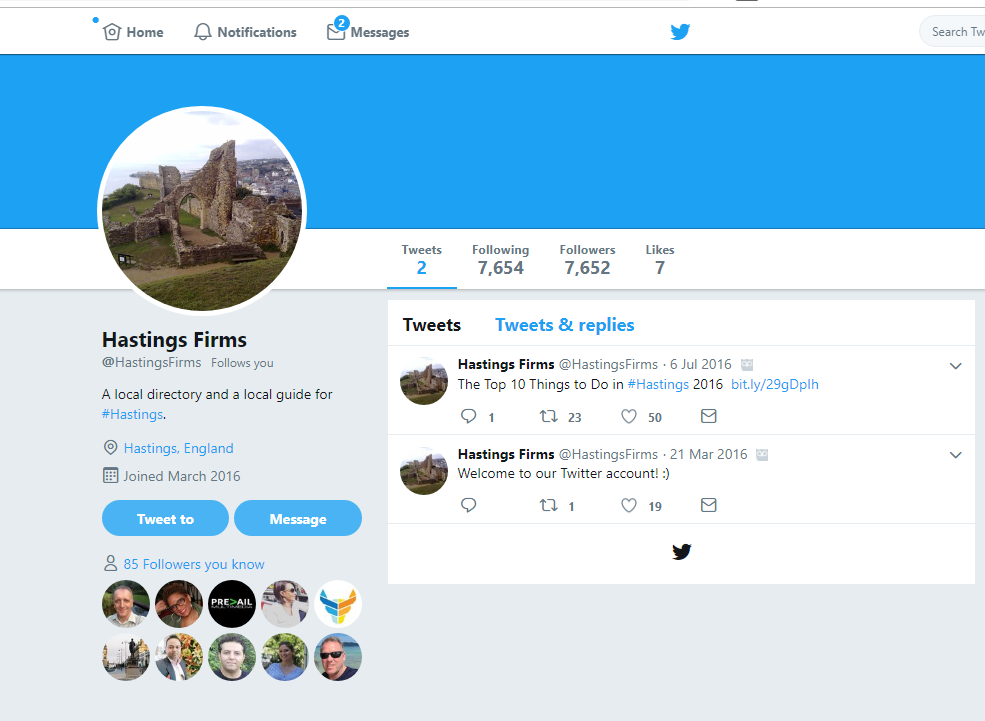
Unmasking fake Twitter accounts requires a keen eye for detail. Beyond the obvious signs of impersonation, subtle characteristics can reveal a profile’s authenticity. Understanding these nuances helps distinguish genuine accounts from carefully crafted facades. This deeper dive into suspicious account profiles will equip you with the tools to spot potential deception.Profile completeness, or its lack thereof, often hints at the authenticity of an account.
Inconsistent or incomplete profiles can raise red flags, especially when coupled with other suspicious characteristics. Genuine accounts, driven by user engagement and personal expression, tend to be more detailed and well-rounded.
Ten Characteristics of a Fake Twitter Account Profile
Profile creation often follows a pattern of mimicking genuine accounts, but frequently falls short in crucial details. This is where the attentive observer can uncover the truth. These 10 characteristics are crucial indicators to be mindful of when assessing a Twitter profile.
- Inconsistent or Mismatched Information: Fake profiles often present inconsistent information across different social media platforms. For instance, a profile might claim a different profession on LinkedIn than on Twitter, or the listed location might not match their online presence on other sites.
- Limited or Nonexistent Bio: A profile with a scant or non-existent bio is a strong red flag. Genuine users usually take the time to introduce themselves and their interests, making their presence felt.
- Generic or Unusual Profile Picture: A stock photo, a picture of a famous person, or an image that is strikingly unusual for the user’s purported identity can suggest a fabricated profile. The picture may seem generic or even inappropriate for the person’s supposed profession or interests.
- Overly Enthusiastic or Promotional Tweets: Profiles that consistently promote products or services, or express unusually strong opinions, might be trying to manipulate or deceive.
- Lack of Engagement with Others: Fake accounts often lack engagement with other users. They might not reply to comments, retweet, or engage in conversations in the same way a genuine account would.
- Rapid Account Creation and Activity: Accounts created in a short period and exhibiting an unusual amount of activity within a brief timeframe may be suspicious.
- Suspicious Use of Hashtags: Using an unusual or inappropriate set of hashtags, or an excessive amount of them, can indicate a fabricated account.
- Absence of Personal Photographs: The lack of personal photographs in a profile, especially when the user claims to be a person in a particular field, suggests a fabricated account.
- Implausible or Overly Perfect Profile: A profile that presents an unrealistic or overly perfect image of the user’s life can be a sign of fabrication.
- Rapid Change in Profile Information: If a user rapidly changes their profile picture, bio, or other details, this could indicate an attempt to disguise the account or cover up inconsistencies.
Profile Completeness and Fake Accounts
The level of profile detail can be a crucial indicator. A lack of information can raise suspicions, particularly when combined with other red flags. A well-rounded profile, showcasing personal details and interests, often suggests a genuine account.
Comparing Profile Pictures
Genuine accounts often feature personal photos that reflect the user’s personality and interests. These pictures might be taken in different settings, showcasing their hobbies or life experiences. Fake accounts, on the other hand, might use stock photos, generic images, or even pictures of famous people, to mask their true identity.
| Fake Account Feature | Description | Example | Impact on Credibility |
|---|---|---|---|
| Profile Picture | Generic or stock images, pictures of famous people, or images that don’t align with the claimed identity. | A profile claiming to be a doctor using a picture of a model. | Lowers credibility significantly as it suggests the account is not genuine. |
| Bio | Vague, incomplete, or non-existent biographical information. | A bio that simply says “I love Twitter.” | Indicates a lack of commitment to the profile and authenticity. |
| Tweet Content | Overly promotional or repetitive tweets, or a lack of engagement with others. | A profile constantly promoting cryptocurrency investments. | Suggests a potential scam or promotional activity rather than genuine interaction. |
Evaluating Account Activity and Engagement
Spotting a fake Twitter account isn’t just about looking at the profile; it’s crucial to analyze their activity. Real users engage with the platform in a consistent, often unpredictable way. Understanding the patterns of fake accounts is key to identifying them. This section delves into the telltale signs of automated or inauthentic activity.Fake accounts often operate with an unnatural rhythm, sharply contrasting with the organic flow of genuine user activity.
This inauthenticity manifests in various ways, making it important to evaluate account behavior beyond just profile details. Let’s examine the specific patterns and strategies used by these accounts to mimic authentic engagement.
Typical Activity Patterns of Fake Accounts
Fake accounts frequently exhibit erratic and unnatural posting habits. They might post a large volume of tweets in a short period, followed by extended periods of inactivity. This is in stark contrast to real users who engage with the platform more consistently. Furthermore, the content of these tweets often lacks originality, reflecting a lack of human interaction.
Strategies for Rapid Follower Acquisition
Fake accounts often employ aggressive tactics to gain followers quickly. These methods include following and unfollowing a large number of users, or using automated tools to boost their follower count. This rapid growth is a common red flag, as it doesn’t align with the gradual and organic growth of genuine users. Some examples of these automated strategies include using bots or services designed to increase follower counts quickly.
Frequency and Nature of Tweets
The frequency and content of tweets are key indicators. Real users tend to post tweets at varied intervals, often responding to events or engaging in conversations. Fake accounts, conversely, may post numerous tweets with similar content, seemingly automated and lacking personal touch. This pattern is more easily detected by examining the regularity of tweets and the similarity in content.
Comparison of Fake vs. Genuine Accounts
| Feature | Fake Account | Genuine Account |
|---|---|---|
| Tweet Frequency | High, often erratic bursts followed by inactivity | Moderate, consistent, varying with activity levels |
| Engagement (Likes/Retweets) | Low, often artificially boosted | High, organically generated |
| Tweet Content | Repetitive, generic, often promotional or spammy | Varied, original, reflecting user’s interests and conversations |
| Follower Growth | Rapid, unnatural increase | Gradual, organic increase |
Evaluating Account Age, Tweets, and Follower Growth
A systematic approach to evaluating accounts helps identify potential fakes. Consider the age of the account relative to its follower count. A very new account with a substantial follower base raises suspicion. The number of tweets should also be assessed. An account with a large number of tweets but minimal engagement could be a sign of automation.
Finally, the rate of follower growth is crucial. A sudden surge in followers without corresponding engagement is highly suggestive of inauthentic activity. For instance, an account created in the last week with 10,000 followers might be a suspicious account. A key indicator is a sudden, large follower growth without corresponding engagement or activity from the account.
Examining Account Connections and Networks
Unmasking fake Twitter accounts often hinges on understanding the connections and networks they cultivate. Just as a real person’s social circle reflects their interests and background, a Twitter account’s followers and following can reveal patterns that suggest inauthenticity. Examining these connections can help identify suspicious accounts and potentially uncover coordinated efforts to spread misinformation or engage in malicious activity.
Follower and Following Analysis
Analyzing a user’s follower and following count alone isn’t sufficient, but it’s a crucial first step. Significant discrepancies between the number of followers and the number of accounts being followed often point to something amiss. A user with a substantial follower count but a very small following might be a bot or a coordinated effort. Similarly, an account with a very large following but few followers could be a part of a network attempting to inflate their influence.
Unusual Follower Patterns
Beyond simple ratios, examining thetypes* of followers is critical. Are the followers largely inactive accounts or accounts with similar, unusual characteristics? Are the followers predominantly located in areas that don’t align with the account’s purported interests or location? This type of pattern analysis can help reveal suspicious follower acquisition strategies. For example, a political account suddenly gaining a surge of followers primarily from accounts promoting a competing political stance might raise suspicion.
Suspicious Follower Clusters
A key element in detecting fake accounts is recognizing groups of suspicious accounts connected to one another. These clusters often share similar characteristics, such as unusual activity patterns, identical or strikingly similar bios, or coordinated engagement. Identifying these interconnected networks can expose coordinated inauthentic activity. Consider a cluster of accounts all promoting the same product or service, but all with similar follower patterns.
This might be a coordinated effort to boost sales or manipulate sentiment.
Using Twitter’s Analysis Tools, How to spot fake twitter accounts
Twitter itself provides tools for analyzing accounts’ followers and following. These tools allow users to see follower demographics, locations, and activity patterns. Analyzing the follower count growth rate over time, as well as the engagement metrics of the account and its followers, is crucial. Using Twitter’s built-in tools, you can export data to further investigate potential connections.
Spotting fake Twitter accounts can be tricky, but looking for inconsistencies in profile pictures and bios is a good start. Also, check if the account has a verified badge – a key indicator. The Department of Justice recently announced a new safe harbor policy for Massachusetts transactions, Department of Justice Offers Safe Harbor for MA Transactions , which, while unrelated, highlights the importance of verifying information online.
Always be cautious and scrutinize any suspicious activity or unusual requests, which can help you avoid falling victim to impersonation or scams on social media.
Table of Suspicious Patterns
| Account Feature | Suspicious Pattern | Potential Explanation |
|---|---|---|
| Follower/Following Ratio | Extremely high follower count compared to following, or vice versa | Possible bot account or coordinated network |
| Follower Demographics | Followers predominantly from unusual locations or with similar, unusual characteristics | Potential for coordinated activity or bot manipulation |
| Follower Engagement | Followers primarily engaging with the account in a repetitive, unusual way | Coordinated activity or bot engagement |
| Account Connections | High concentration of followers or followings with similar account characteristics or unusual follower patterns | Network of coordinated accounts or bot accounts |
| Account Activity | Sudden spikes in activity or posts that seem unusually frequent | Possible coordinated activity or bot account |
Analyzing Account Behavior and Communication
Spotting a fake Twitter account often boils down to recognizing subtle but telling patterns in their behavior and communication. A genuine user typically exhibits a consistent and relatable online persona, whereas a fake account may appear rushed, overly enthusiastic, or strangely detached. Analyzing the nuances of their tweets and interactions can reveal crucial clues to their authenticity.
Suspicious Tweet Characteristics
Fake accounts frequently display erratic or suspicious patterns in their tweets. These patterns often include a lack of context, sudden shifts in tone, and a disregard for common Twitter etiquette. Understanding these characteristics is vital for discerning genuine interactions from fabricated ones.
- Inconsistent Tone and Style: A fake account might abruptly switch between formal and informal language, or display a highly enthusiastic tone in one tweet, followed by a dispassionate tone in the next. This inconsistency is often a giveaway, as genuine users maintain a consistent style over time.
- Lack of Context or Relevance: Tweets from fake accounts might lack context or relevance to the account’s supposed interests. They may randomly tweet about unrelated topics or use irrelevant hashtags. This lack of coherence is a clear indicator of a manufactured presence.
- Excessive Use of Emojis or Caps Lock: While emojis can be a part of genuine communication, an excessive or inappropriate use of emojis or all-caps text might suggest an attempt to artificially increase engagement or create a sense of urgency.
- Unusual or Aggressive Language: Fake accounts may use aggressive or offensive language, or make inflammatory statements that are out of character for the person they are impersonating. Genuine accounts usually avoid such behavior.
Spammy or Automated Interactions
Automated accounts frequently engage in spammy or repetitive interactions. These interactions, while sometimes subtle, can provide valuable insights into the account’s authenticity. A genuine user typically interacts with a wider range of people and topics, whereas a fake account’s activity is often focused on achieving specific goals.
- Repetitive Tweets or Messages: Automated accounts might repeatedly post the same message or a series of similar messages, often promoting a product or service. This repetition is a clear indicator of automation.
- Rapid Posting Frequency: A fake account might post tweets at an unusually high rate, exceeding the typical frequency of a genuine user. This high volume of tweets is often a sign of automated posting.
- Engagement with Multiple Accounts: Automated accounts might interact with many different accounts simultaneously. This widespread engagement, often with accounts outside their normal social circle, is another red flag.
- Unusual or Automated Replies: The replies from a fake account might be generic, formulaic, or delivered at an unusually rapid pace. This lack of personalized interaction is a key indicator of automated responses.
Identifying Automated Tweets
Distinguishing between automated and human-written tweets requires careful observation of the content and its delivery. While some automated systems are becoming increasingly sophisticated, key characteristics remain.
- Grammar and Spelling Errors: Automated tweets often contain grammatical or spelling errors, which are less common in tweets written by humans.
- Lack of Personal Expression: Human-written tweets often display a personal touch, including anecdotes, opinions, or emotional expressions. Automated tweets typically lack this depth.
- Use of Specific s: Automated tweets may include specific s or phrases associated with promotional campaigns. This -based approach is often employed by automated systems.
- Lack of Contextual Awareness: Human-written tweets often demonstrate awareness of current events or trends, reflecting a user’s engagement with the world around them. Automated tweets often lack this contextual awareness.
Impersonation Tactics
Fake accounts often attempt to impersonate other users. This impersonation is often motivated by malicious intent, including the theft of credentials or the spread of misinformation. Recognizing these impersonation tactics can help protect you from fraud and manipulation.
- Mimicking Account Style: Fake accounts might mimic the style and language of a genuine account to gain trust and credibility.
- Misleading Biographies: Fake accounts may use misleading biographies to create a false sense of legitimacy. They might misrepresent their profession, location, or interests.
- Using Similar Names or Handles: Fake accounts might use a name or handle very similar to a genuine account to trick people into believing they are interacting with the real person.
- Seeking to Obtain Credentials: Impersonators might engage in deceptive behavior to gain access to sensitive information, such as login credentials.
Checking for Red Flags and Unusual Indicators
Spotting a fake Twitter account often involves looking beyond the obvious. It’s not just about a profile’s appearance; it’s about analyzing the patterns of activity and connections. A fake account, designed to mislead or manipulate, will frequently exhibit telltale signs that differ from genuine user behavior. This section delves into recognizing these red flags and unusual activity patterns.
Common Red Flags Suggesting a Fake Account
Identifying red flags is crucial in discerning genuine from fraudulent accounts. These flags often point to automated or manipulated profiles, rather than those created by real individuals. Understanding these indicators can significantly enhance your ability to identify potential imposters.
- Suspicious Biographies: A profile with a vague or overly promotional bio, lacking personal details, might indicate a fabricated identity. A bio that’s identical to multiple other accounts, or one that’s unusually lengthy and detailed about an unrelated subject, can also raise suspicion. For instance, a profile claiming to be a renowned chef might have a bio focused on their skills in graphic design.
- Inconsistent or Implausible Information: A profile’s stated occupation, location, or interests that clash with their activity or connections can raise questions. For example, an account claiming to be a student in New York City that only posts about their hobbies in a distant location is suspicious.
- Lack of Engagement or Interaction: An account with very little engagement—few likes, retweets, replies, or mentions—compared to other similar accounts suggests a lack of genuine interest or human interaction. A profile with minimal followers and little interaction with others can be a significant indicator of a fabricated presence.
- Rapid or Unusual Growth: An account gaining a significant number of followers or engagement in a short period might be an indication of automated methods or coordinated effort. Look for accounts that have dramatically increased their following or interaction overnight. A pattern of sudden and significant growth is a cause for concern.
- Automated Account Behavior: This includes a high volume of posts at irregular intervals, the use of automated tools to increase engagement, or posting content that appears overly generic or promotional. For instance, a profile promoting a specific product or service with no other content or personal details could be suspicious.
Analyzing Unusual Activity Patterns
Analyzing unusual activity patterns in a Twitter account is a critical aspect of identifying potential fakes. Unusual patterns can suggest automation or manipulation rather than organic human activity. A close examination of posting frequency, content types, and engagement levels can reveal these inconsistencies.
- Posting Frequency: Observe the regularity of posts. A pattern of posts at unusual intervals, such as every few minutes, can suggest automation. A sharp increase or decrease in posting frequency might be an indicator of a change in strategy or methods used.
- Content Analysis: Scrutinize the content itself. Examine the tone, style, and topics. Inconsistencies or a lack of personalization in the content can be a sign of a fake account. Is the language consistent with the account’s supposed background or interests? For instance, if the account claims to be a student of literature, are the posts about contemporary poetry and critical analysis or something entirely different?
- Engagement Analysis: Evaluate the types and levels of engagement with other accounts. Look for unusual or disproportionate engagement, such as unusually high numbers of likes or retweets on particular posts. An account engaging mostly with a small group of accounts or consistently liking similar content is worth noting.
Potential Warning Signs of a Fake Twitter Account
A compilation of warning signs can help to identify potentially fake accounts. By considering these factors, users can better protect themselves from malicious actors and false representations.
| Red Flag | Description | Example |
|---|---|---|
| Frequent Use of Automated Tools | Employing tools to automatically increase followers, likes, or retweets. | Posting identical comments across multiple accounts. |
| Suspicious Links | Including links to untrusted or suspicious websites. | Promoting a product with a link to a domain that looks unfamiliar. |
| Generic or Promotional Content | Overemphasis on marketing or promotion with minimal original content. | A profile primarily focused on selling a specific service. |
| Inconsistent Profile Information | Disagreements between the account’s profile and activity. | A profile claiming to be a local artist, yet only posting about abstract concepts. |
| Lack of Personal Details | Missing personal details that make the profile feel less authentic. | A profile with no information about interests, hobbies, or background. |
Common Automated Account Behaviors
Automated accounts often exhibit specific behaviors that can be detected through careful observation. Recognizing these behaviors is vital in distinguishing genuine from artificial activity.
- High Volume of Posts: Frequent posting, often at irregular intervals, can be a sign of automation.
- Lack of Personalization: Generic content and a lack of unique input can be indicative of a manufactured account.
- Unusual Engagement Patterns: Automated engagement, such as excessive likes or retweets, is a common method used to enhance the profile’s appearance.
- Use of Bots or Software: Accounts using bots or automated software to interact with other users or engage in content promotion should be scrutinized.
Using Third-Party Tools and Resources
Unraveling the complexities of social media often requires external assistance. Third-party tools and resources can significantly enhance your ability to identify potentially fraudulent or inauthentic accounts. These tools leverage algorithms and data analysis to provide insights that can be difficult to discern through simple observation.Leveraging these tools allows for a more comprehensive evaluation of account authenticity, moving beyond surface-level analysis.
Spotting fake Twitter accounts can be tricky, but a little vigilance goes a long way. Look for unusual usernames, profiles with minimal information, or suspicious links. Similarly, we need to be just as vigilant in software development, deploying AI Code Safety Goggles Needed, like those discussed in Deploying AI Code Safety Goggles Needed , to avoid introducing vulnerabilities.
This helps ensure the code is secure and trustworthy, just like verifying a Twitter account’s authenticity. Ultimately, it’s about being aware of potential red flags in both digital realms.
Their capacity to process large datasets and identify patterns that might otherwise go unnoticed provides a powerful complement to manual verification.
Third-Party Account Verification Tools
Third-party tools offer valuable support in verifying Twitter account authenticity. They analyze various factors, such as account creation dates, follower growth patterns, engagement levels, and more. These tools can help to pinpoint inconsistencies and red flags that might indicate a fake account.
Tools for Evaluating Account Activity
Several tools analyze account activity patterns to identify potential inconsistencies. These tools can help determine if the account’s activity aligns with the typical behavior of a legitimate account. Variations in posting frequency, engagement rates, and the timing of interactions can raise red flags.
- Social Blade: A popular tool for analyzing YouTube and other social media channels, Social Blade provides data on subscriber growth, video views, and engagement metrics. While not explicitly designed for Twitter verification, it demonstrates how similar platforms employ data analysis to assess account activity.
- SimilarWeb: SimilarWeb, primarily known for website traffic analysis, also gathers information on social media accounts. Although not exclusively focused on Twitter, this tool provides insights into the reach and engagement of accounts, offering a broader view of online presence and activity.
Analyzing Account Connections and Networks
Evaluating connections and networks is crucial for identifying suspicious accounts. Tools designed for social network analysis can uncover potential links between accounts that might suggest a coordinated effort to manipulate or spread misinformation.
Spotting fake Twitter accounts can be tricky, but often a red flag is a suspiciously perfect profile. Digging into the details of recent security breaches, like the Azure Cosmos DB Vulnerability Details, Azure Cosmos DB Vulnerability Details , highlights how important it is to be cautious online. Checking for inconsistencies in the account’s bio or activity patterns is key to avoiding scams and misinformation on social media platforms.
- Brand24: While not exclusively focused on Twitter verification, Brand24 provides comprehensive media monitoring and social listening capabilities. This tool can help identify patterns of interaction and connections between accounts, potentially revealing coordinated activities that could indicate fake accounts.
Accuracy and Limitations of Third-Party Tools
While third-party tools can be very helpful, they are not infallible. They rely on algorithms and datasets, which can be incomplete or biased. Their accuracy depends heavily on the quality and comprehensiveness of the data they process. Some tools might generate false positives or negatives, so careful consideration of the results is crucial.
Reputable Third-Party Tools
Using reputable tools is essential for accurate results. Researching and selecting tools with strong track records and positive user reviews can significantly enhance the reliability of verification. Tools should be reliable, accurate, and constantly updated to reflect changes in social media patterns.
- TweetDeck: TweetDeck, a Twitter-specific tool, can be used to monitor accounts and track their activity. Although not specifically designed to identify fake accounts, it facilitates efficient observation of follower trends, engagement, and posting habits, which are crucial for identifying potential inconsistencies.
- Social Searcher: Social Searcher is a comprehensive tool that helps you analyze social media accounts and their connections. It provides insights into follower networks and interactions, offering potential indicators of fake accounts.
Utilizing Tools for Reliable Verification
To leverage these tools effectively, consider these steps:
- Thorough Research: Research the tool’s specific features and capabilities to ensure they align with your needs for verifying accounts.
- Comprehensive Data Analysis: Evaluate the tool’s data analysis capabilities to understand how they identify potential fake accounts. Look for detailed metrics and explanations.
- Cross-Reference Findings: Combine the results from multiple tools and sources to corroborate potential inconsistencies and confirm the authenticity of accounts.
Final Review
In conclusion, identifying fake Twitter accounts requires a multifaceted approach. By understanding the characteristics of suspicious profiles, activity patterns, connections, and behaviors, you can significantly reduce the risk of encountering fabricated accounts. Using the tools and techniques Artikeld in this guide, you can confidently distinguish between genuine and fraudulent profiles, safeguarding yourself from scams and ensuring a more authentic online experience.
Answers to Common Questions: How To Spot Fake Twitter Accounts
How long does it typically take for a fake Twitter account to gain followers?
Fake accounts often use bots or automated methods to rapidly increase their follower count. They may not focus on quality interactions but instead prioritize quantity, making them potentially suspicious if they have an unusually high number of followers for their account age or activity.
What are some common red flags in a Twitter profile?
Unusual or incomplete profiles, a lack of engaging activity, suspicious follower patterns, and automated interactions are all potential red flags. Look for inconsistencies in a profile’s appearance, activity, and connections to spot a fake account.
Are there free tools to help identify fake accounts?
While some third-party tools offer account verification, many of them come with a cost. Using Twitter’s built-in tools, like analyzing follower/following patterns, can provide a good starting point, and looking at the account’s activity level over time is also a valuable approach. There are many free resources to identify potential red flags.
What if I suspect an account is impersonating someone else?
Look for inconsistencies in the account’s bio, profile picture, and tweets. Compare the account’s content with the target’s known content. If the account uses similar language or promotes similar topics, that might indicate an attempt to impersonate.