Huawei 5G Security Risks UKs Management Strategy
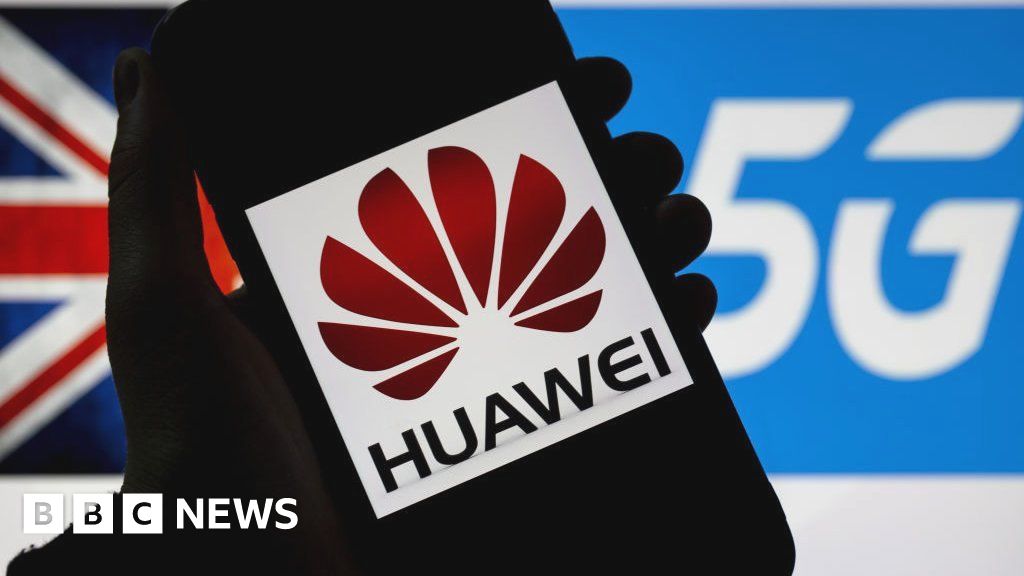
Huawei 5G mobile security risks can be managed says the UK, offering a nuanced perspective on a complex issue. The UK’s approach to integrating Huawei’s 5G technology into its infrastructure is attracting significant attention, particularly regarding the potential vulnerabilities and threats. This post examines the UK’s strategy, exploring potential mitigation measures and contrasting it with other global approaches.
The UK’s stance on Huawei 5G security raises critical questions about national security, data privacy, and the future of 5G infrastructure. Balancing technological advancement with security concerns is paramount, and the UK’s position offers a valuable case study in navigating these complexities.
Introduction to Huawei 5G Mobile Security Risks
The UK government has publicly stated that security concerns regarding Huawei’s involvement in its 5G infrastructure have been addressed. They assert that the necessary measures have been put in place to mitigate any potential risks. This assurance, however, comes amidst a broader debate about the trustworthiness of Chinese technology companies in critical infrastructure projects globally.The concerns surrounding Huawei’s 5G technology stem from geopolitical tensions and suspicions about potential vulnerabilities that could be exploited by foreign actors.
These concerns are not unique to the UK, with many countries grappling with similar dilemmas as they build out their 5G networks. The sensitive nature of 5G infrastructure, handling vast amounts of data and critical communications, necessitates rigorous security protocols. The potential for malicious access or data breaches has led to extensive scrutiny of companies like Huawei.Huawei’s involvement in the UK’s 5G rollout began several years ago.
The company’s significant presence in the infrastructure raises questions about potential access points for malicious actors, especially given the sensitive nature of the 5G network. The specific details of the UK’s measures to mitigate these concerns are not fully publicly disclosed, maintaining a degree of operational secrecy.
The UK’s recent stance on manageable Huawei 5G mobile security risks is interesting, but it’s important to consider broader security strategies. For instance, the Department of Justice Offers Safe Harbor for MA Transactions ( Department of Justice Offers Safe Harbor for MA Transactions ) highlights a different approach to mitigating risk, one focused on specific transaction types. Ultimately, navigating these security challenges across different sectors requires a multifaceted approach, and the UK’s position on Huawei is just one piece of the puzzle.
Security Risks Associated with Huawei 5G Technology
Security risks associated with any technology, especially one as critical as 5G, require careful assessment. This assessment must consider both potential vulnerabilities and the potential impact of exploitation.
| Risk Category | Potential Vulnerability | Potential Impact | Mitigation Strategies |
|---|---|---|---|
| Supply Chain Vulnerabilities | Compromised components or software within the Huawei supply chain could potentially contain malicious code or backdoors. | Unauthorized access to sensitive data, disruption of service, or even sabotage of critical infrastructure. | Independent audits of components, rigorous vetting of suppliers, and diversification of supply chains. |
| Backdoors or Hidden Functionality | Allegations of pre-existing or intentionally inserted backdoors in Huawei equipment. This could allow unauthorized access or manipulation of data. | Espionage, data theft, or manipulation of communications. | Rigorous security testing, transparent code reviews, and international collaboration to identify potential vulnerabilities. |
| Data Exfiltration | Potential for unauthorized transfer of data to external servers controlled by malicious actors. | Data breaches, compromised personal information, and disruption of critical operations. | Robust encryption protocols, strict data access controls, and continuous monitoring for suspicious activity. |
| Manipulation of Network Traffic | Possibility of tampering with network traffic to manipulate or intercept communications. | Disruption of service, eavesdropping on communications, or altering data for malicious purposes. | Advanced network security tools, real-time traffic monitoring, and intrusion detection systems. |
UK’s Perspective on Manageable Risks

The UK’s approach to integrating Huawei technology into its 5G infrastructure is a carefully considered balancing act. Recognizing the potential security concerns, the government has implemented stringent measures to mitigate risks while acknowledging the economic benefits of utilizing Huawei’s equipment. This approach differs from some other nations’ more outright bans or restrictions, highlighting the UK’s unique position on the issue.
Specific UK Approach to Huawei 5G Risk Management
The UK’s strategy focuses on a phased approach to 5G deployment, integrating Huawei equipment where deemed secure, while maintaining robust oversight and safeguards. This pragmatic approach prioritizes national security, economic competitiveness, and the need for a reliable 5G network. It acknowledges the complexities of the issue and attempts to strike a balance between competing interests. The UK’s government has actively sought to demonstrate that security measures are not just theoretical, but are practical and capable of protecting sensitive information.
Comparison with Other Countries’ Strategies
While the UK’s approach is to manage Huawei 5G risks, other countries have adopted different strategies. Some have completely banned Huawei equipment, citing security concerns as paramount. Others have opted for a cautious approach, allowing Huawei participation under strict conditions. These differing approaches reflect diverse national priorities and security assessments. The UK’s strategy is unique in its attempt to navigate the complexities of national security and economic interests.
The differences in approaches highlight the diverse geopolitical and technological contexts of each nation.
Mitigation Strategies Employed by the UK
The UK has implemented a variety of mitigation strategies to reduce the risks associated with Huawei 5G equipment. These measures aim to minimize vulnerabilities and ensure the integrity of the network. The comprehensive strategy is built on a foundation of ongoing monitoring and evaluation.
Security Measures Implemented by the UK
| Security Measure | Description | Implementation Detail | Impact/Effectiveness |
|---|---|---|---|
| Network Segmentation | Dividing the network into isolated segments to limit the impact of a potential security breach. | Implementing physical and logical separation of Huawei-related components from other parts of the network. | Reduces the potential for malicious actors to gain access to critical systems. |
| Security Audits and Penetration Testing | Regularly assessing the security posture of the network and identifying vulnerabilities. | Conducting thorough audits and penetration tests to discover and fix weaknesses in the Huawei equipment and its integration with the wider network. | Continuously improving the security of the network by identifying and mitigating potential vulnerabilities. |
| Independent Security Verification | Using third-party security experts to assess Huawei equipment and network configurations. | Hiring external security consultants to validate the security measures in place, ensuring compliance with standards. | Provides an objective evaluation of security practices, ensuring they meet international standards. |
| Robust Monitoring and Logging | Actively tracking network activity and detecting suspicious behavior. | Implementing sophisticated monitoring tools to identify and respond to potential security threats. | Enables prompt detection of any unusual network activity. |
Potential Vulnerabilities and Threats
The UK’s embrace of 5G technology presents exciting opportunities, but also necessitates a careful assessment of potential vulnerabilities. Huawei’s involvement, while a key player in the global 5G landscape, introduces unique security considerations that demand meticulous scrutiny. This section delves into the potential weaknesses in Huawei’s 5G networks and the associated threats, exploring their implications for data security, privacy, and national security within the UK context.The security of 5G infrastructure is a multifaceted concern, encompassing not just the equipment itself but also the software, supply chain, and potential exploitation by malicious actors.
Understanding these layers of vulnerability is crucial for developing robust defenses and mitigating potential risks to the UK’s 5G network.
Software Vulnerabilities
Huawei’s 5G network software, like any software system, can contain vulnerabilities. These vulnerabilities, if exploited, could allow unauthorized access to sensitive data, manipulation of network traffic, or even the complete disruption of service. The constant evolution of software and the complexity of modern 5G protocols necessitate continuous security updates and rigorous testing to mitigate these risks.
Hardware Vulnerabilities
Physical vulnerabilities in Huawei’s 5G hardware, such as backdoors or compromised components, pose a direct threat. These vulnerabilities could grant unauthorized access to the network’s core systems, allowing malicious actors to intercept communications or inject malicious code. Security protocols need to be incorporated into the design of the hardware to prevent such breaches.
Supply Chain Risks
The global nature of the 5G supply chain presents vulnerabilities at various stages, from component manufacturing to deployment. Compromised suppliers or malicious actors within the supply chain could introduce vulnerabilities into Huawei’s 5G equipment, compromising the integrity of the entire network. Robust supply chain security measures and independent verification processes are crucial to mitigate this risk.
Potential Threats and Actors
A wide range of actors, from individuals with malicious intent to state-sponsored groups, could exploit identified vulnerabilities in Huawei’s 5G networks. Sophisticated cyberattacks, using advanced techniques like zero-day exploits or sophisticated malware, could significantly impact the security of the UK’s 5G infrastructure.
The UK’s recent statement on manageable Huawei 5G security risks is interesting, but it’s crucial to remember that vulnerabilities exist in various systems. For instance, recent discoveries about Microsoft Azure Cosmos DB have highlighted potential weaknesses, as detailed in Azure Cosmos DB Vulnerability Details. While the UK emphasizes managing 5G risks, a broader perspective on security across all tech platforms is vital.
Implications for UK 5G Infrastructure
| Threat Type | Description | Potential Impact on UK 5G Infrastructure | Mitigation Strategies |
|---|---|---|---|
| Malware Infection | Malicious software introduced into the network to disrupt operations or steal data. | Data breaches, network disruption, denial of service attacks. | Robust security measures, regular software updates, intrusion detection systems. |
| Unauthorized Access | Gaining unauthorized access to network systems or sensitive data. | Data breaches, network compromise, espionage. | Strong authentication protocols, encryption, access control measures. |
| Denial-of-Service Attacks | Overwhelming the network with traffic to prevent legitimate users from accessing services. | Network downtime, disruption of critical services, economic losses. | Traffic management systems, intrusion prevention systems, DDoS mitigation techniques. |
| Supply Chain Attacks | Compromising components or equipment within the supply chain to introduce vulnerabilities. | Introduction of backdoors, compromised equipment, compromised security protocols. | Supply chain security assessments, independent verification, enhanced due diligence. |
Impact on Network Infrastructure and Services
The UK’s burgeoning 5G network, a crucial component of the nation’s digital infrastructure, is susceptible to security breaches. Understanding the potential ripple effects of such attacks is paramount for ensuring the reliability and quality of service across various sectors reliant on 5G connectivity. Compromised network infrastructure could have far-reaching consequences, impacting everything from critical communication systems to everyday conveniences.A security breach in a 5G network could have significant cascading effects, affecting the dependability and quality of services across various sectors.
This impact is not limited to a single industry; instead, it affects the entire ecosystem. The interconnected nature of modern systems means a vulnerability in one area can have unforeseen consequences in others.
Potential Consequences of Security Breaches
Security breaches in 5G infrastructure could lead to a wide range of consequences, ranging from disruption of service to potential sabotage. A compromised network could lead to denial-of-service attacks, data breaches, and even unauthorized access to sensitive information. The potential for malicious actors to disrupt critical services, like emergency response systems, is a serious concern.
Impact on Specific Services, Huawei 5g mobile security risks can be managed says the uk
The reliance on 5G for diverse services means a security breach can have varied and potentially severe consequences. Consider the impact on emergency services, which rely heavily on 5G for communication and data transmission. A disruption in these services could have catastrophic implications. Similarly, sectors like healthcare, transportation, and finance, all heavily reliant on 5G, would face significant operational challenges.
The UK’s recent statement on manageable Huawei 5G mobile security risks is encouraging, but a crucial step is deploying AI-powered code analysis tools, like those highlighted in Deploying AI Code Safety Goggles Needed. These tools can proactively identify vulnerabilities in software, ensuring the security of crucial network components and ultimately bolstering the overall security posture of 5G infrastructure.
This proactive approach is essential in mitigating risks associated with mobile networks, regardless of the vendor involved.
Impact on Quality of Service
Security breaches can significantly impact the quality of service provided by 5G networks. Latency issues, data loss, and network instability are all potential consequences. These problems can result in degraded performance, affecting user experience and potentially causing substantial financial losses for businesses reliant on 5G. Furthermore, the reduced reliability can deter investment and hinder innovation within the sector.
Comparative Analysis of Sectoral Impact
| Sector | Potential Impact of Security Breach | Example Consequences | Mitigation Strategies |
|---|---|---|---|
| Emergency Services | Disruption of communication, hindering response times, jeopardizing lives | Inability to transmit critical information during emergencies, delays in dispatching resources | Robust encryption protocols, intrusion detection systems, redundant communication channels |
| Healthcare | Compromised patient data, disruption of remote monitoring systems, impacting treatment | Exposure of confidential medical records, malfunctioning remote surgery equipment | Strong authentication measures, secure data storage, regular security audits |
| Finance | Unauthorized access to financial data, fraudulent transactions, disruption of financial markets | Stolen customer information, manipulation of stock prices, loss of investment capital | Advanced encryption technologies, multi-factor authentication, real-time fraud detection systems |
| Transportation | Disruption of traffic control systems, compromising safety of passengers, potential accidents | Interruption of navigation systems, malfunctioning traffic lights, increased risk of accidents | Secure communication protocols, backup systems for critical infrastructure, regular security testing |
Alternative Solutions and Mitigation Strategies
Navigating the complex landscape of 5G necessitates a comprehensive approach that goes beyond simply identifying security risks. Addressing these risks requires exploring alternative solutions and robust mitigation strategies to reduce reliance on specific vendors and strengthen the overall network security posture. This involves careful consideration of potential costs and benefits, performance comparisons, and the implementation of effective security measures.
Alternative 5G Network Solutions
The dependence on any single 5G vendor introduces vulnerabilities. To mitigate this, exploring alternative vendors and technologies is crucial. Several companies offer 5G infrastructure solutions, each with its own strengths and weaknesses.
- Nokia: A long-standing player in the telecommunications industry, Nokia offers a mature 5G infrastructure. Their solutions often boast strong interoperability with existing networks and a proven track record in reliability. However, potential drawbacks include a potentially higher initial investment compared to other solutions, as well as the possibility of less readily available support in some niche areas.
- Ericsson: A global leader in telecommunications equipment, Ericsson provides a wide range of 5G solutions. Their offerings often emphasize innovation and cutting-edge technologies, but this can translate into a higher learning curve for operators implementing their solutions. Further, they might have less extensive experience in specific geographical regions.
- Samsung: Samsung, a prominent player in the consumer electronics market, also provides 5G network infrastructure. Their solutions are often integrated into their broader ecosystem, potentially offering benefits in terms of streamlined management and reduced complexity. However, they might have less extensive global deployment experience in some key markets.
Potential Costs and Benefits of Alternatives
The transition to an alternative 5G vendor necessitates a thorough cost-benefit analysis. The initial investment for equipment, integration with existing infrastructure, and training for personnel can be significant.
- Initial Investment: The cost of replacing existing infrastructure with an alternative solution can vary considerably depending on the scope of the project, the specific vendor chosen, and the level of integration required.
- Operational Costs: Ongoing maintenance, support, and potential retraining of personnel contribute to operational costs. Some vendors might offer more comprehensive support packages that offset these costs.
- Long-term Benefits: The long-term benefits of diversifying 5G vendors include enhanced network security, reduced reliance on a single supplier, and increased resilience against disruptions in supply chains.
Performance and Reliability Comparisons
Comparing the performance and reliability of different 5G vendors is essential to making informed decisions. Vendor specifications and real-world deployments provide valuable data for comparison.
| Vendor | Performance (download speed, latency) | Reliability (uptime, network stability) | Security Features |
|---|---|---|---|
| Nokia | Generally high, consistent performance | High uptime, known for network stability | Robust security features with a focus on proven solutions |
| Ericsson | Performance varies based on specific deployment | High uptime but potential for variability depending on deployment | Modern security features, some newer than Nokia’s |
| Samsung | Performance comparable to other vendors | Reliability generally consistent with other vendors | Focus on integrated security solutions |
Mitigation Strategies for Security Risks
Implementing robust security measures is paramount. Mitigation strategies should address vulnerabilities in the network infrastructure and services.
- Network Segmentation: Dividing the network into isolated segments restricts the potential impact of a security breach.
- Regular Security Audits: Systematic audits identify vulnerabilities and weaknesses in the network infrastructure.
- Robust Access Controls: Restricting access to sensitive network components reduces the potential for unauthorized access.
- Advanced Threat Detection: Implement systems to detect and respond to emerging security threats.
- Security Awareness Training: Train personnel to recognize and report potential security threats.
International Perspectives and Standards
Global perspectives on Huawei’s 5G security practices are varied and often reflect the specific geopolitical and economic contexts of different nations. Trust and confidence in the security of 5G infrastructure are paramount, but the degree of concern and the specific measures taken to address potential vulnerabilities differ significantly across the globe. This divergence stems from differing national security priorities, economic dependencies, and historical relationships.The adoption of international standards and guidelines for 5G security is crucial for fostering interoperability and trust among nations.
Harmonization of these standards will be essential to ensure that 5G networks are secure and resilient across borders. Such harmonization is a work in progress, and it’s likely to be a complex and ongoing process.
Global Security Concerns Regarding Huawei
Concerns regarding Huawei’s 5G equipment often center on potential vulnerabilities that could be exploited for espionage or malicious purposes. These concerns have prompted numerous countries to adopt different strategies for managing the risks associated with Huawei’s technology. This highlights the critical need for international cooperation and the establishment of universally accepted security standards.
International Standards and Guidelines for 5G Security
International bodies, like the 3GPP (3rd Generation Partnership Project), are actively developing and refining security standards for 5G networks. These standards address aspects such as access control, data encryption, and authentication protocols. However, the interpretation and implementation of these standards vary across countries. The 3GPP standards, while a foundational framework, are often complemented by national regulations and security guidelines tailored to specific countries’ needs and security priorities.
Security Standards and Regulations Across Countries
| Country | Security Standards | Regulations | Specific Concerns |
|---|---|---|---|
| United States | NIST Cybersecurity Framework, various industry standards | Foreign Investment Risk Review Modernization Act (FIRRMA) | National security concerns, potential for backdoors, and foreign influence. |
| United Kingdom | National Cyber Security Centre (NCSC) guidelines, ISO standards | Specific licensing and security requirements for 5G deployments. | Concerns about potential vulnerabilities and the risk of foreign influence. |
| China | National cybersecurity standards, industry-specific regulations | Emphasis on domestic technology and data sovereignty. | Concerns about data security and potential for espionage, though the perspective is often different from those in the West. |
| Germany | BSI guidelines, industry standards | Focus on robust security measures and interoperability. | Balancing national security needs with economic considerations and technological advancement. |
These examples illustrate the diverse range of approaches to 5G security standards and regulations across countries. The complexity of international cooperation on these issues is highlighted by the wide variety of viewpoints and approaches.
Long-Term Implications and Future Trends: Huawei 5g Mobile Security Risks Can Be Managed Says The Uk
The UK’s decision regarding Huawei’s role in its 5G infrastructure has significant long-term implications, extending beyond immediate network security concerns. The choice will influence not only the UK’s technological advancement but also its international standing and potential collaborations in the global 5G ecosystem. The ongoing debate highlights the complex interplay between technological progress, national security, and economic interests.The UK’s approach to 5G security will shape its future technological landscape.
This decision will have reverberations across various sectors, potentially impacting innovation, market competitiveness, and the nation’s overall digital maturity. It is essential to analyze the potential long-term effects to ensure a balanced approach that prioritizes both security and technological advancement.
Long-Term Impact on UK’s 5G Network
The UK’s decision regarding Huawei’s role in its 5G network will have far-reaching consequences. The initial exclusion of Huawei equipment from core network components will likely necessitate a period of adaptation and investment in alternative solutions. This could lead to delays in deploying cutting-edge 5G technologies and services. However, it could also foster greater domestic innovation and strengthen partnerships with alternative vendors, possibly driving improvements in network security overall.
Future Trends in 5G Security
The landscape of 5G security is constantly evolving. Future advancements will likely focus on robust encryption techniques, improved authentication mechanisms, and enhanced network segmentation to isolate potential vulnerabilities. Machine learning and artificial intelligence will play a crucial role in detecting and responding to evolving threats in real-time. The development of secure edge computing and the use of blockchain technology for data integrity are also expected to be significant advancements.
Continuous monitoring and proactive threat modeling will be essential.
Potential Impact on Global 5G Deployment and Adoption
The UK’s approach to 5G security could influence global deployment and adoption patterns. A cautious approach, like the UK’s, might deter some countries from embracing 5G technologies quickly. This could lead to varying levels of adoption across different regions, potentially impacting the global telecommunications market and technological innovation. Conversely, the UK’s decision might encourage other nations to prioritize security concerns and explore alternative solutions.
The outcomes will depend on the specifics of each country’s approach and the overall response of the global 5G community.
Potential Future Scenarios for UK’s 5G Network
The following table illustrates potential future scenarios for the UK’s 5G network, considering security concerns. These scenarios highlight the diverse possible outcomes and the complexity of balancing security and technological advancement.
| Scenario | Description | Security Implications | Potential Impact |
|---|---|---|---|
| Scenario 1: Early and Comprehensive Mitigation | Swift implementation of alternative solutions and rigorous security protocols. | Stronger security posture, reduced risk of vulnerabilities. | Potentially faster adoption of advanced 5G features, but higher initial investment. |
| Scenario 2: Gradual Transition | Phased introduction of alternative vendors and gradual removal of Huawei equipment. | Moderate security posture, risk reduction over time. | Balanced approach, but potential delays in 5G rollout and technological advancements. |
| Scenario 3: Continued Reliance on Huawei (with mitigations) | Continued use of Huawei equipment with advanced security measures and monitoring. | Moderate security posture, ongoing vulnerability management required. | Potentially lower initial costs, but ongoing risk management is critical. |
| Scenario 4: Complete Exclusion and Dependency on Other Vendors | Complete removal of Huawei equipment and full reliance on alternative vendors. | Stronger security posture, but reliance on a smaller vendor ecosystem. | Potential for increased costs and potential constraints in technological innovation, due to vendor limitations. |
Final Review
In conclusion, the UK’s approach to managing Huawei 5G security risks presents a compelling case study in balancing technological advancement with security concerns. While the UK’s strategy acknowledges potential vulnerabilities, it also highlights the importance of mitigation measures and alternative solutions. The long-term implications for global 5G deployment and adoption remain a critical consideration.
User Queries
What are some examples of mitigation strategies the UK is employing?
The UK is implementing various mitigation strategies, including strict security protocols, rigorous vendor vetting, and the implementation of advanced security measures in the 5G network architecture. They are also focusing on alternative solutions to reduce dependence on Huawei technology.
How does the UK’s approach compare to other countries’?
While the UK’s approach to Huawei 5G is detailed, it’s important to compare it with other countries’ strategies. Some countries have taken a more cautious or restrictive approach, while others have adopted a more open stance. The UK’s approach appears to balance the need for advanced technology with security concerns.
What are the potential long-term implications of the UK’s decision?
The long-term implications could be significant, impacting global 5G deployment and adoption. It could also influence future international standards and guidelines regarding 5G security. The UK’s decision may set a precedent for other countries weighing similar choices.
What are some alternative 5G network solutions?
Alternative 5G network solutions could involve using technology from different vendors. These alternatives might have varying performance and reliability characteristics, which need to be evaluated carefully. The cost-benefit analysis of these alternatives is also critical.