Huawei to Take Up Espionage Case with Biden
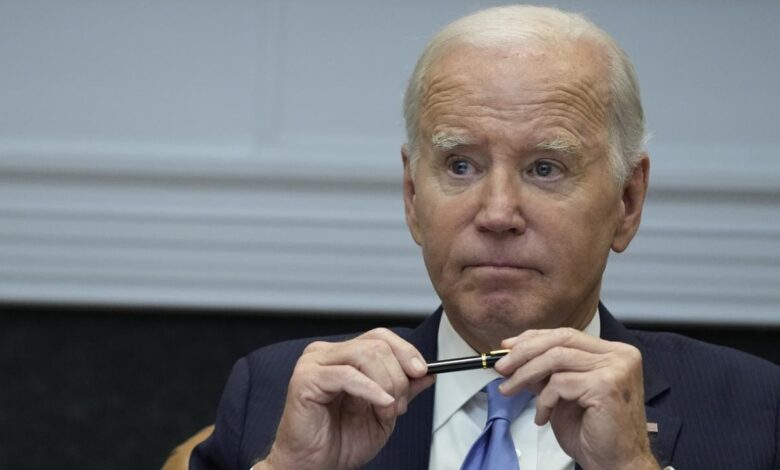
Huawei to take up its espionage case with Joe Biden, a move that promises to be a major escalation in the already tense US-China relationship. This isn’t just another legal battle; it’s a clash of economic titans, a test of global technological leadership, and a potential catalyst for significant shifts in international trade and security. The accusations against Huawei are serious, and the potential consequences for both companies and countries are far-reaching.
We’ll delve into the historical context, potential actions from the Biden administration, global implications, and the broader economic and technological impact.
The case, with its intricate legal and geopolitical implications, will likely spark intense debate and scrutiny. Understanding the background, potential responses, and global reactions is crucial to grasping the complexities of this situation.
Background of the Espionage Allegations
Huawei’s relationship with the US government has been fraught with tension and suspicion since its emergence as a global telecommunications giant. Initial concerns stemmed from the company’s rapid growth and its close ties to the Chinese government, prompting scrutiny regarding potential national security risks. These concerns intensified as Huawei expanded its global network infrastructure, raising questions about data security and the potential for access to sensitive information.The core accusations against Huawei revolve around the alleged risk of espionage.
Critics contend that Huawei’s equipment, particularly its 5G infrastructure, could be exploited by the Chinese government to facilitate surveillance or the theft of sensitive data. These claims are often tied to the perception of China’s broader strategic goals and its influence on international affairs.
Historical Overview of Huawei’s Relationship with the US
Huawei’s rise to prominence coincided with increasing US scrutiny. Early concerns focused on the company’s technology transfer practices and the potential for intellectual property theft. This led to the initiation of various investigations and legal actions by US authorities. The company’s partnership with various US entities further complicated matters. As Huawei expanded its global presence, concerns regarding the potential for its equipment to be used for espionage or data breaches grew.
Specific Accusations Related to Espionage
The specific accusations against Huawei involve the potential for backdoors in its telecommunications equipment, enabling access to sensitive data. Allegations also center on the possibility of data collection and manipulation by the Chinese government, potentially using Huawei’s infrastructure. The concern is not simply about access but about the ability to control and manipulate communications.
Previous Investigations and Legal Actions
Numerous investigations and legal actions have been undertaken against Huawei in the United States and other countries. These actions frequently center on allegations of intellectual property theft, sanctions violations, and potential national security risks. Previous cases have highlighted the complexities of international trade and the challenges of verifying accusations of espionage. These legal actions often involve accusations of manipulating or altering data.
Geopolitical Implications of the Case
The Huawei case has significant geopolitical implications. It highlights the escalating tensions between the US and China and underscores the growing concerns about technological competition and data security in the global arena. The ramifications of this case could extend to other technology companies and impact international trade agreements. The case is likely to fuel further competition and conflict between the US and China in the global technology market.
Key Players in the Huawei Case
| Player | Role | Motivation | Relevant Actions |
|---|---|---|---|
| Huawei | Telecommunications giant | Profit maximization and global market dominance | Developing and deploying telecommunications infrastructure globally |
| US Government (various agencies) | National security and economic interests | Protecting US national security and economic interests | Initiating investigations, imposing sanctions, and advocating for trade restrictions |
| Chinese Government | National security and economic development | Promoting China’s technological advancement and economic growth | Supporting Huawei’s global expansion and potentially using its infrastructure for surveillance |
| Various International Actors | Trade, investment, and technology partnerships | Balancing trade interests, economic benefits, and national security concerns | Engaging in diplomatic efforts, negotiating trade agreements, and imposing regulations |
Potential Actions by Joe Biden’s Administration

The recent espionage allegations against Huawei have ignited a complex diplomatic and economic firestorm. The Biden administration faces a delicate balancing act, needing to address the national security concerns while carefully navigating the potential ramifications for global trade and US-China relations. The potential actions available to the administration range from subtle diplomatic pressure to more forceful economic and legal responses, each with a distinct set of implications.The Biden administration’s response will likely be multifaceted, combining diplomatic engagement with economic and legal measures.
The goal will likely be to deter further alleged malicious activity while minimizing disruptions to the global economy. The administration’s choice of approach will depend on a multitude of factors, including the strength of the evidence, the perceived level of threat, and the desired outcome.
Possible Diplomatic Responses
The administration may initiate a series of diplomatic talks with China, aiming to address the concerns surrounding Huawei’s activities and potential collaboration with Chinese intelligence agencies. These discussions could involve direct negotiations between US and Chinese officials or through multilateral forums. Successful diplomatic engagements could result in a commitment from China to curb Huawei’s involvement in activities that threaten US national security.
However, past experience with China suggests that such commitments may be difficult to enforce.
Potential Economic Actions
Economic sanctions against Huawei or related entities are a possible response. These sanctions could target Huawei’s access to critical US technologies or components, potentially crippling its ability to operate effectively. However, such actions could lead to retaliatory measures from China, further escalating tensions and impacting global trade. Examples of past economic sanctions and their impact on affected industries and global markets provide insight into the potential repercussions.
The US could also consider restricting the ability of US companies to do business with Huawei.
Legal Actions
Legal actions, such as lawsuits or investigations, could be initiated against Huawei or its executives. These legal proceedings could seek to hold the company accountable for alleged wrongdoing. However, these actions are lengthy and complex and may not be effective in addressing the immediacy of the threat. The outcomes of such legal actions could vary significantly, depending on the evidence presented and the jurisdiction’s stance.
Huawei’s upcoming case against Joe Biden over alleged espionage is grabbing headlines, but it’s worth considering broader cybersecurity issues. For example, recent vulnerabilities in Microsoft Azure Cosmos DB, as detailed here , highlight the critical need for robust security measures. This brings us back to Huawei’s case, raising questions about potential global ramifications of the alleged espionage.
Potential Outcomes and Impact on US-China Relations
The potential outcomes of the case span a wide spectrum. The US could secure concessions from China regarding Huawei’s activities, but this outcome is uncertain. Conversely, the case could lead to a further deterioration of US-China relations, escalating into a trade war or other forms of conflict. The outcome will greatly influence the future of trade and technological cooperation between the two nations.
Historically, similar disputes have impacted international trade and cooperation, underscoring the gravity of the situation.
Potential Consequences for Huawei’s Business Operations
The case could significantly impact Huawei’s business operations. Sanctions, restrictions, or legal challenges could severely limit its ability to access vital technologies and components, hindering its growth and profitability. The impact could be significant for Huawei’s global presence, particularly in markets that rely on US technology. The company’s reliance on US components and technologies highlights the potential vulnerability of its global operations.
Comparison of Potential US Approaches
| Approach | Advantages | Disadvantages | Potential Impact on Relations |
|---|---|---|---|
| Diplomacy and negotiation | Preserves some channels for future dialogue. | Potentially ineffective if China is unwilling to cooperate. | Could mitigate escalation but may not fully address concerns. |
| Economic sanctions | Potentially strong deterrent. | Risk of retaliation and global economic disruption. | High risk of escalating tensions and impacting trade. |
| Legal action | Potentially holds individuals accountable. | Lengthy and uncertain outcome. | May be perceived as a punitive measure, increasing tensions. |
Global Implications and Reactions
The Huawei espionage case, if substantiated, carries significant global implications, potentially reshaping international trade dynamics, technological alliances, and national security strategies. The case’s ramifications extend far beyond the courtroom, affecting various countries’ economic interests and political relations. The intricate web of technological interdependence and national security concerns will be heavily tested.The global telecommunications landscape is highly competitive, with Huawei facing significant challenges from established players like Nokia and Ericsson, as well as emerging competitors.
Huawei’s aggressive expansion into 5G technology, however, has raised concerns about potential security vulnerabilities. The accusations against Huawei highlight the inherent risks associated with relying on certain foreign suppliers, especially in critical infrastructure sectors.
Potential Responses from Other Countries
The reaction of other countries to the Huawei case will likely vary depending on their own strategic interests and technological dependence on Huawei. Some countries may choose to increase scrutiny of Huawei’s operations, while others might strengthen their own domestic telecommunications infrastructure to reduce reliance on foreign suppliers. The case also presents opportunities for other telecommunications companies to capture market share, but the implications for long-term global security and trade will need careful consideration.
| Country | Response | Reasoning | Potential Impact |
|---|---|---|---|
| United States | Continued sanctions and restrictions on Huawei’s operations. | Maintaining national security interests, preventing potential espionage, and supporting American companies. | Further marginalization of Huawei in the US market, and potential ripple effects on other countries. |
| China | Potential retaliation against US companies and allies. Increased investment in domestic technology development. | Protecting national interests and countering perceived unfair treatment. | Escalation of trade tensions, potential disruptions in global supply chains, and acceleration of China’s technological self-reliance. |
| European Union | Cautious approach, likely focusing on national security assessments, rather than wholesale bans. | Balancing trade relations with China, safeguarding European security interests, and considering technological dependence. | Potential fragmentation in the EU’s approach to technology, and increased uncertainty in the global telecommunications market. |
| Australia | Potential tightening of security regulations, and closer collaboration with US. | Following the US lead in national security concerns, and bolstering strategic partnerships. | Potential impact on Australian businesses and trade with China, and strengthened ties with the US. |
| India | Likely to assess national security implications, and possibly seek alternative telecommunication suppliers. | Prioritizing national security concerns, and managing complex relations with China and the US. | Shift in reliance on Chinese technology, and increased scrutiny of international telecommunication partnerships. |
Global Technological Alliances and Partnerships
The case could potentially trigger shifts in global technological alliances and partnerships. Countries may reassess their reliance on specific foreign technology providers, potentially favoring domestically developed or allied solutions. This shift could lead to greater regionalization of technology development and production, with countries seeking to minimize reliance on foreign technologies.
Implications for International Trade and Security
The case underscores the complex interplay between international trade and national security concerns. Countries will likely face tough decisions in balancing economic interests with national security considerations. The need for robust international standards and cooperation in addressing technological security risks will become increasingly important. The implications extend beyond telecommunications, potentially influencing the development and implementation of similar regulations across various sectors.
The current environment highlights the urgent need for international frameworks and agreements to govern the use of advanced technologies.
Huawei’s decision to take its espionage case to Joe Biden is a significant development, especially considering the recent Department of Justice Offers Safe Harbor for MA Transactions policy. This new policy, outlined in detail on a dedicated resource like Department of Justice Offers Safe Harbor for MA Transactions , might offer some interesting legal avenues for both sides in the Huawei case.
The potential implications for international relations and tech policy are definitely worth watching as the case progresses.
Economic and Technological Impact

The Huawei espionage case carries significant economic and technological implications, potentially reshaping global markets and trade relations. The allegations, if proven, could severely damage Huawei’s reputation and standing, impacting its ability to operate in key markets. This case also spotlights the complex interplay between national security concerns, economic competition, and technological advancement.
Economic Consequences for the US and China
The economic fallout for both the US and China will be multifaceted. For the US, it could lead to job losses in sectors reliant on Chinese technology or dependent on supply chains interwoven with Chinese companies. Conversely, China may face economic disruption if Huawei’s operations are further constrained, potentially impacting its technological advancement and industrial competitiveness. This could trigger retaliatory measures from China, further escalating the economic tensions.
Impact on Global Technology Markets and Supply Chains
The case will undoubtedly disrupt global technology markets. Existing supply chains, heavily reliant on Chinese components and manufacturing, could face significant re-routing and restructuring. Companies worldwide, including those in the telecom, manufacturing, and consumer electronics industries, will be forced to adapt to new realities. The uncertainty surrounding Huawei’s future will create instability in the market, affecting investor confidence and potential investments.
Impact on Innovation and Development in the Tech Sector
Innovation in the tech sector may be influenced by the case, particularly in areas like 5G technology and related infrastructure. The restrictions and potential sanctions could slow down the development and deployment of new technologies, affecting innovation in the sector. This may also incentivize other countries and companies to explore alternative technological pathways.
Potential for International Sanctions and Trade Restrictions
International sanctions and trade restrictions are a significant possibility. If the allegations are substantiated, the US and its allies could impose sanctions on Huawei, hindering its access to critical technologies and markets. This could trigger a domino effect, potentially leading to reciprocal measures from China, creating a more complex and potentially detrimental global trade environment. For instance, the US trade war with China in previous years serves as a cautionary example of the ripple effect of such actions.
Detailed Description of Potential Impacts on Sectors
| Sector | Impact | Severity | Mitigation Strategies |
|---|---|---|---|
| Telecom | Disruption of 5G infrastructure and network deployments, potential for market share shifts, and increased costs for network upgrades. | High | Diversification of supply chains, development of alternative technologies, and strengthening domestic capabilities in 5G infrastructure. |
| Finance | Potential for decreased investment in Chinese technology companies, impacting financial markets and international trade. | Medium | Exploring alternative investment avenues, diversification of portfolios, and implementing risk mitigation strategies for Chinese technology investments. |
| Manufacturing | Potential for supply chain disruptions, increased costs for components, and potential for relocation of manufacturing facilities. | High | Diversification of suppliers, exploring alternative manufacturing locations, and investing in domestic manufacturing capabilities. |
| Consumer Electronics | Potential for reduced availability of products, increased prices, and market share losses. | Medium | Building resilience into supply chains, developing relationships with alternative suppliers, and implementing strategies to adapt to changing market dynamics. |
Legal and Procedural Considerations: Huawei To Take Up Its Espionage Case With Joe Biden
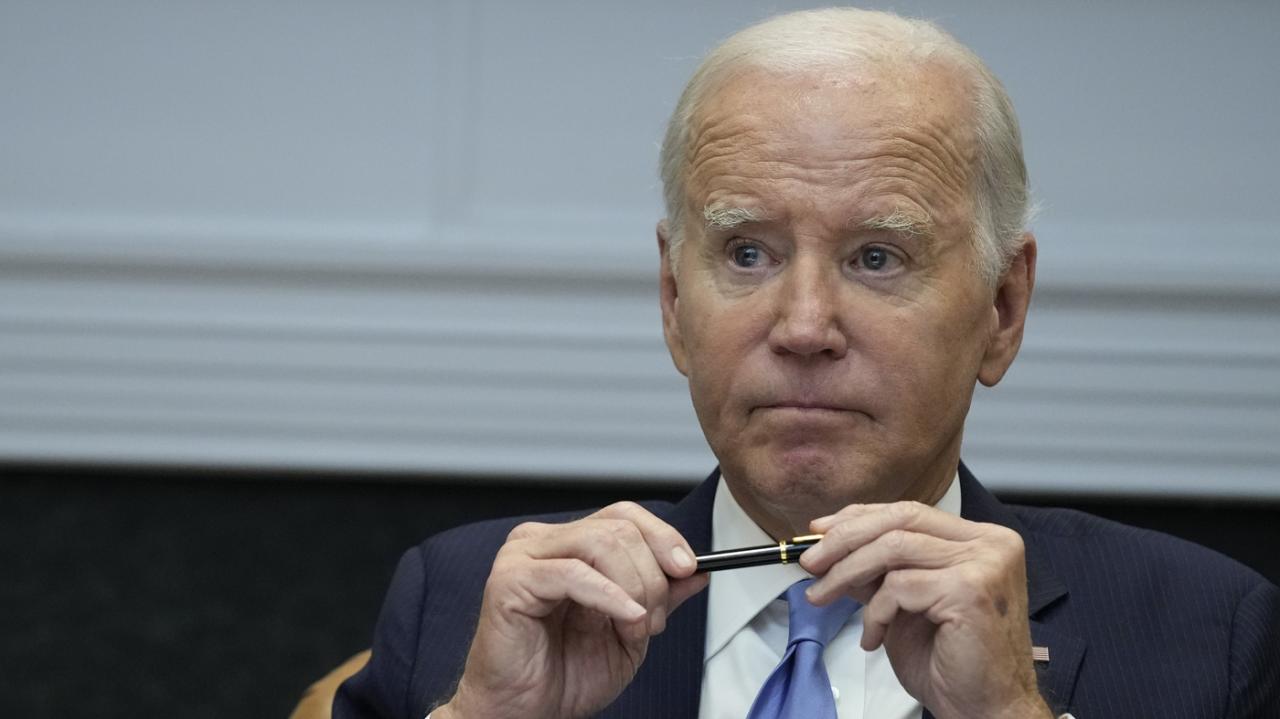
The allegations against Huawei regarding espionage raise complex legal and procedural questions, potentially impacting international relations and the future of technology cooperation. Understanding the legal framework surrounding such cases, the procedures involved, and the potential outcomes is crucial for evaluating the situation. The implications extend beyond Huawei, potentially setting a precedent for future investigations and affecting global trust in international business.
Legal Framework Surrounding Espionage Cases
International law and national laws of various countries play a crucial role in defining espionage. Espionage is generally defined as the act of obtaining confidential information, often with malicious intent, from another state or entity. The specific legal framework varies depending on the jurisdiction, with different definitions and penalties for various acts. For instance, the US Foreign Intelligence Surveillance Act (FISA) governs surveillance activities and intelligence gathering within the United States, while various international treaties and agreements address espionage in the context of international relations.
Legal Procedures Involved in Such an Investigation, Huawei to take up its espionage case with joe biden
Espionage investigations typically involve multiple stages, including initial intelligence gathering, legal authorization for further investigation, and potential prosecution. The investigation often starts with evidence gathering, interviews, and analysis of communications and financial transactions. A crucial aspect is the legal authorization required for certain investigative actions, like wiretapping or searches. The process often involves legal representation for both the accused and the investigating agencies.
Potential Impact on Future of International Legal Cooperation
The outcome of the Huawei case could significantly affect future international legal cooperation. A conviction could lead to increased scrutiny of multinational corporations operating across borders, potentially impacting trade and investment relations. Conversely, a finding of innocence could lead to a re-evaluation of investigative practices, promoting greater trust and transparency in international dealings. The case will likely be closely examined for its adherence to due process and international norms.
Detailed Analysis of Potential Legal Outcomes for Huawei
The potential legal outcomes for Huawei range from acquittal to substantial fines or imprisonment. The severity of the penalties depends on the specific charges, the evidence presented, and the jurisdiction. Previous cases of alleged corporate espionage offer insights into possible outcomes. For instance, the conviction of a company for similar offenses in a different jurisdiction could serve as a precedent, though differences in legal systems and evidence presented can affect the final outcome.
Huawei’s decision to pursue its espionage case with Joe Biden raises some interesting questions about the future of tech security. While the legal battle unfolds, it’s crucial to remember the importance of robust security measures in software development. Implementing AI-powered code safety tools, like those highlighted in Deploying AI Code Safety Goggles Needed , can help prevent vulnerabilities that could be exploited in critical systems.
This is especially relevant as sophisticated espionage cases become more common, requiring stronger defensive strategies across the board.
Table Outlining the Steps Involved in the Legal Process
| Step | Description | Actors Involved | Potential Outcomes |
|---|---|---|---|
| Initial Investigation | Gathering evidence, interviewing witnesses, analyzing documents and communications. | Law enforcement agencies, intelligence agencies, legal counsel. | Evidence insufficient to proceed, sufficient evidence for charges, or further investigation required. |
| Formal Charges | Filing of formal accusations by authorities against Huawei. | Prosecuting authorities. | Charges dropped, charges upheld, or additional charges filed. |
| Legal Proceedings | Pre-trial hearings, discovery, and motions. | Legal teams for Huawei and the prosecuting authorities. | Case dismissed, case proceeds to trial, or plea bargain reached. |
| Trial | Presentation of evidence and testimony by both sides, with cross-examination of witnesses. | Judges, juries (in relevant jurisdictions), legal teams for Huawei and the prosecuting authorities. | Acquittal, conviction, or mistrial. |
| Sentencing | Imposition of penalties in case of conviction. | Courts, judges, legal counsel. | Fines, imprisonment, or other penalties. |
Concluding Remarks
In conclusion, Huawei’s potential legal battle with the Biden administration presents a significant challenge to both nations. The case has profound implications for international relations, trade, and the future of global technology. The outcomes will undoubtedly shape the landscape of the tech sector and the broader relationship between the United States and China for years to come.
Clarifying Questions
What are the specific accusations against Huawei?
Specific details about the espionage accusations haven’t been publicly released, and this is a complex case. Information about the specific accusations is likely kept confidential until the legal proceedings begin.
What is Huawei’s history with the US government?
Huawei’s relationship with the US government has been marked by controversies and accusations. There have been past investigations and legal actions involving the company, and these past actions will be important context in the current case.
What are the potential economic impacts of the case on China?
The economic consequences for China could be substantial, affecting various sectors, including trade, investment, and technology development. The case could have a ripple effect on other companies and industries as well.
What are the potential diplomatic responses from other countries?
Reactions from other countries will vary, depending on their economic and political ties with both the US and China. Some countries may adopt a neutral stance, while others may align themselves with one side or the other.