Industrial Open Automation Software Vulnerabilities Unveiled
Industrial open automation software filled with vulnerabilities – Industrial open automation software, filled with vulnerabilities, poses a significant threat to industrial systems worldwide. These systems, crucial for everything from manufacturing to energy production, are increasingly reliant on software that, unfortunately, often lacks adequate security measures. This exposes them to a wide range of potential cyberattacks, with devastating consequences. This article delves into the various vulnerabilities, their impact, root causes, mitigation strategies, and emerging trends in this critical area.
The software, while enabling efficiency and automation, can be susceptible to various types of flaws. These flaws can be exploited by malicious actors, leading to system disruptions, data breaches, and even safety hazards. Understanding these vulnerabilities and their implications is crucial for mitigating risks and safeguarding industrial operations.
Defining Industrial Open Automation Software Vulnerabilities
Industrial open automation software is critical infrastructure for modern manufacturing and industrial processes. This software controls everything from robotic arms to complex production lines, making its security paramount. However, the very openness that facilitates interoperability and customization also introduces vulnerabilities that can have devastating consequences.Open automation software, by its nature, is built upon various components, often from diverse sources.
This modularity, while beneficial for flexibility, can create a complex tapestry of potential weaknesses, requiring comprehensive security assessments.
Types of Vulnerabilities
Industrial automation software faces a unique set of vulnerabilities, often different from those seen in general-purpose software. Understanding these specific vulnerabilities is crucial for effective mitigation strategies. These vulnerabilities can stem from several sources, including flawed programming, insecure communication protocols, and poorly implemented authentication mechanisms.
- Software Bugs and Logic Errors: These fundamental coding flaws can lead to unexpected behavior, allowing unauthorized access or manipulation of critical processes. For example, a missing input validation can permit an attacker to inject malicious code or alter system settings. Similar to general-purpose software, poor error handling can also allow attackers to exploit vulnerabilities.
- Insecure Communication Protocols: Industrial automation systems frequently use proprietary or open communication protocols. These protocols, if not properly secured, can be vulnerable to eavesdropping, man-in-the-middle attacks, or replay attacks. This can lead to unauthorized access to critical information or the ability to manipulate system controls.
- Weak Authentication and Authorization: Insufficient or weak authentication mechanisms can allow unauthorized users to gain access to the system, potentially leading to complete compromise. Lack of role-based access control can also enable escalation of privileges, granting attackers greater control.
- Hardware Vulnerabilities: Embedded systems in industrial automation equipment can have hardware vulnerabilities that can be exploited. These vulnerabilities can be combined with software vulnerabilities to gain unauthorized access or control.
- Third-Party Component Issues: Open automation systems frequently rely on third-party components. If these components contain vulnerabilities, they can pose a serious risk to the entire system. The risk is magnified due to the possibility of unknown or unpatched vulnerabilities in these components.
Impact of Vulnerabilities
The potential impact of vulnerabilities in industrial automation software is significant and can extend far beyond simple data breaches. The impact is measured in terms of safety, production downtime, and financial losses.
- Safety Hazards: Exploiting vulnerabilities in safety-critical systems can lead to accidents, injuries, and even fatalities. This is a serious concern in industries such as power generation, oil and gas, and chemical processing.
- Production Downtime: Successful attacks can halt production lines, leading to significant financial losses and disruption to supply chains. The cost of restoring operations after a cyberattack can be substantial.
- Data Breaches: Compromised systems can expose sensitive operational data, potentially leading to competitive disadvantages or legal liabilities. Compromised data could also be used for blackmail or extortion.
Real-World Incidents
Several real-world incidents highlight the severity of vulnerabilities in industrial automation systems. These examples demonstrate the potential for catastrophic consequences. The Stuxnet worm, for instance, is a notorious example of a sophisticated attack targeting industrial control systems. Other incidents have involved compromised SCADA systems, leading to production disruptions and safety risks.
Differences Between General and Industrial Vulnerabilities
Industrial automation software vulnerabilities differ from general-purpose software vulnerabilities in several key aspects. Industrial systems often operate in real-time, making them highly sensitive to delays or disruptions. They frequently rely on legacy systems and protocols, which can be difficult to secure.
Comparison Table
| Vulnerability Type | Description | Impact | Mitigation Strategies |
|---|---|---|---|
| Software Bugs | Coding errors leading to unexpected behavior | Unauthorized access, manipulation of processes | Thorough code reviews, static analysis, testing |
| Insecure Protocols | Vulnerabilities in communication protocols | Eavesdropping, man-in-the-middle attacks | Secure communication protocols, encryption |
| Weak Authentication | Insufficient authentication mechanisms | Unauthorized access, privilege escalation | Strong authentication methods, role-based access control |
| Hardware Vulnerabilities | Exploitable weaknesses in embedded systems | Unauthorized access, system compromise | Secure hardware design, regular firmware updates |
| Third-Party Component Issues | Vulnerabilities in external components | System compromise, data breaches | Vetting third-party components, regular updates |
Impact on Industrial Systems
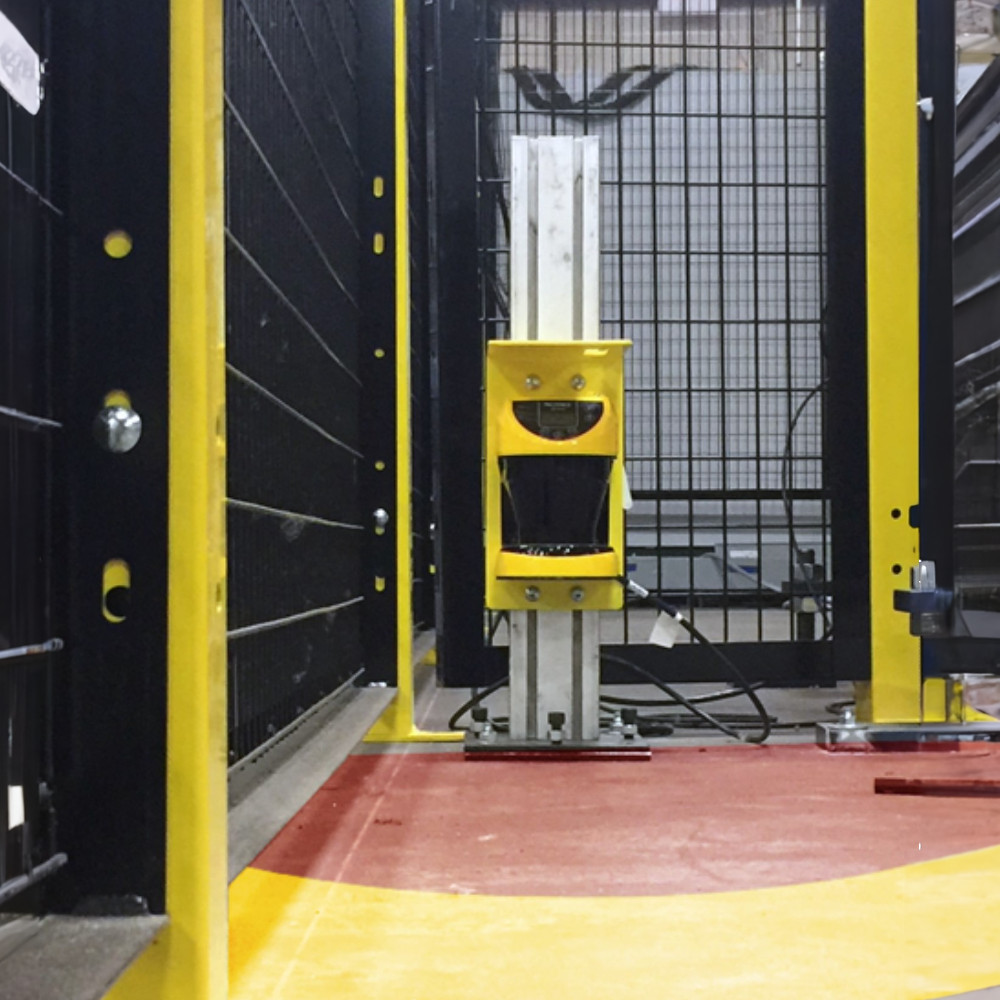
Industrial open automation software, while offering efficiency and flexibility, introduces vulnerabilities that can severely impact industrial control systems. These vulnerabilities, if exploited, can cascade through interconnected systems, leading to significant disruptions and potentially catastrophic consequences. Understanding these potential impacts is crucial for developing robust security measures and mitigating the risks associated with these systems.
Consequences on Functionality of Industrial Control Systems
Industrial control systems (ICS) are often critical infrastructure, controlling everything from power grids to manufacturing processes. Vulnerabilities in open automation software can disrupt these systems, leading to unplanned shutdowns, production losses, and safety hazards. A compromised system might misinterpret data, execute incorrect commands, or even fail completely, causing cascading effects throughout the entire network. For example, a compromised programmable logic controller (PLC) in a manufacturing plant could cause equipment malfunction, halting production and potentially leading to injury.
Chain Reaction Effects Across Interconnected Systems
The interconnected nature of modern industrial systems makes vulnerabilities particularly problematic. A compromised system can trigger a chain reaction, impacting other systems and components. If a vulnerability in a supervisory control and data acquisition (SCADA) system controlling water treatment is exploited, it could lead to contamination, affecting public health and potentially impacting downstream systems. The interconnectedness amplifies the risk, making a single point of failure potentially catastrophic.
Risks Associated with Cyberattacks Targeting Industrial Open Automation Software
Cyberattacks targeting industrial open automation software can have devastating consequences. These attacks can range from simple denial-of-service attacks to sophisticated intrusions designed to compromise critical infrastructure. Attackers might attempt to manipulate data, gain unauthorized access to sensitive information, or even cause physical damage. Malicious actors might be motivated by financial gain, sabotage, or political agendas. The potential for disruption and damage is substantial.
Potential for Data Breaches and Sensitive Information Compromise
Industrial open automation software often handles sensitive data, including operational parameters, financial records, and personnel information. A data breach could expose this data to unauthorized individuals, potentially leading to financial losses, reputational damage, and legal repercussions. Compromised systems could also expose intellectual property, potentially harming a company’s competitive position. Data breaches in these systems can have severe ramifications for businesses and the wider public.
Consequences on Safety, Production, and Environmental Regulations
Vulnerabilities in industrial open automation software can pose significant risks to safety, production, and environmental regulations. Exploited vulnerabilities could lead to equipment malfunctions, accidents, and injuries. Production processes could be halted, resulting in significant economic losses. Furthermore, environmental regulations might be violated, leading to fines and damage to the environment. These consequences can have far-reaching effects on both human safety and the health of the planet.
Impact on Different Industrial Sectors
| Industry | Potential Impacts | Specific Examples |
|---|---|---|
| Manufacturing | Production downtime, equipment damage, safety hazards, financial losses, supply chain disruptions | Compromised PLCs causing malfunctioning machinery, leading to injuries and significant losses in production output. |
| Energy | Power grid instability, blackouts, environmental damage, safety risks | Malfunctioning SCADA systems causing uncontrolled power fluctuations, resulting in widespread blackouts and safety hazards for workers. |
| Transportation | Disruptions in logistics, safety incidents, delays in operations, data breaches | Compromised traffic control systems leading to accidents, delays, and significant economic losses in transportation and logistics. |
| Water and Wastewater | Water contamination, public health risks, disruptions in service, financial losses | Compromised water treatment systems leading to contaminated water supplies, jeopardizing public health and causing severe financial losses. |
| Healthcare | Malfunctioning medical equipment, patient safety risks, data breaches | Compromised medical equipment control systems leading to incorrect dosage or treatment, exposing patient data and putting lives at risk. |
Root Causes and Contributing Factors
Industrial open automation software, while offering flexibility and efficiency, presents unique security challenges. Understanding the root causes of vulnerabilities in this critical infrastructure is crucial for mitigating risks and maintaining system integrity. Poor security practices, often stemming from a lack of awareness or inadequate resources, can have devastating consequences in the industrial realm.The proliferation of interconnected devices and systems within industrial automation has introduced new vectors for attack.
This interconnectedness, while boosting productivity, also increases the potential attack surface. Vulnerabilities in these software systems can cascade throughout the entire network, impacting operations and potentially leading to physical damage or financial losses.
Software Design Flaws
Poorly designed software architecture can introduce significant vulnerabilities. Lack of modularity, inadequate separation of concerns, and insufficient input validation mechanisms are common culprits. Such flaws can expose the system to exploits targeting specific functionalities or critical components. These vulnerabilities can be exacerbated by the complexity of industrial automation software, which often involves intricate interactions between various components and protocols.
Poor Coding Practices
Insecure coding practices are another significant contributor to vulnerabilities. Insufficient or incorrect error handling, insufficient input validation, and reliance on weak cryptographic implementations can all lead to serious security weaknesses. Examples include improper use of memory management, neglecting to sanitize user inputs, and using outdated or insecure libraries. These errors, often overlooked during development, can have far-reaching consequences.
Outdated Software Versions
Using outdated software versions is a major security risk. Outdated versions often lack critical security patches and updates addressing known vulnerabilities. This creates an open door for attackers to exploit vulnerabilities that have been publicly disclosed and patched in newer versions. For example, a company using a legacy SCADA system with known vulnerabilities is significantly more at risk compared to one employing a regularly updated system.
Supply Chain Vulnerabilities
The complexity of modern software often involves numerous third-party libraries and components. Vulnerabilities in these external components, introduced through the supply chain, can propagate to the final product. A vulnerability in a third-party library used by the automation software can compromise the entire system. The lack of visibility and control over the supply chain can make it difficult to identify and address these vulnerabilities effectively.
Different Software Development Methodologies, Industrial open automation software filled with vulnerabilities
Different software development methodologies offer varying levels of security consideration. Agile methodologies, often focused on rapid development, may inadvertently introduce vulnerabilities if security is not explicitly integrated into the process. Conversely, waterfall methodologies, while potentially more structured, can suffer from a lack of flexibility and adaptation to evolving security threats.
Security Best Practices During Software Development Lifecycle
Incorporating security best practices throughout the entire software development lifecycle (SDLC) is essential. This includes implementing security considerations in the design phase, integrating security testing at each stage, and ensuring continuous monitoring and updates throughout the software’s operational lifespan. This proactive approach to security is vital for minimizing the risk of vulnerabilities. A secure SDLC should prioritize security awareness and training for development teams.
Industrial open automation software is notoriously riddled with vulnerabilities, making it a prime target for cyberattacks. To address this, we need to prioritize robust code security, and that’s exactly what Deploying AI Code Safety Goggles Needed advocates for. This proactive approach will help prevent future issues and ensure that the vulnerabilities in this crucial software are patched quickly, thereby enhancing the overall security of industrial operations.
Mitigation Strategies and Security Practices
Industrial open automation software, while offering flexibility and efficiency, presents significant security vulnerabilities. Failing to address these risks can lead to devastating consequences, ranging from operational disruptions to financial losses and even physical harm. Therefore, robust mitigation strategies and security practices are crucial to safeguard industrial systems against malicious attacks.Effective security protocols and measures are paramount in minimizing the risk of vulnerabilities.
These measures must encompass the entire lifecycle of the software, from development to deployment and maintenance. Proactive security thinking must be integrated into every phase, ensuring that vulnerabilities are identified and addressed before they can be exploited.
Security Hardening Techniques
Security hardening techniques are essential for enhancing the resilience of industrial open automation software. These techniques aim to reduce attack surface and improve the overall security posture of the system. They involve configuring software and hardware components to minimize potential entry points for attackers.A crucial aspect of hardening is implementing strong access controls. This involves limiting access to sensitive components and data only to authorized personnel.
This is achieved through the use of multi-factor authentication, role-based access control, and strict adherence to least privilege principles.Another key technique is the regular patching and updating of software components. This involves promptly addressing known vulnerabilities with security updates released by vendors. Furthermore, it’s crucial to keep operating systems, middleware, and application software up to date.
Security Awareness Training
Security awareness training is critical for personnel involved with industrial automation systems. This training equips individuals with the knowledge and skills to identify and report potential security threats. By educating employees on the risks associated with phishing attempts, social engineering tactics, and other malicious activities, organizations can significantly reduce the likelihood of successful attacks.This training should encompass various aspects of security, including password management, safe email practices, and recognizing suspicious websites and links.
Industrial open automation software is notoriously riddled with vulnerabilities, leaving systems exposed to potential attacks. This isn’t just a theoretical concern; recent reports about vulnerabilities in cloud services, like those detailed in Azure Cosmos DB Vulnerability Details , highlight the importance of security in all aspects of technology. This underscores the critical need for robust security measures in industrial automation software to prevent exploitation and maintain operational safety.
Moreover, it should cover the specific security protocols and procedures applicable to the organization’s industrial automation systems.
Security Recommendations
Implementing comprehensive security measures requires a proactive approach. A structured list of recommendations will guide organizations towards a secure environment.
- Implement robust access controls to restrict access to critical systems and data.
- Regularly update and patch all software components, including operating systems and applications.
- Employ intrusion detection and prevention systems (IDS/IPS) to monitor and block malicious activities.
- Establish and enforce a strong security policy that Artikels acceptable use of systems and data.
- Conduct regular security audits and penetration testing to identify and address vulnerabilities.
- Use encryption to protect sensitive data both in transit and at rest.
These recommendations are crucial to create a security-conscious environment and safeguard industrial automation systems. Adhering to these guidelines is vital for minimizing risks and ensuring the continued smooth operation of industrial processes.
Security Measure Effectiveness Summary
This table summarizes different security measures and their effectiveness in mitigating vulnerabilities in industrial open automation software.
| Security Measure | Description | Effectiveness |
|---|---|---|
| Robust Access Controls | Limiting access to sensitive components and data to authorized personnel | High – Reduces the attack surface and limits potential damage |
| Regular Software Updates | Promptly addressing known vulnerabilities with security updates | High – Addresses vulnerabilities before they can be exploited |
| Intrusion Detection/Prevention Systems (IDS/IPS) | Monitoring and blocking malicious activities | Medium – Provides real-time detection but requires careful configuration |
| Security Policy Enforcement | Defining and enforcing acceptable use of systems and data | Medium – Creates a security-conscious environment, but effectiveness depends on adherence |
| Security Audits & Penetration Testing | Identifying and addressing vulnerabilities through proactive testing | High – Identifies vulnerabilities that may not be apparent otherwise |
| Data Encryption | Protecting sensitive data in transit and at rest | High – Makes data unreadable to unauthorized individuals |
Emerging Trends and Future Implications
The landscape of industrial open automation software is rapidly evolving, driven by advancements in cloud computing, the Internet of Things (IoT), and the increasing interconnectedness of industrial systems. This evolution presents both exciting opportunities and significant security challenges. Understanding these trends and their implications is crucial for proactively mitigating risks and ensuring the continued safety and reliability of industrial operations.The increasing integration of cloud-based platforms into industrial automation systems is a key emerging trend.
This trend offers potential benefits such as scalability, cost-effectiveness, and remote access. However, this integration also introduces new vulnerabilities. Cloud environments are often targeted by malicious actors seeking to exploit vulnerabilities in software and services to gain unauthorized access to sensitive industrial data or disrupt critical operations.
Industrial open automation software, unfortunately, often comes packed with vulnerabilities. This poses a significant risk to systems, especially considering the Department of Justice Offers Safe Harbor for MA Transactions here. While this legal framework aims to protect certain transactions, the inherent security flaws in these open automation systems remain a major concern. We need to prioritize robust security measures to counter these vulnerabilities.
Cloud-Based Platforms and Associated Risks
Cloud adoption in industrial automation introduces complexities. Data breaches and unauthorized access in the cloud can compromise the confidentiality, integrity, and availability of industrial processes. The reliance on third-party cloud providers introduces trust issues, and potential vendor lock-in situations can hinder operational flexibility. Furthermore, security configurations in cloud environments need careful consideration, as default settings might not be appropriate for industrial control systems (ICS).
This includes ensuring strict access controls and robust encryption of data at rest and in transit. Examples include the recent rise in ransomware attacks targeting industrial control systems, where malicious actors encrypt sensitive data and demand ransom for its release, potentially disrupting critical infrastructure.
Evolving Threat Landscape and Adaptive Security Measures
The threat landscape is constantly evolving, with new attack vectors and sophisticated techniques emerging regularly. Malicious actors are increasingly leveraging advanced persistent threats (APTs) and employing more complex tactics, techniques, and procedures (TTPs) to infiltrate and compromise industrial systems. To combat this, adaptive security measures that proactively identify and respond to emerging threats are essential. This includes implementing robust intrusion detection systems, threat intelligence gathering, and fostering a security-conscious culture within organizations.
Impact of IoT Integration on Industrial Security
The integration of the Internet of Things (IoT) into industrial automation systems introduces a significant security challenge. The interconnected nature of IoT devices expands the attack surface, as vulnerabilities in one device can potentially compromise the entire network. Securing IoT devices requires a layered approach, including robust device authentication, secure communication protocols, and regular security updates. This requires robust device management and security monitoring to detect anomalous behavior and respond effectively to potential threats.
Examples of real-world IoT vulnerabilities in industrial settings include the compromise of sensors, actuators, or supervisory control and data acquisition (SCADA) systems.
Future Threats and Potential Consequences
Future threats will likely leverage advanced technologies such as artificial intelligence (AI) and machine learning (ML) to automate attacks and bypass traditional security measures. Sophisticated attacks targeting industrial control systems can cause severe disruptions and catastrophic consequences. Consider the potential for AI-powered attacks that can identify and exploit previously unknown vulnerabilities in industrial automation software. Furthermore, the increasing reliance on interconnected systems raises the risk of cascading failures.
Comparison of Current and Emerging Security Challenges
| Challenge | Current Status | Future Implications |
|---|---|---|
| Vulnerabilities in industrial automation software | Widely present, often exploited by attackers | Continued exploitation with sophisticated techniques; emergence of zero-day vulnerabilities |
| Cloud-based platform adoption | Growing trend, but security concerns arise | Increased attack surface, vendor lock-in, and data breach risks |
| IoT integration | Expanding attack surface, device security concerns | Potential for cascading failures, AI-powered attacks targeting industrial control systems |
| Evolving threat landscape | Increased sophistication of attacks | Emergence of more complex and automated attacks; new vulnerabilities, and potentially more devastating consequences |
Ultimate Conclusion
In conclusion, industrial open automation software vulnerabilities are a serious concern, requiring a proactive and multi-faceted approach to security. From robust software development practices to thorough security testing and continuous monitoring, a holistic strategy is essential. The increasing reliance on interconnected systems and the rise of IoT integration highlight the need for adaptive and evolving security measures. Addressing these vulnerabilities is not just about preventing cyberattacks; it’s about safeguarding critical infrastructure, ensuring operational continuity, and protecting lives and livelihoods.
FAQ Explained: Industrial Open Automation Software Filled With Vulnerabilities
What are some common types of vulnerabilities in industrial automation software?
Common vulnerabilities include insecure configurations, outdated software components, lack of access controls, and insufficient security testing. These can be exploited by attackers to gain unauthorized access or disrupt operations.
How can companies mitigate the risk of vulnerabilities in their industrial automation software?
Implementing robust security protocols, conducting regular security audits, and ensuring up-to-date software versions are crucial steps. Employee training on security awareness and incident response plans also play a significant role.
What are the long-term implications of ignoring these vulnerabilities?
Ignoring these vulnerabilities can lead to significant operational disruptions, financial losses, regulatory penalties, and potential safety hazards. The consequences can range from production downtime to environmental damage and even loss of life.
What is the role of the Internet of Things (IoT) in increasing the risk of industrial automation vulnerabilities?
The integration of IoT devices into industrial systems expands the attack surface. More connected devices mean more potential entry points for malicious actors. Security measures must be extended to these connected devices to maintain overall system security.