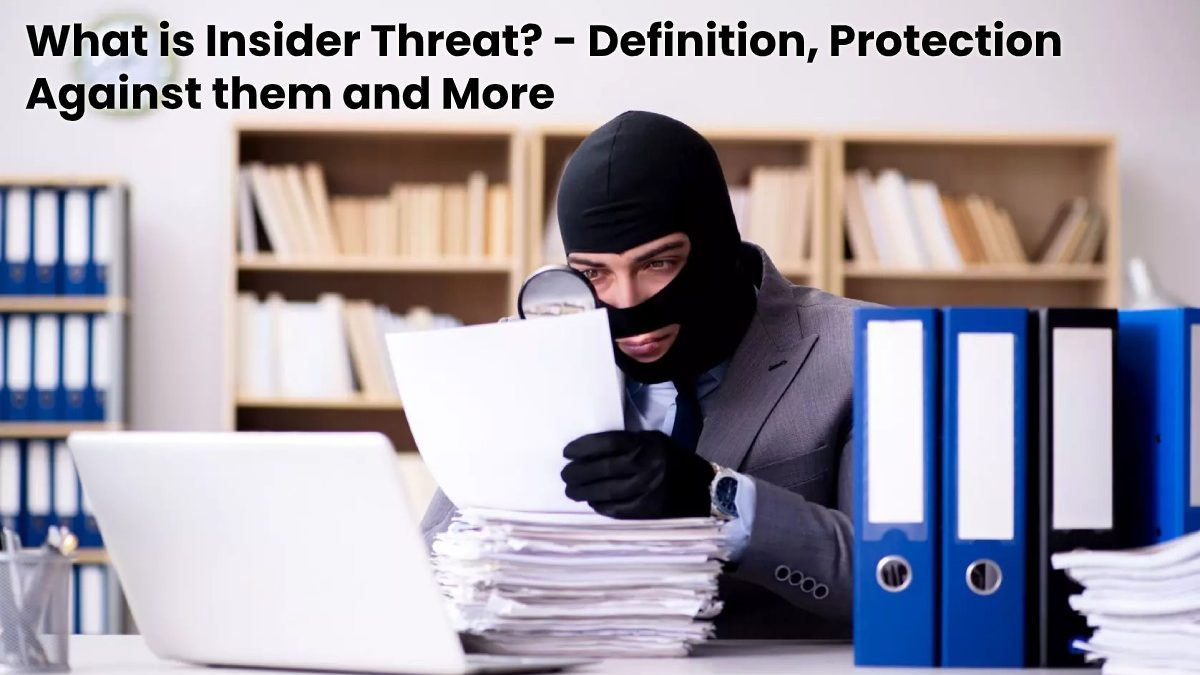
Insider Threat Alert Data Theft by Exiting Employees
Insider threat alert as employees take data while leaving a job is a growing concern for businesses. This issue highlights the risk of departing employees taking sensitive company information, potentially causing significant damage. From financial gain to revenge or competitive advantage, the motivations behind this data theft are varied. This comprehensive look delves into the complexities of insider threats, providing insights into detection methods, data loss prevention strategies, and incident response plans.
Understanding the different types of data that employees might try to exfiltrate, from customer databases to intellectual property, is crucial. This article examines the legal and ethical implications of such actions, providing a nuanced perspective on the challenges businesses face. It also emphasizes the importance of proactive measures to mitigate these risks, such as robust employee training programs and incident response protocols.
Defining Insider Threat Alerts
An insider threat alert, in the context of departing employees, is a notification system designed to identify and mitigate the risk of sensitive data exfiltration by employees leaving the organization. This often involves the deliberate or accidental removal of company data, including intellectual property, customer information, or financial records, during the employee’s departure. These alerts are crucial for protecting confidential information and preventing potential harm to the organization.These alerts are triggered by a combination of factors, including unusual data access patterns, unusual data transfer requests, or discrepancies in the expected data transfer process during an employee’s departure.
Such alerts help to identify individuals potentially engaged in unauthorized data removal and allow for swift intervention and prevention.
Insider threats are a serious concern, especially when employees take sensitive data with them as they leave a job. This can be a significant problem for businesses, and the Department of Justice Offers Safe Harbor for MA Transactions here aims to help mitigate some of these risks. Ultimately, robust data security measures and employee training remain crucial in preventing such data breaches, no matter the legal frameworks in place.
Data Types Vulnerable to Exfiltration
A departing employee might attempt to exfiltrate a wide range of data types. These range from readily accessible documents and spreadsheets to more complex data, like customer databases, proprietary software code, or financial records. The variety of data targets underscores the importance of a robust data protection strategy for all departing employees.
- Confidential Documents: These might include internal reports, strategic plans, or legal documents.
- Customer Data: This could involve customer lists, financial information, or personal details.
- Intellectual Property (IP): This encompasses designs, trade secrets, and other proprietary information.
- Financial Records: This includes sensitive financial data, internal audits, and financial statements.
- Source Code: If applicable, source code for software or applications is a valuable asset that could be targeted.
Motivations Behind Data Exfiltration
Departing employees may have various motivations for attempting to exfiltrate company data. These motivations can range from financial gain to a desire for revenge or a competitive edge. Understanding these motivations is key to developing effective prevention strategies.
- Financial Gain: The exfiltrated data could be sold to competitors or used for illicit activities.
- Revenge: Employees might take data as a form of retaliation for perceived mistreatment or grievances.
- Competition: An employee might attempt to take data to establish a new venture or to use it in a new job.
- Malice: Data might be taken out of spite or with the intent to harm the company.
- Ignorance: Sometimes employees might unintentionally take data due to lack of awareness or clarity regarding data handling procedures.
Legal and Ethical Implications
The act of an employee taking company data upon leaving a job has significant legal and ethical implications. It’s crucial for organizations to establish clear policies and procedures to address such situations. Violation of these policies could result in legal action or disciplinary measures.
Taking data that does not belong to you, regardless of your employment status, is illegal and unethical.
Categories of Data Breaches
This table Artikels the different categories of data breaches and includes examples of insider threats.
| Category of Data Breach | Description | Insider Threat Examples |
|---|---|---|
| Malicious Attacks | Data breaches initiated by external or internal malicious actors. | Former employee attempting to sabotage company operations by stealing sensitive data. |
| Accidental Breaches | Data breaches due to errors or negligence. | Employee accidentally sends confidential data to an external email address during a departure process. |
| Insider Threats | Data breaches caused by individuals within the organization. | Employee copies sensitive data to a personal device before leaving the company. |
| Social Engineering | Breaches involving manipulation of individuals to gain access to data. | Former employee convincing a colleague to share sensitive data under false pretenses. |
Detection Methods and Procedures
Protecting sensitive data from insider threats, especially during employee departures, is crucial. Effective detection and response strategies are vital to minimizing potential damage and maintaining a secure digital environment. This requires a multifaceted approach encompassing various technological and procedural elements.Expediting data exfiltration detection and response mechanisms can prevent significant financial and reputational losses for organizations. By implementing robust detection methods and preventative measures, companies can safeguard their intellectual property and maintain the trust of their clients and stakeholders.
Common Methods for Detecting Data Exfiltration Attempts
Understanding the typical methods used by departing employees to exfiltrate data is crucial for implementing effective detection mechanisms. These methods often involve subtle maneuvers that may not raise immediate suspicion.
- Unusual Data Transfers: Monitoring for unusual data transfer patterns, especially around departure dates, is vital. This includes analyzing file transfers, email attachments, and cloud storage activity. For example, a sudden increase in data downloads to personal accounts or external cloud services should trigger investigation. The analysis should cover the volume, type, and destination of the transferred data.
- Suspicious User Activity: Paying close attention to unusual user activity, such as multiple login attempts from unusual locations or accessing restricted files, can be a strong indicator. Monitoring login logs, access attempts, and file access patterns helps identify suspicious behavior.
- Social Engineering Tactics: Employees may attempt to manipulate others to facilitate data exfiltration. Monitoring for unusual communication patterns or attempts to gain access to sensitive data through phishing or social engineering can prevent this type of attack. For instance, if an employee contacts a colleague requesting a specific file, the request should be scrutinized and investigated.
- Unusual File Activity: Monitoring file access and modification patterns is important. A pattern of unauthorized access or deletion of files or folders, especially during the employee’s departure phase, should be a trigger for investigation. The focus should be on the frequency, timing, and nature of the file activities.
Preventative Measures to Deter Data Theft
Implementing preventative measures can significantly reduce the risk of insider threats. A proactive approach often minimizes the chances of data breaches.
- Strong Access Control Policies: Implementing strict access control policies limits the access that departing employees have to sensitive data. These policies should be consistently enforced to ensure that only authorized individuals have access to information. This includes regular audits and reviews of access permissions.
- Data Loss Prevention (DLP) Tools: Utilizing DLP tools can prevent unauthorized data transfers. These tools monitor and block the transfer of sensitive data to unauthorized locations. The implementation of DLP should be comprehensive and should cover various data channels.
- Data Encryption: Encrypting sensitive data both in transit and at rest is a critical preventative measure. This ensures that even if the data is stolen, it remains unusable to unauthorized parties. Data encryption is a standard security practice and should be implemented for all sensitive information.
- Multi-Factor Authentication (MFA): Implementing MFA adds an extra layer of security to user accounts. This prevents unauthorized access even if credentials are compromised. MFA should be a standard requirement for all critical systems and accounts.
Procedures for Handling Insider Threat Alerts Related to Employees Leaving
Establishing a clear procedure for handling insider threat alerts is essential for effective response.
- Investigation Protocol: A detailed investigation protocol should be in place to address alerts regarding data exfiltration attempts. This protocol should clearly Artikel the steps to be taken, the personnel involved, and the timelines for investigation. The protocol should be reviewed and updated periodically.
- Communication Plan: A comprehensive communication plan should Artikel how to notify relevant parties of the alert, including security personnel, managers, and legal counsel. This should include the escalation process for the alert.
- Documentation Requirements: Establish detailed documentation requirements for all investigations. This ensures a clear audit trail and allows for future reference and analysis. Comprehensive documentation will facilitate future investigations.
Importance of Continuous Monitoring and Employee Training
Continuous monitoring and employee training are essential for mitigating insider threat risks.
- Regular Monitoring: Regular monitoring of employee activity, especially during departure periods, is crucial. This helps identify suspicious patterns early on. A proactive approach is essential in preventing threats.
- Employee Awareness Training: Providing regular employee training on insider threats and data security best practices is important. This educates employees about the potential risks and encourages responsible data handling. This training should be mandatory and updated periodically.
Data Security Tools Comparison
Different data security tools offer varying degrees of effectiveness in preventing insider threats. Comparing these tools helps organizations choose the most suitable ones for their needs.
| Tool | Effectiveness in Preventing Insider Threats | Strengths | Weaknesses |
|---|---|---|---|
| Data Loss Prevention (DLP) | High | Blocks unauthorized data transfers | Can be complex to configure and manage |
| Intrusion Detection/Prevention Systems (IDS/IPS) | Moderate | Detects malicious activity | May not detect all insider threats |
| Security Information and Event Management (SIEM) | High | Centralized log management | Requires significant setup and expertise |
| Endpoint Detection and Response (EDR) | Moderate | Monitors endpoint activity | Can be resource intensive |
Data Loss Prevention (DLP) Strategies
Protecting sensitive data from departing employees requires proactive measures beyond just employee agreements. Data Loss Prevention (DLP) strategies are crucial in preventing unauthorized data exfiltration. These strategies encompass a range of technical and administrative controls, focusing on identifying, classifying, and securing sensitive data throughout its lifecycle. Implementing robust DLP solutions is essential for organizations to maintain data confidentiality, integrity, and availability.Effective DLP strategies go beyond simple access controls.
They encompass a comprehensive approach that integrates technical solutions, data classification, and clear policies to mitigate risks. A layered security approach, incorporating various DLP measures, provides a more resilient defense against potential data breaches by departing employees. This proactive approach not only safeguards organizational data but also fosters trust and confidence in the organization’s commitment to data security.
Data Classification and Access Control
Data classification is the process of categorizing data based on its sensitivity and value to the organization. This crucial step enables targeted security measures. Access controls, based on the classification, determine who can access specific data. The combination of data classification and granular access control ensures that only authorized personnel can access sensitive information, reducing the risk of unauthorized disclosure.
Implementing a robust data classification system is essential to effectively manage and protect sensitive information. This system helps organizations determine the appropriate level of security for different types of data, facilitating the implementation of effective DLP measures.
Employee Agreements and Policies
Clear employee agreements and policies play a vital role in preventing data loss. These agreements should explicitly Artikel responsibilities regarding data handling and usage, including the return of company-owned devices and data upon departure. A well-defined policy regarding data handling during employment and after termination can significantly reduce the risk of data breaches. These agreements act as a legally binding contract, outlining the employee’s obligation to maintain data security and return all company property.
A clear policy regarding the use and handling of company data is crucial for mitigating the risk of data breaches.
Data Loss Prevention Software and Hardware
Various software and hardware solutions can aid in preventing data exfiltration. These solutions range from encryption tools to data loss prevention (DLP) software that monitors data movement and access attempts. Specific software can be deployed to prevent data exfiltration through email, instant messaging, or file sharing. By identifying suspicious activities and alerting security personnel, these solutions act as a proactive measure against data loss.
Different DLP Strategies
Different DLP strategies can be implemented, each with its own strengths and weaknesses. These strategies include data encryption, data masking, data loss prevention (DLP) software, and network monitoring. A comprehensive DLP strategy should consider these various approaches to create a multi-layered security system. A tailored approach, combining different strategies, can provide a more resilient security posture.
| DLP Solution | Features | Benefits |
|---|---|---|
| Data Encryption | Encrypts sensitive data both in transit and at rest. | Protects data from unauthorized access, even if devices are lost or stolen. |
| Data Masking | Hides sensitive data while preserving its format. | Allows for testing and development without exposing sensitive information. |
| DLP Software | Monitors data movement and access attempts, identifying potential threats. | Provides real-time alerts and reporting on suspicious activity. |
| Network Monitoring | Tracks data flow within the network, identifying unusual patterns. | Detects data exfiltration attempts through unusual network activity. |
Employee Training and Awareness Programs
Protecting sensitive data from insider threats, especially during employee departures, requires proactive training and awareness programs. A robust training program empowers employees with the knowledge and skills to recognize and report potential risks, thereby mitigating the risk of data breaches and other security incidents. This section Artikels a comprehensive training program focused on insider threat awareness, specifically targeting employees leaving their jobs.
Insider Threat Awareness Training for Departing Employees, Insider threat alert as employees take data while leaving a job
This training program is designed to equip departing employees with the knowledge and tools to safeguard sensitive company data. The focus is on responsible data handling during the transition phase, emphasizing the importance of adhering to company policies and procedures.
Insider threat alerts are a serious concern when employees take sensitive data with them after leaving a job. This is a significant issue, and organizations need to be proactive. Fortunately, understanding vulnerabilities like those detailed in the Azure Cosmos DB Vulnerability Details can help bolster security. Ultimately, preventing data breaches from insider threats requires a multi-layered approach, combining robust security protocols with employee awareness programs.
Training Program Content
The training program should include the following key elements:
- Data Security Policies and Procedures: This section should clearly explain the company’s data security policies, including data classification, access controls, and acceptable use guidelines. Employees should understand the consequences of violating these policies, including potential legal and disciplinary actions. Examples of violations should be highlighted, such as unauthorized copying of data, sharing confidential information with external parties, or failing to return company equipment.
- Scenarios and Examples: The training should incorporate real-world scenarios and examples illustrating the potential consequences of insider threats. These scenarios could include cases of departing employees taking sensitive data or sharing it with competitors. For instance, a scenario could involve an employee attempting to download client data before leaving, highlighting the potential damage and how such actions violate company policy.
- Consequences of Data Misuse: This section should clearly Artikel the potential consequences of data misuse, emphasizing both the legal and ethical ramifications. It should detail potential penalties for employees who violate company policies, including termination, fines, and criminal charges. Examples of financial penalties or legal repercussions should be provided. For example, the potential for legal action by customers whose data was compromised should be explained.
- Data Handling Procedures for Departing Employees: This section should specifically address the procedures employees must follow when leaving their jobs. This should include returning all company-issued devices, removing all access to company systems, and properly disposing of sensitive documents. The importance of completing data return forms and the repercussions of failing to comply with these procedures should be emphasized.
Importance of Educating Employees about Data Security Policies and Procedures
Educating employees about data security policies and procedures is critical for maintaining the integrity and confidentiality of company data. By understanding their responsibilities, employees are better equipped to avoid insider threats and safeguard sensitive information. Furthermore, a strong emphasis on these policies helps create a culture of data security awareness.
Regular Updates to Training Programs
Regular updates to training programs are crucial to address emerging threats. Cybersecurity threats are constantly evolving, requiring ongoing training to ensure employees are equipped to handle the latest tactics and techniques. New vulnerabilities, data breaches, and changing regulations should be factored into program updates. Training should be reviewed and updated at least annually.
Comprehensive Employee Awareness Program
The following table Artikels the key aspects of a comprehensive employee awareness program, including elements to be covered in training, frequency of updates, and evaluation methods:
| Aspect | Description |
|---|---|
| Training Topics | Data classification, access controls, acceptable use policies, data handling procedures for departing employees, consequences of data misuse, and emerging threats. |
| Training Frequency | At least annually, with refresher courses every six months for all employees and on-demand training for new employees. |
| Training Materials | Interactive modules, videos, and presentations. |
| Evaluation Methods | Pre- and post-training assessments, quizzes, and feedback surveys to measure understanding and retention. |
| Reporting Mechanisms | Establish clear channels for employees to report suspected insider threats or data security incidents. |
Incident Response Plan for Data Exfiltration: Insider Threat Alert As Employees Take Data While Leaving A Job
Protecting sensitive data from unauthorized access, especially when an employee departs, is crucial. A robust incident response plan is vital to mitigate the damage from data exfiltration by departing employees. This plan Artikels the steps to follow when an insider threat alert arises, ensuring a swift and effective response to minimize potential harm.A well-defined incident response plan helps organizations to manage the fallout from a data breach quickly and efficiently.
It provides a structured approach to containing the incident, recovering lost data, and preventing future occurrences. This plan details the procedures for responding to data exfiltration, ensuring a coordinated and comprehensive approach.
Alert Recognition and Initial Response
Prompt identification of potential data exfiltration attempts is critical. An insider threat alert system should be set up to flag unusual data transfer activity, especially around employee departures. This system could monitor file transfers, downloads, or unusual access patterns. The alert system should be integrated with existing security information and event management (SIEM) tools for efficient analysis.
Investigation and Containment
Upon receiving an alert, the designated incident response team should immediately investigate. This involves verifying the validity of the alert, identifying the affected data, and determining the extent of the breach. Containment measures are crucial to limit the damage. This may involve temporarily suspending access to affected systems or restricting access to specific data.
Impact Assessment and Remediation
Assessing the impact of data loss is essential. This involves identifying the types of data exfiltrated, the potential damage to the organization’s reputation, and the financial implications. Remediation strategies should be developed to mitigate the consequences. This could include restoring data from backups, implementing new security controls, or notifying affected parties.
Communication Protocols
Effective communication is paramount during an incident. A pre-defined communication plan should Artikel the channels and protocols for internal and external stakeholders. This ensures that all relevant parties are informed promptly and appropriately. Internal communication should keep employees updated on the situation and steps taken. External communication should involve legal counsel and regulatory bodies as needed.
Incident Response Plan Stages
| Stage | Description | Key Actions |
|---|---|---|
| Alerting | Initial detection and notification of the incident. | Identify affected systems, data, and users; isolate affected systems; notify the incident response team. |
| Containment | Limiting the spread of the incident. | Implement temporary access restrictions; secure compromised data; prevent further exfiltration. |
| Eradication | Removing the threat and restoring systems. | Remediate the vulnerabilities; restore systems from backups; and implement preventive measures. |
| Recovery | Returning to normal operations. | Review the incident response process; implement security improvements; and conduct a post-incident review. |
| Post-Incident Activity | Learning from the incident and preventing future occurrences. | Conduct a root cause analysis; implement preventative measures; update incident response procedures. |
Case Studies and Real-World Examples
Insider threats, particularly those involving data exfiltration by departing employees, pose significant risks to organizations. Understanding real-world examples provides valuable insights into the motivations, methods, and consequences of such actions, allowing for the development of more robust preventative and reactive strategies. This section delves into specific cases, highlighting the importance of proactive measures and incident response protocols.
Examples of Insider Data Exfiltration
Departing employees, sometimes motivated by financial gain, personal vendettas, or simply a desire to harm the organization, may take sensitive data when leaving their employment. This data can range from customer lists and financial records to intellectual property and trade secrets. Such actions can have devastating consequences for the targeted organizations.
Outcomes of Insider Threat Incidents
The outcomes of insider data exfiltration incidents vary widely, depending on the nature and extent of the data compromised. Financial losses can be substantial, stemming from fines, legal settlements, lost revenue, and the cost of remediation. Legal repercussions can range from civil lawsuits to criminal charges, depending on the severity of the breach and the nature of the data involved.
Reputational damage is another critical outcome, often leading to loss of customer trust and market share.
Different Approaches to Incident Response
Organizations respond to insider threat incidents in diverse ways. Some prioritize containment and data recovery, while others focus on legal action against the former employee. A proactive approach that emphasizes preventative measures, robust data security protocols, and thorough employee training often yields better results in the long run. Some organizations may even choose to collaborate with law enforcement in severe cases.
Lessons Learned and Prevention Strategies
Analyzing past incidents provides valuable lessons for future prevention. A strong security culture, comprehensive data loss prevention (DLP) strategies, and thorough employee background checks can significantly reduce the likelihood of such incidents. Regular security awareness training, focusing on the risks of insider threats, can also be instrumental in mitigating the threat.
Summary Table of Insider Threat Incidents
| Incident | Data Compromised | Motivations | Outcomes | Lessons Learned |
|---|---|---|---|---|
| Company A Data Breach | Customer database, financial records | Financial gain, personal vendetta | $500,000 in fines, significant reputational damage, loss of customer trust | Enhanced background checks, stricter data access controls, improved security awareness training |
| Software Firm Data Leak | Proprietary software code | Desire to harm the company, potential employment elsewhere | Significant financial losses, legal action against former employee, potential loss of market share | Robust data loss prevention policies, meticulous code access management, and stricter confidentiality agreements |
| Consulting Firm Data Theft | Client confidential documents, sensitive financial data | Financial gain, personal vendetta | Legal settlements, significant reputational damage, and lost client contracts | Improved security protocols, enhanced data encryption and access controls, and strengthened non-disclosure agreements |
Future Trends and Emerging Challenges

The landscape of insider threats is constantly evolving, driven by technological advancements, changing work environments, and the increasing sophistication of malicious actors. Predicting and mitigating these risks requires a proactive and adaptable approach, focusing on both the known and emerging threats. Organizations need to stay ahead of the curve by anticipating future challenges and adjusting their security strategies accordingly.
Emerging Trends in Insider Threats Related to Employee Departures
The departure of employees presents a unique set of insider threat risks. As employees leave, they may attempt to exfiltrate sensitive data, sabotage systems, or damage company reputation to gain personal advantage or retaliate against perceived injustices. This is particularly relevant in today’s data-driven world, where the potential loss of confidential information can have significant financial and reputational consequences.
Motivations for data breaches can be diverse, from financial gain to revenge.
Insider threat alerts are a serious concern when employees leave, sometimes taking data with them. This highlights the need for proactive security measures, like deploying AI code safety goggles to prevent vulnerabilities. Deploying AI Code Safety Goggles Needed is crucial for identifying potential risks before they lead to data breaches or other security issues. Ultimately, preventing insider threats remains a critical aspect of safeguarding sensitive information.
Impact of Remote Work on Insider Threat Risks
Remote work has broadened the attack surface for insider threats. Employees working from home may have less oversight and control over their digital environment, making them more susceptible to accidental or intentional data breaches. The blurred lines between personal and professional devices and networks, the increased reliance on cloud-based services, and the lack of physical security measures all contribute to this increased risk.
The decentralization of the workforce makes it harder to monitor and enforce security policies.
Role of Technology and AI in Detecting and Preventing Insider Threats
Advanced technologies like AI and machine learning are increasingly vital in detecting and preventing insider threats. AI can analyze vast amounts of data to identify anomalies and suspicious behaviors, helping security teams proactively identify potential threats. Predictive analytics can further identify patterns of data exfiltration and potentially harmful actions. Machine learning algorithms can be trained on historical data to recognize specific behavioral patterns indicative of insider threats, increasing the accuracy and efficiency of threat detection.
Methods for Predicting and Preventing Insider Threat Activities
Predicting and preventing insider threats requires a multi-faceted approach. Organizations can utilize various methods, including behavioral analytics, data loss prevention (DLP) technologies, and employee awareness programs. A proactive approach to security, combined with strong employee training and monitoring systems, can significantly reduce the risk of insider threats. Employing security awareness training programs and reinforcing compliance policies is also crucial.
Future Trends and Potential Challenges
| Future Trend | Potential Challenge |
|---|---|
| Increased use of cloud-based services and remote work | Difficulty in monitoring employee activities and enforcing security policies across dispersed locations and devices. |
| Rise of sophisticated AI-powered attacks | The need for advanced threat detection systems and security expertise to identify and counter sophisticated insider threats. |
| Growing sophistication of data exfiltration techniques | Maintaining the effectiveness of data loss prevention (DLP) tools and adjusting security measures to counter evolving methods. |
| Focus on employee behavior and intent | The ethical and legal implications of monitoring employee activities and potentially infringing on privacy rights. |
| Increased need for threat intelligence | The need to acquire, analyze, and disseminate relevant threat intelligence in a timely and effective manner. |
Concluding Remarks
In conclusion, insider threat alerts related to departing employees underscore the need for proactive measures to safeguard sensitive data. Implementing robust data loss prevention strategies, coupled with comprehensive employee training and incident response plans, is paramount. By understanding the various motivations, detection methods, and potential consequences, organizations can effectively mitigate the risks associated with insider threats and maintain data security.
This multifaceted approach ensures a more secure future for businesses and sensitive information.
Clarifying Questions
What are some common methods employees use to exfiltrate data?
Employees might use USB drives, cloud storage services, email attachments, or even memory cards. They could also copy data to personal devices or share it with external parties.
What are the legal ramifications of employees taking data when leaving?
Depending on the jurisdiction and nature of the data, this can lead to legal issues like breach of contract, theft of intellectual property, or violation of privacy laws.
How can companies tailor employee training programs for employees leaving?
Training should be tailored to specific job roles and responsibilities, with a focus on the sensitivity of the data they handle. The importance of adhering to data security policies should be emphasized, particularly for employees leaving the company.
What role does remote work play in increasing insider threat risks?
Remote work blurs the lines between personal and professional devices and environments. This can increase opportunities for unauthorized data access and exfiltration.