Insufficient Mobile Security Business Enterprises at Risk
Insufficient mobile security business enterprises at risk face significant vulnerabilities in today’s digital landscape. From financial losses and reputational damage to operational disruptions and legal implications, the consequences can be severe. This article explores the multifaceted challenges associated with inadequate mobile security measures and offers practical strategies to mitigate these risks.
The increasing reliance on mobile devices for business operations has amplified the importance of robust security protocols. This article examines the various types of mobile security vulnerabilities businesses are exposed to, and provides insights into how these vulnerabilities can impact different business sectors.
Defining Insufficient Mobile Security

Protecting sensitive business data on mobile devices is paramount in today’s interconnected world. Insufficient mobile security, a pervasive issue, can expose organizations to significant risks, ranging from data breaches to reputational damage. Understanding its various facets is crucial for developing robust security strategies.Insufficient mobile security, in the context of business enterprises, encompasses a broad spectrum of vulnerabilities that compromise the confidentiality, integrity, and availability of sensitive data stored on or accessed through mobile devices.
This includes both the devices themselves and the applications used on them. The implications extend far beyond simple data loss; they can include financial penalties, legal repercussions, and eroded customer trust.
Mobile Security Vulnerabilities Faced by Businesses
Mobile devices, often used for accessing critical business information, are increasingly targeted by sophisticated attacks. These vulnerabilities manifest in various forms, including malware infections, phishing scams, and insecure network connections. Malicious actors exploit weaknesses in mobile operating systems, applications, and user behavior to gain unauthorized access to sensitive data.
- Malware Attacks: Malicious software, such as viruses, spyware, and ransomware, can infiltrate mobile devices through various vectors, compromising data and disrupting operations. Examples include spyware that monitors keystrokes, or ransomware that encrypts sensitive files demanding payment for decryption.
- Phishing and Social Engineering: Sophisticated phishing campaigns target employees with convincing messages to trick them into revealing credentials or downloading malicious files. This is particularly dangerous as it leverages human psychology to bypass technical security measures.
- Weak or Unpatched Systems: Failing to update mobile operating systems and applications leaves devices vulnerable to known exploits. Out-of-date software often lacks critical security patches, creating entry points for attackers.
- Insecure Network Connections: Using public Wi-Fi networks without proper security measures exposes data to eavesdropping and man-in-the-middle attacks. This is particularly dangerous for sensitive transactions and data transfer.
Factors Contributing to Insufficient Mobile Security
Several factors contribute to the prevalence of insufficient mobile security practices in business settings. These factors range from inadequate employee training to a lack of comprehensive security policies.
- Inadequate Employee Training: Insufficient awareness about security threats and best practices among employees creates a significant vulnerability. Employees may unknowingly click on malicious links or download harmful applications, compromising the entire system.
- Lack of Comprehensive Security Policies: Absence of clear guidelines and protocols for mobile device usage and data protection leads to inconsistent security practices. This lack of structure can be exploited by attackers.
- Budgetary Constraints: Implementing robust mobile security solutions often requires significant investment. Limited budgets can hinder organizations from implementing effective security measures.
- Complexity of Mobile Environments: The diverse range of mobile devices, operating systems, and applications used within an organization can create a complex security landscape. Managing security across these disparate environments is a significant challenge.
Insufficient Mobile Security vs. Negligence
While both insufficient mobile security and negligence in mobile security practices can lead to vulnerabilities, there’s a key difference. Negligence implies a lack of care or attention, whereas insufficient security represents a gap in the implemented security measures, often due to factors like a lack of resources or understanding. Insufficient security is a systemic issue, whereas negligence is often a human error.
Comparison of Mobile Security Threats
| Threat Type | Description | Impact | Mitigation Strategies |
|---|---|---|---|
| Malware Infections | Malicious software infiltrates devices, potentially stealing data or disrupting operations. | Data breaches, system disruptions, financial losses. | Regular software updates, robust antivirus software, employee training. |
| Phishing Attacks | Deceptive emails or messages trick users into revealing sensitive information. | Data breaches, financial losses, reputational damage. | Security awareness training, spam filtering, strong authentication. |
| Unpatched Systems | Devices with outdated software are vulnerable to known exploits. | Data breaches, system compromise, operational disruptions. | Regular software updates, automated patching systems. |
| Insecure Wi-Fi | Using unsecured public Wi-Fi exposes data to eavesdropping. | Data breaches, unauthorized access, financial losses. | Using VPNs, avoiding public Wi-Fi for sensitive data, secure Wi-Fi access. |
Impact on Business Enterprises
Insufficient mobile security poses significant risks to businesses of all sizes. From financial losses to reputational damage and even legal repercussions, the consequences can be far-reaching and devastating. Understanding these impacts is crucial for implementing robust security measures and safeguarding your enterprise’s future.The repercussions of insufficient mobile security extend beyond simple technical issues. They can cripple a business’s operations, damage its brand, and even lead to legal battles.
Ignoring these risks can have a detrimental effect on a company’s bottom line, long-term stability, and its ability to compete in the marketplace.
Financial Repercussions
Businesses face substantial financial losses due to insufficient mobile security. These losses stem from various sources, including data breaches, fraudulent transactions, and recovery costs. For example, a company experiencing a data breach might incur expenses related to forensic investigations, data recovery, regulatory fines, and reputational damage mitigation. The costs associated with these issues can be substantial, impacting profitability and long-term financial health.
The financial impact can vary depending on the nature and scale of the breach, but it is often significant enough to cause considerable damage to the business.
Reputational Damage
Insufficient mobile security can severely damage a company’s reputation. A data breach can lead to a loss of customer trust and confidence, resulting in decreased sales and market share. The public’s perception of a company is paramount, and a security incident can significantly erode this trust. Customers may be hesitant to do business with a company perceived as vulnerable to cyberattacks, leading to a loss of valuable clients.
Legal Implications
Businesses with inadequate mobile security face potential legal implications. Data breaches can lead to lawsuits from affected customers and regulatory penalties. Compliance with data privacy regulations, such as GDPR or CCPA, is critical, and failure to adhere to these regulations can result in substantial financial penalties. For example, non-compliance with data privacy laws can result in fines or legal action, which can have a significant financial impact on the business.
Furthermore, a company’s responsibility for the security of its customers’ data is a key legal consideration.
Operational Disruptions
Insufficient mobile security can lead to significant operational disruptions. Data breaches can disrupt business operations, impacting productivity and efficiency. This can include delays in completing tasks, the inability to access critical data, and the need to implement costly recovery measures. Furthermore, security incidents can lead to employee downtime and decreased morale. These disruptions can lead to a significant decrease in productivity and efficiency.
Consequences Across Business Sectors
| Business Sector | Financial Repercussions | Reputational Damage | Operational Disruptions |
|---|---|---|---|
| Retail | Loss of customer data, fraudulent transactions, and potential loss of sales | Loss of customer trust, negative publicity, and decrease in brand loyalty | Disruptions to online ordering, inventory management, and customer service |
| Finance | Financial losses from fraudulent transactions, fines from regulatory bodies, and loss of investor confidence | Loss of investor confidence, negative publicity, and damage to reputation | Disruptions to online banking services, financial transactions, and customer support |
| Healthcare | Breach of patient data, fines from regulatory bodies, and loss of patient trust | Loss of patient trust, negative publicity, and damage to reputation | Disruptions to medical records management, patient care, and operational processes |
| Technology | Loss of sensitive data, reputational damage, and loss of intellectual property | Loss of customer trust, negative publicity, and damage to brand image | Disruptions to software development, data storage, and customer support |
Vulnerabilities and Risks
Mobile devices, increasingly integral to business operations, present a unique set of security challenges. The very convenience and connectivity that empower businesses also create avenues for exploitation. Attackers are constantly evolving their tactics, targeting vulnerabilities in both the devices themselves and the ways businesses utilize them. Understanding these risks is crucial for mitigating potential damage.
Common Mobile Security Vulnerabilities
Mobile devices are susceptible to various security vulnerabilities. These vulnerabilities can range from inherent flaws in the operating system to poor security practices within the organization. Common vulnerabilities include: outdated software, lack of security patches, compromised app stores, and weak or default passwords. Attackers often exploit these vulnerabilities to gain unauthorized access to sensitive data.
- Outdated Operating Systems: Older operating systems often lack crucial security updates, leaving devices vulnerable to known exploits. This is especially true for devices that aren’t actively maintained.
- Unpatched Software: Failing to install security patches promptly exposes devices to known vulnerabilities. Attackers can leverage these unpatched weaknesses to infiltrate systems.
- Compromised App Stores: Malicious apps can be disguised as legitimate applications in app stores, leading to unauthorized access once installed.
- Weak Passwords: Using easily guessable passwords makes accounts vulnerable to brute-force attacks. Multi-factor authentication (MFA) is critical for strengthening security.
- Insufficient Data Encryption: Data stored on mobile devices without proper encryption can be vulnerable to interception if the device is lost or stolen.
Types of Mobile Attacks
Various attack methods target mobile devices. These methods can exploit weaknesses in the device, its operating system, or the applications installed. These attacks can compromise data, disrupt operations, or even lead to financial losses.
- Malware Infections: Malicious software, like viruses and Trojans, can infiltrate mobile devices through various means, such as phishing emails or infected downloads. Once inside, malware can steal data, send spam, or disrupt device functions.
- Phishing Attacks: Sophisticated phishing techniques can trick users into revealing sensitive information, such as login credentials or financial details. These attacks often mimic legitimate communications, making them convincing.
- Man-in-the-Middle (MitM) Attacks: Attackers intercept communication between the device and a server, potentially capturing sensitive data like login credentials or financial transactions.
- Social Engineering: Attackers manipulate users into performing actions that compromise their security. This can involve convincing them to install malicious apps or reveal confidential information.
Risks of Unmanaged/Personal Devices
Using unmanaged or personal devices for business purposes introduces significant risks. Lack of control over these devices can compromise the organization’s security posture. Data loss, operational disruption, and reputational damage are significant consequences.
- Lack of Control: Businesses often lack control over the security configurations and software updates on personal devices used for work. This absence of oversight can create major security gaps.
- Data Loss/Breach: Data stored on personal devices can be lost or compromised if the device is lost, stolen, or if the owner experiences a security breach. This can expose sensitive company information.
- Compliance Issues: Using personal devices for business activities can violate data privacy regulations and industry standards, leading to penalties.
- Reduced Security: Personal devices may not be equipped with the same level of security as enterprise-grade solutions, leaving them vulnerable to threats.
Impact of Data Breaches
Data breaches resulting from insufficient mobile security can have far-reaching consequences. Financial losses, reputational damage, and legal ramifications are possible outcomes. Compliance issues and operational disruptions can also occur.
- Financial Losses: Data breaches can result in significant financial losses, including costs associated with remediation, legal fees, and customer compensation.
- Reputational Damage: A data breach can severely damage a company’s reputation, leading to loss of customer trust and decreased sales.
- Legal Ramifications: Businesses can face legal consequences if a data breach violates privacy regulations or causes harm to individuals.
- Operational Disruptions: Breaches can disrupt business operations, causing delays, and impacting productivity.
Security Protocols and Measures
Implementing robust security protocols and measures is crucial for mitigating the risks associated with insufficient mobile security. These protocols should address device management, application security, and user training.
| Security Protocol | Description | Implementation | Example |
|---|---|---|---|
| Strong Passwords and MFA | Implementing strong password policies and multi-factor authentication. | Enforce complex password requirements, enable MFA for all accounts. | Using a combination of uppercase, lowercase, numbers, and symbols for passwords. |
| Mobile Device Management (MDM) | Centralized management of mobile devices. | Implement an MDM solution, including remote wipe capabilities. | Using a software solution to monitor and manage all mobile devices within the company. |
| Data Encryption | Encrypting data stored on mobile devices. | Employ end-to-end encryption for sensitive data. | Using encryption protocols for all sensitive files and communication. |
| Regular Software Updates | Ensuring that mobile devices and applications are up-to-date. | Implement a system for automatic updates or regular check-ins. | Schedule and monitor regular updates of the OS and applications. |
Mitigating the Risks
Protecting your business’s mobile assets is crucial in today’s interconnected world. Insufficient mobile security can expose sensitive data, disrupt operations, and damage your reputation. This section details strategies for building robust mobile security defenses, from policy implementation to employee training. Effective mitigation requires a multi-faceted approach that considers both technical solutions and human factors.Mobile security isn’t just about technology; it’s about fostering a culture of security awareness within your organization.
Weak mobile security leaves business enterprises vulnerable. A recent vulnerability in Azure Cosmos DB, detailed in Azure Cosmos DB Vulnerability Details , highlights just how crucial robust security measures are for data protection. This underscores the critical need for businesses to prioritize mobile security, especially in today’s increasingly digital world.
A comprehensive approach to mitigating risks involves a combination of strong policies, employee training, and the appropriate technological tools. This proactive strategy significantly reduces the likelihood of breaches and data loss.
Design Strategies for Enhancing Mobile Security
Implementing robust mobile security strategies involves a proactive approach that extends beyond simply installing security software. A multi-layered approach is essential, encompassing policy, training, and technological solutions. Careful planning and consistent implementation are vital to ensure effectiveness. Strategies should be tailored to the specific needs and risk profile of the organization.
- Establish clear guidelines and procedures for mobile device usage, including acceptable use policies and data handling protocols. These policies should be concise, clear, and easy for employees to understand and follow.
- Implement a mobile device management (MDM) solution to control and monitor mobile devices, ensuring compliance with security policies and access restrictions. MDM solutions allow for remote device wipe, security updates, and monitoring of device usage.
- Regularly review and update security policies to reflect evolving threats and vulnerabilities. This includes staying informed about the latest mobile security threats and adapting policies to mitigate them effectively.
- Implement strong access controls to limit unauthorized access to sensitive data. This includes using strong passwords, multi-factor authentication, and role-based access controls.
Strong Mobile Security Policies
Clear and well-defined mobile security policies are fundamental to establishing a secure environment. These policies should cover everything from acceptable use to data handling and incident response.
Weak mobile security leaves business enterprises vulnerable. Thankfully, the Department of Justice Offers Safe Harbor for MA Transactions here might offer some protection, but it’s crucial to remember that these measures alone won’t fully mitigate the risk. Businesses still need robust mobile security protocols in place to stay safe from cyber threats.
- Acceptable Use Policy (AUP): This policy Artikels acceptable and unacceptable use of mobile devices and data. It should specify rules around data access, storage, and transmission.
- Data Handling Policy: This policy Artikels the rules for handling sensitive data on mobile devices. This includes encryption protocols, data backups, and secure deletion procedures.
- Incident Response Policy: This policy Artikels procedures for handling security incidents, such as data breaches or malware infections. It should include reporting protocols, containment strategies, and recovery procedures.
Employee Training and Awareness Programs
Educating employees on mobile security best practices is a crucial component of a robust security posture. Regular training sessions and awareness campaigns can help employees understand and avoid common security pitfalls.
- Regular Training Sessions: Conduct regular training sessions covering mobile security threats, best practices, and the organization’s security policies. These sessions should be interactive and practical, incorporating real-world scenarios.
- Security Awareness Campaigns: Implement security awareness campaigns to raise awareness about mobile security threats. These campaigns should utilize various channels, including emails, newsletters, posters, and internal meetings.
- Simulated Phishing Exercises: Conduct simulated phishing exercises to test employee awareness of phishing attacks and other social engineering tactics.
Strong Passwords and Multi-Factor Authentication, Insufficient mobile security business enterprises at risk
Strong passwords and multi-factor authentication (MFA) are critical for protecting mobile accounts and sensitive data. These measures can significantly reduce the risk of unauthorized access.
“Strong passwords should be unique, complex, and regularly changed.”
- Strong Passwords: Emphasize the importance of creating and using strong, unique passwords for all mobile accounts. Encourage the use of password managers to assist in generating and storing these complex passwords.
- Multi-Factor Authentication (MFA): Implement MFA for all mobile accounts to add an extra layer of security. MFA requires multiple forms of authentication, such as a password plus a code from a security app or token.
Robust Mobile Device Management Solutions
Implementing mobile device management (MDM) solutions is essential for managing and securing mobile devices within a business. These solutions provide centralized control and monitoring of mobile devices.
- Remote Management Capabilities: MDM solutions offer remote management capabilities for wiping devices, enforcing security policies, and remotely updating software.
- Data Loss Prevention (DLP): DLP solutions help prevent sensitive data from leaving the organization’s control. These solutions often work in conjunction with MDM to provide additional protection.
- Compliance Monitoring: MDM solutions can track compliance with security policies, allowing for proactive identification of potential risks.
Comparing Mobile Security Solutions
A comparative analysis of various mobile security solutions is presented below. This table highlights key features and considerations for businesses.
| Solution | Features | Pros | Cons |
|---|---|---|---|
| Intune | Microsoft’s cloud-based MDM solution | Integration with other Microsoft services, robust management capabilities | Requires Microsoft ecosystem, potential cost |
| MobileIron | Comprehensive MDM with advanced security features | Strong security, versatile features, support for various platforms | High cost, complex setup |
| AirWatch | Extensive MDM capabilities, enterprise-grade features | Wide range of features, strong support for different platforms | High cost, complexity in implementation |
| Sophos Mobile Control | Security and management for mobile devices | Strong security, cost-effective, easy implementation | Fewer advanced features compared to enterprise-grade solutions |
Case Studies and Examples: Insufficient Mobile Security Business Enterprises At Risk
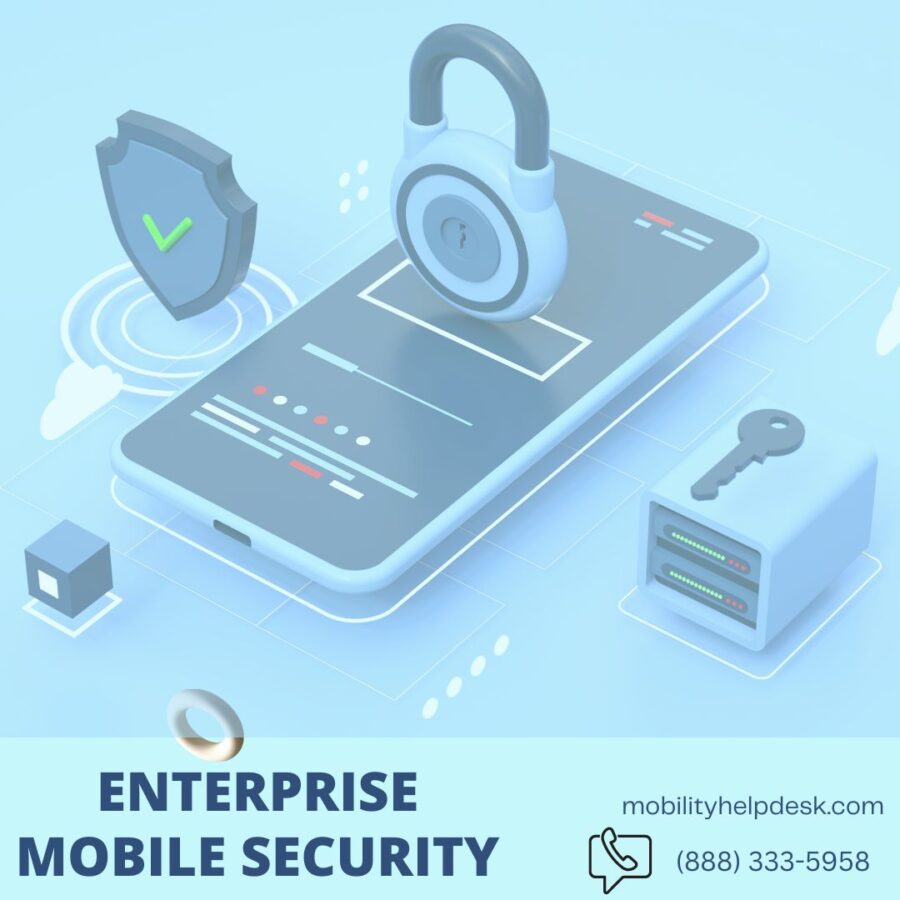
Insufficient mobile security poses a significant threat to businesses across various industries. Real-world examples demonstrate the devastating consequences of neglecting mobile security protocols. Understanding these cases provides crucial insights into preventative measures and effective security strategies.
Real-World Examples of Businesses Affected by Insufficient Mobile Security
Many businesses have suffered substantial losses due to compromised mobile devices. These breaches often result in data breaches, financial losses, and reputational damage. A retailer, for instance, could lose customer credit card information if a mobile device used for processing transactions is compromised. This not only results in financial losses but also damages the retailer’s reputation and customer trust.
Insufficient mobile security leaves business enterprises vulnerable. Companies need to bolster their defenses, and that means actively looking at solutions like deploying AI Code Safety Goggles Needed to identify and fix security flaws in their mobile applications. Deploying AI Code Safety Goggles Needed can help prevent costly data breaches and maintain a strong security posture, ultimately mitigating the risks associated with insufficient mobile security.
Failing to address these issues puts businesses at serious risk.
Similar issues have plagued numerous businesses, emphasizing the need for robust mobile security measures.
Successful Mobile Security Implementations in Different Industries
Implementing effective mobile security strategies is crucial for businesses in all sectors. A successful implementation not only protects sensitive data but also strengthens overall security posture. Financial institutions, for example, have implemented multi-factor authentication and device encryption to safeguard customer information. These measures significantly reduce the risk of unauthorized access and data breaches. Similarly, healthcare providers are increasingly using mobile device management (MDM) solutions to control access to patient data and ensure compliance with regulations.
Lessons Learned from Security Breaches Involving Mobile Devices in Business Environments
The consequences of mobile security breaches often extend beyond immediate financial losses. Businesses that have experienced security breaches often face reputational damage, legal repercussions, and difficulty regaining customer trust. Critically, a thorough analysis of past breaches reveals common vulnerabilities that can be mitigated. These include inadequate password policies, insufficient device encryption, and lack of comprehensive mobile device management.
By understanding the underlying causes, businesses can implement targeted solutions to prevent future breaches.
How Security Breaches Affected Businesses’ Operations and Finances
Security breaches involving mobile devices can cripple a business’s operations. Disruptions to communication, service interruptions, and financial losses are common consequences. For instance, a manufacturing company might experience production delays if crucial data is compromised, impacting the supply chain and overall profitability. Moreover, the cost of recovering from a breach, including forensic analysis, legal fees, and reputational damage, can be substantial.
Table: Case Studies of Insufficient Mobile Security and Consequences
| Industry | Example of Insufficient Mobile Security | Consequences | Lessons Learned |
|---|---|---|---|
| Retail | Employees using personal devices for sensitive transactions without adequate security measures. | Data breaches leading to significant financial losses, loss of customer trust, and reputational damage. | Implement robust mobile device management solutions and enforce strict security protocols for all devices handling sensitive data. |
| Healthcare | Lack of encryption for patient data on mobile devices used for record-keeping. | Potential for unauthorized access to confidential patient information, resulting in regulatory penalties and legal action. | Implement strong encryption protocols, secure access controls, and comply with relevant healthcare regulations (e.g., HIPAA). |
| Finance | Using unpatched mobile operating systems that are vulnerable to known exploits. | Unauthorized access to customer accounts, significant financial losses, and legal penalties. | Regularly update mobile devices and software to patch vulnerabilities, utilize strong authentication mechanisms, and educate employees about security threats. |
Future Trends and Projections
The mobile landscape is constantly evolving, presenting both opportunities and threats for businesses. Predicting the future of mobile security requires understanding the accelerating pace of technological advancements and the ingenuity of cybercriminals. This section explores emerging trends in mobile security threats, the future risk landscape, and the evolving role of AI in defense. It also examines how businesses can adapt and the advancements shaping the future of mobile security.
Emerging Mobile Security Threats
The sophistication of mobile threats is increasing, mirroring the evolution of cyberattacks. Malicious actors are leveraging new technologies and exploiting vulnerabilities in existing systems to target businesses. These threats include:
- Advanced Persistent Threats (APTs): APTs are sophisticated and targeted attacks that can remain undetected for extended periods. These attacks often involve highly skilled attackers and are designed to gain unauthorized access to sensitive data and systems.
- Ransomware-as-a-Service (RaaS): The accessibility of RaaS platforms empowers even less skilled attackers to launch sophisticated ransomware attacks against businesses. This democratization of cybercrime makes it more challenging to defend against.
- Supply Chain Attacks: Attackers are increasingly targeting the software supply chain to compromise multiple organizations. This approach can bypass traditional security measures and spread malware across an entire network.
- Mobile-Specific Malware: Malware specifically designed to exploit mobile operating systems and applications is on the rise. These threats are tailored to the vulnerabilities and architecture of mobile devices, posing unique challenges.
Future Risk Landscape for Businesses
The mobile security landscape for businesses is likely to become more complex and challenging. The interconnectedness of devices, cloud services, and the Internet of Things (IoT) expands the attack surface. These factors contribute to the following predictions:
- Increased Frequency and Sophistication of Attacks: Cybercriminals will likely employ more sophisticated tactics, leveraging automation and AI to launch attacks more frequently and efficiently.
- Targeting of Emerging Technologies: The rise of technologies like 5G and IoT devices will create new attack vectors for cybercriminals. These systems will require robust security measures.
- Greater Reliance on Mobile Devices: As businesses become increasingly reliant on mobile devices for operations, the risk of data breaches and service disruptions will rise.
- Geopolitical Factors: Geopolitical tensions and conflicts can influence the frequency and severity of cyberattacks targeting businesses.
Evolving Role of AI and Machine Learning
AI and machine learning are becoming integral to mobile security. Their use is transforming threat detection and response capabilities. This includes:
- Automated Threat Detection: AI algorithms can analyze vast amounts of data to identify patterns and anomalies indicative of malicious activity, significantly improving the speed of threat detection.
- Predictive Security Measures: Machine learning models can predict potential vulnerabilities and threats, enabling proactive security measures and reducing the risk of successful attacks.
- Enhanced Threat Intelligence: AI can analyze threat intelligence from various sources to identify emerging threats and vulnerabilities, enabling businesses to adapt their security strategies.
- Improved Fraud Detection: AI-powered systems can detect fraudulent activities on mobile devices, protecting sensitive financial transactions and customer data.
Business Adaptation Strategies
Businesses need to proactively adapt to future mobile security challenges. These adaptations include:
- Investing in Advanced Security Tools: Businesses should adopt cutting-edge security solutions that leverage AI and machine learning for proactive threat detection and response.
- Employee Training and Awareness: Regular training programs on mobile security best practices and phishing awareness are essential to minimize human error vulnerabilities.
- Developing a Robust Security Policy: Businesses need to establish clear policies and procedures for mobile device usage, data protection, and incident response.
- Multi-Factor Authentication (MFA): Implementing MFA across all mobile platforms is critical to bolster security and protect against unauthorized access.
Advancements in Mobile Security Technology
Several advancements in mobile security technology are shaping the future:
- Zero-Trust Security: Zero-trust architectures are becoming increasingly important in the mobile environment, requiring continuous verification of user and device identity before granting access.
- Hardware-Based Security: Hardware security modules (HSMs) and secure elements are playing a greater role in safeguarding sensitive data on mobile devices.
- Blockchain Technology: Blockchain can be leveraged to enhance the security and integrity of mobile transactions and data sharing.
- Improved Mobile Application Security: Advanced techniques are being developed to better secure mobile applications and prevent vulnerabilities that could be exploited by attackers.
Outcome Summary
In conclusion, insufficient mobile security poses a substantial threat to businesses of all sizes. By understanding the vulnerabilities, risks, and potential consequences, organizations can proactively implement robust security measures to protect their data, reputation, and bottom line. The future of mobile security demands continuous adaptation and vigilance, and this article provides a valuable roadmap for navigating these evolving challenges.
Commonly Asked Questions
What are some common examples of mobile security vulnerabilities?
Common vulnerabilities include weak passwords, unpatched software, phishing scams, and unsecured Wi-Fi networks. Attackers often exploit these weaknesses to gain access to sensitive data.
How can businesses implement strong mobile security policies?
Strong mobile security policies encompass device management, access controls, data encryption, and regular security audits. Employee training on best practices is also critical.
What are the legal implications of insufficient mobile security?
Data breaches resulting from insufficient mobile security can lead to legal action, including lawsuits and regulatory penalties. The specific implications vary by jurisdiction and the type of data compromised.
What role does employee training play in mobile security?
Employee training is crucial for raising awareness about mobile security threats and best practices. It equips employees with the knowledge to recognize and avoid potential risks.