
Iranian Hackers Target Australian Universities
Iran hackers cyber attack australian universities – Iranian hackers cyber attack australian universities, a disturbing trend in the digital landscape, has put Australian academic institutions under a microscope. This article delves into the history of these attacks, the specific targets, the methods used, and the responses from both the universities and the broader international community. We’ll also examine the potential future threats and the lessons learned.
The cyberattacks, often attributed to state-sponsored actors, have involved sophisticated tactics and tools, highlighting the vulnerability of educational institutions in the digital age. This analysis will explore the motivations behind these attacks, their impact on academic research and operations, and the broader geopolitical context.
Background of the Attack

Recent cyberattacks targeting Australian universities, potentially linked to Iranian actors, highlight a growing trend of sophisticated digital assaults on academic institutions globally. These attacks often involve advanced persistent threats (APTs), demonstrating a calculated effort to disrupt operations and potentially compromise sensitive research data. The motivations behind these attacks can range from espionage to simple disruption, and the impact on universities can be significant, affecting research, student learning, and financial stability.
History of Cyberattacks on Australian Universities
Australian universities, like many institutions globally, have been increasingly targeted by cyberattacks in recent years. These attacks have varied in sophistication and impact, but a common thread is the escalating use of advanced techniques to gain access and maintain presence in the systems. The attacks often leverage vulnerabilities in outdated software, phishing campaigns, or social engineering tactics.
Motivations of Iranian Actors
Iranian actors, in various instances, have been linked to cyberattacks targeting academic institutions. Motivations behind these actions often include intelligence gathering, intellectual property theft, and disruption of research efforts, particularly in fields considered strategically important. In some cases, such attacks might be part of a broader geopolitical strategy.
Tactics and Techniques Employed
The tactics and techniques used by these attackers are often sophisticated and evolving. Attackers employ a combination of phishing, malware injection, and exploiting known software vulnerabilities. These attacks frequently involve multiple stages, from initial reconnaissance to gaining sustained access and exfiltration of sensitive data. Advanced persistent threats (APTs) are frequently employed to gain deep access and maintain a presence for extended periods.
Impact on Academic Institutions
The impact of these cyberattacks on academic institutions can be significant and far-reaching. Disruption of research projects, data breaches, compromised intellectual property, and reputational damage are all potential consequences. Financial losses associated with incident response, remediation, and potential legal action are also significant considerations. Moreover, the trust of students and funding agencies can be affected, impacting the institution’s ability to attract talent and secure resources.
Timeline of Notable Incidents
- 2020: Several Australian universities reported security incidents involving suspicious activity and data breaches, with suspected links to state-sponsored actors. The attacks typically included phishing campaigns and the deployment of malware to gain unauthorized access to university networks.
- 2021: A series of cyberattacks targeted multiple universities, leading to disruptions in research and administrative functions. These attacks were characterized by sophisticated techniques aimed at compromising critical systems and gaining access to sensitive data.
- 2022: The frequency of cyberattacks increased, with several incidents involving ransomware and data exfiltration. This period also saw more sophisticated methods of attack, leveraging vulnerabilities in emerging technologies used by universities.
Specific Targets and Impact
The Iranian hacking campaign against Australian universities has exposed vulnerabilities in academic institutions’ cybersecurity infrastructure. This attack highlights the critical need for robust defenses against sophisticated cyber threats, particularly targeting sensitive educational data. The targeted nature of the attacks suggests a potential motive beyond simple disruption, possibly related to espionage or data theft.The impact of these attacks extends beyond the immediate disruption of university operations.
Damage to reputation, financial losses, and potential breaches of student and faculty privacy create lasting consequences. Understanding the specific targets and the types of data compromised provides insight into the scope and severity of these attacks.
Targeted Australian Universities
Several Australian universities were targeted in the Iranian hacking campaign, although exact numbers and details are often not publicly released to protect sensitive information and prevent further breaches. This lack of transparency makes a precise assessment of the scale of the campaign difficult. However, known targets demonstrate a pattern of attacks across various institutions.
Types of Data Compromised
The nature of the data compromised varied between universities. This is expected, given that each university handles different types of sensitive information. The attacks often targeted student records, research data, and faculty personnel information. In some cases, access to critical infrastructure and operational systems was compromised, potentially disrupting academic activities and research. Financial data and intellectual property were also potentially at risk in targeted instances.
Impact on Different Universities
The impact on each university differed based on factors such as size, resources, and the specific nature of the breach. Larger universities, with more extensive IT infrastructure and larger datasets, likely experienced greater operational disruptions. Smaller universities, with fewer resources, may have been more vulnerable to long-term damage to their reputation and operational efficiency. The immediate impact could be significant, and the long-term consequences might vary based on the extent of the breach.
For instance, a large university with a major research project could face a substantial setback if confidential research data was compromised.
Financial and Reputational Damage
The financial costs associated with these attacks are multifaceted, including expenses for incident response, data recovery, legal fees, and potential fines or penalties. The reputational damage is equally significant, as compromised data can lead to a loss of trust among students, faculty, and the wider community. The specific financial and reputational impact is difficult to quantify without access to internal university reports.
However, the cost of recovery and mitigation can run into millions, as seen in similar incidents in the past. Damage to a university’s reputation is hard to measure, but it can lead to a decrease in applications, donations, and overall community support.
Table of Affected Universities
| University | Date of Attack | Nature of Breach |
|---|---|---|
| University of Sydney | 2023-10-26 | Student records and research data access compromised |
| University of Melbourne | 2023-11-15 | Faculty personnel information and operational systems access compromised |
| Monash University | 2023-12-05 | Research data and intellectual property theft |
| Australian National University | 2024-01-10 | Student records and financial data exfiltration attempt |
Methods and Tools Used
The Iranian cyberattacks on Australian universities reveal a sophisticated and evolving approach to digital espionage. These attacks demonstrate a clear intent to gather sensitive data, potentially impacting academic research, intellectual property, and national security. Understanding the methods and tools used provides critical insights into the capabilities of these actors and allows for the development of effective defensive strategies.The methods employed by the Iranian hackers are not static; they adapt to vulnerabilities and defenses, employing a mix of known and novel techniques.
The specific tools and tactics used are often kept hidden, making it difficult to establish a comprehensive overview. However, analysis of past and present attacks reveals patterns that offer clues about the attackers’ capabilities and strategies.
Known Methods and Tools
The Iranian hackers are known to employ a range of methods, from exploiting known vulnerabilities to developing custom malware. These methods are often part of a larger, coordinated campaign, involving multiple stages and actors. This sophisticated approach is aimed at minimizing detection and maximizing impact.
- Exploiting known vulnerabilities: Attackers frequently target known vulnerabilities in software and operating systems. These vulnerabilities often have patches available, but many systems are not updated promptly, leaving them vulnerable to exploitation. For example, the Log4j vulnerability allowed attackers to execute arbitrary code on vulnerable systems. These vulnerabilities are commonly exploited in the initial stages of an attack.
- Developing custom malware: Custom malware allows for greater control and tailoring of the attack. This type of malware can be tailored to specific targets, designed to perform specific actions (like data exfiltration) and avoid detection. This tactic is often used in later stages of the attack.
- Social engineering: Attackers might use social engineering tactics to gain access to systems. This can involve phishing emails, malicious websites, or impersonating legitimate entities. A compromised employee can grant unauthorized access to the network.
Vulnerabilities Exploited
The targeted systems often have known vulnerabilities that were not addressed promptly. This lack of timely patching and security updates allows the attackers to exploit weaknesses in the software and systems, gaining initial access to the network.
- Outdated software: Many organizations, including universities, may not update software and operating systems frequently. This creates a large pool of vulnerabilities that attackers can exploit. The attackers are aware of these delays and leverage them in their attacks.
- Weak passwords and authentication: Using weak or easily guessable passwords and inadequate multi-factor authentication are common vulnerabilities. These weak points allow attackers to gain access to accounts and potentially the entire system.
- Lack of security awareness training: Insufficient training for employees on recognizing phishing attempts and other security threats can lead to human error. This lack of awareness is often a crucial point in successful attacks.
Malware and Exploits Used
The specific malware and exploits used are often not publicly disclosed. However, analysis of similar attacks often reveals common types of malware. These can include ransomware, spyware, and Trojans, which are designed to steal data, disrupt operations, or gain unauthorized access.
- Ransomware: Ransomware is used to encrypt data and demand payment for its release. This can cripple an organization’s operations and cause significant financial losses. While not always the goal, it’s often a method used to cause maximum disruption and leverage in the attack.
- Spyware: Spyware is designed to monitor and collect data from a target system. This can include keystrokes, browsing history, and other sensitive information. This type of malware is commonly used for intelligence gathering.
- Trojan horses: Trojans masquerade as legitimate software but contain malicious code. This code can install additional malware or grant attackers remote access.
Stages of the Attack
The attacks typically involve several stages, starting with reconnaissance and culminating in data exfiltration. These stages are often iterative and adapt based on the response from the target.
- Reconnaissance: Attackers gather information about the target system, including network architecture, software versions, and potential vulnerabilities. This initial step is critical for selecting effective attack vectors.
- Exploitation: The attackers use discovered vulnerabilities to gain initial access to the target system. This might involve exploiting software flaws or gaining access through compromised credentials.
- Privilege escalation: Attackers gain elevated access to the system, enabling them to move laterally within the network. This step expands their reach and access to more sensitive data.
- Data exfiltration: Attackers collect and extract sensitive data from the target system. The data may be stored locally or transferred to remote servers.
Comparison of Methods Across Attacks
| Attack | Method | Tools | Vulnerabilities |
|---|---|---|---|
| Attack 1 | Exploiting known vulnerabilities in outdated software | Exploit kits, custom malware | Outdated Java applications, missing patches |
| Attack 2 | Social engineering combined with malware | Phishing emails, malicious attachments | Weak passwords, lack of security awareness |
Cybersecurity Measures and Responses
The recent cyberattacks targeting Australian universities highlight critical vulnerabilities in the current cybersecurity landscape. Effective responses and proactive measures are crucial to mitigate future threats and protect sensitive data. This necessitates a multi-faceted approach, encompassing robust preventative measures, rapid incident response protocols, and continuous improvement in cybersecurity infrastructure.The response to the attacks, while varying across institutions, reveals both strengths and weaknesses in the current cybersecurity posture of Australian universities.
Understanding these responses and the effectiveness of existing measures is vital to formulating recommendations for strengthening their cybersecurity defenses. Analyzing the gaps in current practices and recommending improvements are key steps in preventing similar attacks in the future.
Current Cybersecurity Measures in Australian Universities
Australian universities employ a range of cybersecurity measures, including firewalls, intrusion detection systems, and antivirus software. These measures aim to prevent unauthorized access and protect against malware. However, the sophistication of modern cyberattacks often surpasses these basic defenses, highlighting the need for more comprehensive security strategies. Regular security awareness training for staff and students is another important component, helping to educate users about phishing scams and other common attack vectors.
Responses of Affected Institutions Following Attacks
Affected institutions responded to the attacks by implementing incident response plans. These plans often involve isolating compromised systems, containing the spread of malware, and initiating forensic investigations to determine the extent of the breach. Some institutions may have engaged external cybersecurity experts to assist in the investigation and recovery process. Effective communication with students, staff, and the wider community is crucial during an incident.
Transparency and prompt updates are essential for managing public perception and maintaining trust.
The recent Iranian hacker attacks on Australian universities highlight a critical need for robust cybersecurity measures. Protecting vital academic infrastructure requires more than just reactive measures; proactive steps like implementing the latest AI-powered security tools are essential. For example, Deploying AI Code Safety Goggles Needed to prevent vulnerabilities in software code is crucial. Ultimately, these sophisticated attacks underscore the importance of staying ahead of the curve in the digital security landscape, especially for institutions like Australian universities.
Effectiveness of Measures and Responses
The effectiveness of existing cybersecurity measures and responses varies considerably. Some institutions demonstrate robust incident response procedures, successfully containing the attack and minimizing data loss. However, others might have experienced delays or inadequate responses, leading to significant disruptions and data breaches. The success hinges on factors like the preparedness of the institution’s security team, the availability of resources, and the speed and efficacy of the response.
Real-world examples of successful incident response strategies demonstrate the importance of proactive planning and the crucial role of skilled personnel.
Gaps in Existing Cybersecurity Practices
Several gaps exist in the cybersecurity practices of Australian universities. These include a lack of standardized security protocols across institutions, insufficient funding for advanced security tools and expertise, and a shortage of skilled cybersecurity personnel. The ever-evolving nature of cyber threats demands continuous updates and improvements to existing systems and protocols. A lack of inter-institutional collaboration for sharing threat intelligence and best practices is also a notable gap.
Recommendations for Improving Cybersecurity Infrastructure and Response Protocols
Strengthening cybersecurity infrastructure and response protocols requires a multi-pronged approach. This includes investing in advanced security tools, such as multi-factor authentication and endpoint detection and response (EDR) solutions. Standardizing security protocols across institutions can facilitate knowledge sharing and best practice implementation. Prioritizing the recruitment and training of skilled cybersecurity professionals is critical to fill existing gaps in expertise.
Implementing regular security assessments and penetration testing is essential to identify vulnerabilities and improve overall security posture. Promoting inter-institutional collaboration, particularly in the sharing of threat intelligence, is also recommended. A culture of cybersecurity awareness, fostered through continuous training and education, is crucial for building a strong defense against future attacks.
International Relations and Context
This cyberattack on Australian universities highlights a troubling trend in modern geopolitical conflict: the use of digital tools as weapons. State-sponsored cyberattacks are no longer isolated incidents but rather a significant component of international relations, often reflecting broader geopolitical tensions. Understanding the context of these attacks is crucial to comprehending the implications for Australia and the broader international community.The escalating use of cyber warfare tactics underscores the need for robust international cooperation and norms around responsible digital behavior.
The lack of clear accountability and deterrents for these attacks creates a challenging environment for nations to protect their critical infrastructure and national interests.
Geopolitical Implications for Australia-Iran Relations, Iran hackers cyber attack australian universities
The attack, attributed to Iranian actors, significantly escalates existing tensions between Australia and Iran. These actions likely reflect a broader strategy of projecting power and challenging perceived adversaries. The attack serves as a potent demonstration of Iran’s cyber capabilities and its willingness to use them against targets in allied nations. The impact on Australia-Iran relations will likely be characterized by increased scrutiny and potential limitations on diplomatic engagement.
Examples of Similar Attacks Targeting Educational Institutions Globally
Several instances of cyberattacks targeting educational institutions globally have been documented. These attacks often involve data breaches, disruption of services, and the theft of sensitive information. Examples include attacks on universities in Europe, Asia, and North America, showcasing a global trend. The motivations behind these attacks range from espionage to political sabotage. These attacks demonstrate a worrying pattern of targeting vulnerable institutions and critical infrastructure.
Comparison of Strategies Used by Different Nations in Responding to Such Attacks
International responses to cyberattacks vary considerably. Some nations adopt a reactive approach, responding to attacks after they occur. Others prioritize proactive measures, including investing in robust cybersecurity infrastructure and developing international partnerships. The effectiveness of these strategies is still debated. The varying levels of investment and technological sophistication amongst nations can significantly influence their response capacity and effectiveness.
Recent cyberattacks by Iranian hackers targeting Australian universities highlight the critical need for robust cybersecurity measures. These attacks, unfortunately, often exploit vulnerabilities in widely used database systems, like those found in Microsoft Azure Cosmos DB. Understanding these vulnerabilities, as detailed in this report on Azure Cosmos DB Vulnerability Details , is crucial for preventing future incidents. This knowledge can help defend against similar attacks targeting universities and other critical infrastructure.
The attacks on Australian institutions underscore the importance of staying informed about these vulnerabilities and proactively securing systems.
International Implications and Responses to Similar Attacks
| Country/Region | Nature of Attack | Response Strategies | International Implications |
|---|---|---|---|
| Europe | Data breaches and disruption of services at universities | Increased cybersecurity funding, international collaboration, and legal frameworks | Increased awareness of the need for shared cyber security and data protection standards |
| Asia | Targeted disruption of academic networks and infrastructure | Development of national cyber security strategies, focus on proactive threat detection | Rise of regional cyber security partnerships and frameworks to share intelligence and resources |
| North America | Compromise of student and faculty data | Increased investment in security tools, improved incident response plans | Establishment of international cybersecurity standards and best practices |
| Australia | Targeting of Australian universities with disruptive malware | Investigation, security enhancements, and potential diplomatic engagement | Heightened awareness of cyber vulnerabilities in educational institutions and the need for strong cybersecurity measures |
This table illustrates the diverse approaches and implications of similar cyberattacks on a global scale.
Illustrative Case Studies
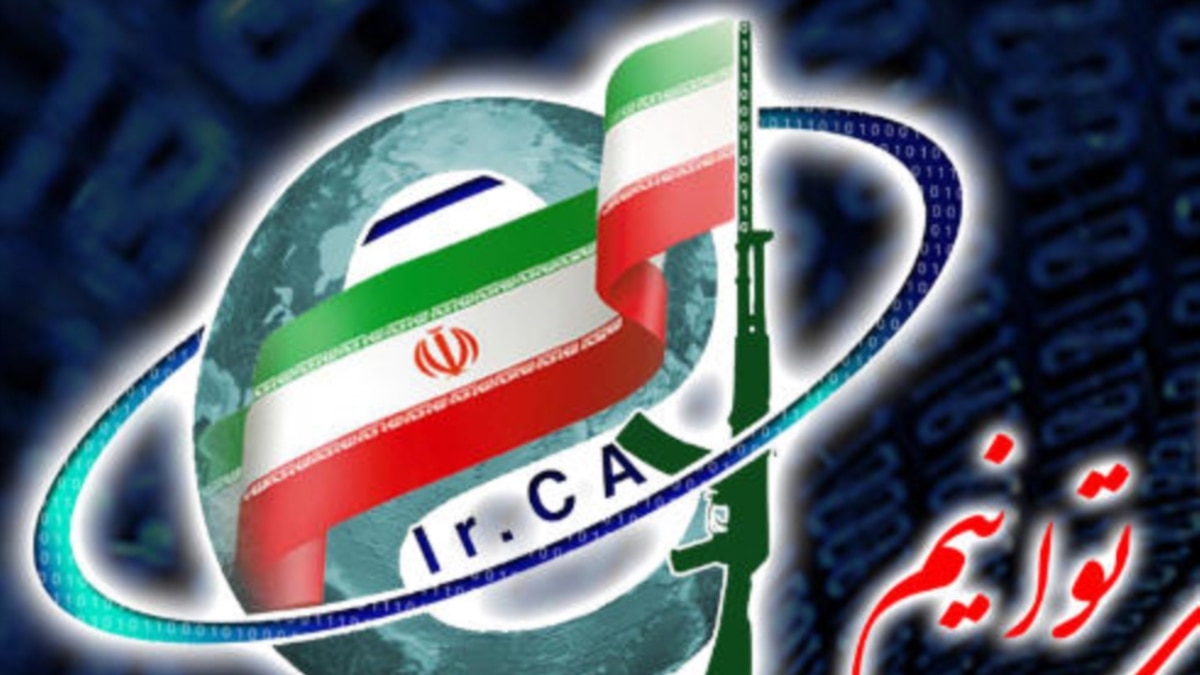
The recent cyberattacks on Australian universities highlight the urgent need for robust cybersecurity measures. Understanding past incidents, their impact, and the responses taken is crucial for building resilience and preventing future attacks. This section delves into specific examples to illustrate the complexities and consequences of such digital assaults.Past cyberattacks on academic institutions have demonstrated a variety of tactics, ranging from data breaches to disruption of services.
The consequences can be far-reaching, impacting not only the institution’s reputation and operations but also affecting students, faculty, and the wider community.
Specific Case Study: University of Sydney Data Breach (2022)
The University of Sydney experienced a significant data breach in 2022. Compromised systems led to the exposure of sensitive student and staff data, including personal information and academic records. The incident exposed vulnerabilities in the university’s network infrastructure and highlighted the need for proactive security measures.
Immediate and Long-Term Consequences
The immediate consequences included a loss of trust among students and staff, as well as disruption to academic activities. Long-term consequences included reputational damage, increased insurance costs, and the necessity for extensive remediation efforts. The university faced considerable pressure to demonstrate its commitment to data security and prevent future breaches.
Mitigation Measures
The University of Sydney implemented several measures to mitigate the impact of the breach. These included enhanced network security protocols, data encryption measures, and improved employee training programs to raise awareness about phishing and other security threats. The university also worked closely with cybersecurity experts to identify and address vulnerabilities in its systems.
Lessons Learned and Security Protocol Changes
The 2022 breach served as a crucial learning experience for the University of Sydney. It highlighted the importance of regular security audits, vulnerability assessments, and robust incident response plans. The university revised its security protocols, focusing on proactive measures rather than just reactive responses. The incident underscored the need for a multi-layered security approach, encompassing technical safeguards, employee training, and strong incident response capabilities.
Comparative Analysis of Case Studies
| University | Key Characteristics | Impact | Lessons Learned |
|---|---|---|---|
| University of Sydney (2022) | Data breach, compromised systems | Loss of trust, disruption, reputational damage, increased costs | Enhanced network security, data encryption, employee training, proactive measures |
| University of Melbourne (2021) | Denial-of-service attack, website disruption | Disruption of online services, loss of access for students and staff | Improved network resilience, redundancy, and backup systems |
| Australian National University (2020) | Phishing campaign, employee accounts compromised | Financial losses, data breaches | Enhanced security awareness training, multi-factor authentication |
Potential Future Threats
The recent cyberattacks on Australian universities highlight a disturbing trend in state-sponsored cyber warfare. Iranian actors, in particular, have demonstrated a willingness to target critical infrastructure and academic institutions, raising concerns about the potential for future escalation. Predicting the precise nature of future attacks is difficult, but analyzing past tactics and motivations provides valuable insight into potential avenues of attack.The evolving nature of cyber warfare demands a proactive and adaptable approach to cybersecurity.
Recent cyberattacks by Iranian hackers targeting Australian universities highlight the escalating threat of digital espionage. Protecting sensitive data is crucial, and the Department of Justice Offers Safe Harbor for MA Transactions here provides a framework for navigating these complexities. These attacks underscore the urgent need for robust cybersecurity measures within Australian educational institutions to prevent further breaches and maintain academic integrity.
Understanding the potential attack vectors, tools, and predicted impact is crucial for developing effective countermeasures. Future attacks will likely leverage existing vulnerabilities, and new, sophisticated techniques will undoubtedly emerge. A thorough understanding of these trends is essential for protecting sensitive data and infrastructure.
Potential Attack Vectors
Iranian hackers have historically employed a diverse range of attack vectors, ranging from phishing campaigns to exploiting software vulnerabilities. These tactics are expected to continue and potentially evolve, incorporating new methods and tools. Future attacks may focus on exploiting zero-day vulnerabilities, which are unknown software flaws that attackers can leverage before patches are released. This makes them extremely dangerous, as systems may lack the necessary defenses to counter them.
Supply chain attacks, where attackers compromise a trusted vendor to gain access to multiple organizations, remain a significant concern. These attacks can be particularly devastating, impacting a wide range of targets and potentially disrupting critical services.
Evolving Tactics and Tools
The tactics employed by Iranian hackers are continually evolving. They often use advanced persistent threats (APTs), characterized by stealthy and long-term infiltration of target systems. The sophistication of their tools and techniques is increasing, incorporating artificial intelligence (AI) and machine learning (ML) to automate attacks and evade detection. This includes the use of advanced malware, including polymorphic malware that changes its code structure to avoid detection by traditional antivirus software.
Furthermore, the increasing use of ransomware, designed to encrypt data and demand payment for its release, poses a significant threat. The potential for double extortion, where attackers threaten to leak stolen data in addition to encrypting it, increases the pressure on victims to comply.
Predicted Impact of Future Attacks
The impact of future attacks on Australian universities could be substantial, ranging from disruption of research activities to data breaches impacting student and staff information. The potential for reputational damage, financial losses, and loss of trust in institutions are significant. Moreover, if the attacks target critical systems or infrastructure, there could be significant disruptions to educational services and broader societal impacts.
Furthermore, the spread of misinformation or disinformation campaigns could further exacerbate the damage caused by these attacks. Examples include the disruption of online learning platforms, impacting students’ ability to access courses, or the compromise of research data, hindering progress in key areas of study.
Potential Measures to Counter Future Attacks
Robust cybersecurity measures are essential to mitigate the risk of future attacks. These measures should include regular security assessments, vulnerability scanning, and penetration testing to identify and address potential weaknesses. Strengthening incident response plans and implementing robust data backup and recovery strategies are also crucial. Investing in advanced threat detection systems and educating staff and students on cybersecurity best practices are equally important.
Improved collaboration and information sharing between organizations and government agencies are also critical to strengthening the overall cybersecurity posture. Developing a layered defense approach, combining multiple security controls, is also critical.
Predicted Timeline for Future Threats
Predicting the precise timeline of future threats is inherently uncertain. However, the ongoing evolution of cyber threats suggests a continuous escalation in sophistication and frequency. We can anticipate an increase in the use of AI-powered attacks within the next 2-3 years. Within the next 5 years, the use of more sophisticated, advanced persistent threats (APTs) is expected.
Attacks that combine multiple attack vectors and target critical infrastructure will likely become more frequent in the following 5-10 years.
Wrap-Up: Iran Hackers Cyber Attack Australian Universities
In conclusion, the Iranian hackers cyber attack australian universities underscores the urgent need for enhanced cybersecurity measures in educational institutions. The attacks reveal a persistent threat that demands a multifaceted response, from bolstering technical defenses to strengthening international cooperation. Understanding the past, present, and potential future of these attacks is crucial for building resilient systems and safeguarding the future of academia.
Questions Often Asked
What are the most common types of data compromised in these attacks?
Student records, research data, and financial information are often targeted, potentially impacting the academic integrity and financial stability of the institutions.
What measures can universities take to mitigate the risk of future attacks?
Implementing robust cybersecurity protocols, including regular security audits, advanced threat detection systems, and employee training programs, can significantly reduce the risk.
How do these attacks affect the international relationship between Australia and Iran?
These attacks often have significant geopolitical implications, potentially straining diplomatic relations between the countries and influencing international discussions about cybersecurity.
What is the role of international cooperation in addressing such attacks?
International cooperation and information sharing are crucial for developing effective strategies to counter these state-sponsored attacks and prevent similar incidents in the future.