ISIS Cyberattacks Western Targets
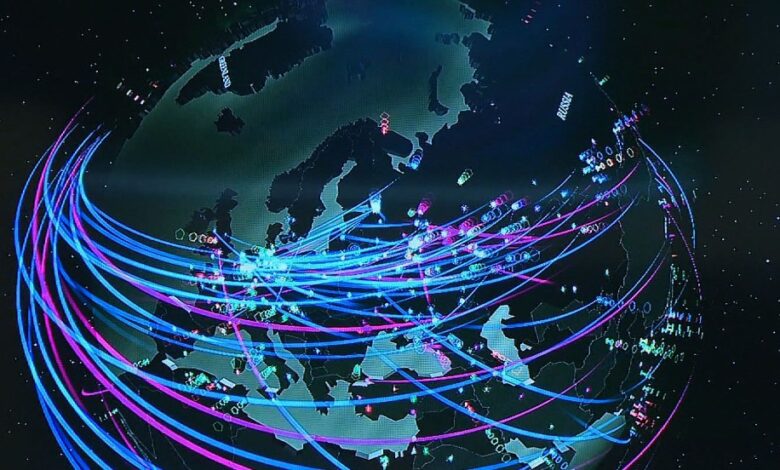
ISIS to launch cyber attacks on western countries via cyber caliphate, a chilling prospect that paints a stark picture of the evolving terrorist threat. This isn’t just about bombs and bullets; it’s about exploiting digital vulnerabilities, potentially crippling vital infrastructure and spreading fear through the digital realm. The narrative explores the growing sophistication of ISIS’s cyber capabilities, their potential targets, and the strategies needed to defend against this new frontier of terror.
The article delves into the intricate details of ISIS’s potential cyber strategy, including their motivations, tactics, and the structure they might employ to orchestrate attacks. It examines the “Cyber Caliphate” concept, exploring how ISIS might leverage online communities, recruit cyber operatives, and fund their digital operations. The analysis also scrutinizes potential targets in Western countries, considering critical infrastructure and the potential impact of successful attacks across various sectors.
Understanding the Threat Landscape
The digital realm has become a new battleground for extremist groups, and ISIS is no exception. While traditional military tactics remain central to their operations, the group has increasingly recognized the potential of cyberattacks as a means to achieve their goals. This evolution necessitates a thorough understanding of their capabilities and motivations to effectively counter their threats. Assessing the evolving threat landscape is crucial to safeguarding Western nations from potential cyberattacks.ISIS’s cyber capabilities have evolved from rudimentary online propaganda to potentially more sophisticated and destructive attacks.
Their understanding of and engagement with cyber tactics are continually growing. This evolution is not surprising given the global proliferation of digital tools and the increasing reliance on technology.
ISIS’s plans to launch cyberattacks on Western countries via a “cyber caliphate” are a serious concern. This necessitates a proactive approach to cybersecurity, and deploying AI code safety goggles, like those discussed in Deploying AI Code Safety Goggles Needed , is crucial to prevent vulnerabilities that could be exploited. Ultimately, these sophisticated tools are needed to help defend against these emerging cyber threats and protect against the potential for devastating attacks from ISIS.
Evolution of ISIS’s Cyber Capabilities
ISIS has progressively developed its cyber capabilities. Early efforts focused on online recruitment and propaganda dissemination, leveraging social media platforms. Now, they are likely expanding their capabilities to include more targeted and destructive attacks. This progression mirrors the evolution of other extremist groups, who have used the internet for recruitment, fundraising, and coordination.
Technological Resources and Methods
ISIS likely leverages readily available hacking tools and techniques. This includes employing freely available malware, exploiting known vulnerabilities in software, and utilizing social engineering tactics to gain access to systems. The group may also enlist the services of skilled hackers, either directly or through intermediaries, for more advanced operations. Their access to, and use of, encrypted communication platforms could enhance their ability to coordinate and execute attacks.
Examples of Past Cyberattacks by Extremist Groups
Past cyberattacks by extremist groups have exhibited various levels of sophistication. Some attacks have focused on disrupting services, while others have sought to spread propaganda or collect intelligence. These examples demonstrate a trend of increasing sophistication and complexity in cyber tactics employed by terrorist groups. The sophistication and nature of past attacks can be used to infer potential targets and strategies.
While similarities exist in terms of motivation and methods, variations in resources and technical proficiency differentiate them.
Motivations Behind Potential Cyberattacks
ISIS’s motivations for cyberattacks on Western countries likely mirror their traditional goals. These include disrupting critical infrastructure, spreading fear and chaos, and generating publicity for their cause. These aims are often intertwined with a desire to damage the perceived legitimacy and stability of Western governments. This aspect of the threat highlights the need for preventative measures and robust response plans.
Effectiveness of Cyberattacks Compared to Traditional Military Tactics, Isis to launch cyber attacks on western countries via cyber caliphate
Cyberattacks offer terrorist groups an alternative, potentially less risky, method for achieving their objectives compared to traditional military tactics. The cost of implementing and maintaining cyber capabilities is often lower, while the potential impact can be widespread and impactful. Cyberattacks can target vulnerabilities in critical infrastructure, potentially causing significant disruption and damage.
ISIS’s plans to launch cyberattacks on Western countries via a “cyber caliphate” are a serious concern. While the Department of Justice Offers Safe Harbor for MA Transactions ( Department of Justice Offers Safe Harbor for MA Transactions ) might seem unrelated, it highlights the crucial need for robust cybersecurity measures to combat these digital threats. This underscores the importance of proactive strategies to defend against ISIS’s evolving tactics in the digital realm.
Potential Targets in Western Countries
Potential targets in Western countries susceptible to cyberattacks include critical infrastructure, financial institutions, and government agencies. These sectors are often highly interconnected and vulnerable to cascading failures. This interconnectedness necessitates a comprehensive approach to cybersecurity. The impact of attacks on these targets could be devastating.
Comparison of Cyberattack Types
| Cyberattack Type | Description | Potential Impact |
|---|---|---|
| DDoS | Distributed Denial-of-Service attacks overwhelm a system with traffic, making it unavailable. | Disruption of services, financial losses, damage to reputation. |
| Ransomware | Malware that encrypts data and demands payment for its release. | Data loss, financial losses, operational disruption. |
| Phishing | Attempts to acquire sensitive information by masquerading as a trustworthy entity. | Data breaches, financial losses, identity theft. |
This table provides a basic overview of various cyberattack types and their potential impact on different sectors. Further research is needed to fully grasp the potential threats and vulnerabilities.
The Concept of a “Cyber Caliphate”
ISIS’s ambition extends beyond traditional territorial control. The group’s evolving strategy involves establishing a “cyber caliphate,” a virtual domain where they can disseminate propaganda, recruit new members, and plan attacks. This digital realm allows them to circumvent geographical limitations and potentially inflict widespread damage without direct physical presence. The cyber caliphate is a crucial component of their broader strategy, aiming to exert influence and inspire fear from a remote location.The “cyber caliphate” represents a significant shift in ISIS’s operational model.
It signifies their adaptation to the digital age, recognizing the power of online networks for radicalization, recruitment, and operational planning. This shift reflects a growing understanding of the vulnerability of online infrastructure and the potential for disruption through sophisticated cyberattacks.
Structure and Organization of a Cyber Warfare Unit
ISIS’s cyber warfare unit would likely be structured in a hierarchical manner, mirroring their established organizational model. A central command would oversee various operational cells responsible for specific tasks like hacking, propaganda dissemination, and online recruitment. The structure would emphasize compartmentalization and secure communication channels to minimize the risk of infiltration. This decentralized structure would allow for greater flexibility and adaptation in response to changing security measures.
Recruitment and Training Methods
Recruitment for cyber operatives within ISIS would likely utilize existing online networks and communities. Propaganda materials tailored to attract individuals with technical skills or a predisposition to extremist ideologies would be disseminated across social media platforms and encrypted forums. Training would be conducted remotely, using online tutorials, forums, and mentorship programs. The recruitment and training strategies would prioritize individuals with demonstrable technical expertise and a strong commitment to ISIS’s ideology.
Recruitment campaigns would focus on vulnerabilities in existing social and political systems.
Online Communities and Forums for Recruitment and Planning
Encrypted messaging apps, dedicated forums, and anonymized social media groups would likely serve as key recruitment and planning hubs. These platforms would provide secure communication channels for members to coordinate actions, share information, and avoid detection by security agencies. ISIS would likely use existing encrypted communication channels to evade monitoring and detection.
Potential Structure and Communication Channels
The diagram would visually represent the hierarchical structure, illustrating various operational cells and communication channels. A central command would oversee different sections like recruitment and training, propaganda dissemination, and operational cells. Secure communication channels, such as encrypted messaging and anonymized forums, would be highlighted to emphasize the importance of secrecy.
Funding Mechanisms
Potential funding mechanisms for such a cyber operation could include donations from supporters, extortion schemes, and the exploitation of vulnerabilities in online payment systems. ISIS might also attempt to utilize cryptocurrency to facilitate financial transactions and maintain anonymity. They would likely leverage existing financial networks to generate funding for their operations.
Potential Online Platforms for Recruitment, Propaganda, and Planning
| Platform | Purpose |
|---|---|
| Encrypted Messaging Apps | Secure communication channels for recruitment, planning, and operational discussions. |
| Anonymized Forums | Facilitating communication and sharing of information amongst members. |
| Social Media Platforms | Disseminating propaganda, recruiting new members, and spreading extremist ideologies. |
| Dark Web Markets | Acquiring tools, resources, and funding for cyber operations. |
ISIS would leverage a range of online platforms to carry out their cyber activities. This table Artikels the diverse platforms and their intended use for recruitment, propaganda, and planning. Encrypted messaging apps and anonymized forums are crucial for maintaining secure communication channels, while social media platforms are used for widespread propaganda. Dark web markets might provide access to tools and funding for cyber operations.
Potential Tactics and Targets
The emergence of a “Cyber Caliphate” presents a novel and insidious threat to Western nations. ISIS’s ability to leverage digital tools for terrorist aims is a serious concern, demanding a multifaceted understanding of potential tactics and targets. The potential for widespread disruption and societal impact is substantial.The “Cyber Caliphate” could employ a diverse range of cyberattack tactics, including phishing campaigns to gain access to sensitive information, the deployment of malware to disrupt critical infrastructure, and Distributed Denial of Service (DDoS) attacks to overload online services.
These attacks are not simply isolated incidents but rather part of a larger strategy aimed at achieving specific objectives.
Potential Cyberattack Tactics
ISIS, like other terrorist groups, will likely employ a range of cyberattack tactics to maximize impact and minimize detection. This includes not only advanced techniques but also more rudimentary methods to overwhelm security defenses.
- Phishing: Sophisticated phishing campaigns tailored to specific targets, exploiting vulnerabilities in human psychology, could be used to steal credentials, compromise systems, or install malware. This tactic is relatively easy to deploy but requires significant planning and execution. Examples include impersonating legitimate organizations or individuals to trick victims into revealing sensitive information.
- Malware: Malicious software, designed to disrupt operations, steal data, or sabotage systems, could be deployed to compromise critical infrastructure. The sophistication of malware varies, ranging from simple viruses to advanced ransomware and spyware. A significant threat involves the development of targeted malware that exploits specific vulnerabilities in software used by government agencies or private companies.
- DDoS Attacks: These attacks overwhelm targeted systems with traffic, disrupting services and rendering them inaccessible. DDoS attacks can be launched from botnets, networks of compromised computers, allowing for a large-scale and potentially devastating assault. Real-world examples demonstrate the disruptive power of DDoS attacks, impacting everything from online commerce to essential services.
Vulnerable Critical Infrastructure
Identifying and securing critical infrastructure is paramount. Western nations rely heavily on interconnected systems that are vulnerable to cyberattacks. Disruptions to these systems could have cascading effects across multiple sectors.
- Energy: Power grids, oil pipelines, and other energy infrastructure are prime targets. Disruptions could cause widespread blackouts, economic losses, and societal unrest. The interconnected nature of modern energy systems makes them particularly susceptible to cascading failures.
- Finance: Financial institutions, including banks and payment systems, are susceptible to attacks that could lead to financial losses, data breaches, and reputational damage. The reliance on digital transactions makes these systems attractive targets for cybercriminals.
- Communication: Telecommunications networks are crucial for communication and coordination. Disruptions could impede emergency response, disrupt commerce, and limit access to information.
Potential Impact on Various Sectors
The impact of successful cyberattacks can be devastating across various sectors. The interconnectedness of modern society amplifies the consequences of such actions.
ISIS’s plans to launch cyberattacks on Western countries via a “cyber caliphate” are a serious concern. The potential for widespread disruption is significant, especially considering recent vulnerabilities like those found in Azure Cosmos DB. Understanding these weaknesses, like those detailed in Azure Cosmos DB Vulnerability Details , is crucial for bolstering defenses against such attacks. Ultimately, the threat of ISIS’s cyber warfare remains a real and growing danger.
| Sector | Potential Impact |
|---|---|
| Finance | Financial losses, data breaches, disruption of financial transactions, reputational damage. |
| Energy | Widespread power outages, economic losses, societal unrest, disruption of essential services. |
| Communication | Disruption of communication networks, impact on emergency response, limitation of access to information, economic losses. |
| Transportation | Disruption of transportation systems, delays, potential for accidents, economic losses. |
Real-World Cyberattacks and Consequences
Studying past cyberattacks provides valuable insights into potential outcomes. These attacks illustrate the real-world consequences of malicious intent.
- The NotPetya attack, a devastating ransomware attack in 2017, caused significant disruption to global supply chains, and businesses worldwide. This highlighted the potential for cyberattacks to ripple through interconnected systems.
- The WannaCry ransomware attack, also in 2017, targeted hospitals and other critical infrastructure, illustrating the potential for disruption of essential services. The attack demonstrated the vulnerability of healthcare systems to cyberattacks.
Impact on National Security and Public Trust
Successful cyberattacks by a group like ISIS could erode national security and public trust in institutions. The cascading effects of such attacks could be profound.
- National Security: Cyberattacks could compromise critical infrastructure, potentially impacting national defense capabilities. This highlights the need for robust cybersecurity measures.
- Public Trust: Disruptions to essential services and financial systems could erode public trust in government and institutions. This could lead to social unrest and political instability.
Defensive Strategies and Mitigation
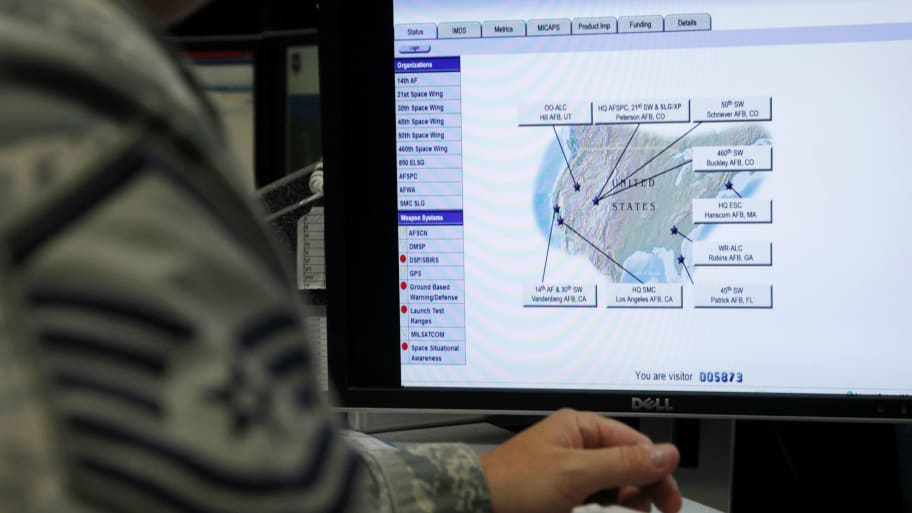
The rise of ISIS’s cyber capabilities necessitates a robust and multifaceted approach to defense. Simply reacting to attacks is insufficient; proactive measures and international collaboration are crucial to effectively deter and mitigate the threat. This necessitates a comprehensive strategy encompassing awareness training, infrastructure bolstering, and swift incident response protocols.A comprehensive defense strategy against ISIS cyberattacks must recognize the evolving nature of the threat.
The group’s tactics are likely to adapt and refine over time, requiring continuous monitoring, analysis, and adjustments to defensive measures.
Potential Defensive Strategies
A multifaceted approach to cybersecurity is essential to counter the threat. This includes implementing robust firewalls, intrusion detection systems, and advanced threat intelligence tools. Regular security audits and penetration testing are vital to identify vulnerabilities before they can be exploited.
Role of International Cooperation
International cooperation is paramount in combating the ISIS cyber threat. Sharing threat intelligence, best practices, and resources among nations can significantly enhance collective defensive capabilities. Joint training exercises and information exchange platforms can strengthen the resilience of global cybersecurity infrastructure. Countries with robust cybersecurity capabilities can assist those with less advanced resources.
Cybersecurity Awareness Training
Cybersecurity awareness training is crucial for both citizens and government agencies. Educating individuals on identifying phishing attempts, social engineering tactics, and other common cyber threats is vital. Training should cover the importance of strong passwords, secure online practices, and recognizing suspicious emails or websites. Government agencies need specific training on handling sensitive data, protecting critical infrastructure, and responding to cyber incidents.
Bolstering Cybersecurity Infrastructure
Strengthening cybersecurity infrastructure involves upgrading hardware and software, implementing advanced security protocols, and investing in research and development. This also includes establishing clear incident response plans and developing a robust communication system. Modernizing infrastructure and implementing proactive measures is critical for effective defense against cyberattacks.
Examples of Successful Cybersecurity Measures
Many countries have implemented successful cybersecurity measures. For example, the implementation of robust network segmentation in critical infrastructure sectors has proven effective in isolating potential attack points. The development of sophisticated intrusion detection systems has helped detect and mitigate threats in real-time. Investing in cybersecurity research and development and adopting industry best practices have also played a significant role in improving overall security posture.
Incident Response Plans
Developing and regularly testing incident response plans is crucial. These plans should Artikel procedures for identifying, containing, eradicating, and recovering from cyberattacks. Effective incident response minimizes the impact of an attack and facilitates swift recovery.
Steps to Take in Case of a Suspected Cyberattack
| Step | Action |
|---|---|
| 1 | Immediately isolate the affected system(s) to prevent further compromise. |
| 2 | Document the extent of the damage and affected systems. |
| 3 | Contain the attack by blocking further access attempts. |
| 4 | Notify the relevant security teams and authorities. |
| 5 | Begin a thorough investigation to determine the cause and scope of the attack. |
| 6 | Implement recovery strategies to restore affected systems and data. |
| 7 | Conduct a post-incident analysis to identify vulnerabilities and improve future defenses. |
Propaganda and Recruitment Online: Isis To Launch Cyber Attacks On Western Countries Via Cyber Caliphate

The digital realm has become a critical battleground for extremist groups like ISIS. Online platforms are not just spaces for communication, but potent tools for propaganda, recruitment, and radicalization. Understanding how ISIS leverages these tools is crucial for countering their influence and preventing further recruitment. This analysis will explore ISIS’s methods of online propaganda, particularly as they relate to cyberattacks, examining recruitment tactics, and potential narratives surrounding cyber warfare.ISIS’s online presence is carefully crafted to project an image of strength and technological prowess, often associating cyberattacks with religious zeal and a global jihad.
This approach aims to attract and inspire potential recruits, while simultaneously instilling fear in perceived enemies. The virtual battlefield, in this context, becomes another front in their campaign.
ISIS’s Online Propaganda Methods
ISIS utilizes a multifaceted approach to propaganda, tailoring their messages to specific audiences. They employ sophisticated techniques for disseminating information, including the creation of compelling narratives, the use of visual aids, and the development of a distinctive online persona. The aim is to inspire, motivate, and recruit new members to their cause. This includes crafting narratives that portray their actions as heroic and justified.
The dissemination of such content often includes targeted distribution on social media platforms and extremist online forums.
Online Recruitment and Radicalization
Recruitment strategies leverage social media platforms and online forums. ISIS utilizes these platforms to identify and connect with potential recruits, often targeting vulnerable individuals or those seeking belonging. They craft narratives that resonate with their audience, offering a sense of purpose and belonging that aligns with their extremist ideology. This is often achieved through online engagement, interactive discussions, and personal interactions in closed online groups.
They often utilize coded language and subtle messaging to evade detection while simultaneously maintaining engagement.
Potential Online Narratives and Themes
The narratives surrounding cyber warfare employed by ISIS often center on themes of technological superiority, digital jihad, and retribution against perceived enemies. These themes are woven into their online propaganda, often emphasizing their supposed ability to inflict significant damage through cyberattacks. The narrative of a “Cyber Caliphate” is crucial to their online strategy. This narrative fosters a sense of belonging and purpose amongst their followers, associating their cause with a digital domain of control and power.
Characteristics of ISIS’s Online Persona
ISIS cultivates a specific online persona, often presenting themselves as technologically advanced and powerful. This image of technological prowess is carefully constructed to inspire fear and admiration in potential recruits. They portray their cyberattacks as acts of religious devotion and resistance against perceived enemies. Their online persona often includes the use of advanced technology, demonstrating skills in digital warfare, which are presented as a manifestation of their power and invincibility.
Methods of Disseminating Propaganda Through Online Channels
ISIS uses various online channels for propaganda dissemination, from dedicated websites to encrypted messaging apps. These methods allow for targeted communication and dissemination of specific messages to potential recruits. Social media platforms are heavily utilized for recruitment and radicalization, often employing targeted advertising and influencer marketing techniques. This tailored approach allows them to reach specific demographics and potentially increase their influence.
Using Cyberattacks to Project Strength and Invincibility
ISIS’s cyberattacks serve as a powerful tool for projecting an image of strength and invincibility. These attacks, real or perceived, contribute to their online persona, reinforcing their narrative of technological capability and religious fervor. Their purported ability to inflict damage through cyberattacks can inspire fear and awe, potentially attracting individuals seeking a sense of belonging and purpose. By highlighting their purported prowess, they hope to gain recognition and bolster their image.
Recruitment and Radicalization via Online Platforms
| Online Platform | Recruitment Tactics | Radicalization Techniques |
|---|---|---|
| Social Media (e.g., Twitter, Telegram) | Targeted advertising, influencer marketing, personalized messages, engagement in online discussions. | Exposure to extremist content, fostering a sense of belonging, use of coded language, encouragement of extremist views. |
| Encrypted Messaging Apps (e.g., Telegram) | Recruitment of individuals in private groups, dissemination of propaganda, interactive discussions, direct contact with recruiters. | Reinforcement of extremist beliefs through curated content, fostering a sense of loyalty, building trust through personal interaction. |
| Dedicated Websites/Forums | Providing detailed information on the group’s ideology, online resources, instructions on carrying out attacks. | Elaborate justifications for their actions, narratives highlighting their purported righteousness, recruitment and radicalization strategies. |
Conclusion
In conclusion, the threat of ISIS launching cyberattacks against Western countries via a “Cyber Caliphate” demands serious attention. The article highlights the multifaceted nature of this emerging threat, from the evolving cyber capabilities of extremist groups to the potential impact on national security and public trust. Understanding the enemy’s methods and motivations is critical to formulating effective defensive strategies and mitigating the risks.
The need for international cooperation and robust cybersecurity measures is paramount in this escalating digital battleground.
Popular Questions
What are some specific examples of past cyberattacks associated with extremist groups?
While specific details about ISIS cyberattacks are scarce, past incidents involving other extremist groups have demonstrated a range of tactics, from spreading propaganda to disrupting online services. Information on these events can offer insights into the potential methods ISIS might employ.
What kind of critical infrastructure in Western countries might be vulnerable to cyberattacks?
Critical infrastructure like power grids, financial institutions, and communication networks are potential targets. Disruptions in these areas could have severe consequences for daily life and national security.
What is the role of international cooperation in combating these cyber threats?
International cooperation is crucial. Sharing intelligence, developing joint strategies, and coordinating defensive measures are essential to thwarting the growing threat.
What are the potential impacts on national security and public trust in the event of a successful cyberattack?
Such attacks could undermine public trust in government institutions and critical infrastructure, potentially leading to social unrest and jeopardizing national security.