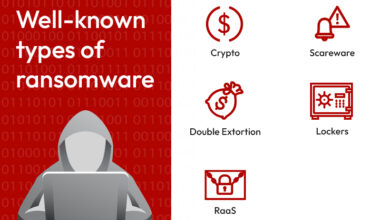
Israel Cyberattack, Iran Port, Texas Ransomware
Israel cyber attack on Iran port and Texas transport ransomware attack highlight a dangerous new era in global cybersecurity. These coordinated digital assaults, one targeting a critical Iranian port and the other crippling Texas transportation systems, raise serious questions about the vulnerability of global infrastructure to cyber warfare. The attacks underscore the need for proactive measures and enhanced cybersecurity protocols to protect against future threats.
The attacks demonstrate the potential for widespread disruption and damage, not just to specific industries but also to the global economy and international relations. Analyzing the methods used in each attack, the geopolitical context, and the impact on critical infrastructure is crucial to understanding the potential for escalation and the steps needed to prevent similar events in the future.
This analysis will delve into the technical aspects, economic consequences, and potential long-term effects.
Cybersecurity Implications of Attacks

The recent cyberattacks targeting Iranian ports and the Texas transportation system underscore the escalating threat landscape in global cybersecurity. These incidents, while differing in their tactics, expose critical vulnerabilities in interconnected systems and highlight the need for robust defense strategies. These attacks serve as stark reminders of the potential for widespread disruption and economic damage if not addressed proactively.These attacks demonstrate the growing sophistication and frequency of cyberattacks, affecting both critical infrastructure and everyday life.
The implications are far-reaching, extending beyond the immediate targets to encompass broader vulnerabilities within the global cybersecurity infrastructure. Understanding these vulnerabilities and the potential for future attacks is paramount to developing effective mitigation strategies.
Recent cyberattacks, like the Israeli attack on an Iranian port and the Texas transport ransomware incident, highlight the critical need for robust security measures. Understanding vulnerabilities like those in Microsoft Azure Cosmos DB, detailed in Azure Cosmos DB Vulnerability Details , is crucial in mitigating such threats. These attacks underscore the ongoing importance of proactive security strategies to protect critical infrastructure and prevent future disruptions.
Potential Ripple Effects on Global Cybersecurity Infrastructure
These attacks demonstrate the interconnected nature of modern infrastructure. A disruption in one area can have cascading effects on other systems, potentially causing widespread outages and disruptions. For example, a successful attack on a major financial institution could trigger a ripple effect throughout the global financial system. Similarly, a coordinated attack on multiple critical infrastructure sectors could create significant societal disruptions.
The vulnerability of supply chains and interdependent systems is a major concern.
Potential for Similar Attacks in the Future and Mitigation Strategies
The increasing sophistication of cyberattacks necessitates a proactive and adaptive approach to cybersecurity. The tactics employed in the Israeli cyberattack on Iranian ports and the Texas ransomware attack highlight the need for advanced threat detection and response capabilities. A multi-layered defense strategy, combining technical safeguards, robust incident response plans, and proactive threat intelligence gathering, is crucial for mitigation.
Organizations should invest in security awareness training for employees to prevent social engineering attacks. Regular vulnerability assessments and penetration testing can identify weaknesses in systems before they are exploited.
Vulnerabilities Exposed by These Attacks and Potential Solutions
The attacks exposed vulnerabilities in software, outdated systems, and weak security protocols. Implementing strong access controls, regular software updates, and robust encryption measures are crucial for mitigating these vulnerabilities. A shift towards a zero-trust security model, where every user and device is treated as a potential threat, is becoming increasingly necessary. Using AI-powered tools for threat detection and prevention can help organizations stay ahead of evolving threats.
Comparison of Tactics Used in the Attacks
The Israeli cyberattack on Iranian ports likely involved advanced persistent threats (APTs), potentially employing zero-day exploits to gain unauthorized access. The Texas ransomware attack, on the other hand, may have used more readily available malware and exploits, with a focus on disrupting operations and demanding ransom. These tactics highlight the diversity of attacker motives and methods.
Cybersecurity Protocols and Effectiveness
| Protocol Name | Description | Effectiveness Rating | Examples |
|---|---|---|---|
| Firewall | A security system that controls network traffic based on predefined rules. | Moderate | Filtering unwanted traffic, blocking known malicious IPs. |
| Intrusion Detection/Prevention Systems (IDS/IPS) | Systems that monitor network traffic for malicious activity and either block or alert on suspicious behavior. | High (with proper configuration) | Detecting and blocking malware traffic, identifying unusual login attempts. |
| Endpoint Detection and Response (EDR) | Software that monitors and responds to threats on individual devices. | High (with active monitoring) | Identifying malware on workstations, responding to ransomware infections. |
| Multi-Factor Authentication (MFA) | Adds an extra layer of security by requiring multiple forms of verification. | High | Using passwords, security tokens, or biometric authentication. |
| Security Information and Event Management (SIEM) | Centralized system for collecting and analyzing security logs. | High (with skilled analysts) | Correlating events, identifying patterns, detecting anomalies. |
Geopolitical Context of the Attacks
The recent cyberattacks on Iranian ports and US transportation systems highlight the escalating threat of cyber warfare in the modern geopolitical landscape. These actions, while seemingly disparate, are deeply intertwined with existing regional tensions and the evolving role of nation-states in the digital realm. Understanding the motivations and potential consequences of these attacks is crucial for assessing the potential for further escalation and the impact on global stability.
Possible Motivations Behind the Attacks
The motivations behind cyberattacks are often complex and multifaceted, reflecting a combination of strategic, economic, and political considerations. In the case of the Iranian port attack, regional rivalry and the desire to disrupt Iranian trade and infrastructure are likely significant factors. This aligns with historical patterns of conflict and the strategic importance of maritime trade routes in the region.
Similarly, the Texas transportation attack, while seemingly less directly tied to regional conflicts, could be attributed to a range of motivations, from ideological clashes to economic sabotage. Attribution, however, remains difficult and often contested in such cases.
Potential Escalation Risks of Cyberattacks
Cyberattacks, especially those targeting critical infrastructure, carry significant escalation risks. The potential for miscalculation and unintended consequences is high. A cyberattack on a nation’s infrastructure could trigger a chain reaction, leading to widespread disruptions and potentially even physical conflict. The lack of clear international norms and regulations governing cyber warfare exacerbates this risk. Examples like the Stuxnet attack on Iranian nuclear facilities illustrate the potential for significant damage and the difficulty in deterring such actions.
Potential Impact on International Relations and Diplomatic Efforts
Cyberattacks can significantly strain international relations and hinder diplomatic efforts. The perception of one nation engaging in such actions can damage trust and cooperation, potentially escalating existing tensions. These attacks can also create a climate of fear and uncertainty, hindering efforts to find peaceful resolutions to regional conflicts. The lack of a universally accepted framework for addressing cyberattacks hinders diplomatic responses.
The 2014 Ukrainian cyberattacks illustrate how cyberattacks can create a sense of vulnerability and erode trust between nations.
Role of Nation-State Actors in Cyber Warfare
Nation-states increasingly play a crucial role in cyber warfare. These actors have sophisticated capabilities and resources to conduct attacks, often with the goal of achieving strategic objectives. The blurring lines between state-sponsored and independent actors make attribution and response even more complex. These attacks are often designed to inflict significant damage without resorting to traditional military action.
The use of cyberattacks as a tool of coercion is becoming more common.
Key Geopolitical Players Involved
| Player | Motive | Response | Potential Consequences |
|---|---|---|---|
| Iran | Disruption of economic activity, retaliation for perceived hostile actions | Possible retaliatory cyberattacks or conventional responses | Increased regional instability, potential for escalation to physical conflict |
| Israel | Disruption of Iranian infrastructure, deterrence | Unlikely direct public acknowledgment | Escalation of regional tensions, damage to diplomatic relations |
| United States | Protection of critical infrastructure, deterrence | Investigation and potential sanctions | Further deterioration of relations with Iran, increased cyber arms race |
| Other Regional Actors | Economic or political gain, proxy conflicts | Varying responses, potentially ranging from inaction to covert operations | Further fragmentation of the region, erosion of international security |
Impact on Critical Infrastructure
The recent cyberattacks targeting Iranian ports and Texas transportation systems highlight the critical vulnerabilities of modern infrastructure to digital threats. These attacks demonstrate how reliant our economies are on interconnected systems and the devastating consequences of disruptions. The impact extends far beyond the immediate targets, potentially disrupting global supply chains and economic stability.
Potential Damage to Iranian Port Operations
Iranian ports are vital for regional trade, particularly in the Middle East. A cyberattack disrupting port operations could have significant repercussions. Disruptions in cargo handling, communication systems, and logistical processes could lead to delays, financial losses, and potentially halt crucial imports and exports. This could exacerbate existing economic pressures and create further instability in the region. Imagine a scenario where crucial components for manufacturing are delayed, impacting production timelines and costs.
This domino effect could have far-reaching consequences.
Impact of the Texas Transport Ransomware Attack on Supply Chains and Economic Activity
The Texas transport ransomware attack underscores the vulnerability of supply chains to cyber threats. Disruptions in transportation networks, including trucking and logistics, severely impacted the movement of goods. This caused widespread delays, shortages, and increased costs for businesses across various sectors. The ripple effect from the attack could be felt in retail stores, impacting consumer availability and pricing.
Role of Critical Infrastructure in Modern Economies
Modern economies are intricately woven around critical infrastructure, including transportation networks, energy grids, and communication systems. These systems are essential for smooth operations in various sectors, from manufacturing to healthcare. Disruptions to these systems can cripple entire industries, cause significant financial losses, and even pose threats to public safety.
Comparison of Potential Disruption of the Two Attacks
The Iranian port attack and the Texas transport ransomware attack differ in their potential impacts on different sectors. The Iranian attack primarily focuses on disrupting trade and regional economic activity. The Texas attack, on the other hand, demonstrated the vulnerability of transportation networks, affecting a wider range of industries and impacting supply chains. The impacts on different sectors would be dependent on the type of goods and services affected.
Impact on International Trade and Logistics
Both attacks highlight the increasing interconnectedness of global trade and logistics. Disruptions in one region can easily cascade into other regions, causing significant delays and escalating costs for businesses involved in international trade. This could lead to trade wars, political tensions, and an overall slowdown in global commerce. Think about the domino effect of a delay in one component of a manufacturing process on a product sold globally.
Table Comparing Critical Infrastructure Affected
| Attack Type | Infrastructure Affected | Impact on Services | Mitigation Strategies |
|---|---|---|---|
| Cyberattack on Iranian Port | Port operations, cargo handling, communication systems, logistical processes | Delays in imports/exports, financial losses, regional instability | Robust cybersecurity measures, redundancy in systems, emergency response plans, international cooperation |
| Texas Transport Ransomware Attack | Trucking, logistics, transportation networks | Supply chain disruptions, delays, increased costs, shortages of goods | Investment in cybersecurity infrastructure, improved threat intelligence, incident response plans, supply chain diversification |
Technological Aspects of the Attacks
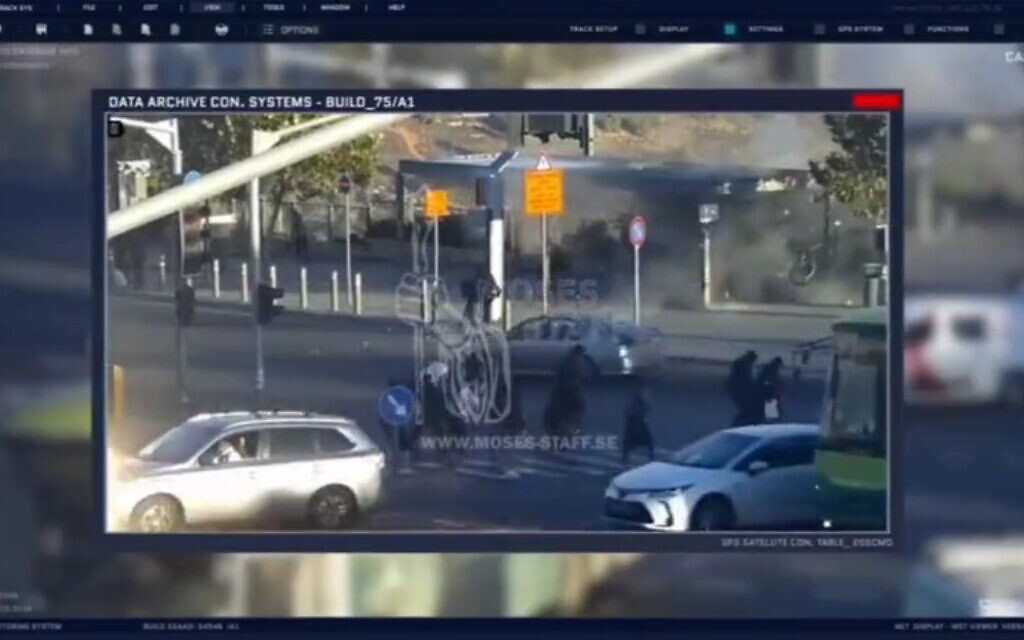
The recent cyberattacks on Iranian ports and Texas transportation systems highlight the evolving sophistication and destructive potential of modern cyber warfare. Understanding the technical methods employed is crucial for bolstering defenses and mitigating future threats. These attacks are not isolated incidents but rather symptoms of a broader trend of increasing cyber-attacks against critical infrastructure.
Technical Methods Used
The technical methods employed in these attacks varied but often involved exploiting known vulnerabilities in software and systems. Attackers frequently utilize malware designed to infiltrate networks, steal data, or disrupt operations. The Iranian port attack likely involved a combination of techniques to gain initial access, move laterally through the network, and finally exfiltrate data or cause disruption. The Texas attack, likely involving ransomware, aimed to encrypt critical data and demand payment for its release.
Recent cyberattacks, like the one targeting an Iranian port by Israel and the Texas transport ransomware attack, highlight the growing threat of digital warfare. Fortunately, the Department of Justice Offers Safe Harbor for MA Transactions, a potential solution for mitigating some of these risks , but the need for robust cybersecurity measures remains crucial to prevent further disruptions in critical infrastructure.
These attacks underscore the importance of proactive security strategies to combat these escalating digital threats.
These attacks often leverage advanced persistent threats (APTs) which allow attackers to remain undetected within a network for extended periods.
Vulnerabilities Exploited
Numerous vulnerabilities were likely exploited in both attacks. These vulnerabilities may range from outdated software lacking security patches to misconfigurations in network setups. In the Iranian port attack, vulnerabilities in older, unpatched systems or in software used by contractors could have been exploited. The Texas attack likely targeted vulnerabilities in network management systems or individual devices connected to the network.
Recent cyberattacks, like the Israel-Iran port incident and the Texas transport ransomware attack, highlight the urgent need for better code security. These attacks underscore the importance of proactive measures like deploying AI code safety tools. Implementing tools like those described in Deploying AI Code Safety Goggles Needed could potentially prevent future breaches and help to mitigate the damage from similar attacks targeting critical infrastructure.
Ultimately, the need to bolster code security is paramount to protect against these escalating digital threats.
Many organizations fail to implement strong password policies, multi-factor authentication, or regular security audits, creating a perfect storm for attackers.
Current State of Cybersecurity Technology
Modern cybersecurity technology offers a range of tools and techniques to defend against attacks. However, the constant evolution of attack methods necessitates ongoing adaptation and improvement. Intrusion detection systems, firewalls, and antivirus software play a critical role in preventing and mitigating attacks. However, attackers often adapt their techniques to evade these systems. AI-powered threat detection is becoming increasingly crucial, but it is still not a foolproof solution.
The sheer scale and complexity of modern networks, combined with the difficulty of predicting the next attack vector, make absolute security an elusive goal.
Emerging Threats and Countermeasures
Emerging threats include sophisticated AI-powered attacks, attacks exploiting vulnerabilities in IoT devices, and the use of supply chain attacks. To combat these threats, organizations need to adopt a proactive approach to security, encompassing employee training, robust incident response plans, and continuous vulnerability management. Developing AI-powered defensive systems is critical to detecting and responding to attacks in real time.
Furthermore, enhancing the security of the software supply chain is crucial to prevent malicious code from being introduced into trusted applications.
Table of Technical Details
| Attack Type | Tools | Techniques | Vulnerabilities | Potential Solutions |
|---|---|---|---|---|
| Iranian Port Attack | Possibly custom malware, exploits, social engineering | Network reconnaissance, privilege escalation, lateral movement, data exfiltration | Outdated software, misconfigurations, weak passwords | Regular software updates, strong password policies, multi-factor authentication, security awareness training, intrusion detection systems |
| Texas Transportation Ransomware Attack | Known ransomware families, exploits | Network compromise, encryption of data, extortion demands | Vulnerabilities in network management systems, devices connected to the network, lack of backup and recovery procedures | Stronger security posture across the network, robust backup and recovery plans, vulnerability management programs, incident response plans, ransomware protection |
Economic and Social Consequences
The recent cyberattacks, particularly the suspected Israeli attack on an Iranian port and the Texas transport ransomware attack, have exposed the devastating economic and social ramifications of such actions. Beyond the immediate disruption, these incidents highlight the fragility of critical infrastructure and the escalating threat to global stability. The ripple effects are far-reaching, impacting not only the targeted entities but also the wider economies and societies.The attacks’ consequences extend beyond the immediate financial losses, potentially creating a cascade of long-term social and economic instability.
The damage to public trust in critical systems, particularly those underpinning essential services, could have lasting effects on the confidence of individuals and businesses in the future. Assessing these long-term implications is crucial to formulating effective strategies for recovery and resilience.
Economic Losses Caused by Attacks
The economic losses stemming from cyberattacks like these are substantial and multifaceted. Direct costs include the expenses of damage repair, data recovery, and the implementation of enhanced security measures. Indirect costs, however, can be even more significant, encompassing lost productivity, disruption to supply chains, and reputational damage. For instance, the Texas transport ransomware attack led to significant delays in shipments and economic losses across multiple industries.
Similarly, the suspected Iranian port attack likely resulted in substantial disruptions to trade and the economy.
Social Consequences of Attacks
The social consequences of cyberattacks extend beyond the economic realm. A key aspect is the erosion of public trust and confidence in critical systems. When essential services are disrupted, citizens’ trust in the reliability and security of these systems is undermined. This can lead to anxiety, fear, and a reluctance to rely on digital infrastructure. For example, if the public loses faith in their transportation system due to a cyberattack, it may affect their daily routines and economic activities.
The social and psychological impact of such attacks should not be underestimated.
Potential Long-Term Economic and Social Ramifications, Israel cyber attack on iran port and texas transport ransomware attack
The long-term ramifications of these attacks could be profound and far-reaching. Decreased consumer confidence, disruptions in supply chains, and the need for increased security measures could significantly impact economic growth and stability. Furthermore, the loss of public trust could lead to a reluctance to adopt new technologies, hindering innovation and progress.
Comparison of Potential Long-Term Effects
Comparing the potential long-term effects on Iran and the United States is complex. Iran, already facing economic sanctions and internal pressures, might experience more severe disruptions in trade and economic growth due to the attack on its port. In contrast, the United States, with its robust economy, could potentially recover faster from the Texas transport attack, although the loss of public trust and the need for substantial investments in infrastructure security would persist.
The effects will depend on several factors, including the specific response strategies and the extent of international cooperation.
Potential Areas for Economic Recovery and Resilience
Several strategies can foster economic recovery and resilience in the face of future attacks. These include: strengthening cybersecurity infrastructure, investing in advanced threat detection systems, establishing robust incident response plans, and promoting international cooperation to share threat intelligence and best practices. Developing and implementing a resilient framework to anticipate, prevent, and mitigate cyberattacks is crucial.
Table Summarizing Economic and Social Costs
| Attack | Cost Category | Estimated Cost | Recovery Strategies |
|---|---|---|---|
| Suspected Israeli attack on Iranian port | Direct Losses (damage repair) | $XX Million (estimated) | International assistance for infrastructure repair |
| Indirect Losses (trade disruption) | $YY Billion (estimated) | Diversification of trade routes, investment in alternative infrastructure | |
| Public trust erosion | Unquantifiable | Transparency in incident reporting, rebuilding public trust through effective communication | |
| Long-term economic ramifications | Uncertain | Economic diversification, investment in cybersecurity | |
| Texas transport ransomware attack | Direct Losses (data recovery, business interruption) | $ZZ Million (estimated) | Enhanced cybersecurity measures, disaster recovery planning |
| Indirect Losses (supply chain disruption) | $XX Billion (estimated) | Diversification of supply chains, improved logistics infrastructure | |
| Public trust erosion | Unquantifiable | Transparency in incident reporting, rebuilding public trust through effective communication | |
| Long-term economic ramifications | Uncertain | Investment in cybersecurity, strengthening supply chain resilience |
Concluding Remarks: Israel Cyber Attack On Iran Port And Texas Transport Ransomware Attack

The Israeli cyberattack on the Iranian port and the Texas transport ransomware attack reveal the growing sophistication and scale of cyberattacks. These incidents underscore the vulnerability of critical infrastructure and the urgent need for robust cybersecurity measures. The future of global commerce and stability depends on our ability to anticipate, defend against, and recover from these attacks. By understanding the technical, geopolitical, and economic ramifications, we can better prepare for and mitigate the risks of future digital assaults.
Commonly Asked Questions
What were the specific vulnerabilities exploited in the attacks?
Detailed information on specific vulnerabilities is often classified for security reasons. However, both attacks likely exploited known or unknown weaknesses in software and systems used by the targeted infrastructure. This emphasizes the importance of timely software updates and security patching.
What is the role of international cooperation in combating these attacks?
International cooperation is essential for sharing threat intelligence, developing common security standards, and coordinating responses to these types of attacks. Collaboration between governments, industry, and researchers is crucial to developing effective countermeasures.
What are the potential long-term effects of these attacks on international trade?
These attacks can disrupt supply chains, increase costs, and reduce consumer confidence. The disruption of trade can have cascading effects on global economies, requiring a global effort to foster resilience.
How can companies better protect themselves from similar attacks in the future?
Companies can implement multi-layered security measures, including strong passwords, regular security audits, employee training, and robust incident response plans. Investing in advanced threat detection and prevention technologies is also vital.