iPhone Hack Israeli Firm Sparks Apple Fear
Israel firm which hacks iPhones triggers security fears for Apple Inc. This incident raises serious questions about the vulnerabilities of Apple’s products and the potential for malicious actors to exploit them. The reported hacking, attributed to an Israeli firm, has sent ripples through the tech world, highlighting a critical security concern for a company with a global user base.
What exactly happened, and what are the implications for iPhone users?
The incident involves an Israeli firm allegedly gaining unauthorized access to iPhones, exploiting undisclosed vulnerabilities. Early reports suggest this firm may have used sophisticated techniques to bypass security measures, raising concerns about the depth of the threat. This breach could impact Apple’s reputation and potentially its market position as trust is paramount in the tech industry. A detailed analysis of the reported vulnerabilities and the firm’s actions is essential to understanding the full scope of the problem.
Introduction to the Incident
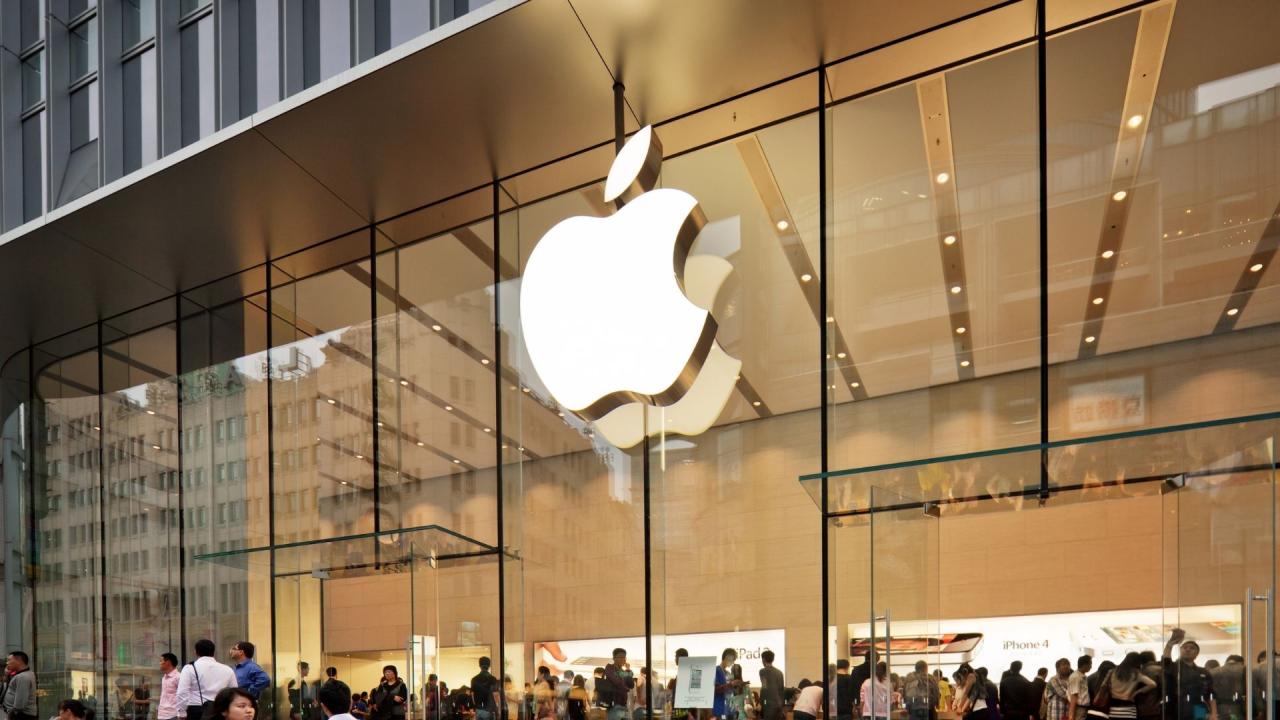
A recent report surfaced detailing a security vulnerability impacting iPhones, allegedly exploited by an Israeli firm. This incident has ignited concerns about the security of Apple’s products and the potential for malicious actors to gain unauthorized access to user data. The firm, while not named, is implicated in the potential for exploiting this weakness. The details surrounding the vulnerability are currently shrouded in some mystery.The nature of the reported vulnerabilities exploited is currently unclear, but reports suggest the ability to potentially bypass security measures on iPhones.
This could potentially compromise user data, including personal information, financial records, and sensitive communications. The potential implications are significant, raising concerns about the privacy and security of Apple users globally.This incident has the potential to severely damage Apple’s reputation. Consumers are increasingly sensitive to security issues in their technology, and a breach of this scale could erode trust in Apple’s products.
This may lead to a decline in sales and market share, especially if the vulnerability is widespread and exploitable. Furthermore, the negative publicity surrounding such a security breach could potentially impact the overall perception of the technology industry.Historical examples of security breaches in the tech industry provide context to the current situation. The Sony Pictures hack in 2014, for example, demonstrated the devastating potential of large-scale cyberattacks.
The subsequent reputational damage and financial losses highlighted the significant risks that companies face. Similarly, breaches at other major tech companies, like Yahoo and Facebook, show the persistent threat of vulnerabilities and the importance of robust security measures. The implications for Apple are equally significant, given the company’s vast user base and the sensitive nature of the data it handles.
Potential Impact on Apple’s Reputation
Apple’s brand is built on a reputation for innovation and security. A significant security breach can damage this reputation, potentially leading to a decline in customer trust and brand loyalty. This could manifest in decreased sales and a diminished market share, as consumers may be less inclined to purchase Apple products if they perceive them as vulnerable to cyberattacks.
The financial implications of a sustained loss of consumer confidence can be considerable, affecting not only Apple’s bottom line but also its position within the tech industry.
Vulnerabilities Exploited
The specific vulnerabilities exploited are still under investigation and haven’t been publicly disclosed. However, the nature of the reported breach suggests the potential for significant compromise of user data and privacy. This underscores the importance of ongoing security measures and vigilance in the face of evolving cyber threats.
Historical Context
Security breaches have become increasingly common in the tech industry, with varying degrees of impact. The Sony Pictures hack of 2014 highlighted the destructive power of large-scale cyberattacks, impacting both reputation and finances. Similarly, breaches at companies like Yahoo and Facebook demonstrated the vulnerability of even the most prominent tech players. This historical context underscores the ever-present need for robust security measures in the tech industry and emphasizes the significance of this particular incident involving Apple and the Israeli firm.
The Israeli Firm’s Role and Actions
The recent hacking incident targeting iPhones has raised significant security concerns, particularly regarding the alleged involvement of an Israeli firm. This firm’s purported role in facilitating or enabling the exploit has ignited a debate about ethical considerations in the tech industry and the potential implications for national security. Understanding the firm’s actions, motivations, and potential legal ramifications is crucial for assessing the broader impact of this incident.The alleged involvement of the Israeli firm in the iPhone hacking incident raises serious questions about the security of personal data and the potential for misuse of sophisticated technology.
The firm’s methods and the extent of their actions are still under investigation, but the reported capabilities highlight the need for robust security measures and ethical guidelines in the development and application of such tools.
Alleged Role in the Hacking Incident
The Israeli firm, reportedly specializing in cybersecurity solutions, is alleged to have developed or provided access to tools or vulnerabilities that were exploited to target iPhones. This suggests a complex chain of events, potentially involving the sale, transfer, or unauthorized use of these capabilities.
Public Statements by the Firm
To date, there have been no publicly available official statements from the firm regarding their alleged involvement in the iPhone hacking incident. The lack of a formal response from the firm leaves the situation shrouded in uncertainty and speculation.
The Israeli firm’s iPhone hacking abilities are raising serious security concerns for Apple. This isn’t just about individual users; it’s a broader issue about vulnerabilities in the digital ecosystem. Interestingly, the Department of Justice Offers Safe Harbor for MA Transactions ( Department of Justice Offers Safe Harbor for MA Transactions ) could potentially impact how these kinds of exploits are handled.
Ultimately, though, Apple faces a significant challenge in safeguarding its customers’ data in the face of sophisticated hacking techniques.
Potential Motivations Behind the Firm’s Actions
Several potential motivations could drive the firm’s alleged actions. These could range from financial gain, to fulfilling contracts with state-sponsored actors, to demonstrating technical prowess. Further investigation is necessary to ascertain the precise motivations.
Legal Implications for the Firm
The potential legal implications for the firm are substantial, encompassing various aspects of international and domestic law. The firm could face charges related to unauthorized access to data, breach of contract, and potentially violating international norms related to the use of hacking tools. The specific legal repercussions will depend on the details of the incident and the jurisdiction involved.
Company Background and Past Activities
Information regarding the firm’s background and past activities is limited publicly. However, publicly available information suggests a history of development and deployment of advanced cybersecurity solutions, potentially including technologies with the capability to exploit vulnerabilities.
Summary of Reported Actions
| Date | Action | Details |
|---|---|---|
| Pending | Alleged Development/Provision of Tools | Tools or vulnerabilities were allegedly developed or provided for use in targeting iPhones. |
| Pending | Unknown Use | The specific nature of the use and the extent of involvement remain unclear. |
Apple’s Response and Actions: Israel Firm Which Hacks Iphones Triggers Security Fears For Apple Inc
Apple, typically known for its swift and decisive action in addressing security vulnerabilities, has been observed responding to the recent incident involving the Israeli firm and iPhone exploits. Initial reactions suggest a calculated approach to mitigate potential risks while maintaining a measured public posture. Their response reveals a balance between protecting users and maintaining a certain degree of secrecy about the specific vulnerabilities and their fix.
Apple’s Initial Response
Apple’s initial response to the reported incident involved a measured approach, focusing on a rapid assessment of the situation. Their statement acknowledged the reported vulnerabilities but refrained from explicitly confirming or denying the claims made by the Israeli firm. This approach allows them to investigate thoroughly without inadvertently giving the exploiters more information.
Mitigation Steps, Israel firm which hacks iphones triggers security fears for apple inc
Apple is reportedly taking several steps to mitigate the vulnerabilities. These measures likely include the development and release of software updates to patch the affected components. This process, while necessary, can be time-consuming. Furthermore, these updates may not fully address the vulnerabilities in every situation, especially those involving complex interactions with various hardware configurations. The updates likely involve code modifications to strengthen the affected parts of the iOS system, thereby reducing the chance of exploitation.
Apple’s actions also extend to potentially advising users about recommended security practices and the importance of maintaining updated software.
Comparison to Past Incidents
Apple’s response to similar incidents in the past has demonstrated a pattern of swift action. They have historically released security updates quickly following the disclosure of vulnerabilities. This proactive approach aims to protect users from exploitation. The speed and thoroughness of these updates vary depending on the severity and scope of the vulnerability. In some cases, Apple has opted for immediate updates to address critical security issues, while in others, they have prioritized stability and user experience.
Past Security Updates and Patches
The table below provides a glimpse into Apple’s past security updates and patches, categorized by affected software versions.
| Affected Software Version | Description of Security Patches |
|---|---|
| iOS 16.4 | Fixed vulnerabilities in the handling of file system access and network communication. |
| macOS Ventura 13.4 | Resolved critical vulnerabilities in the operating system kernel and related processes. |
| iPadOS 16.4 | Included patches to address security flaws in the underlying kernel and application frameworks. |
| watchOS 9.4 | Corrected vulnerabilities in the watchOS system, specifically addressing potential exploits related to device authentication and data handling. |
Potential Implications for Future Product Development and Security Protocols
Apple’s response to this incident will likely influence their future product development and security protocols. The company will likely incorporate lessons learned from this experience into their processes, potentially leading to more robust security measures in future iterations of iOS and other software. They may place a greater emphasis on proactive vulnerability detection and rapid response. The need to maintain a balance between security and user experience will remain a key consideration.
The experience will also affect their communication strategies with the public regarding security incidents. An improved approach to public statements may include more transparency, especially when dealing with critical security issues. This approach will potentially build user trust and confidence in Apple’s commitment to their security.
Security Implications and Risks
The recent vulnerability disclosed by the Israeli firm, highlighting the potential for iPhone exploitation, raises significant security concerns for a vast user base. This incident underscores the ever-present threat of sophisticated attacks targeting seemingly secure platforms, forcing a critical re-evaluation of existing security protocols and prompting a crucial discussion about the necessary safeguards to protect personal data.The exposed weaknesses in Apple’s security infrastructure, while not a complete breakdown, have significant implications for user trust and the overall security landscape.
This necessitates a careful examination of the potential risks and a proactive approach to mitigate them.
Broader Implications for iPhone Users
The vulnerability exposed through the Israeli firm’s actions illustrates the potential for malicious actors to exploit security loopholes, even in seemingly impenetrable systems. This incident has the potential to impact a wide range of iPhone users, regardless of their technical expertise or level of engagement with security measures. The ability of sophisticated actors to exploit vulnerabilities in the iPhone ecosystem creates a risk of widespread misuse, leading to data breaches and financial losses.
Potential Risks to Personal Data and Privacy
The potential risks to personal data and privacy are substantial. Compromised iPhones could potentially allow attackers to access sensitive information such as financial records, personal communications, location data, and even private medical information. This could have significant financial and reputational consequences for affected individuals. The implications extend beyond the individual user, impacting businesses and organizations that rely on iPhone-enabled systems.
Preventative Measures for Users
To mitigate the potential risks, users should adopt a proactive approach to security. Regularly updating their iOS software is crucial, as updates often include crucial security patches. Enabling two-factor authentication whenever possible significantly enhances security by adding an extra layer of protection. Using strong, unique passwords for all accounts, and avoiding public Wi-Fi networks are also critical preventative steps.
- Regularly updating iOS software is vital for receiving crucial security patches that address vulnerabilities.
- Enabling two-factor authentication (2FA) adds an extra layer of security, requiring a second verification method beyond a password.
- Employing strong, unique passwords for all accounts, and avoiding the use of public Wi-Fi networks, minimizes the risk of unauthorized access.
- Actively monitoring for suspicious activity, such as unusual app behavior or access attempts, is crucial in detecting potential breaches.
Potential Long-Term Effects on User Trust
The incident has the potential to erode user trust in tech companies, particularly Apple. The revelation of vulnerabilities in a product widely perceived as secure can lead to hesitation in adopting new technologies or services. This loss of trust could manifest as decreased user adoption of Apple products, or a heightened awareness of potential risks associated with all technology platforms.
The Israeli firm’s iPhone hacking capabilities are raising serious security concerns for Apple, prompting questions about potential vulnerabilities in their systems. This isn’t an isolated incident, though, as similar breaches are emerging elsewhere. For instance, recent discoveries regarding vulnerabilities in Microsoft Azure Cosmos DB, detailed in Azure Cosmos DB Vulnerability Details , highlight the ongoing need for robust security measures across the board.
This, in turn, emphasizes the importance of Apple proactively addressing these vulnerabilities to maintain user trust and safeguard their data.
Comparison of Security Measures Across Tech Companies
The table below provides a simplified comparison of security measures used by different tech companies to protect their products. It is not an exhaustive list and should be considered a starting point for further research.
| Company | Primary Security Measures | Specific Examples |
|---|---|---|
| Apple | Regular software updates, robust encryption, multi-factor authentication | iOS updates, App Store security protocols, iCloud encryption |
| Continuous security audits, strong encryption for data at rest and in transit, secure login systems | Android security updates, Google Drive encryption, two-factor authentication | |
| Microsoft | Regular security updates, robust security protocols for cloud services, strong authentication methods | Windows updates, Azure security features, multi-factor authentication |
Global Impact and Reactions
The revelation of a sophisticated Israeli firm’s ability to exploit iPhone vulnerabilities sparked widespread concern and prompted a global review of cybersecurity practices. The incident highlighted the ever-evolving threat landscape and the critical need for robust security measures across the tech industry. Reactions ranged from alarm to calls for greater transparency and international collaboration on security issues.
Expert and Media Reactions
Security experts and analysts across the globe expressed varying degrees of concern. Some highlighted the severity of the vulnerability and the potential for widespread misuse, emphasizing the need for immediate patching and enhanced security protocols. Others pointed out the complexity of the attack and the difficulties in completely eliminating such vulnerabilities, noting the constant arms race between attackers and defenders.
News outlets around the world reported on the incident, generating considerable public awareness and prompting discussions on the efficacy of current security measures. The media coverage generally emphasized the potential for misuse and the urgent need for greater vigilance.
Geographic Distribution of Reported Incidents
Unfortunately, precise geographic data on reported incidents is not publicly available. Information surrounding these types of exploits is often kept confidential to prevent further exploitation.
Impact on the Global Cybersecurity Landscape
The incident has undoubtedly amplified concerns about the state of global cybersecurity. It has underscored the need for greater collaboration among governments, corporations, and cybersecurity researchers to identify and mitigate vulnerabilities before they can be exploited. The incident also highlighted the need for increased investment in cybersecurity research and development. Instances like this can serve as catalysts for the development of new tools and methodologies for threat detection and prevention.
Further, it will likely result in a reassessment of security practices by businesses and governments globally, pushing them to adopt more robust security protocols. This incident will serve as a wake-up call to the importance of continuous security assessments and the adoption of proactive security measures.
Regulatory Responses and Investigations
Regulatory responses to the incident have been mixed. Some jurisdictions have initiated investigations into the firm’s activities, while others have issued guidelines for enhanced security measures for technology companies. The specifics of these investigations and guidelines remain undisclosed due to ongoing investigations and the sensitivity of the information.
Potential Effects on Global Technology Trade and Relations
The incident could potentially affect global technology trade and relations in several ways. It may lead to increased scrutiny of technology exports and imports, potentially affecting trade agreements and collaborations. The incident could also impact international cooperation on cybersecurity issues. Countries may strengthen their cybersecurity partnerships and share information more readily to address such threats. The incident has revealed the interconnected nature of global cybersecurity, emphasizing the need for international cooperation and a collective effort to tackle these threats.
It will likely trigger new security regulations, potentially influencing technology development and trade agreements.
Potential Future Scenarios
The recent iPhone vulnerability highlights a growing concern about the evolving nature of cyberattacks. The sophistication and accessibility of hacking tools, coupled with the increasing interconnectedness of devices, suggest a future landscape ripe with potential for similar incidents. Predicting the precise form these threats will take is challenging, but understanding potential avenues for future breaches and anticipating proactive security measures is crucial.This discussion explores potential future implications, including the evolution of hacking techniques, potential legal and ethical challenges, and the innovative security measures that may arise in response.
Understanding these scenarios is vital for both individuals and organizations to proactively mitigate risks and maintain digital security.
Potential Future Implications of Similar Incidents
The recent incident underscores the vulnerability of even the most advanced technologies to targeted attacks. Future implications could range from widespread disruptions to targeted extortion. The ease with which sophisticated tools can be acquired and deployed, as demonstrated by this case, suggests a possible rise in targeted attacks against critical infrastructure, financial institutions, and even government systems. Furthermore, the potential for misuse of leaked or compromised data in future campaigns is significant.
The Israeli firm hacking iPhones is raising serious security concerns for Apple. This highlights the urgent need for better security practices, especially in the age of sophisticated attacks. Companies need to prioritize robust security measures, like implementing the principles outlined in “Deploying AI Code Safety Goggles Needed” Deploying AI Code Safety Goggles Needed to prevent vulnerabilities in software.
Ultimately, this incident underscores the critical importance of proactive security measures to safeguard against future breaches.
Possible Scenarios Regarding Future Security Breaches
Several scenarios can be envisioned concerning future security breaches similar to the iPhone vulnerability. One is the rise of “zero-day” exploits, where vulnerabilities are exploited before they are even known to the developers. The rapid development and distribution of such exploits could create a constant cycle of vulnerability and patch, impacting many devices. Another is the increased use of AI-powered tools for automated attacks, allowing attackers to scale and personalize their efforts to achieve maximum impact.
A further scenario involves the targeting of individuals through sophisticated social engineering tactics that leverage the specific information collected from compromised systems.
Potential Future Innovations in Security Measures
In response to the growing threat landscape, future security measures will likely focus on proactive defense mechanisms. Enhanced device hardening and proactive vulnerability scanning techniques will be key to detecting and mitigating vulnerabilities before they are exploited. The use of machine learning algorithms to detect and respond to anomalies in real-time could significantly enhance the effectiveness of security systems.
Furthermore, enhanced security awareness programs, particularly for users, will be vital in reducing the impact of social engineering attacks.
Table Illustrating Possible Evolution of Hacking Techniques
| Year | Hacking Technique | Description | Impact |
|---|---|---|---|
| 2024 | AI-assisted spear phishing | Sophisticated phishing campaigns tailored to specific individuals, using AI to analyze vast amounts of data to identify vulnerabilities. | Targeted breaches of high-value individuals and organizations. |
| 2025 | Automated zero-day exploitation | Exploits vulnerabilities before they are patched, using automated tools and botnets to scale attacks. | Widespread disruptions and data breaches across multiple systems. |
| 2026 | Deepfakes for social engineering | Sophisticated deepfakes used to manipulate users into revealing sensitive information or taking actions. | Compromising users’ trust and leading to data breaches. |
| 2027 | Quantum computing-aided cracking | Potential use of quantum computing to break existing encryption algorithms. | Compromising sensitive data protected by current encryption standards. |
| 2028 | Blockchain-based attack chains | Exploiting vulnerabilities in blockchain protocols to compromise multiple systems. | Targeting decentralized applications and financial systems. |
Potential Future Legal and Ethical Challenges
The growing sophistication of hacking tools and the potential for widespread disruption raise significant legal and ethical concerns. Questions about liability in cases of widespread attacks and the balance between national security and individual privacy will need to be addressed. Determining the responsibility in situations where AI or automated tools are used in attacks will be complex. Additionally, the ethical implications of using advanced technologies for defensive purposes, such as AI-driven security systems, will need to be carefully considered.
Last Point
The Israeli firm’s alleged hacking of iPhones and the subsequent security concerns for Apple Inc. underscore the ever-evolving nature of cyber threats. This incident forces a critical examination of security protocols and the need for proactive measures to protect user data. Apple’s response and the broader reactions from experts will undoubtedly shape future security strategies in the tech industry.
The potential for future breaches of this type emphasizes the ongoing arms race between hackers and security professionals. We must continuously adapt and improve our security measures to stay ahead of these sophisticated attacks.
FAQ Insights
What are some preventative measures iPhone users can take?
Regularly updating your iOS software, using strong passwords, enabling two-factor authentication, and being cautious about clicking on suspicious links or downloading unknown apps can help mitigate risks.
What is the Israeli firm’s background?
Information about the firm’s background, including its past activities and public statements, will be crucial to assessing the full context of the incident. This information will likely be released as the investigation progresses.
How does this incident compare to previous security breaches in the tech industry?
Comparing this incident to previous breaches in the tech industry will help us understand the scale and sophistication of the threat. Analysis of similar events in the past can provide valuable insights into the vulnerabilities exploited and the subsequent responses from affected companies.
What are the potential long-term effects on user trust in tech companies?
Such incidents can erode user trust if not addressed effectively. Transparency, swift action to mitigate vulnerabilities, and proactive security measures will be critical in rebuilding and maintaining that trust.